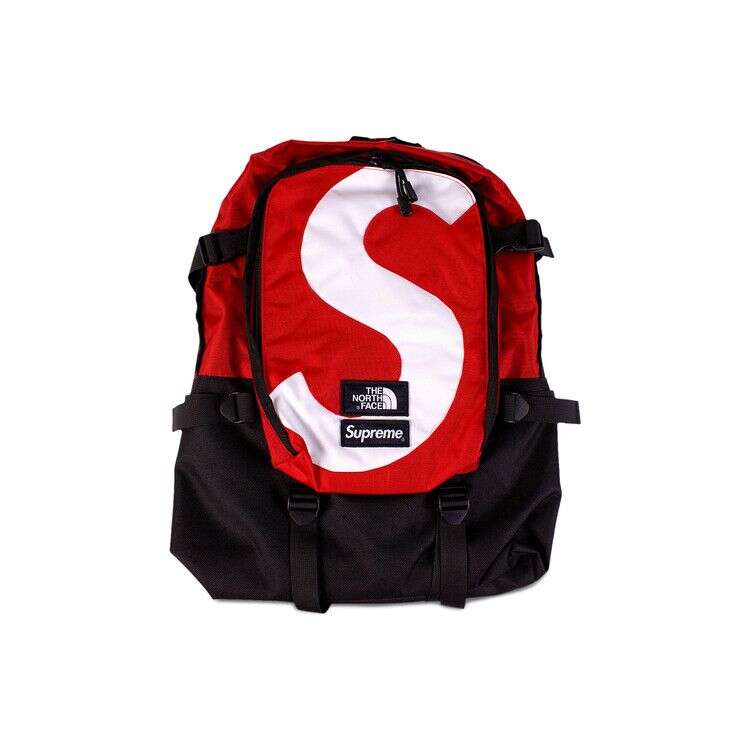
Most North Face backpacks are water-resistant, not fully waterproof, unless the product page clearly says otherwise.
The answer depends on the exact model, fabric, seams, zippers, and weather protection it uses. After comparing common North Face backpack designs and the way outdoor bags handle rain, this guide explains what “water-resistant” really means, which features matter, and how to protect your gear in wet weather.
Are North Face backpacks waterproof?
Most North Face backpacks are not fully waterproof. They are usually water-resistant, which means they can handle light rain, splashes, and short trips through damp conditions.
A waterproof backpack must block water through its fabric, seams, zippers, and openings. Many North Face bags use coated polyester or nylon, but the stitching and zippers may still let water in during heavy rain.
The North Face makes many backpack types. School bags, laptop bags, hiking packs, travel packs, and technical outdoor packs do not all share the same weather rating. So, the model name matters.
Before buying, check the product page for terms such as:
• Waterproof construction
• Seam-sealed seams
• Water-resistant finish
• Weather-resistant fabric
• DryVent material
• Roll-top closure
• Rain cover included
If the listing only says “water-resistant,” do not treat the bag as waterproof. Water-resistant protection is more like a rain jacket without sealed cuffs. It helps, but it has limits.
Waterproof vs. water-resistant: What is the difference?
The terms sound similar, but they describe different levels of protection.
Water-resistant backpacks
A water-resistant backpack can repel some water from its outer fabric. A light shower may bead up and roll away instead of soaking through at once.
However, water may enter through:
• Zipper teeth
• Needle holes in the seams
• Open pockets
• Gaps around the laptop sleeve
• The top opening
• Worn or damaged fabric
A water-resistant North Face backpack works well for daily use, school, commuting, and short walks in mild rain. It is not designed to sit in a puddle or protect electronics during hours of heavy rain.
Waterproof backpacks
A waterproof backpack offers stronger protection. It often uses a waterproof membrane, welded seams, sealed zippers, or a roll-top closure.
A truly waterproof bag is made to keep water out even when rain is strong and continuous. Some models may also have a stated water column rating or an IP rating. These numbers give more detail than a general phrase such as “weather-resistant.”
Even a waterproof backpack has limits. It may lose protection if the fabric is torn, the closure is not sealed, or the bag is submerged. Waterproof does not always mean submersible.
What makes a North Face backpack water-resistant?
Several design features affect how well a North Face backpack handles rain. Looking at the whole construction is more useful than focusing on the fabric alone.
Fabric coating
Many outdoor backpacks use nylon or polyester with a durable water-repellent finish. This finish makes water bead on the surface.
Over time, dirt, friction, washing, and sunlight can reduce this coating. When water stops forming beads and starts spreading across the fabric, the finish may need care or renewal.
Seams
A backpack can have water-resistant fabric but still leak through its seams. Every stitch creates small holes in the material.
A basic daypack may have sewn seams without sealing tape. A more weather-focused pack may use seam tape or welded panels. Seam sealing is one of the clearest signs of stronger waterproof design.
Zippers
Standard zippers often allow water to pass through. Water-resistant zippers help, but they are not always fully waterproof.
Look for coated, covered, or reversed zippers if rain protection is important. A storm flap over a zipper also adds a useful layer of defense.
Backpack openings
A top-loading bag with a roll-top closure can block water better than a wide bag with an exposed zipper. Front pockets are often the first place water enters.
The design of the opening can matter as much as the fabric. Think of it like a house: strong walls do little if the front door is left open.

Are North Face school and laptop backpacks waterproof?
Most North Face school and laptop backpacks are water-resistant rather than waterproof. They can usually handle light rain during a walk from class to a car or bus stop.
They are not normally designed for long exposure to storms. Water can enter through the main zipper, front pockets, and seams. The laptop compartment may have padding, but padding does not equal waterproof protection.
For school or work, use extra protection for valuable electronics:
• Place the laptop in a waterproof sleeve.
• Keep papers in a sealed plastic pouch.
• Store small devices in a dry bag.
• Close every zipper before going outside.
• Use a backpack rain cover during heavy rain.
A water-resistant North Face backpack is often enough for everyday commuting. If you bike in storms or walk for an hour in wet weather, add a cover or choose a pack built for stronger rain protection.
Are North Face hiking backpacks waterproof?
Most North Face hiking backpacks are also water-resistant, not completely waterproof. Hiking packs often focus on comfort, ventilation, weight, fit, and access to gear.
Many hiking backpacks work well with a separate rain cover. The cover protects the main body of the pack and helps shield exposed pockets and zippers.
Keep in mind that a rain cover may not protect the back panel, shoulder straps, or hip belt. Water can also run under the cover from below. For important gear, use waterproof liners inside the pack as well.
A good wet-weather setup includes:
- A backpack with a water-resistant outer shell
- A fitted rain cover
- Waterproof dry bags for clothing and electronics
- A liner for sleeping gear or other essentials
- Quick access to a waterproof phone case
This layered method is more reliable than trusting one fabric treatment. It also gives you backup protection if the weather changes quickly.
Which North Face materials offer better rain protection?
North Face products use different materials and construction methods. The material name alone does not guarantee that a backpack is waterproof.
Nylon and polyester
Nylon and polyester are common backpack fabrics. They are strong, light, and easy to coat.
A coated version may resist rain well. An uncoated version can absorb water more quickly. Fabric strength and water protection are separate features.
Recycled materials
Some newer bags use recycled polyester or recycled nylon. Recycled content describes the source of the fibers. It does not automatically mean the backpack is waterproof.
Check the product details for the actual coating and weather features.
DryVent
DryVent is a waterproof and breathable fabric technology used in some outdoor clothing and equipment. However, not every North Face backpack uses DryVent, and a product made with a water-resistant fabric should not be assumed to have the same protection.
Always check the specifications for the exact item. Product details can change between models and seasons.
Base Camp materials
Some North Face travel products use tough, coated materials that resist water well. These bags may perform better in wet conditions than a standard school backpack.
Still, coated fabric does not make every seam or zipper waterproof. The complete construction remains important.

How to tell if your North Face backpack is waterproof
The fastest way to check is to find the exact model name and review its official specifications. Look for clear claims about waterproof construction rather than broad words such as “durable” or “outdoor.”
Use this checklist:
• Find the model name on the inside label or product tag.
• Search the model on the official product page.
• Read the materials and features section.
• Check whether seams are sealed or taped.
• Look for a rain cover or roll-top closure.
• Review the care instructions.
• Contact customer service if the weather rating is unclear.
Do not judge waterproofing by appearance alone. A thick bag may resist abrasion but still leak through its zippers. A light bag may have better rain protection because its seams and openings are designed more carefully.
You can also perform a careful home check. Place a dry towel inside the empty bag, close all openings, and sprinkle water over the outside. Do not fully soak or submerge the backpack. Open it after a few minutes and inspect the towel.
This test only shows basic resistance. It cannot prove that a bag is suitable for storms or deep water.

How to waterproof a North Face backpack
You can improve the rain protection of a water-resistant North Face backpack with a few simple steps.
Use a backpack rain cover
A rain cover is one of the easiest options. Choose a size that fits tightly around the bag without leaving large gaps.
A cover should wrap around the main body and stay secure in wind. Check that it does not block access to important straps or cause the pack to shift.
Add waterproof liners
A heavy-duty liner inside the main compartment gives strong backup protection. A large waterproof bag can work well, but keep the top folded or sealed.
Use separate dry bags for:
• Clothing
• Sleeping gear
• Food
• Electronics
• Important documents
Protect the zippers
Close all zippers before rain starts. Keep zipper pulls covered when possible.
Do not apply oils or random chemicals to zippers. Use only care products approved for the material, and follow the manufacturer’s instructions.
Maintain the outer finish
Clean dirt from the backpack with mild soap and water. Avoid harsh detergents, bleach, and high heat.
If the care label allows it, a suitable water-repellent treatment may restore some surface protection. Test any product on a hidden area first.
Common mistakes that cause leaks
People often blame the fabric when the real problem is use or care. These mistakes can reduce protection quickly.
• Leaving the front pocket open during rain
• Overloading the bag and stressing the seams
• Placing the backpack directly in wet grass
• Relying on a padded laptop sleeve alone
• Washing the bag with strong detergent
• Drying it on a radiator or in a hot dryer
• Using a cover that is too small
• Storing wet items inside the main compartment
• Assuming “water-resistant” means waterproof
One mistake I often see with outdoor gear is packing electronics without a second layer of protection. Even a well-made backpack can leak after hours of rain. A simple waterproof sleeve costs far less than replacing a laptop or camera.
Another common error is testing a backpack by filling it with water. Avoid this. Heavy soaking can damage coatings, padding, and internal structure, and it does not provide a useful real-world measurement.
How much rain can a North Face backpack handle?
A water-resistant North Face backpack can usually handle light rain for a short period. It may also protect your belongings during brief showers or a quick walk across town.
Protection becomes less reliable during:
• Heavy or driving rain
• Long bike rides
• Mountain storms
• Wet snow
• Repeated soaking
• Direct contact with puddles
• Water sprayed under pressure
There is no single answer for every North Face backpack. A small daypack with exposed zippers will behave differently from a coated travel pack with covered openings.
For an occasional shower, the bag alone may be enough. For a full day outdoors, use a rain cover and waterproof inner bags. This approach is simple, light, and much safer for important gear.
Should you buy a waterproof backpack or a rain cover?
The best choice depends on how you use the bag.
Choose a water-resistant North Face backpack with a rain cover if:
• You need one bag for school, work, and travel.
• You usually face light or moderate rain.
• You want more style and pocket options.
• You prefer a lighter bag.
• You are comfortable using waterproof liners.
Choose a fully waterproof backpack if:
• You work outdoors in frequent rain.
• You kayak, paddle, or spend time near water.
• You carry expensive camera gear.
• You cannot risk moisture damage.
• You often travel through wet climates.
A waterproof bag can cost more and may have fewer easy-access pockets. It can also feel less breathable against your back. For many users, a normal North Face backpack plus a rain cover offers the better balance.
How to pack a North Face backpack for wet weather
Good packing can reduce water damage even when the backpack is not fully waterproof.
Use this simple system:
- Put clothing and soft goods in waterproof dry bags.
- Place electronics in sealed sleeves near the center of the pack.
- Keep documents in a waterproof pouch.
- Store frequently used items in a covered pocket.
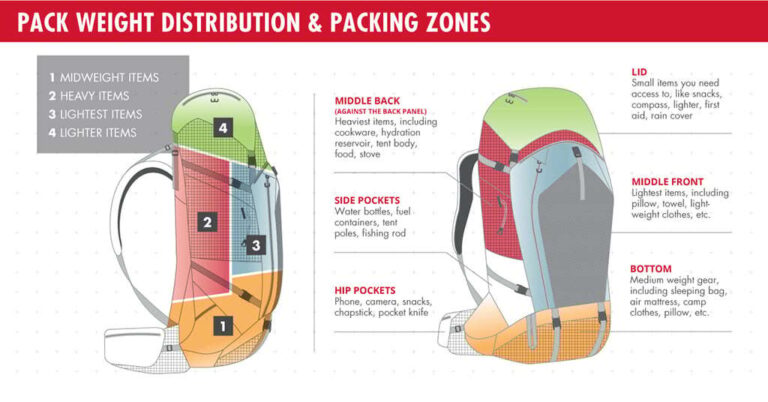
- Put the heaviest items close to your back.
- Close every zipper and buckle before leaving shelter.
- Add the rain cover before the storm arrives.
Do not wait until the rain is already falling. Opening a backpack in a storm exposes the inside to water. Preparing the cover and liners at home takes less than a minute and can prevent a very expensive problem.
Are North Face backpacks waterproof?
Are North Face backpacks waterproof in heavy rain?
Most are not fully waterproof in heavy rain. Many are water-resistant and need a rain cover or waterproof liner for longer exposure.
Can I use a North Face backpack in snow?
Yes, many North Face backpacks can handle light snow. Wet snow and melting snow can soak through zippers and seams, so use a cover and dry bags for important items.
Does a North Face laptop backpack protect electronics from rain?
It may offer some protection, but the laptop sleeve itself is usually not waterproof. Place the device in a waterproof sleeve before carrying it in wet weather.
Can I make a North Face backpack completely waterproof?
You can improve protection with a rain cover, dry bags, and careful maintenance. However, you should not claim a regular backpack is completely waterproof unless its design and specifications support that rating.
How do I clean a wet North Face backpack?
Empty the bag and let it air-dry at room temperature. Follow the care label, and avoid bleach, harsh detergent, radiators, and high heat.
Does a backpack rain cover work better than waterproof spray?
A rain cover usually offers more immediate protection because it covers the fabric, seams, and some zippers. Waterproof spray may improve surface water resistance, but it cannot seal open zippers or unsealed seams.
Conclusion
Most North Face backpacks are water-resistant, not waterproof. They can handle light rain, but heavy or long-lasting rain may reach your belongings through seams, zippers, and openings.
Check the exact model details before buying. For reliable wet-weather protection, combine the backpack with a rain cover, waterproof electronics sleeve, and sealed inner bags. That small setup can protect your gear and make a standard North Face backpack far more useful outdoors.
Choose your bag based on your real weather needs, then test your packing system before a trip. Explore the product specifications for your model, and share your own rain protection tips in the comments.

Zayden Halbrook is a travel enthusiast and gear researcher passionate about making every journey smoother and more enjoyable. With a keen eye for practical travel essentials and real-world tips, he helps readers choose the right gear and travel smarter. When he’s not testing travel kits or exploring new destinations, Zayden shares simple, reliable advice to make every trip stress-free.