Washing a North Face backpack seems simple, but doing it wrong can ruin the fabric, damage the zippers, or even void your warranty. If you want your backpack to last longer and look good, you need to know the right steps.
I’ve owned a North Face backpack for over five years, and after many hiking trips and city commutes, I’ve learned the best way to keep it clean without causing harm. In this guide, I’ll walk you through every step, share real tips, and help you avoid the mistakes I made early on.
Why Washing A North Face Backpack Needs Special Care
A North Face backpack is not just a regular bag. It’s built with high-performance materials designed to handle tough conditions—rain, mud, sweat, and heavy gear. The fabric often has a water-repellent coating (called DWR) and strong stitching. Harsh washing can break down these coatings and cause fading or tears.
Many people think tossing their bag in the washing machine is enough. But I once did this with my first North Face bag, and the straps started to fray after just one wash. That’s why it’s important to follow the right cleaning process.
What You Need Before You Start
Before you clean your backpack, gather all the supplies. This makes the process smoother and helps you avoid damaging the bag.
- Mild detergent (no bleach, no harsh chemicals)
- Soft brush (like a toothbrush)
- Sponge or washcloth
- Large basin or bathtub
- Towel
- Vacuum with small nozzle (optional)
- Clean water
- Mesh laundry bag (for small items)
- Paper towels
Avoid using hot water or anything rough. Hot water can harm the fabric and glue.
Step 1: Empty And Inspect Your Backpack
Open every pocket and take out everything. Check for small items hidden at the bottom. Shake the bag upside down to remove dirt or crumbs. I once found an old granola bar I forgot for months in a hidden pocket, so don’t skip this step.
Look for any damage—like loose threads, holes, or broken zippers. If you see anything, fix it before washing. Washing can make small problems worse.
Step 2: Read The Care Label
Most North Face backpacks have a care label inside with washing instructions. This label is important because different models use different fabrics. Some have leather parts or special coatings. If your label says “hand wash only,” do not use a machine.
If you lost the label or it’s faded, you can check the North Face official site for care instructions or contact customer service.
Step 3: Pre-cleaning—shake, Brush, And Vacuum
Before you use water, remove loose dirt.
- Turn the bag upside down and shake out sand, dirt, and crumbs.
- Use a soft brush to gently scrub away dry mud or dust.
- For inside pockets, a small vacuum nozzle helps remove crumbs and grit.
This makes washing easier and stops dirt from spreading in the water.
Step 4: Spot Cleaning Stains
Check the backpack for any stains. Some stains—like coffee, food, or ink—need extra care.
- Mix a little mild detergent with water.
- Dip the soft brush or a cloth into the mix.
- Gently scrub the stain in circles.
Don’t rub too hard. Let the solution sit for 10–15 minutes if the stain is tough. I once got sunscreen on my bag, and letting the soap sit made a big difference.
Step 5: Hand Washing—the Safest Method
Hand washing is the best way to clean a North Face backpack. Here’s how:
- Fill a basin or bathtub with cool or lukewarm water. Never use hot water.
- Add a small amount of mild detergent and mix until it’s sudsy.
- Submerge the backpack. Use your hands or a sponge to gently clean all surfaces—outside and inside.
- Scrub any dirty areas with the soft brush. Pay attention to the back panel and straps, as sweat often builds up here.
- Rinse with clean water until all soap is gone.
Never soak the backpack for too long. Five to ten minutes is enough.
Step 6: Washing In The Machine (if The Label Allows)
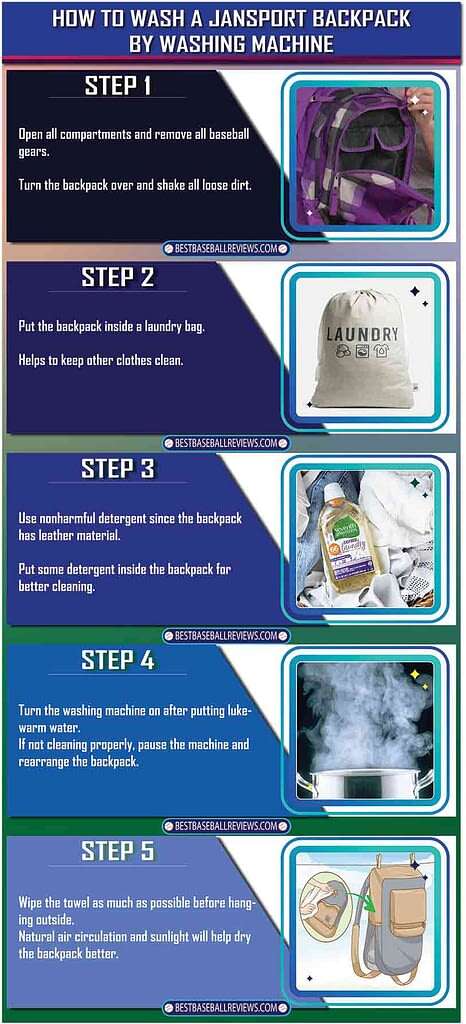
Some North Face backpacks can be washed in a machine, but only if the care label says it’s safe.
If you choose this method:
- Put the empty backpack in a mesh laundry bag to protect zippers and straps.
- Use a front-loading washer (top-loaders with agitators can damage the bag).
- Select the gentle cycle with cold water.
- Add a small amount of mild detergent.
- Do not use bleach or fabric softener.
After washing, never put the backpack in the dryer.
Comparing Hand Wash Vs. Machine Wash
Here’s a quick look at the main differences between hand and machine washing:
| Aspect | Hand Washing | Machine Washing |
|---|---|---|
| Fabric Safety | Very safe | Risk of wear |
| Time Needed | 10–20 minutes | Shorter (cycle time) |
| Effort | More manual work | Less effort |
| Best For | All North Face bags | Machine-safe models only |
Most North Face backpacks will last longer with hand washing.
Step 7: Rinsing Thoroughly
Soap left in the fabric can cause irritation or attract dirt. After washing, rinse the backpack several times with clean, cool water. Squeeze the fabric gently to help remove soap, but do not wring or twist the bag—this can damage the shape and seams.
Step 8: Drying The Backpack
Proper drying is as important as washing.
- Lay the backpack flat on a clean towel.
- Roll the towel with the backpack inside to press out extra water.
- Unroll and open all zippers and pockets.
- Air dry the backpack in a well-ventilated area, away from direct sunlight and heat sources (like a radiator).
Hanging the bag upside down can help water drip out, especially from the bottom corners. Avoid dryers—they can melt or shrink the fabric and ruin waterproof coatings.
Drying Speed Comparison
Let’s see how different drying methods affect your backpack:
| Drying Method | Time Needed | Risk | Result |
|---|---|---|---|
| Air Dry (indoors) | 24–36 hours | Low | Safe, keeps shape |
| Direct Sunlight | 10–16 hours | Fading, heat damage | May weaken fabric |
| Clothes Dryer | 1–2 hours | High (melting, shrinkage) | Not recommended |
Patience is important. Let the backpack dry completely before you use it again. Damp bags can grow mold or smell bad.
Credit: www.reddit.com
Step 9: Reapplying Water-repellent Finish (if Needed)
After washing, your backpack’s DWR coating may be weaker. This finish helps water bead up and roll off. If you notice water soaking into the fabric instead of beading, consider using a spray-on DWR treatment.
These sprays are easy to use:
- Make sure the backpack is clean and dry.
- Spray the DWR product evenly over the outer fabric.
- Let it dry as per the instructions.
You can find these sprays at outdoor or sports shops. I usually reapply every few washes, especially before a rainy season.
Step 10: Checking And Lubricating Zippers
Washing can sometimes make zippers stiff. Once the bag is dry, check all zippers. If they feel sticky, rub a little paraffin wax or a zipper lubricant along the teeth. Open and close the zipper a few times to spread the lubricant.
This simple step keeps your backpack working smoothly and prevents breakage.

Credit: www.apparelnbags.com
Step 11: Packing And Storing Your Backpack
Before you put anything back, make sure the backpack is completely dry inside and out. Pack only clean, dry items. Storing a damp backpack can cause mold or bad smells.
Store your North Face backpack in a cool, dry place. Avoid squashing it under heavy items. Hanging it by the top handle is a good idea.
Extra Tips For A Long-lasting North Face Backpack
- Spot clean regularly: A quick wipe keeps the bag looking new and reduces the need for deep washing.
- Use a rain cover: This protects the bag from mud and water, making cleaning easier.
- Empty after trips: Don’t leave wet clothes or food inside.
- Check seams and straps: Repair small problems early to avoid bigger damage.
- Avoid harsh chemicals: Bleach and strong soaps break down fabric.
Mistakes To Avoid When Washing Your North Face Backpack
Beginners often make these errors:
- Using too much detergent: This leaves residue that attracts more dirt.
- Soaking for hours: Prolonged soaking can loosen glue and weaken the bag.
- Machine drying: The heat can melt or warp parts of the bag.
- Ignoring the care label: Not all bags are the same—always check.
- Packing when damp: This leads to mildew and bad odors.
I made the mistake of drying my bag in direct sunlight once. It faded a patch of color and made the fabric feel rough. Now, I always dry it indoors or in the shade.
What To Do If Your Backpack Smells Bad
If your backpack has a strong odor (from sweat, food, or mildew), add a small amount of baking soda to the water during washing. Let it sit for 15–20 minutes. Baking soda helps neutralize smells without harming the material.
After washing, make sure the bag dries completely. For tough odors, put a few dry coffee grounds in a sock, tie it off, and leave it inside the backpack overnight. The coffee will absorb the smell.
Cleaning Mold Or Mildew
If you see black or green spots, your bag may have mold. Here’s what to do:
- Take the backpack outside to prevent spreading spores indoors.
- Brush off loose mold with a dry brush.
- Mix water and white vinegar (1: 1) and dab onto the spots.
- Let it sit for 10 minutes, then wash as normal.
Always dry thoroughly after cleaning. Mold grows fast in damp places.
How Often Should You Wash A North Face Backpack?
There’s no single rule, but here are some guidelines:
- Regular use (school/commuting): Every 2–3 months
- Outdoor/hiking use: After every muddy or sweaty trip
- Spot cleaning: As needed
Washing too often can wear out the fabric, so only wash when truly needed. Spot cleaning is enough for most dirt.
Special Care For Different North Face Backpack Types
Some North Face backpacks have extra features or materials that need special attention.
Leather Or Faux-leather Parts
Use only a damp cloth to clean leather parts. Never soak leather. Use leather conditioner if it looks dry.
Backpacks With Frame Or Padding
Remove the metal frame if possible before washing. Don’t soak thick padding for long, as it can hold water inside.
Reflective Or Printed Designs
Scrub these areas gently. Harsh scrubbing can damage reflective strips or printed logos.
Comparison: North Face Vs. Other Backpacks
Why take extra care with a North Face bag? Let’s compare with average backpacks:
| Feature | North Face | Standard Backpack |
|---|---|---|
| Fabric Quality | High (nylon/polyester, DWR coating) | Varies, often basic polyester |
| Coatings | Water-repellent, UV resistant | Rarely treated |
| Zippers/Hardware | Heavy-duty, reinforced | Standard |
| Washing Safety | Needs gentle care | Less risk with machine washing |
North Face backpacks are built for tough use, but they need gentle cleaning to last.
When To Seek Professional Cleaning
If your backpack has stubborn stains, deep odors, or delicate materials, professional cleaning may be best. Outdoor gear shops often offer this service. This is also a good choice if your bag is still under warranty, as some cleaning methods may void the coverage.
Real-world Example: Backpack Ready For The Trail
Last spring, after a muddy camping trip, my North Face backpack was covered in dirt and smelled strongly of campfire smoke. I followed the steps above: shook out the dirt, spot cleaned, washed by hand in cool water, and air dried. I also reapplied DWR spray. The bag looked nearly new, and the smell was gone. Friends asked if I bought a new one!
Taking the time to clean your backpack the right way can extend its life for years.
Frequently Asked Questions
How Do I Know If My North Face Backpack Can Go In The Washing Machine?
Check the care label inside your backpack. If it says “machine washable,” use a gentle cycle and a mesh bag. If not, always hand wash.
Can I Use Regular Laundry Detergent On My North Face Backpack?
Use only mild, non-bleach detergent. Regular detergents may be too harsh and can harm coatings or colors.
What Should I Do If My Backpack’s Zippers Are Stuck After Washing?
Apply zipper lubricant or a little paraffin wax. Open and close the zipper to spread it evenly.
Is It Safe To Use Disinfectant Wipes On My Backpack?
Disinfectant wipes are safe for quick surface cleaning but avoid using them on large areas, as some have alcohol or bleach that can damage fabric.
Where Can I Find Official Cleaning Instructions For My Specific Backpack?
Visit the official North Face website or contact customer support for detailed care guides. Here’s a helpful link: The North Face Product Care.
Washing your North Face backpack is simple if you follow these steps. With the right care, your backpack will look great and work well for years—ready for any adventure.
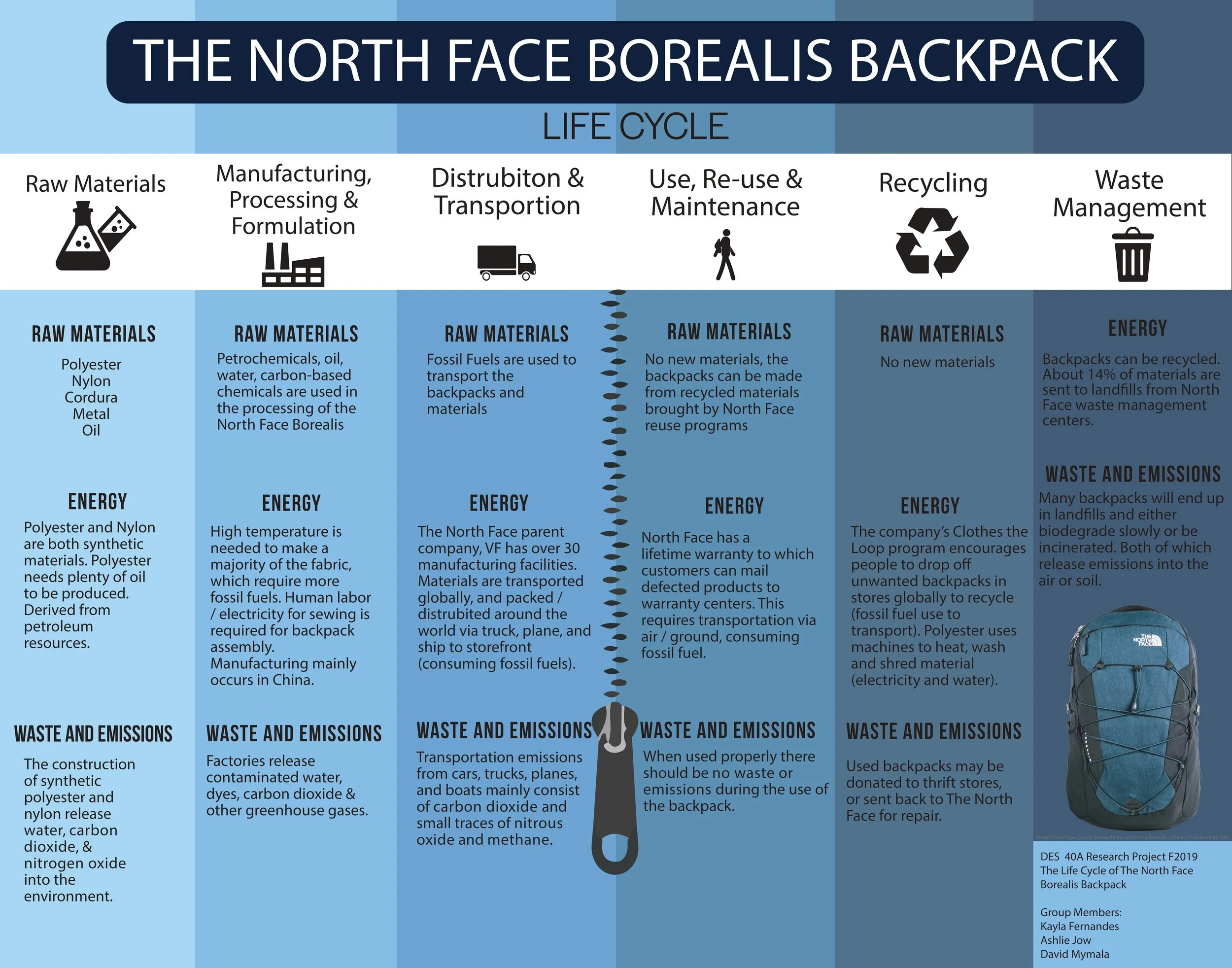
Credit: www.designlife-cycle.com

Zayden Halbrook is a travel enthusiast and gear researcher passionate about making every journey smoother and more enjoyable. With a keen eye for practical travel essentials and real-world tips, he helps readers choose the right gear and travel smarter. When he’s not testing travel kits or exploring new destinations, Zayden shares simple, reliable advice to make every trip stress-free.
Similar Posts
Can You Put A Jansport Backpack In The Washer: Safe Tips
Can you put a Jansport backpack in the washer? Learn the safest cleaning method, what to avoid, and how to protect its fabric and shape.
How To Thread A Backpack Strap: Easy Step-By-Step Guide
Learn how to thread a backpack strap quickly with clear steps, helpful tips, and easy adjustments for a secure, comfortable fit.
How To Pack A Camping Backpack: Easy Packing Guide
Learn how to pack a camping backpack with smart gear placement tips for comfort, balance, and a stress-free outdoor adventure.