Clean a Vera Bradley backpack by checking its label, spot treating stains, washing gently, and air drying it.
A Vera Bradley backpack can collect dust, food marks, makeup, and everyday odors, but the wrong cleaning method may cause fading, shrinkage, or fabric damage. After cleaning many types of fabric bags, I have found that the safest approach is simple: follow the care label, use mild soap, avoid harsh heat, and give the bag plenty of time to dry. This guide explains how to clean a Vera Bradley backpack safely, whether it needs a quick refresh or a deeper wash.

Check the Care Label Before Cleaning
The care label is the best starting point for learning how to clean a Vera Bradley backpack. Vera Bradley makes bags from different materials, including cotton, recycled cotton, microfiber, performance twill, and other fabric blends. Each material may need a different level of care.
Look inside the backpack or along an interior seam for the label. Check whether it says machine washable, hand wash only, spot clean, or dry clean. If the label gives different instructions from this guide, follow the label.
Before you begin, identify the backpack’s condition:
• Light dust and small marks usually need spot cleaning.
• Food spills and muddy areas may need a careful hand wash.
• Strong odors may need airing and gentle deodorizing.
• Leather trims, metal parts, structured panels, or decorative details need extra care.
Do not assume every Vera Bradley backpack can go in the washing machine. Even if one cotton backpack is washable, another style may have a lining or trim that cannot handle full immersion.
Supplies You Need
You do not need expensive products to clean a Vera Bradley backpack. Most of the work can be done with mild soap, cool water, and a soft cloth.
Gather these supplies:
• Mild liquid laundry detergent or gentle dish soap
• Cool or lukewarm water
• A white or colorfast microfiber cloth
• A soft toothbrush or soft fabric brush
• A clean towel
• A bowl or sink
• A mesh laundry bag, if machine washing is allowed
• A fan or well-ventilated drying area
Avoid bleach, strong stain removers, fabric softener, alcohol-based sprays, and rough scrubbers. These products can weaken fibers, strip color, or leave a visible light spot on a patterned bag.
Test any cleaning mixture first. Dab a small amount on an inside seam or hidden corner. Wait until the area dries before checking for fading, bleeding, or texture changes.

How to Clean a Vera Bradley Backpack by Hand
Hand cleaning is the safest choice when the care label is unclear or the bag has delicate details. It gives you better control and puts less stress on seams, straps, and zippers.
Follow these steps:
-
Empty every pocket and compartment. Check for pens, receipts, crumbs, gum, and loose objects.
-
Shake the backpack upside down over a trash can. Use a soft brush or vacuum attachment to remove dust from the lining.
-
Remove detachable straps, charms, or inserts if the care label allows it.
-
Mix a small amount of mild detergent with cool water. The mixture should be lightly soapy, not thick or concentrated.
-
Dip a soft cloth into the solution and wring it out well. The cloth should be damp, not dripping.
-
Wipe the backpack in small sections. Work from the cleanest areas toward the dirtiest areas.
-
Use a soft toothbrush for seams, zipper edges, and textured fabric. Brush gently in one direction.
-
Wipe away soap with another cloth dampened with clean water.
-
Press a dry towel against the fabric to absorb extra moisture.
-
Leave the backpack open to air dry.
Do not soak the backpack unless the care label clearly permits it. Too much water can affect the lining, padding, shape, and color. A damp cloth is often enough for normal daily dirt.
One lesson worth remembering is that scrubbing harder does not always clean better. On patterned fabric, hard scrubbing can push a stain deeper or create a fuzzy patch. Gentle, repeated cleaning is more like lifting dirt out of the fibers instead of grinding it in.
How to Machine Wash a Vera Bradley Backpack
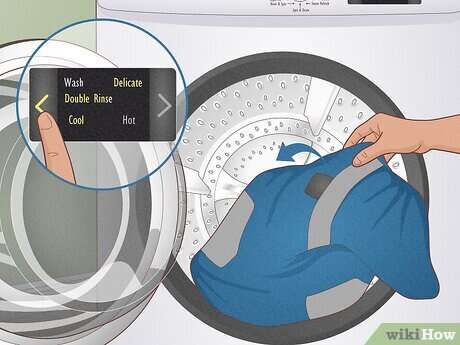
Some Vera Bradley backpacks can be machine washed, but only when the care label allows it. Machine washing a backpack without checking first can lead to shrinkage, color transfer, damaged straps, or misshapen padding.
If machine washing is approved, use this method:
• Empty and vacuum the entire backpack.
• Close all zippers and fasteners.
• Turn the backpack inside out if possible.
• Place it in a large mesh laundry bag or pillowcase.
• Use cold water and the gentle or delicate cycle.
• Add a small amount of mild detergent.
• Wash the backpack with similar soft items, not heavy jeans, towels, or items with hooks.
• Skip bleach and fabric softener.
• Remove the backpack as soon as the cycle ends.
A front-loading washer is often gentler than a top-loading washer with a central agitator. However, the care label remains more important than the type of machine.
Never put the backpack in the dryer unless the manufacturer specifically permits it. High heat can shrink fabric, warp padding, weaken adhesive, and damage synthetic trims.

How to Remove Common Backpack Stains
Different stains respond to different cleaning methods. Start with the mildest option and avoid rubbing aggressively.
Food and drink stains
Blot fresh spills with a clean towel. Do not rub, because rubbing can spread the stain through the fabric.
Mix a drop of mild detergent with cool water. Dab the area from the outside toward the center. Wipe with a clean damp cloth, then let it air dry.
Grease and oily marks
Place a small amount of mild dish soap on a damp cloth. Dab the mark gently and allow the soap to sit for a few minutes. Rinse the area with a clean damp cloth.
Do not use too much soap. A thick layer can leave a darker ring after drying.
Ink stains
Ink can be difficult to remove from fabric. Blot the mark without spreading it, then test a fabric-safe stain treatment on a hidden area. Avoid rubbing alcohol unless the care label or fabric manufacturer confirms it is safe, because alcohol may remove dye.