
How to properly pack a suitcase means planning outfits, using space wisely, and keeping essentials easy to reach.
Learning how to properly pack a suitcase can make travel calmer, faster, and more comfortable. After years of testing different packing methods, I have found that the best approach is simple: pack by need, not by habit. This guide explains what to pack, where to place it, and how to avoid common suitcase mistakes.
Start With a Simple Packing Plan
The best way to learn how to properly pack a suitcase is to plan before you open it. Packing without a plan often leads to too many clothes, poor weight balance, and forgotten essentials.
Start by checking four details:
• The length of your trip
• The weather at your destination
• The activities you plan to do
• Your airline’s baggage size and weight limits
Look at the forecast for your travel dates. A warm trip may still need a light jacket. A cool trip may require layers instead of one thick coat. Also, think about laundry. If you can wash clothes during the trip, you can pack much less.
Write a short packing list before choosing items. Separate the list into clothes, shoes, toiletries, documents, electronics, medicine, and comfort items. This small step can prevent last-minute panic.
I once packed for a week-long trip by placing every item on my bed first. The pile looked far too large. After removing duplicate shirts and “just in case” items, I cut the load by almost one-third. That experience taught me that visible planning is often better than mental planning.
Choose the Right Suitcase
A suitcase should match the trip. A small carry-on works well for a short business trip, while a larger checked bag may suit a long family vacation. The goal is not to use the biggest bag available. The goal is to use the smallest bag that meets your needs.
Consider these suitcase features:
• A sturdy handle that locks at different heights
• Smooth wheels that roll in all directions
• Strong zippers and reinforced corners
• Separate sections for shoes and small items
• A light frame that does not waste weight
• A size that follows your airline’s rules
Hard-shell luggage protects fragile items well. Soft-sided luggage often gives you more flexibility when the suitcase is full. Neither type is perfect for every traveler, so consider your destination and travel style.
A suitcase that expands can be useful, but expansion also makes overpacking easy. If you expand the bag before you need the extra room, you may create a heavier load than planned.
Check current baggage rules before flying. Airlines can change their size and weight limits, and rules may differ by ticket type or route. A luggage scale is a small investment that can prevent expensive airport fees.
Make a Travel Capsule Wardrobe
A capsule wardrobe uses a small group of clothing items that work together. This is one of the most effective parts of how to properly pack a suitcase because each item can serve more than one purpose.
Choose a simple color plan. Neutral colors such as black, navy, gray, white, and beige are easy to mix. Add one or two brighter items if you want more variety.
For most trips, consider packing:
• Three to five tops
• Two or three bottoms
• One light jacket or sweater
• One comfortable travel outfit
• One sleep outfit
• One or two outfits for special plans
• Enough underwear and socks for each day, plus one extra set
Choose clothes made from fabrics that resist wrinkles and dry quickly. Merino wool, synthetic blends, and some lightweight cotton blends can work well. The best fabric depends on your comfort, the climate, and whether you can wash clothes.
Avoid packing an outfit for every possible event. Instead, pack pieces that can move from day to night. For example, a plain shirt can work with walking pants during the day and a skirt or dark jeans in the evening.
Try every outfit before packing it. If a top only works with one pair of pants, it may not earn space in your suitcase.
Use the Right Packing Method
There is no single best packing method for every suitcase. Rolling, folding, and packing cubes each have a useful role.
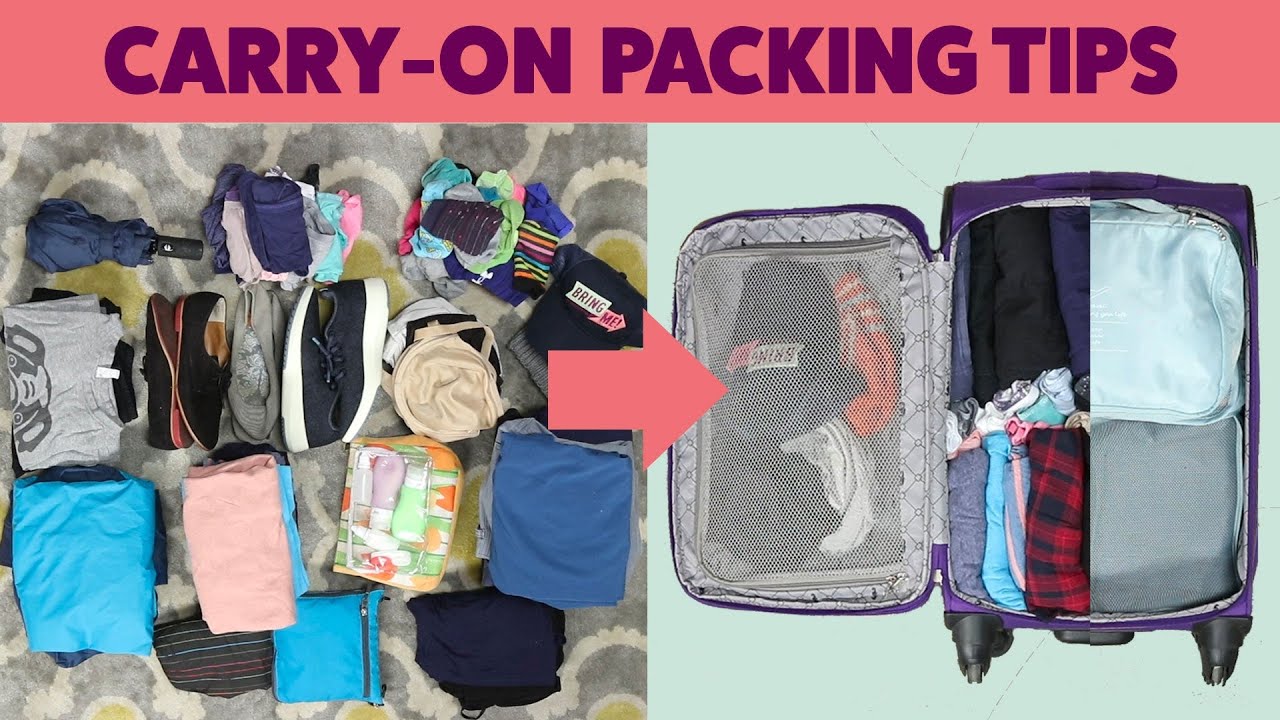
Rolling clothes can reduce large gaps and works well for casual items. Folded clothes may stay neater, especially when packed with tissue paper or a garment folder. Packing cubes keep categories together and make it easier to find items without emptying the whole bag.
A practical method is to combine all three:
- Fold structured clothing, such as blazers and dress shirts.
- Roll soft clothing, such as T-shirts, pajamas, and workout clothes.
- Place rolled items inside packing cubes.
- Use small spaces for socks, belts, and swimwear.
- Put delicate or wrinkle-prone items near the top.
Do not roll every item tightly. Very tight rolls can create deep wrinkles and may stress delicate fabric. Think of packing as arranging a drawer, not compressing a brick.
When learning how to properly pack a suitcase, focus on shape as well as space. Flat items should sit near flat items. Soft items can fill corners. Shoes and toiletry bags should support the edges rather than crush clothing.

Pack Heavy Items at the Bottom
The bottom of your suitcase is the part nearest the wheels when the bag stands upright. Place heavier items there to keep the suitcase stable and easier to move.
Good items for the bottom include:
• Shoes
• Toiletry bags
• Books
• Hair tools
• Small travel equipment
• Folded jeans or heavier pants
Place shoes in bags to protect your clothes. Turn them heel to toe so they take up less room. You can put socks or small accessories inside shoes, but avoid filling them with items that could lose their shape.
Keep the weight balanced from side to side. A suitcase with all its heavy items on one side may tip, pull, or roll poorly. Spread dense items across the base.
Do not place fragile items at the bottom. The base receives more pressure during handling. Wrap fragile belongings in soft clothes and place them near the center of the suitcase, where they have more protection.
Protect Delicate and Wrinkle-Prone Clothing
Wrinkles often come from overpacking, not just from folding. When clothing is pressed tightly against the suitcase lid, it has no room to relax.
Use these methods to reduce wrinkles:
• Fold shirts along their natural seams
• Place tissue paper between delicate layers
• Pack blazers and dresses near the top
• Avoid sharp, uneven objects beside thin fabric
• Leave a little space around dress clothes
• Unpack clothes soon after arriving
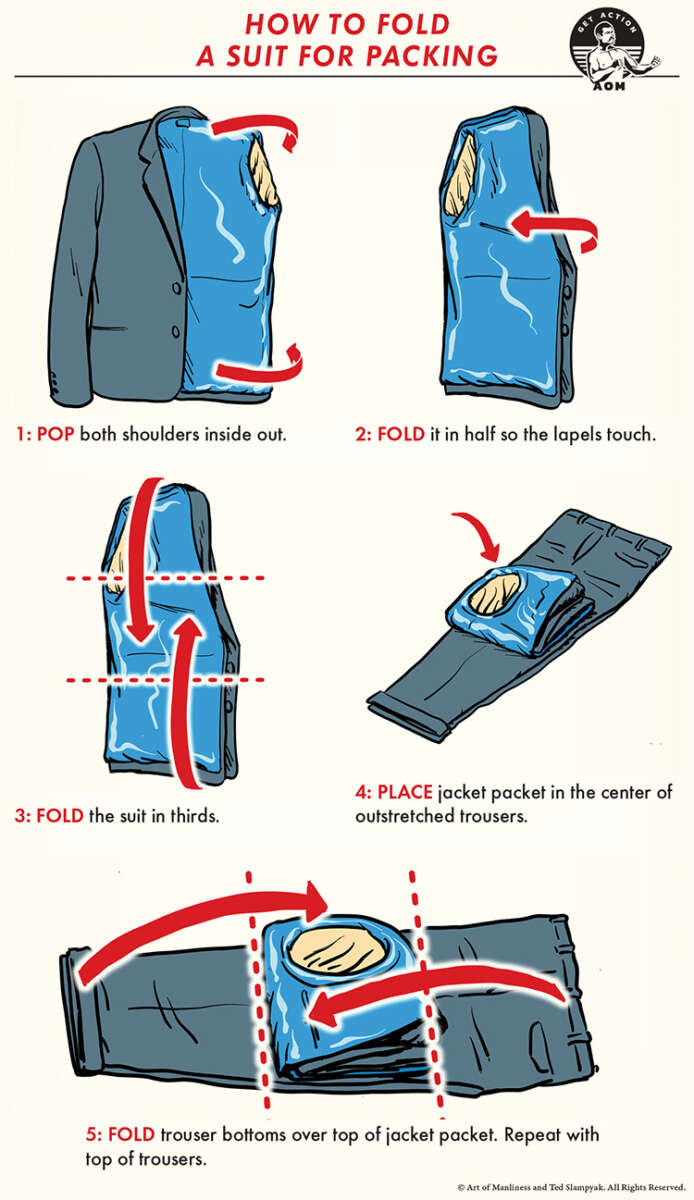
For a dress shirt, button the collar, fold the sleeves inward, and place the shirt flat. For a blazer, turn it inside out at the shoulders, fold it gently, and place it on top of softer items.
A garment folder can help with business clothing. However, it may use more space than ordinary folding. It works best when you need several formal outfits.
A small wrinkle-release spray can help at your destination. You can also hang clothes in the bathroom while taking a warm shower, but keep them away from direct water and high heat.
Pack Shoes and Toiletries Carefully
Shoes are often the dirtiest and heaviest items in a suitcase. Limit yourself to the pairs you will truly use.
A simple shoe plan may include:
• One pair of comfortable walking shoes
• One flexible pair for dinners or events
• Sandals or water shoes when needed
Wear your heaviest shoes during travel. Choose shoes that match several outfits. A pair that looks good but causes blisters is not a useful travel item.
Place shoes in reusable shoe bags or clean plastic bags. Position them along the suitcase edges or near the wheels. Stuff them with socks, belts, or underwear to use the inside space.
For toiletries, use leak-resistant bottles and a clear bag when practical. Follow current airport liquid rules for carry-on luggage. Many airports limit liquids, gels, and aerosols to containers of 3.4 ounces, or 100 milliliters, with all containers fitting in one quart-sized bag. Rules can vary, so confirm them before departure.
Protect against leaks by tightening each cap and placing bottles in a sealed bag. Store the bag near the top so it can be removed quickly at security or cleaned easily if something spills.
Keep Essentials in Your Carry-On
Even when you check a suitcase, keep important items with you. Checked luggage can be delayed, misplaced, or opened for inspection.
Your carry-on should include:
• Passport or identification
• Travel documents and payment cards
• Prescription medicine
• Phone, charger, and power bank
• A change of underwear and clothes
• Basic toiletries
• Glasses or contact lenses
• Valuables and essential work items
Keep medicine in its original labeled packaging when possible. Pack enough for the journey, plus extra time in case of delays. Some medicines require special storage, so follow your health professional’s instructions.
Power banks and spare lithium batteries usually belong in carry-on luggage, not checked baggage. Airline and transportation rules can change, so check the latest guidance before flying.
Do not place your only set of house keys, expensive jewelry, or irreplaceable items in checked luggage. A suitcase is useful, but it is not a secure vault.
Arrange the Suitcase in Layers
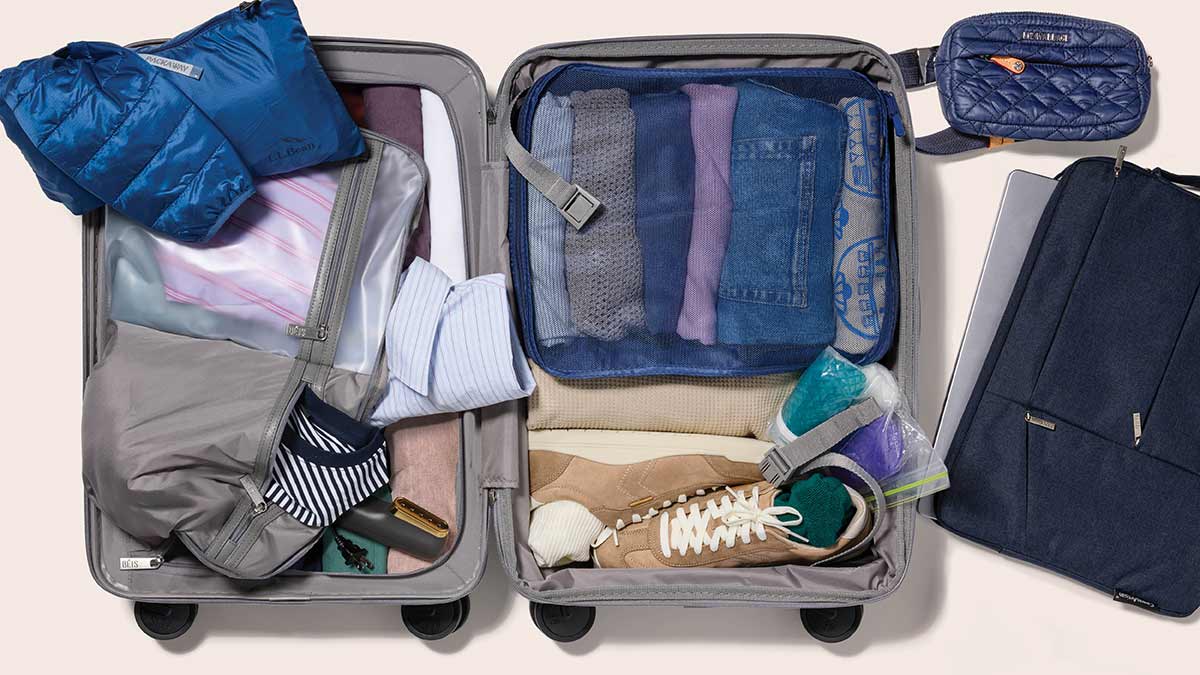
A layered suitcase is easier to unpack and helps protect clothing. Begin with a soft base, then add heavier items, clothing, and delicate pieces.
A useful layer order is:
- Place shoes and heavy items near the wheels.
- Add jeans, sweaters, and other dense clothing.
- Fill gaps with rolled socks and small accessories.
- Add packing cubes with daily clothing.
- Place delicate or formal clothing near the top.
- Put documents and items needed first in your personal bag.
Use the suitcase lid for thin items such as scarves, laundry bags, or a foldable tote. Do not use the lid for heavy objects that may press down on clothes.
Separate clean and worn clothing during the trip. A lightweight laundry bag keeps used clothes away from fresh items. If you do not have one, a pillowcase can work in a pinch.
Think about your first day. Pack the clothes, medicine, and toiletries you will need first near the top. This saves time when you arrive tired and do not want to unpack everything.
Make the Most of Packing Cubes
Packing cubes do not always create more physical space. Their main benefit is order. They act like drawers inside your suitcase and help you find things quickly.