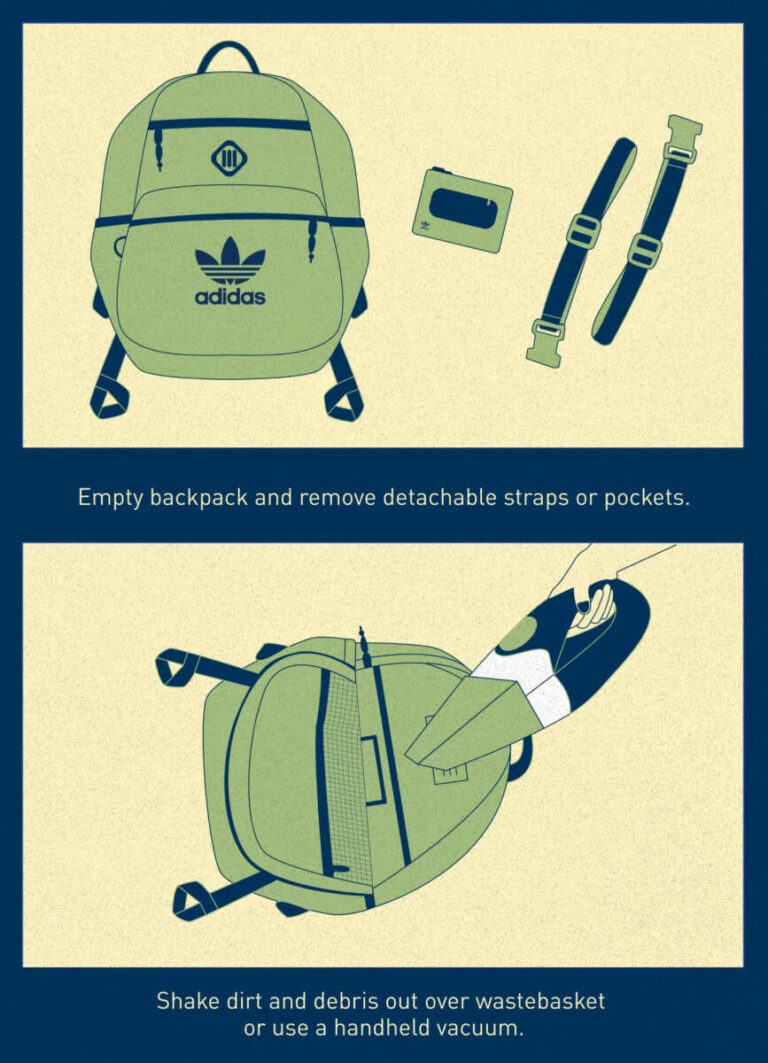
No, it is not weird to go everywhere with a backpack; it is often practical, useful, and comfortable.
The question “is it weird to go everywhere with a backpack” usually comes from worry about how others see you. In reality, a backpack can hold your work gear, water, lunch, books, and daily essentials while keeping your hands free. The key is not where you carry it, but whether it fits the setting, feels comfortable, and contains only what you need.
Is It Weird to Go Everywhere With a Backpack?
No, it is not weird to go everywhere with a backpack. Millions of people use backpacks for work, school, travel, shopping, fitness, and everyday errands. It is one of the most useful bags because it spreads weight across both shoulders and leaves your hands free.
A backpack can also make daily life easier. You can carry a laptop on your commute, pack gym clothes after work, or bring snacks and a water bottle on a long walk. In many cities, backpacks are a normal part of daily clothing.
The idea that backpacks are only for students or hikers is outdated. Modern backpacks come in simple, professional designs that fit offices, restaurants, airports, and casual events. A clean black backpack can look just as suitable as a briefcase or shoulder bag in many workplaces.
The better question is not “is it weird to go everywhere with a backpack?” It is “does this backpack suit the place, the activity, and my needs?” That small change in thinking can remove much of the social worry.

Why People Feel Self-Conscious About Wearing a Backpack
People often feel awkward because they believe everyone is watching them. This is usually an example of the spotlight effect, a common social bias in which we overestimate how much other people notice our appearance or behavior.
Most people are focused on their own clothes, phones, schedules, and conversations. They may notice your backpack for a moment, but they rarely form a lasting opinion about it. In everyday settings, a backpack is usually as unremarkable as wearing sneakers.
Some people also connect backpacks with childhood, school, or outdoor activities. That association can make an adult wonder whether a backpack looks too young or too casual. The design matters more than the basic shape.
A large hiking pack may look out of place at a formal dinner. A small leather or canvas backpack may look perfectly natural at a café, office, or museum. The social meaning comes from the size, material, condition, and setting.
When asking “is it weird to go everywhere with a backpack,” consider these common concerns:
• You may worry that the backpack looks childish.
• You may think carrying one indoors seems unusual.
• You may fear that people see it as lazy or unfashionable.
• You may compare yourself with people who carry handbags, briefcases, or no bag.
• You may be entering a setting where a backpack is less common.
These concerns are understandable, but they do not mean the backpack is wrong. They simply show that people use clothing and accessories to communicate context.

When a Backpack Is a Practical Choice
A backpack is practical when you need to carry several items over a long period. It can reduce the strain of holding a bag in one hand or carrying weight on one shoulder. A good fit can also help you move through crowded places with more control.
Common situations where a backpack works well include:
• Commuting by bus, train, bicycle, or walking
• Going to work with a laptop and lunch
• Attending classes or studying at a library
• Visiting an airport or traveling between cities
• Carrying supplies for a child
• Going to the gym after work
• Shopping for small items
• Hiking, sightseeing, or exploring a new city
• Spending a full day away from home
A backpack is especially useful when your day has several stops. You may leave home in the morning, work from a café, visit a store, and meet friends later. One well-organized bag can support the whole day without forcing you to carry several separate items.
This is why the answer to “is it weird to go everywhere with a backpack” is often simple: it is a tool that matches a busy lifestyle. Practical choices do not become strange just because someone else prefers a different bag.
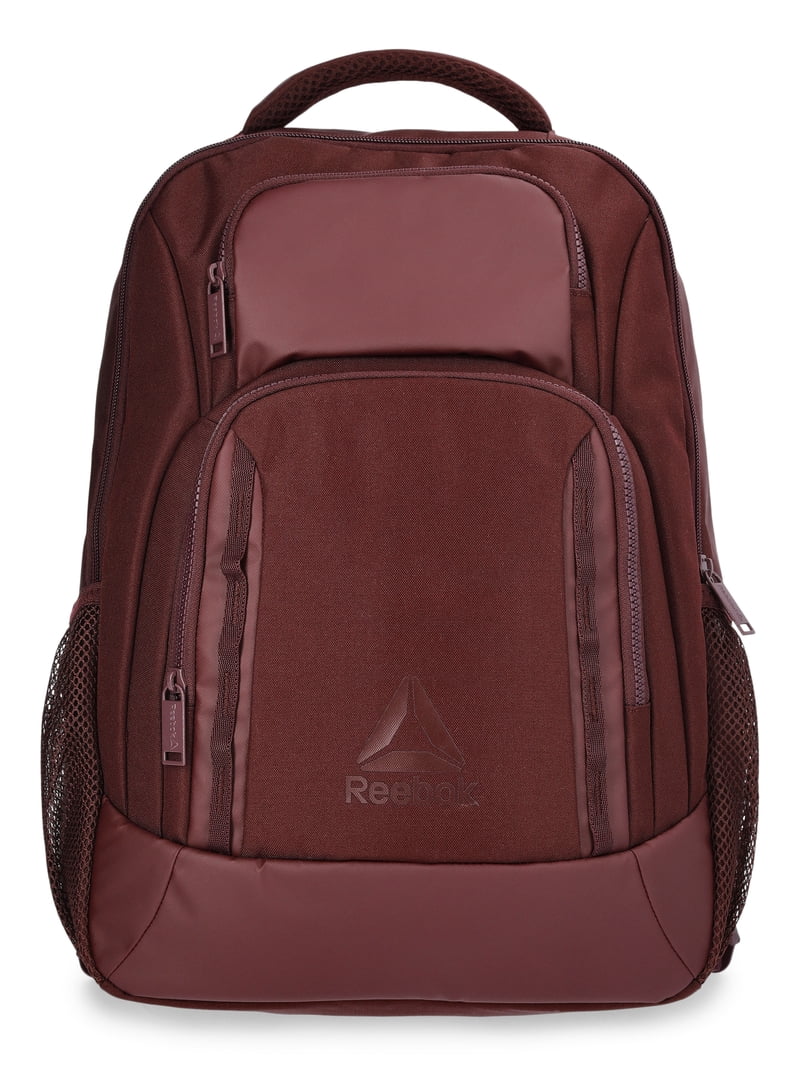
When a Backpack May Not Be the Best Choice
A backpack is not ideal for every situation. Some places have dress codes, security rules, or limited space. Choosing the right bag means reading the setting instead of following one rule all the time.
A backpack may be less suitable for:
• Weddings and formal ceremonies
• Upscale restaurants with limited seating
• Business meetings with formal dress
• Theaters where a large bag blocks other guests
• Museums or stores with bag restrictions
• Crowded events where the bag may bump into people
• Workplaces that require a formal appearance
Some venues ask visitors to check large backpacks. This is usually about safety, storage, or protecting displays. It does not mean carrying a backpack is socially strange.
You can also adjust your bag based on the event. Use a slim backpack for work, a small daypack for errands, or a compact crossbody bag for a formal evening. Flexibility is more useful than trying to make one backpack fit every setting.
If you are still wondering “is it weird to go everywhere with a backpack,” use a simple test. Ask whether the bag is clean, the right size, and allowed in the place you are visiting. If the answer is yes, it is probably a reasonable choice.

Health and Comfort: How to Wear a Backpack Correctly
A backpack can be comfortable, but poor fit and excess weight can cause neck, shoulder, and back discomfort. The American Academy of Pediatrics has commonly advised keeping a school backpack around 10% to 15% of a child’s body weight, although individual needs and medical advice can differ.
Adults can use the same idea as a practical guide rather than a strict rule. If a backpack feels heavy, pulls your shoulders backward, or causes pain, it may be overloaded or poorly adjusted.
Use these steps to improve comfort:
-
Choose a backpack with two wide, padded shoulder straps.
-
Wear both straps instead of carrying the bag on one shoulder.
-
Keep heavy items close to your back.
-
Adjust the straps so the bag rests high and close to your body.
-
Use a chest or waist strap when carrying a heavier load.
-
Remove items you do not use each day.
-
Choose a bag with padding for laptops and sharp objects.
-
Stop and adjust the bag if you feel numbness, tingling, or pain.
A backpack should not hang far below your waist. A low, loose bag increases movement and may pull on your shoulders. The goal is to make the backpack feel like part of your body, not a weight swinging behind you.
Health experts also recommend changing positions and taking breaks when carrying a load for a long time. If you have lasting pain, weakness, or numbness, speak with a qualified health professional. A comfortable backpack cannot replace medical care.