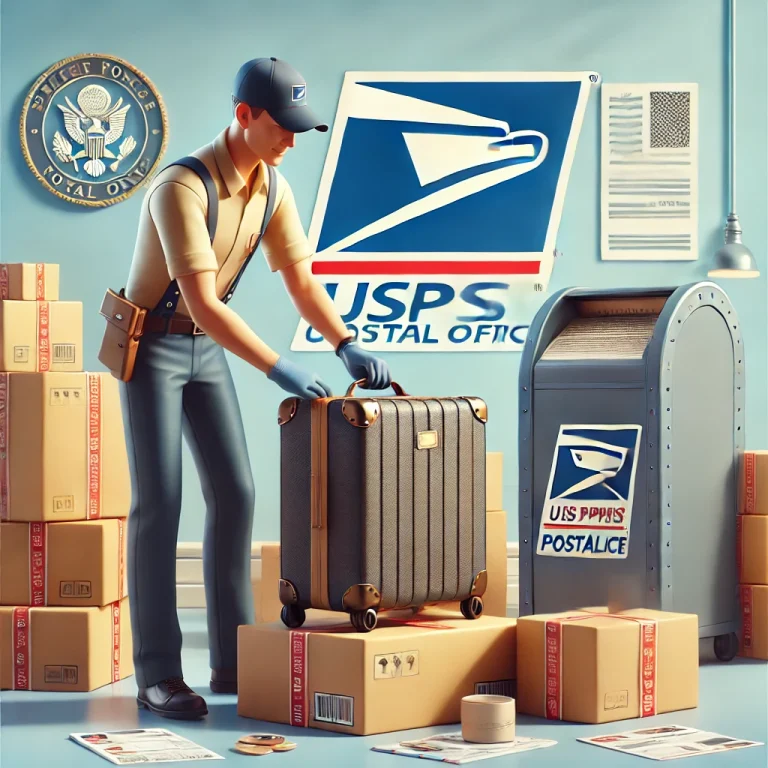
Yes, you can ship a suitcase with USPS if it is packed, labeled, and within size and weight limits.
Shipping a suitcase with USPS can be a practical way to move clothes, gifts, or travel gear without paying airline baggage fees. The key is choosing the right USPS service, protecting the suitcase, checking restrictions, and measuring the final package before you pay for postage. This guide explains the full process, common costs, packing choices, and mistakes that can cause delays.
Can I Ship a Suitcase With USPS?
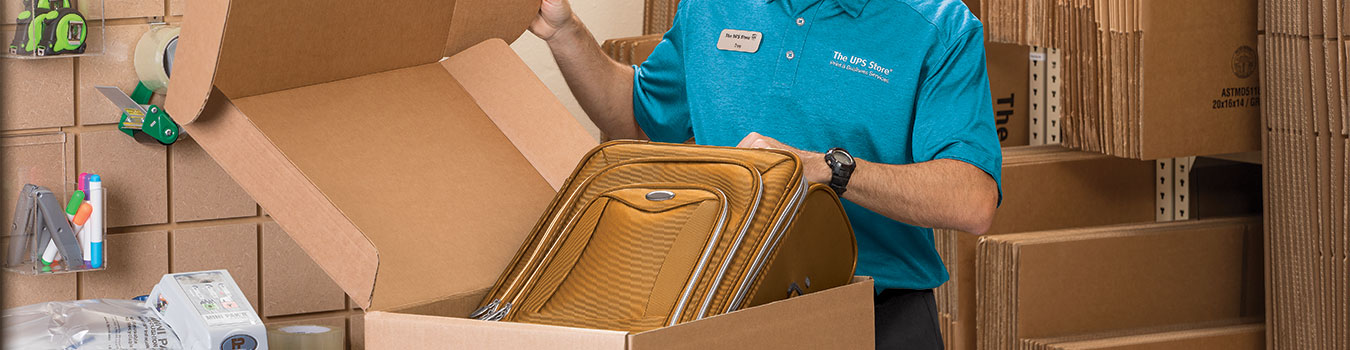
Yes, USPS accepts many types of suitcases for domestic shipping. You may ship an empty suitcase, or you may pack clothes and other permitted items inside it.
However, a suitcase is not always the best shipping container. Wheels, handles, zippers, and fabric can tear or break during automated sorting. For this reason, a sturdy cardboard box is often safer than sending the suitcase by itself.
Before shipping, check these points:
• The suitcase must stay within the service’s size and weight limits.
• The contents must be allowed by USPS rules.
• The address label must be flat, clear, and firmly attached.
• Old barcodes and shipping labels should be removed or covered.
• The suitcase should be protected from rain, dirt, and rough handling.
A soft suitcase may work for short domestic shipments. A hard-shell suitcase inside a strong box offers much better protection for long trips or valuable items.
How to Ship a Suitcase With USPS
The safest method is to pack the suitcase inside a shipping box. This creates a protective shell around the luggage and gives the label a smooth surface.
Step 1: Empty and inspect the suitcase
Open every pocket and compartment. Travelers often leave behind small items such as chargers, coins, lighters, pocket knives, or travel-size liquids.
Check the wheels, handle, zipper, and locks. If the suitcase already has damage, take photos before packing it. These photos can help document its condition if a claim becomes necessary.
Step 2: Protect the suitcase
Wrap the suitcase in plastic or place it inside a large plastic bag. This helps protect it from rain and dirt.
If you ship the suitcase without a box, cover sharp parts such as wheels and handles with cardboard or bubble wrap. Do not wrap the entire suitcase so loosely that the package can catch on sorting equipment.
Step 3: Choose a strong box
Select a box that is slightly larger than the suitcase. There should be enough room for cushioning, but not so much space that the suitcase moves around.
Use new or strong corrugated cardboard. A worn grocery box may collapse under pressure, especially when the package is heavy.
Place cushioning around:
• Wheels
• Handles
• Corners
• Locks
• Hard edges
Fill empty areas with kraft paper, bubble wrap, or other protective material. Close the box with strong packing tape across every seam.
Step 4: Measure and weigh the package
Measure the sealed package, not the empty suitcase. Record the length, width, height, and weight.
USPS calculates postage using the package’s weight, size, destination, and service. Large, light packages may be charged based on dimensional weight. This means a bulky suitcase can cost more than its actual scale weight suggests.
Step 5: Buy postage
You can buy postage through USPS online tools, approved shipping platforms, or a Post Office location. Online labels may offer convenience, while a clerk can help confirm whether the package meets the selected service rules.
Keep the receipt and tracking number. If the suitcase has significant value, consider insurance or another form of extra protection.
Step 6: Drop it off or request pickup
You can take the package to a Post Office or schedule a carrier pickup when available. A large or heavy package is usually easier to hand to a clerk.
Ask for an acceptance scan. This first scan proves that USPS received the package and can prevent confusion if tracking does not update right away.
Should You Ship the Suitcase Inside a Box?
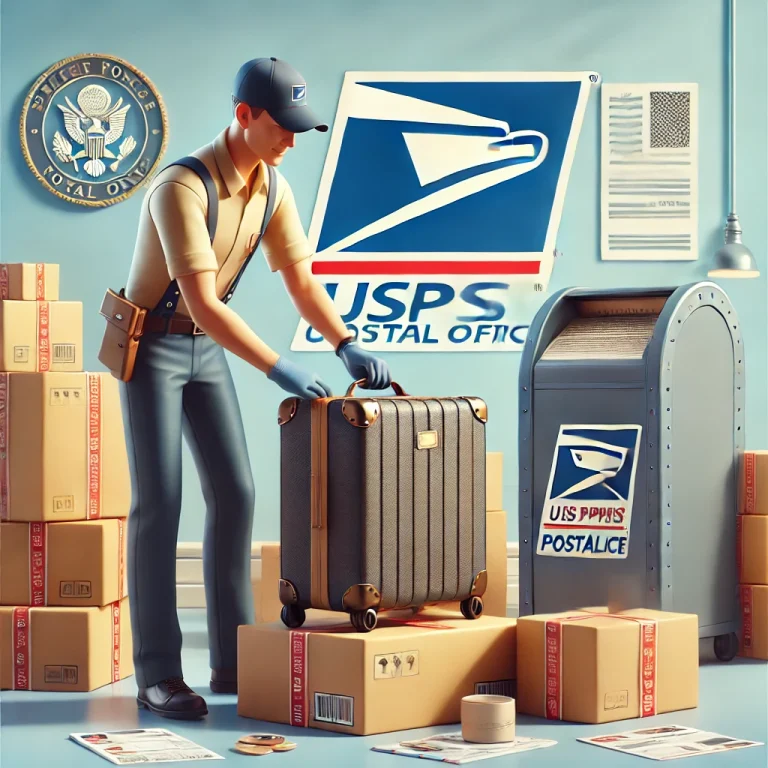
In most cases, yes. A box is the better choice because it protects the suitcase and gives you a clean surface for the mailing label.
Shipping the suitcase without a box may save the cost of packaging. Still, it increases the risk of damage. The handle can snap, the fabric can rip, or the wheels can break when the item moves through sorting equipment.
A box is especially important when:
• The suitcase is soft-sided.
• The suitcase has exposed wheels or handles.
• You are shipping fragile items inside.
• The suitcase is traveling across several states.
• The package will be stored outdoors during delivery.
• The suitcase has sentimental or high replacement value.
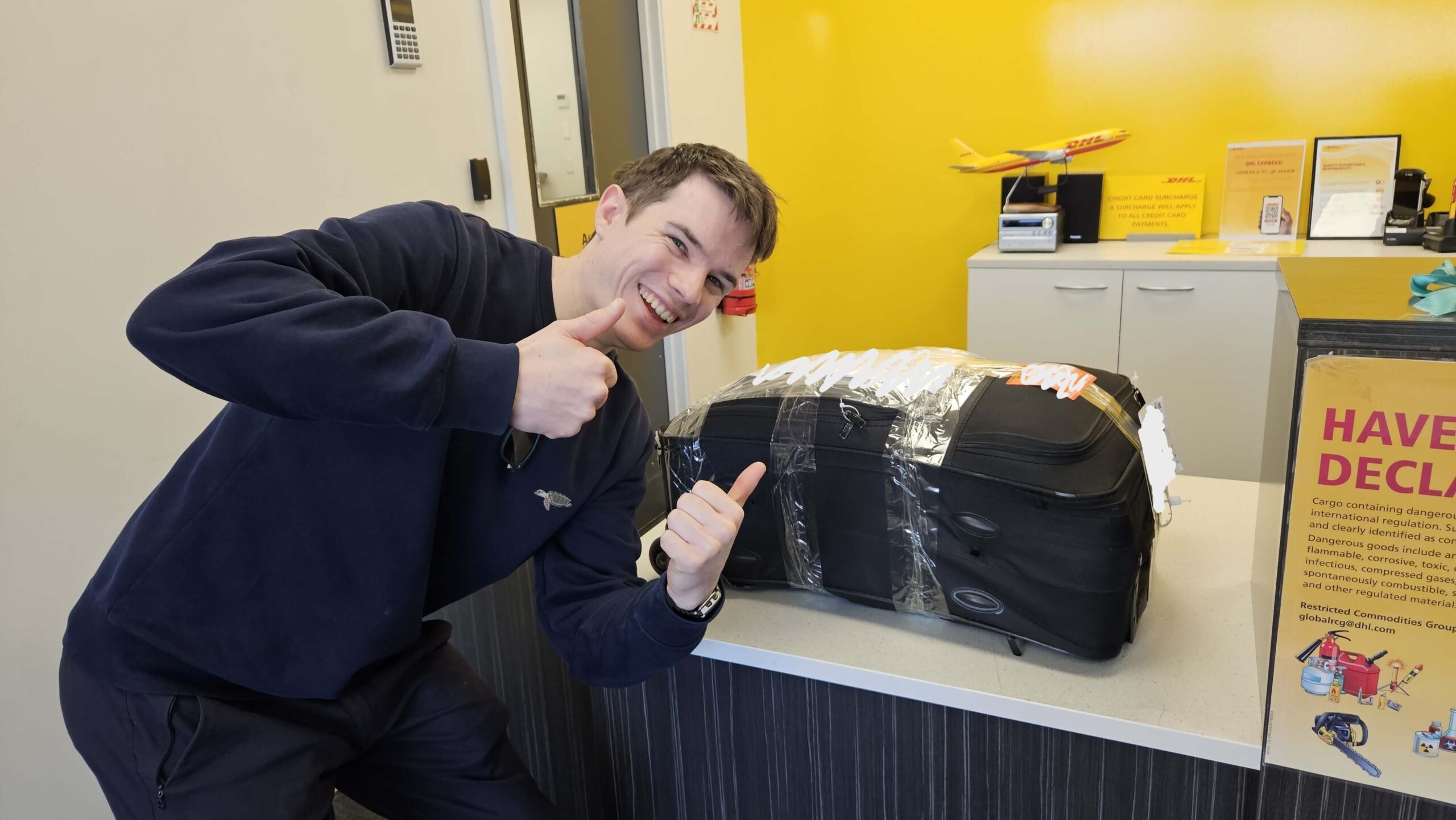
If you must ship the suitcase without a box, wrap it well and secure every loose part. Use a waterproof outer cover when possible. Make sure the label cannot peel away from the surface.
A common mistake is placing a paper label directly on textured fabric. The adhesive may not hold. A clear shipping pouch or strong plastic covering is usually more reliable.
USPS Services for Shipping a Suitcase
The best USPS service depends on the suitcase’s weight, size, destination, and delivery speed.
USPS Ground Advantage
Ground Advantage is often a good starting point for ordinary domestic shipments. It is designed for packages that do not need fast, guaranteed delivery.
It may be economical for clothing, shoes, and other nonfragile items. Delivery time depends on the distance and the USPS network, so allow extra time when the suitcase is needed for a specific event.
Priority Mail
Priority Mail can be useful when you want faster delivery or included tracking. It may cost more than Ground Advantage, especially for a large suitcase that does not fit neatly into a standard package.
Priority Mail has service limits, including maximum weight and package size. Check the current rules before sealing the package.
Priority Mail Express
Priority Mail Express is intended for urgent shipments. It can be helpful when a suitcase must arrive quickly, but the price may be high for bulky luggage.
Confirm the delivery commitment for your address before choosing this option. A delivery date may depend on the mailing time, destination, holidays, and other conditions.
USPS international services
USPS can ship some suitcases internationally, but international shipping requires more planning. You will need customs information that describes the contents, value, and purpose of the shipment.
Do not write only “personal items” if the form asks for a detailed description. Use clear descriptions such as “cotton shirts,” “used shoes,” or “toiletries,” when accurate.
The destination country may charge customs duties, taxes, or handling fees. Some items may also be restricted by the destination country, even if USPS accepts them for transportation.
How Much Does It Cost to Ship a Suitcase With USPS?
There is no single USPS suitcase shipping price. The final cost depends on several factors:
• Package weight
• Package dimensions
• Shipping distance
• USPS service
• Online or retail postage price
• Insurance or other extra services
• Oversize or nonstandard package rules
A small carry-on suitcase filled with light clothing may cost much less than a large suitcase packed with books. Books are especially important to watch because they add weight quickly.
The most accurate method is to use the USPS postage calculator. Enter the package’s actual dimensions and weight. Estimates based only on the suitcase size can be misleading.
For a better estimate:
-
Pack the suitcase completely.
-
Place it in the box you plan to use.
-
Measure the outside of the sealed box.
-
Weigh the complete package.
-
Enter the origin and destination ZIP Codes.
-
Compare Ground Advantage and Priority Mail.
Do not guess the weight at the Post Office. A small difference can change the price, particularly when the package is near a service limit.
What Can You Put Inside a Shipped Suitcase?
Most ordinary clothing and personal items can travel by USPS. Still, some items are prohibited or restricted.
Generally suitable items include:
• Clothing
• Shoes
• Books
• Blankets
• Nonhazardous toiletries
• Souvenirs
• Toys
• Personal accessories
Pack each item so it cannot damage the suitcase or other packages. Put liquids in leakproof bags with absorbent material around them. Keep glass items away from hard suitcase walls and corners.
Do not place prohibited or restricted items inside without checking the current rules. Examples may include:
• Flammable liquids
• Fireworks
• Certain aerosols
• Loaded firearms
• Illegal drugs
• Some batteries
• Perishable foods
• Hazardous chemicals
Lithium batteries require special care. Devices with installed batteries may have different rules from loose batteries or damaged batteries. If you are unsure, check the current USPS hazardous materials guidance before mailing.
Also inspect hidden pockets. A forgotten lighter or loose battery can create a safety issue and may cause the shipment to be delayed or returned.
How to Label a Suitcase for USPS
The mailing label should be placed on the largest, flattest side of the package. It must be easy for scanners and postal workers to read.
If the suitcase is inside a box, place the label on the box. Do not put the label on a curved corner or over a seam.
Include:
• Recipient’s full name
• Complete delivery address
• City, state, and ZIP Code
• Return address
• Your phone number or email when requested
Cover the label with clear tape only if the tape does not block the barcode or address. A clear pouch is often better because it protects the paper without creating glare.
Never place a new label over an old barcode. Remove all previous labels, tracking numbers, and address stickers. An old label can send the suitcase to the wrong location.
Put a copy of the destination address inside the suitcase or box. If the outside label is damaged, this second address gives USPS another way to identify the shipment.
Common Mistakes When Shipping a Suitcase
Many suitcase shipping problems come from simple packing mistakes rather than USPS delays.
Using a weak box
A suitcase is heavy and has hard edges. A thin box may split at the bottom. Use a strong box and reinforce the seams with proper packing tape.
Leaving empty space
Large empty areas allow the suitcase to shift. Movement can damage both the luggage and the box. Add cushioning until the suitcase stays in place.
Forgetting dimensional weight
A light suitcase can still be expensive when it takes up a lot of space. Measure the package after packing, not before.
Attaching the label to fabric
Fabric, mesh, and textured surfaces do not always hold adhesive labels. A box or clear pouch provides a safer label surface.
Packing prohibited items
Travelers often forget that shipping rules are not the same as airline rules. An item allowed in checked baggage may still be restricted in the mail.
Skipping the acceptance scan
A label created online is not proof that USPS has the package. Ask for an acceptance scan and save the receipt.
Shipping valuables without protection
USPS service does not automatically make every item fully protected against loss or damage. Review insurance options and keep photos, receipts, and tracking records.
USPS Suitcase Shipping Tips From Real-World Experience
One lesson that comes up again and again is that the suitcase is rarely the weak point. The box, label, or loose packing usually causes the trouble.
For example, a suitcase filled with clothes may appear safe because clothing is soft. But if the suitcase shifts inside a large box, its wheels can press through the cardboard. A few pieces of firm padding around the wheels can prevent that damage.
Another useful lesson is to photograph the package before handing it over. Take pictures of the packed suitcase, the sealed box, and the label. This takes less than a minute and creates a clear record of how the shipment looked.
I also recommend weighing the package twice: once before boxing it and once after sealing it. The second number is the one that matters. Many people forget that the box and packing material can add several pounds.
If the suitcase contains sentimental belongings, consider shipping early. A late package creates stress, while an early package gives you time to track it, correct an address problem, or make a backup plan.

USPS Suitcase Shipping vs. Luggage Shipping Companies
USPS is not the only option. Dedicated luggage shipping companies and private carriers may offer door-to-door luggage services.
USPS may be a good fit when:
• You already have a suitable box.
• The shipment is domestic.
• You do not need a guaranteed delivery appointment.
• You want access to USPS locations and pickup options.
• The package fits USPS size and weight rules.
A luggage shipping company may be more convenient when:
• You want scheduled door delivery.
• You are shipping several bags.
• You need special handling.
• You are sending luggage to a hotel, resort, or cruise port.
• You want a service designed specifically for travelers.
Compare the complete price, not just the starting rate. Include pickup fees, packaging, insurance, delivery speed, and possible oversized charges.
Airline baggage fees may still be cheaper for a suitcase you are already checking. However, shipping can be useful when you want to travel hands-free or avoid carrying heavy luggage through airports.
What to Do If Your USPS Suitcase Is Delayed or Damaged
Start by checking the tracking number. Tracking may remain unchanged for a period while the package moves between facilities, especially during busy seasons.
If the package is delayed:
-
Confirm that the address is correct.
-
Review the latest tracking scan.
-
Contact USPS support or visit a Post Office.
-
Submit a service request when appropriate.
-
Contact the recipient or delivery location.
If the suitcase arrives damaged, keep the box, packing material, and suitcase. Take clear photos of the damage before throwing anything away.
If you bought insurance or another eligible service, gather:
• Mailing receipt
• Tracking number
• Photos
• Proof of value
• Repair estimate or purchase record
• Description of the damage
Claims rules and deadlines vary by service. Review the current instructions before submitting a claim. Do not assume that normal wear, poor packing, or prohibited contents will qualify for payment.

Frequently Asked Questions About Shipping a Suitcase With USPS
Can I ship a suitcase with USPS without putting it in a box?
Yes, USPS may accept a suitcase without a box if it is secure, properly labeled, and within the service rules. A box is still safer because it protects the luggage and provides a smooth surface for the label.
Is it cheaper to ship a suitcase or check it on a flight?
It depends on the airline, route, suitcase size, weight, and shipping speed. Compare the airline’s checked-bag fee with the complete USPS price, including packaging and insurance.
Can I ship a suitcase full of clothes with USPS?
Yes, clothing is generally allowed in domestic USPS packages. Pack the clothes so they do not shift, and inspect every pocket for restricted items before sealing the package.
What is the best USPS service for a suitcase?
Ground Advantage may be economical for nonurgent domestic shipments, while Priority Mail may be useful when you want faster delivery. The best choice depends on the package size, weight, destination, and required delivery time.
Can I ship a suitcase internationally with USPS?
Yes, some suitcases can be sent internationally through USPS. You must complete customs information accurately, and the recipient may need to pay duties or taxes imposed by the destination country.
Does USPS insure a shipped suitcase automatically?
Some services include limited coverage, but the amount and conditions vary. Check the specific service and consider extra insurance for expensive luggage or contents.
Conclusion
You can ship a suitcase with USPS, but careful packing matters as much as the postage. For the safest result, place the suitcase in a strong box, protect the wheels and handles, remove restricted items, measure the sealed package, and attach a clear label.
Use the USPS price calculator before mailing, keep your receipt, and request an acceptance scan. If the suitcase is valuable, fragile, oversized, or needed by a strict deadline, compare USPS with a dedicated luggage carrier before choosing.
Pack it carefully today, then check the current USPS service rules and rates before you ship.

Zayden Halbrook is a travel enthusiast and gear researcher passionate about making every journey smoother and more enjoyable. With a keen eye for practical travel essentials and real-world tips, he helps readers choose the right gear and travel smarter. When he’s not testing travel kits or exploring new destinations, Zayden shares simple, reliable advice to make every trip stress-free.