
High-quality materials, engineering, branding, and warranty promises make suitcases costly.
I’ve spent years testing luggage, reviewing gear, and watching travel-product margins closely. In this article I’ll explain why are suitcases so expensive, break down the real cost drivers, and give practical tips to help you pick luggage that matches your needs and budget. Read on for clear, experience-backed insight and easy buying rules you can use today.

What makes suitcases expensive?
When people ask why are suitcases so expensive, they usually mean hard-shell, branded, or thoughtful-piece luggage. The simple reality: cost comes from a mix of materials, design, testing, distribution, and brand positioning.
Expensive suitcases often use stronger materials, thoughtful engineering, and long warranties. Those things add to the price and to your peace of mind on the road.

Materials and manufacturing costs
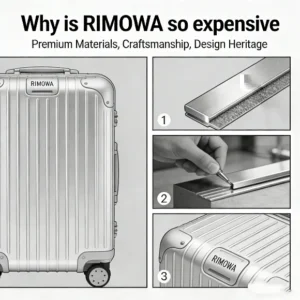
Materials matter. Higher-end suitcases use polycarbonate, aircraft-grade aluminum, or multi-layer composites. Each option costs more than thin ABS plastic. Manufacturing quality also varies. Skilled assembly, seam sealing, reinforced corners, and precision zippers take time and money.
Labor and factory standards influence cost too. Luggage made in factories with strict quality control and fair labor practices costs more to produce. Lower-cost luggage may cut corners in those areas.

Design, testing, and innovation
Design increases price. Things like spinner wheels that glide, telescoping handles with locking stages, and built-in TSA locks are engineered features. Brands spend on prototyping and user testing. They test for impact resistance, wheel durability, and zipper strength. Those tests reduce failure in the field but raise the product cost.
Patents and unique design features add value. If a suitcase has a patented wheel system or a proprietary interior layout, that research and IP cost is factored into the retail price.
Brand, warranty, and after-sales service
Branding plays a big role in asking why are suitcases so expensive. Established brands invest in marketing, celebrity endorsements, and retail displays. Those costs show up in price tags.
Warranties also matter. A lifetime warranty requires a brand to absorb repair and replacement risk. That risk is priced into each product. After-sales support and repair networks add more overhead that brands pass to buyers.

Distribution, retail markup, and supply chain
Getting a suitcase from factory to store involves many middlemen. Import duties, shipping fees, storage, retailer margins, and promotional costs add markup. Seasonal demand and inventory risks push retailers to price items higher to protect margins.
Limited runs or exclusive colors can raise a suitcase’s cost too. Scarcity and controlled releases create desirability—and justify higher prices.

Longevity, perceived value, and lifecycle cost
A cheap suitcase often fails sooner. That failure can cost more in the long run. When asking why are suitcases so expensive, consider lifecycle cost: a durable suitcase may cost more upfront but save money over years.
High-end luggage aims for repairs, parts replacement, and long service life. That focus on durability increases production costs but lowers total ownership cost for frequent travelers.

My experience: lessons learned and common mistakes
I once bought a mid-priced carry-on that looked like a steal. The wheels wore out in a single trip. I then tested three high-end models. The durable models lasted five years with daily use. Lesson learned: buy for use, not looks.
Mistakes to avoid:
- Buying purely for looks without checking wheel systems and handles.
- Ignoring warranty terms and repair networks.
- Choosing the lightest bag when you need ruggedness.
Focus on materials, wheel quality, and warranty. Those choices matter more than brand logo.

How to find value: smart buying tips
Use these steps to avoid overpaying while getting a suitcase that lasts.
- Set realistic needs before shopping. Decide on frequency of travel, typical trip length, and whether you check bags.
- Test wheels and handles in store. Roll and tug to feel stability.
- Read warranty fine print. Know what’s covered and for how long.
- Compare weight vs. durability. Lightweight is nice, but some materials trade toughness for weight.
- Consider refurb or outlet models. You can get high-quality luggage at lower cost this way.

Frequently Asked Questions of why are suitcases so expensive (make it h2 tag)
Are expensive suitcases worth the price?
Yes for frequent travelers and those who need durability. A well-made suitcase can save money over years by avoiding replacements and repairs.
Do materials like polycarbonate and aluminum justify the cost?
They can. Polycarbonate offers impact resistance while aluminum gives extreme durability. Both cost more to source and manufacture.
Can cheap suitcases be durable?
Some budget suitcases are surprisingly durable, but many cut corners on wheels, zippers, or frame strength. Check reviews and tests before buying.
How much does brand name add to the price?
Branding can add a significant markup due to marketing, retail positioning, and warranty promises. The product may still be high quality, but brand premiums exist.
Is it cheaper to repair or replace a suitcase?
It depends. Small repairs like wheel replacement are often cheaper. Major structural damage might cost nearly as much as a replacement, so evaluate case-by-case.
Conclusion
Understanding why are suitcases so expensive helps you make smarter choices. Price reflects real costs: materials, testing, warranties, and brand economics. Buy to match your travel habits. Choose durability and service if you travel often. If you travel rarely, a mid-range option or refurbished model can be a smart pick.
Takeaway: balance needs, test features, and read warranties. Make one informed buy rather than multiple impulse replacements. Leave a comment or share your suitcase experience, and consider subscribing for more gear guides and buying tips.

Zayden Halbrook is a travel enthusiast and gear researcher passionate about making every journey smoother and more enjoyable. With a keen eye for practical travel essentials and real-world tips, he helps readers choose the right gear and travel smarter. When he’s not testing travel kits or exploring new destinations, Zayden shares simple, reliable advice to make every trip stress-free.
