A properly used bag valve mask (BVM) delivers effective manual breaths when sealed and timed correctly.
I have spent years teaching airway management and using BVM resuscitators in clinics and emergency scenes. I will walk you through which statement about bag valve mask bvm resuscitators is true with clear facts, practical tips, and lessons from real use. Read on to learn what works, what doesn’t, and how to avoid common mistakes when you must ventilate a patient.
Understanding the answer: which statement about bag valve mask bvm resuscitators is true
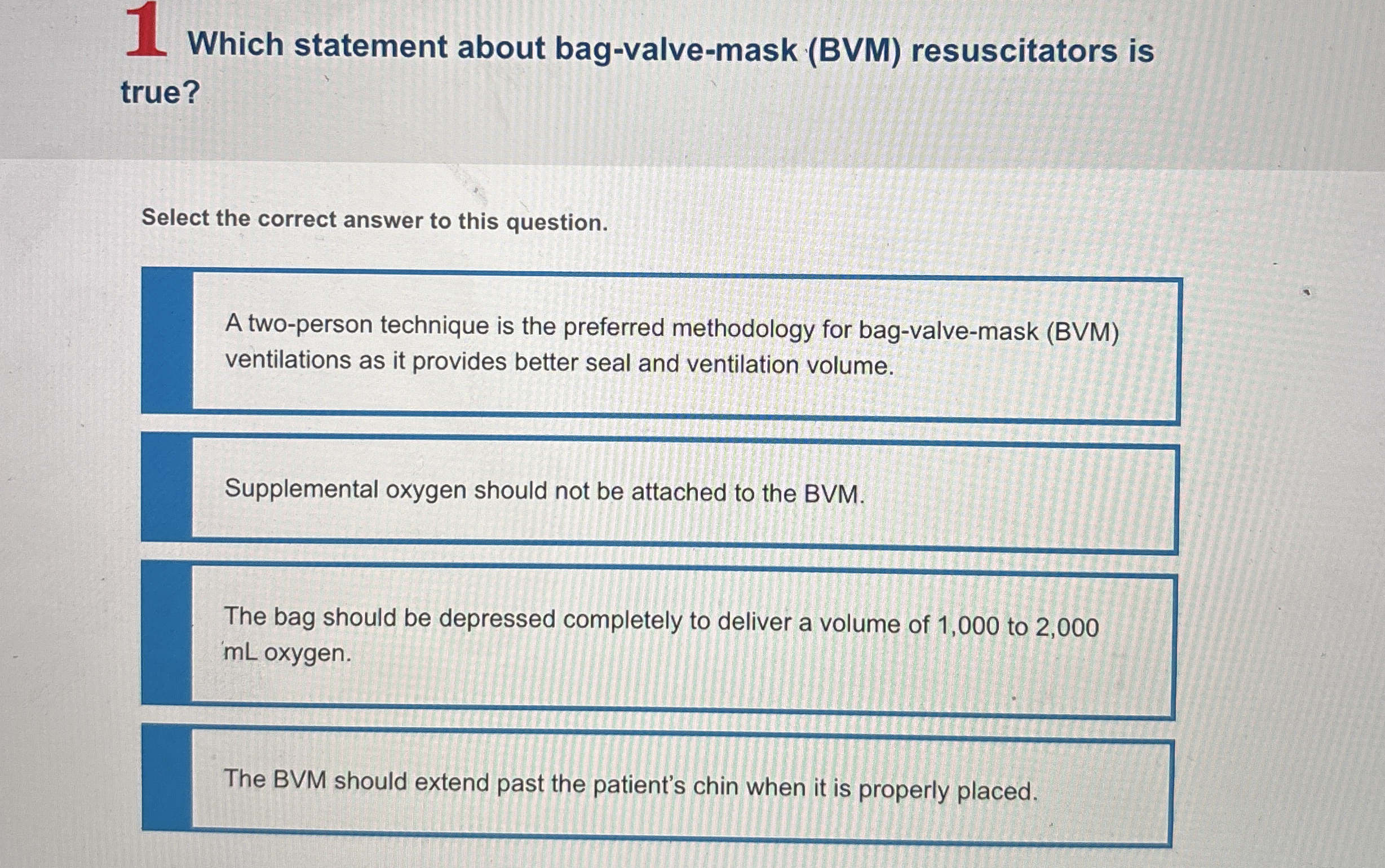
When people ask which statement about bag valve mask bvm resuscitators is true, they usually mean whether a BVM can safely ventilate a patient. The true core statement is that a BVM can provide effective manual ventilation if the operator maintains a good mask seal, sets an appropriate rate and volume, and monitors the patient. This is practical and simple to test in training scenarios.
How bag valve masks work and why that matters
A bag valve mask is a hand-held device. It has a self-inflating bag, a one-way valve, and a face mask. Squeezing the bag pushes air or oxygen into the lungs. When released, the bag self-inflates and the patient exhales. Knowing this mechanism helps answer which statement about bag valve mask bvm resuscitators is true. It also helps you avoid overinflation and gastric insufflation.
Common true statements about BVM resuscitators
Here are clear, true statements you can rely on when deciding which statement about bag valve mask bvm resuscitators is true:
- A BVM can provide adequate ventilation for patients who are not breathing or are breathing inadequately when used correctly.
- A proper mask seal and correct head position are essential for effective ventilation.
- Attaching supplemental oxygen to the BVM increases the oxygen delivered to the patient.
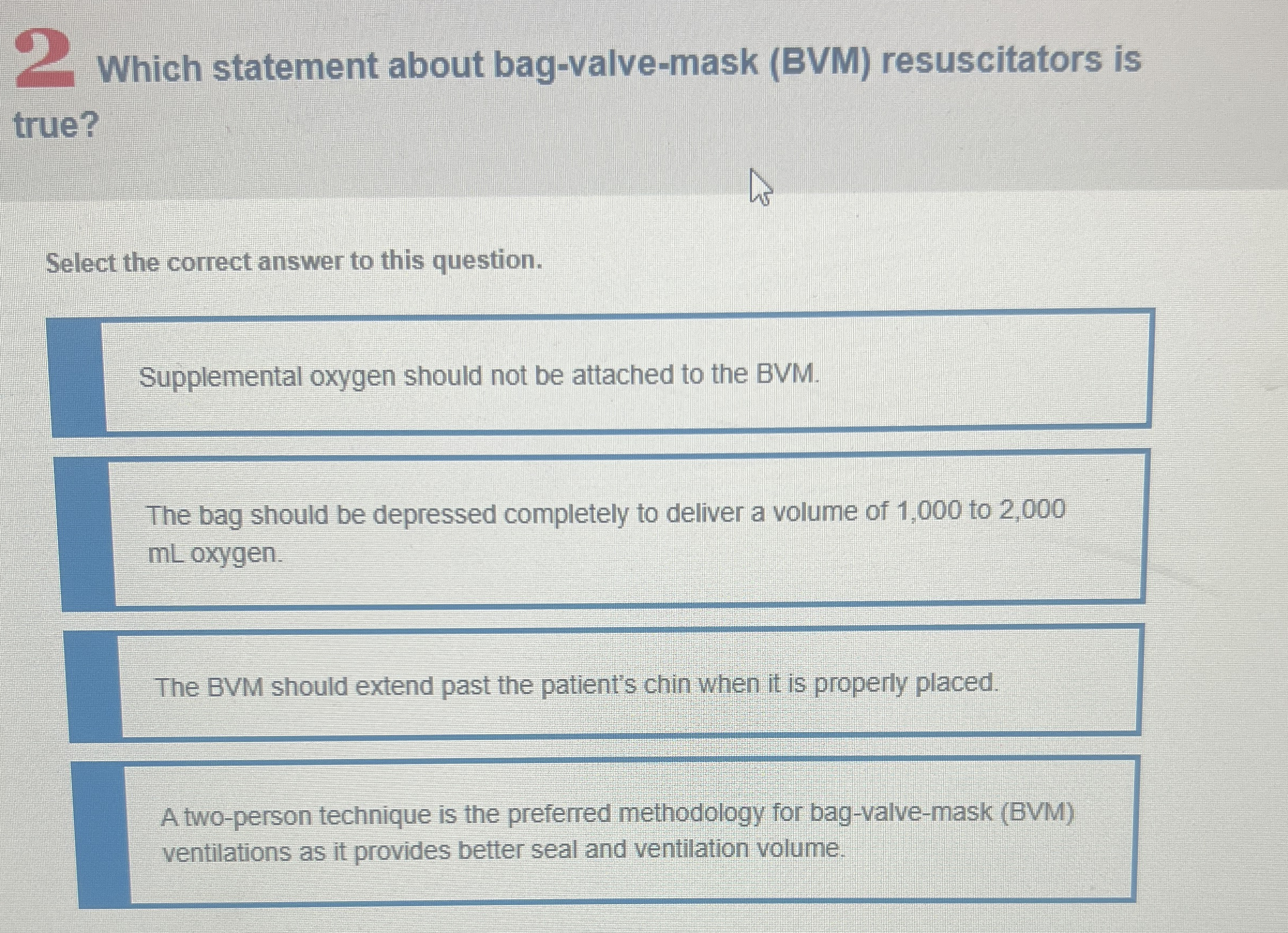
- Two-person BVM technique generally produces a better seal and better tidal volumes than single-person use.
- BVM use requires training; untrained attempts can cause harm like insufficient ventilation or gastric inflation.

Myths and false statements to avoid
When trying to decide which statement about bag valve mask bvm resuscitators is true, watch out for these common false claims:
- A BVM always prevents hypoxia without monitoring. This is false. You must watch chest rise and oxygenation.
- Any layperson can use a BVM safely without training. This is false. Technique matters a lot.
- Squeezing the bag as fast as possible improves oxygenation. This is false. Fast, shallow breaths can be harmful.
- A bigger bag always means better ventilation. This is false. Too large a tidal volume risks lung injury.
Safe use, limitations, and risks
A realistic look at which statement about bag valve mask bvm resuscitators is true includes limits and hazards. BVMs are lifesaving tools but carry risks if misused. Overventilation can cause gastric inflation, aspiration, decreased venous return, or barotrauma. Poor seal leads to low tidal volumes and hypoxia. Use monitoring tools like pulse oximetry and capnography when available.
Key safety steps:
- Confirm airway position with head tilt-chin lift or jaw thrust for trauma.
- Use two-person technique when possible: one holds the mask, the other squeezes the bag.
- Watch for chest rise and listen for breath sounds.
- Use supplemental oxygen and aim for recommended breaths per minute.
- Avoid excessive tidal volumes and strong, rapid squeezes.
Training, best practices, and personal experience
I taught EMTs and nurses how to use BVMs for years. Early on, I saw too many trainees squeeze the bag too hard and too fast. The lesson: slow, steady, and measured breaths work best. Practice with manikins and get feedback on chest rise and leak.
Best practice tips from experience:
- Start with a moderate bag press and adjust to visible chest rise.
- Use the two-person E-C clamp for a consistent seal.
- Use a flow-inflating device or PEEP valve when appropriate to improve oxygenation.
- Regularly practice under supervision so you can spot leaks and poor technique.
These tips show which statement about bag valve mask bvm resuscitators is true in real life: technique and monitoring make the difference between success and harm.
Quick questions people also ask
Q: Which statement about bag valve mask bvm resuscitators is true when oxygen is attached?
A: Attaching oxygen increases the inspired oxygen fraction and often improves oxygen delivery, but a good seal is still essential.
Q: Which statement about bag valve mask bvm resuscitators is true for single-user rescue?
A: Single-user rescue can be effective but often yields a poorer seal and less consistent tidal volume than a two-person technique.
Q: Which statement about bag valve mask bvm resuscitators is true about overventilation?
A: Overventilation reduces cardiac output and increases the risk of gastric insufflation, so keep rates and volumes controlled.
Frequently Asked Questions of which statement about bag valve mask bvm resuscitators is true
What is the most important true fact about bag valve mask BVM resuscitators?
The most important fact is that a BVM can deliver effective ventilation only when the mask seal, head position, and ventilation rate are correct. Equipment alone does not guarantee success.
Can a BVM provide oxygen without an oxygen source?
Yes. A BVM will still deliver room air without supplemental oxygen, but the oxygen concentration will be lower than when oxygen is attached. Use oxygen when available for better patient outcomes.
Is two-person BVM use always better than one-person use?
Two-person BVM use usually produces a better mask seal and more reliable tidal volumes, making it preferable when staff are available. Single-person use can work in emergencies but requires more training.
How can I avoid causing harm with a BVM?
Avoid high ventilation rates and excessive tidal volumes, monitor chest rise, and secure a proper seal. Use capnography or pulse oximetry when possible to guide ventilation.
Do BVM resuscitators replace advanced airway devices?
No. BVMs are a bridging tool for manual ventilation. Advanced airways like endotracheal tubes or supraglottic devices may be needed for prolonged ventilation or when bagging is inadequate.
Conclusion
A bag valve mask works when technique, seal, and monitoring are correct. Focus on proper mask seal, measured breaths, and teamwork to make the true statements about BVM resuscitators matter in practice. Train often, use oxygen and monitoring when possible, and stay humble about the tool’s limits. Try a skills class, practice with feedback, and leave a comment sharing your experiences or questions so we can improve care together.

Zayden Halbrook is a travel enthusiast and gear researcher passionate about making every journey smoother and more enjoyable. With a keen eye for practical travel essentials and real-world tips, he helps readers choose the right gear and travel smarter. When he’s not testing travel kits or exploring new destinations, Zayden shares simple, reliable advice to make every trip stress-free.