Fold clothes for a suitcase by rolling soft items, folding structured pieces, and filling every gap without overpacking.
Learning how to fold clothes for suitcase travel can save space, reduce wrinkles, and make unpacking much easier. The best method depends on the fabric, garment shape, trip length, and suitcase design. This guide brings together practical packing methods, tested organization tips, and simple mistakes to avoid.
Why the Right Folding Method Matters
A suitcase is more than a storage box. It is a small space where clothing can crease, shift, and lose its shape. When you fold each item with a purpose, you use the space better and protect your clothes during travel.
How to fold clothes for suitcase packing also depends on the material. Cotton shirts can handle a firm fold, while linen may need more room. Jackets and dress pants need careful shaping. Socks, underwear, and swimwear can fill small gaps.
Good packing helps you:
• Fit more clothing into the same suitcase
• Reduce deep wrinkles
• Keep outfits easy to find
• Protect delicate items
• Avoid opening a messy suitcase at your destination
A useful rule is to pack heavy items near the suitcase wheels. This keeps the case balanced and stops heavier pieces from pressing down on fragile clothing.

Prepare Your Clothes Before Packing
Before you fold clothes for suitcase travel, place everything on a bed or clean floor. This simple step gives you a clear view of what you plan to pack. It also makes overpacking easier to spot.
Check the weather, planned activities, and dress code before choosing outfits. Most travelers pack too many “just in case” items. A better approach is to select pieces that work together.
Use this quick planning list:
• Choose a simple color scheme
• Plan one outfit for each day
• Add one extra top and one extra pair of underwear
• Choose shoes that match several outfits
• Wear your bulkiest shoes and jacket during travel
• Remove items that do not match at least two outfits
Wash and fully dry clothing before packing. Damp fabric can develop a musty smell inside a closed suitcase. You should also check pockets for coins, pens, receipts, and other items that may damage clothes.
If you use packing cubes, group clothes by type or outfit. If you do not use cubes, make clear layers instead. Both methods work well when the suitcase is packed with a plan.

How to Fold Clothes for Suitcase Packing
The best method combines flat folding, rolling, and bundle packing. No single technique works for every garment.
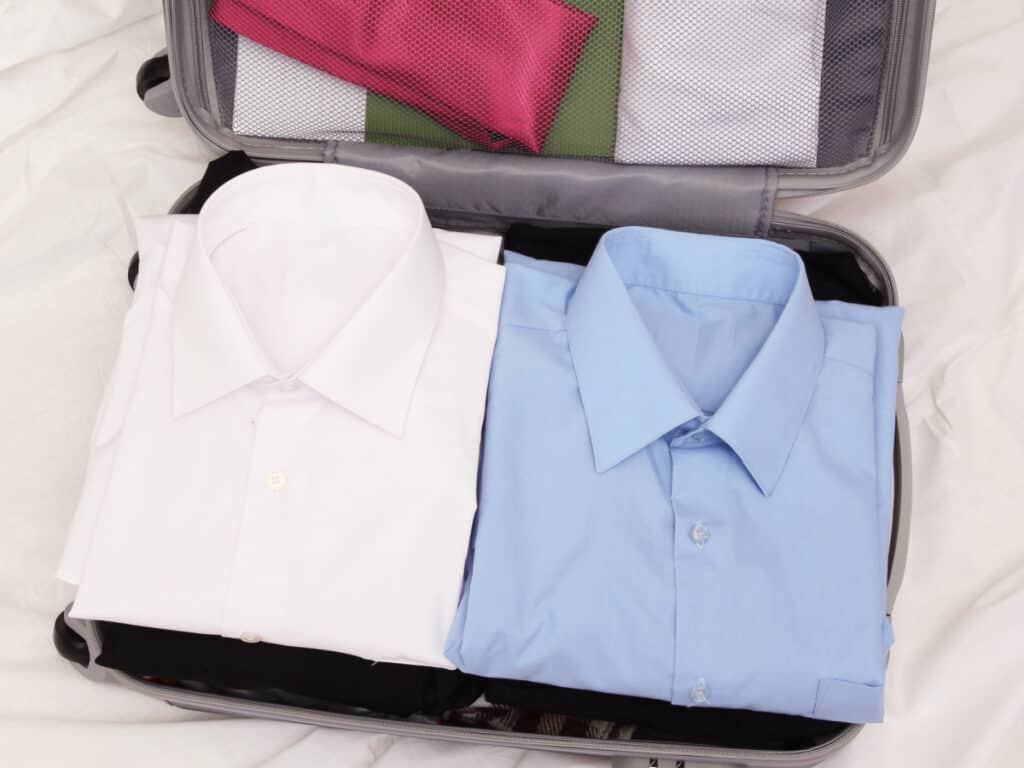
Flat fold for shirts and blouses
Flat folding works well for button-down shirts, blouses, sweaters, and other items that wrinkle easily.
-
Place the shirt face down on a flat surface.
-
Fold one side toward the center.
-
Fold the sleeve back in a straight line.
-
Repeat on the other side.
-
Fold the bottom of the shirt toward the shoulders.
-
Place the shirt near the top of the suitcase.
For button-down shirts, fasten two or three buttons first. This helps the shirt keep its shape. You can also place a thin layer of tissue paper between folds to reduce friction.
Do not make a very tight, small bundle with dress shirts. Sharp folds can create strong crease lines.
Roll casual clothing
Rolling works well for T-shirts, jeans, leggings, pajamas, workout clothes, and soft knit items.
Lay the garment flat and smooth it with your hands. Fold the sleeves or sides inward, then roll from one end to the other. Keep the roll firm but not tight.
Rolling clothes can reduce wasted space because round bundles fit into corners and gaps. However, rolling does not prevent every wrinkle. Thin cotton and linen may still crease, especially when tightly compressed.
For better results:
• Smooth the garment before rolling
• Fold long items in half first
• Keep rolls similar in size
• Place heavier rolls at the bottom
• Avoid packing rolls so tightly that you cannot remove one
Use the bundle fold for wrinkle-prone clothing
The bundle method wraps several garments around a soft center. It works well for trips when you want fewer hard fold lines.
Start with a central item, such as a packing cube, small sweater, or pair of shorts. Lay larger garments around it, one at a time. Fold each layer over the center until you have one soft bundle.
This method creates gentle curves rather than repeated sharp folds. It can protect shirts, skirts, and lightweight pants. The main limitation is access. You may need to open the entire bundle to reach one item.
Fold pants and jeans
For jeans, fold them in half lengthwise. Then fold them once or twice from the waistband toward the cuffs. Place jeans at the bottom of the suitcase because they are heavy and durable.
For dress pants, align the seams and press out wrinkles with your hands. Fold the pants along the existing crease. Then fold them once across the middle.
If you have room, lay dress pants flat across the top of your suitcase. Allowing the legs to hang over the edge while packing other items can reduce sharp folds. Fold the legs over everything at the end.
Protect bras and delicate underwear
Place bras flat and stack them inside one another. Avoid folding molded cups inside out, as this can damage their shape. Fill the cups with socks or underwear to save space.
Fold underwear into small rectangles or place it in a mesh pouch. Keep delicate items away from shoes, zippers, and rough surfaces.
How to fold clothes for suitcase packing becomes easier when small items have a set place. A pouch prevents underwear from spreading through the suitcase and makes unpacking faster.
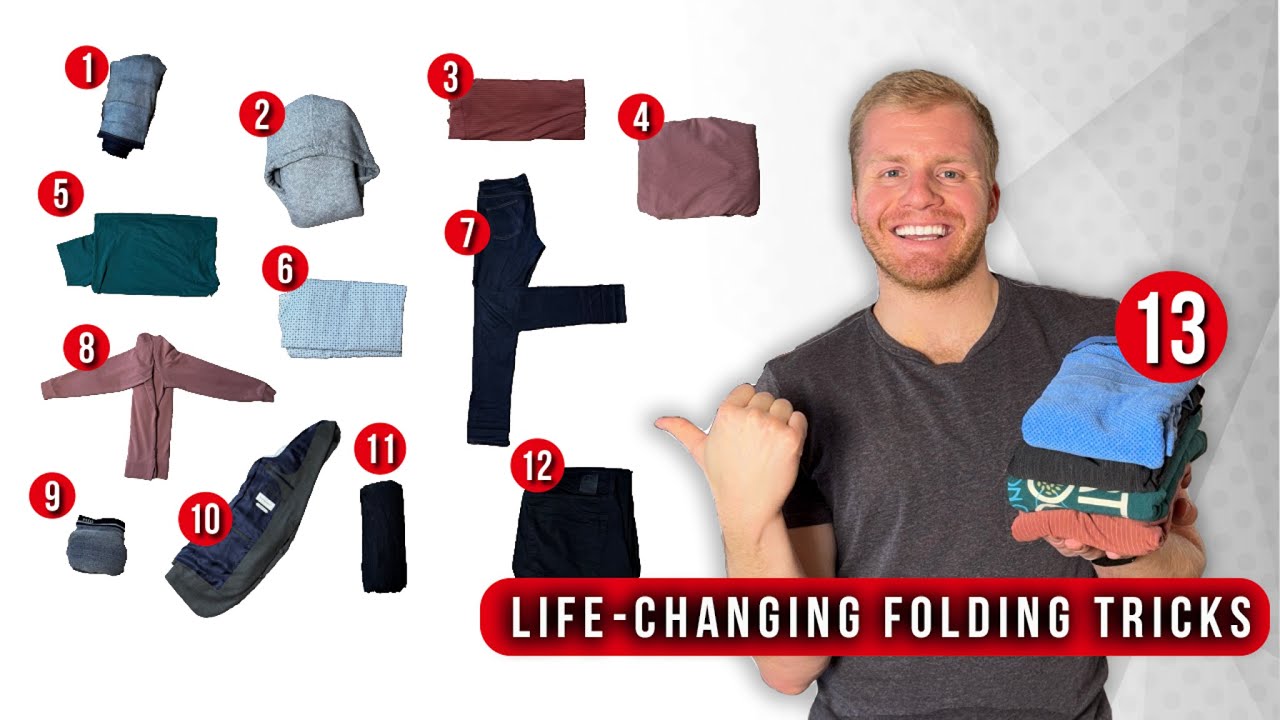
How to Pack Different Types of Clothing
Different fabrics and shapes need different packing methods. Treating every item the same can create wrinkles or waste space.
T-shirts
Lay the shirt flat, fold the sides inward, and roll it from the bottom. Place T-shirts in a row inside a packing cube or suitcase compartment. This lets you see each shirt without unpacking the whole case.
Sweaters
Fold sweaters instead of rolling them tightly. A tight roll can stretch the knit and create bulky bundles. Place heavier sweaters at the bottom and lighter ones on top.
If a sweater is delicate, turn it inside out before folding. Do not hang a knit sweater for long periods before travel because the shoulders may stretch.
Dresses and skirts
Fold dresses lengthwise, then fold them loosely from the bottom. For long dresses, place them flat on top of other clothing. Avoid pressing them under shoes or toiletry bags.
Skirts with pleats should be folded along the pleats. Use a garment folder or tissue paper if the fabric creases easily.
Jackets and blazers
Turn one shoulder of the jacket inside out, then tuck the other shoulder into it. This keeps the outer surface protected and helps the jacket keep its shape.
Fold the jacket once across the middle. If possible, place it on top of the suitcase rather than at the bottom. A dry-cleaning bag can also reduce friction and wrinkles.
Socks and accessories
Roll socks together and place them inside shoes. This uses empty space and helps shoes hold their shape. Keep shoes in bags to protect clean clothing.
Belts can lie around the suitcase edge or inside shirt collars. Small accessories should go into a pouch so they do not disappear between clothing layers.
How to Organize a Suitcase Step by Step
Once you know how to fold clothes for suitcase travel, organization becomes the next priority. A well-packed suitcase should feel balanced, not stuffed.
-
Put shoes in bags and place them near the wheels.
-
Add heavy jeans, trousers, or sweaters beside the shoes.
-
Place rolled casual clothing into open spaces.
-
Add folded shirts and blouses in a flat layer.
-
Pack underwear and small items into gaps or packing cubes.
-
Place delicate clothing near the top.
-
Add a laundry bag for worn clothes.
-
Leave a little space for souvenirs and travel items.
Use the suitcase’s built-in straps when available. Place them over flat layers rather than pulling them tightly across loose clothing. Tight straps can leave marks.
Packing cubes can make clothing easier to sort. They also help compress soft items, but they do not create extra suitcase weight capacity. This matters because airlines usually limit both size and weight.
A simple cube system may include:
• One cube for tops
• One cube for bottoms
• One cube for underwear and sleepwear
• One small pouch for swimwear or accessories
• One laundry bag for worn clothing
Do not fill every gap with small items if you may need to repack during the trip. Leave room for easy access to medication, chargers, documents, and a change of clothes.

How to Prevent Wrinkles in a Suitcase
Wrinkles often come from pressure, friction, moisture, and sharp folds. The goal is not to remove every crease. Instead, reduce the conditions that create deep wrinkles.
These tips can help:
• Pack clothes only when they are clean and dry
• Smooth each garment before folding
• Use loose folds for linen and rayon
• Place fragile fabrics on top
• Avoid overfilling the suitcase
• Use tissue paper between delicate layers
• Remove clothing soon after arriving
• Hang dress clothes in the bathroom while a warm shower runs
Steam can relax light wrinkles, but keep clothing away from direct water. A travel steamer may help, but check fabric care labels first. Some synthetic fabrics can melt or become shiny under high heat.
Spray wrinkle-release products should be tested on a hidden area. They may leave marks on silk, dark colors, or special finishes. When in doubt, use a clean damp cloth and gentle steam instead.
One mistake I often see in packing is folding clothes while they are already wrinkled. A suitcase will not magically smooth them. Press or steam clothing before packing when possible.
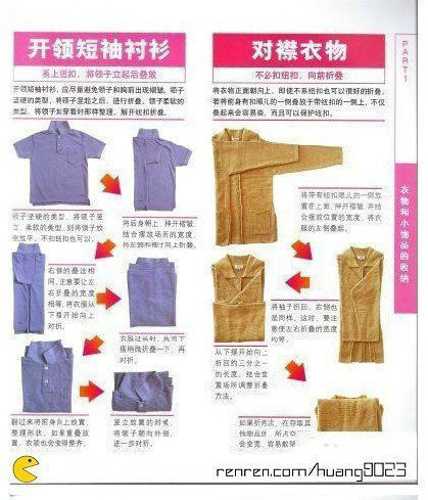
Rolling Clothes vs. Folding Clothes
Rolling and folding both have useful roles. The better choice depends on the garment and the space available.
Rolling is best for:
• T-shirts
• Leggings
• Jeans
• Pajamas
• Athletic clothing
• Soft casual dresses
Folding is best for:
• Button-down shirts
• Blazers
• Sweaters
• Linen clothing
• Pleated skirts
• Structured garments
Bundle packing is useful for:
• Business clothing
• Wrinkle-prone outfits
• Longer trips with fewer packing cubes
Many travelers ask whether rolling always saves more space. It can reduce gaps, but the result depends on how tightly you roll and how much clothing you bring. Compression can also add weight because it encourages you to pack more.
The most effective approach is a hybrid method. Roll soft casual pieces, fold structured garments, and use empty spaces for small items.

Common Suitcase Folding Mistakes
Even good packing methods can fail when the basics are overlooked. Avoiding a few common errors can make your trip much easier.
Packing too much
Overpacking is the main cause of crushed clothing. If you cannot close the suitcase without sitting on it, remove items. A suitcase should close with gentle pressure.
Using one method for every item
Rolling a blazer or tightly folding a sweater may damage its shape. Match the technique to the fabric and garment.
Ignoring weight limits
A suitcase can look organized and still be too heavy. Check your airline’s current baggage rules before leaving. Limits vary by airline, route, ticket type, and cabin.
Placing shoes on clean clothing
Shoes collect dirt and moisture. Always use shoe bags or clean plastic bags. Place them beside the suitcase wheels, where their weight is easier to manage.
Leaving no access layer
Travelers often pack important items at the bottom. Keep medications, travel documents, chargers, and one spare outfit in an easy-to-reach section or personal item.
Forgetting the return trip
A perfect outbound pack may become a difficult return pack after shopping. Leave some space or bring a lightweight foldable bag.

A Simple Packing Plan for Short and Long Trips
For a two- or three-day trip, choose a small set of clothes that share colors and can serve more than one purpose.
A short-trip plan may include:
• Two or three tops
• One pair of pants
• One second bottom
• One sleep outfit
• Three sets of underwear
• One light jacket
• One pair of comfortable shoes
For a week-long trip, plan a small capsule wardrobe instead of seven unrelated outfits. Washable clothing can reduce the number of items you need.
When learning how to fold clothes for suitcase travel, think in outfits rather than categories. An outfit-based plan helps you avoid packing five tops but no suitable bottoms.
For business travel, place the first work outfit near the top. For a beach trip, keep swimwear and sandals easy to reach. For cold weather, wear your coat and pack only lighter layers.
Always consider local customs and activities. A city trip, wedding, hiking vacation, and business conference all require different clothing choices.

Practical Tips for Easier Unpacking
The best suitcase is not only compact. It is also easy to use after arrival.
Keep similar items together. Packing cubes make this simple, but clear bags and small pouches can work too. Labeling cubes can help when traveling with children or sharing luggage.
Place a laundry bag inside the suitcase before you leave. Separate worn clothes each day so clean items stay fresh. This also makes repacking before the return journey much faster.
Take a quick photo of your packed suitcase before closing it. The photo can help you remember where items are located. It may also be useful if you need to identify belongings after a baggage delay.
If you are moving between several hotels, avoid unpacking everything. Keep clothing in cubes and take out only what you need. This turns a suitcase into a portable drawer.
How to fold clothes for suitcase packing is ultimately about control. Neat folds matter, but a clear system matters even more.
Frequently Asked Questions About How to Fold Clothes for Suitcase
Is it better to roll or fold clothes in a suitcase?
Roll soft items such as T-shirts, jeans, pajamas, and workout clothes. Fold structured or wrinkle-prone items such as blazers, dress shirts, sweaters, and linen garments.
How do I fold clothes for a suitcase without wrinkles?
Smooth each garment before folding, use gentle folds, and avoid overpacking. Place delicate items near the top and remove clothing from the suitcase soon after arrival.
Does rolling clothes save more space?
Rolling can reduce gaps and make small spaces easier to use, but it does not always save more space. The result depends on the garment, suitcase shape, and how tightly you pack.
Should I use packing cubes when folding clothes?
Packing cubes can organize clothing and make unpacking easier. They may compress soft items, but they do not increase the suitcase’s weight limit.
How should I pack a dress shirt in a suitcase?
Fasten a few buttons, lay the shirt face down, fold the sleeves inward, and fold the shirt once from the bottom. Place it near the top of the suitcase to reduce pressure.
How do I pack shoes without dirtying my clothes?
Place each pair in a shoe bag or clean plastic bag. Pack shoes near the suitcase wheels and fill the inside with socks or small items.
How can I pack a blazer without ruining it?
Turn one shoulder inside out and tuck the other shoulder into it. Fold the blazer once across the middle and place it near the top of the suitcase.
Conclusion
The most reliable way to fold clothes for suitcase travel is to use a mix of methods. Roll soft casual clothing, fold structured pieces, protect delicate fabrics, and place heavy items near the wheels. Planning outfits and leaving a little space will make packing and unpacking much easier.
Start by laying out your clothes, removing items you do not need, and choosing the right fold for each garment. With a few trips of practice, your suitcase will feel less like a stuffed drawer and more like a well-organized travel kit. Try these methods on your next trip, then share the packing tip that worked best for you.

Zayden Halbrook is a travel enthusiast and gear researcher passionate about making every journey smoother and more enjoyable. With a keen eye for practical travel essentials and real-world tips, he helps readers choose the right gear and travel smarter. When he’s not testing travel kits or exploring new destinations, Zayden shares simple, reliable advice to make every trip stress-free.