Most backpacks are made of nylon, polyester, canvas, leather, mesh, foam, and plastic hardware.
If you have ever wondered what are backpacks made of, the answer depends on the bag’s purpose. A school backpack needs comfort and low cost, while a hiking pack needs strong fabric, water resistance, and smart support. This guide explains each material, its strengths, its limits, and how to choose the right backpack for daily life.
What Are Backpacks Made Of?
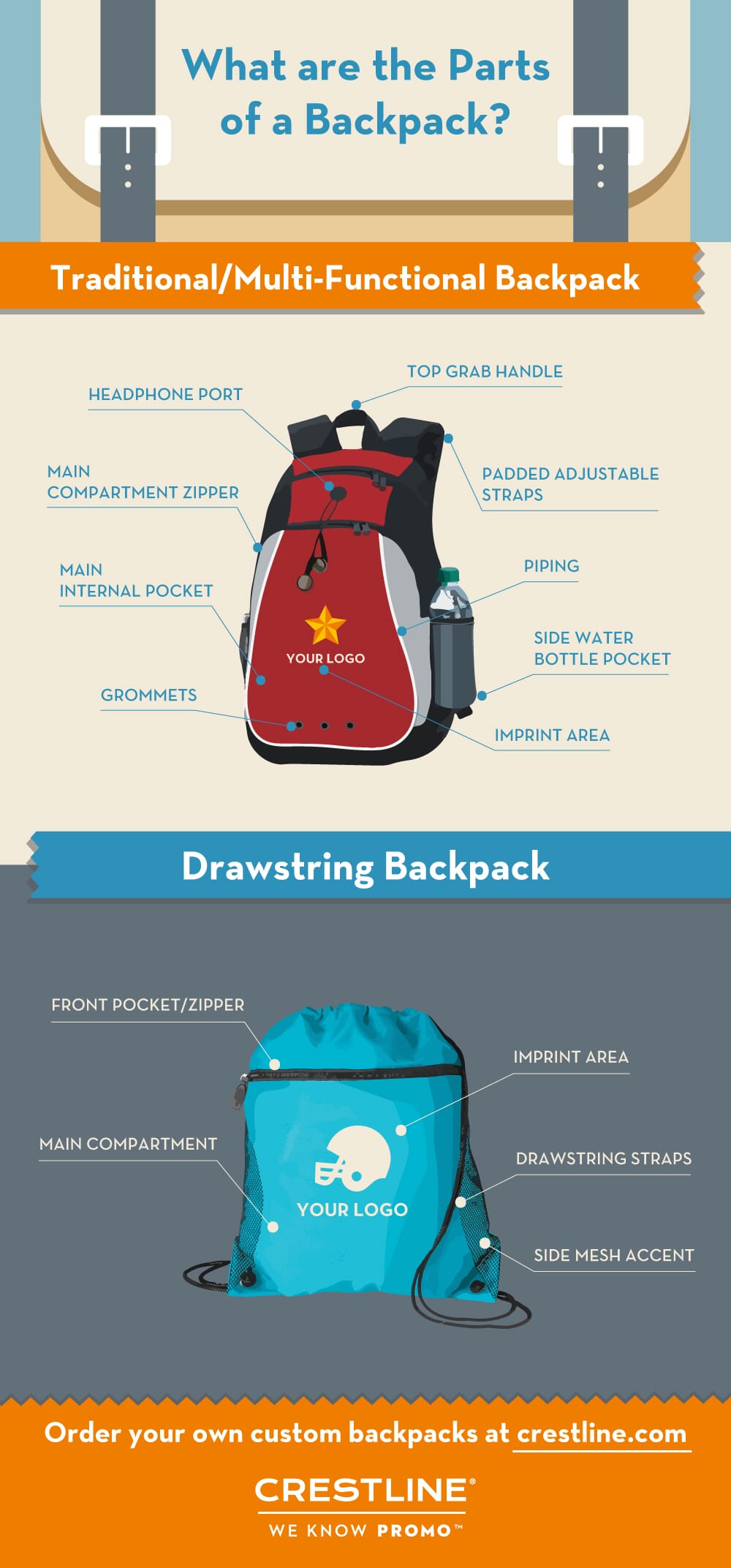
Most backpacks use more than one material. The main fabric forms the body, while foam, mesh, thread, zippers, buckles, and coatings add comfort and strength.
When people ask what are backpacks made of, they often expect one simple answer. In reality, a backpack is more like a small system. Each part has a job, much like the parts of a car.
Common backpack materials include:
• Nylon for strength and abrasion resistance
• Polyester for value, color, and everyday use
• Canvas for a classic, sturdy feel
• Leather for style and long-term wear
• Mesh for airflow and stretch
• Foam for padding
• Polyurethane or thermoplastic coatings for water resistance
• Plastic or metal for buckles, clips, and zippers
A bag may also use recycled plastic fibers, organic cotton, waxed fabric, or high-performance laminates. The final design depends on price, weight, climate, and intended use.

Nylon: A Strong and Popular Backpack Material
Nylon is one of the most common answers to what are backpacks made of. It is a synthetic fiber made from a type of plastic polymer. Manufacturers spin the polymer into fine threads and weave those threads into fabric.
Nylon is valued for its high strength-to-weight ratio. A thin nylon bag can carry a fair load without feeling heavy. It also handles rubbing well, which matters when a backpack slides across floors, car trunks, and rough ground.
Types of nylon used in backpacks
Several nylon fabrics appear in backpack construction:
• Standard nylon offers a light and smooth surface for school and travel bags.
• Ballistic nylon uses a dense weave and resists heavy abrasion.
• Cordura-style nylon is known for tough, textured fabric.
• Ripstop nylon uses reinforced threads in a grid pattern to help stop small tears.
• Recycled nylon uses recovered plastic waste instead of only new raw material.
Ripstop does not mean tear-proof. A sharp branch or overloaded seam can still damage it. However, the grid can help keep a small cut from spreading across the whole panel.
Nylon can absorb some moisture, but the fibers alone do not make a backpack waterproof. A coating, rain cover, sealed seam, or waterproof liner is often needed.
Benefits and limits of nylon
Nylon works well for hiking packs, laptop bags, school bags, and travel backpacks. It is strong, flexible, and often lighter than canvas or leather.
Its main limits are sunlight damage, possible color fading, and a higher price for premium grades. Some nylon fabrics also feel thin or slippery, so the weave and thickness matter as much as the fiber itself.
Polyester: Affordable and Versatile
Polyester is another major answer to what are backpacks made of. Like nylon, it is a synthetic fiber made from plastic-based polymers. It is common in school backpacks, promotional bags, gym bags, and low-cost luggage.
Polyester has good resistance to sunlight and many common chemicals. It also keeps its shape well and usually costs less than high-end nylon. These traits make it a practical choice for daily use.
Why brands choose polyester
Manufacturers often choose polyester because it:
• Holds bright colors well
• Resists stretching
• Dries fairly quickly
• Offers consistent quality at a lower cost
• Can be made from recycled plastic bottles
Polyester is not automatically weak. A thick, tightly woven polyester fabric may outlast a thin nylon fabric. The denier, weave, coating, and stitching all affect performance.
Denier describes the thickness of the fibers or yarn. A higher denier often means a heavier fabric, but it does not tell the whole story. A 600-denier polyester bag may perform differently from a 600-denier nylon bag because the fibers and weave are not the same.
Polyester compared with nylon
Nylon usually offers better strength and abrasion resistance for its weight. Polyester often offers better sunlight resistance and a lower price.
For an office commute, either material may work well. For rough trails or heavy travel, look beyond the fiber name. Check the fabric thickness, base reinforcement, seams, zippers, and warranty.

Canvas, Cotton, and Waxed Fabric
Canvas is a woven fabric that traditionally uses cotton, though modern canvas may blend cotton with polyester or other fibers. It has a firm feel and a classic look, which is why it remains popular for school bags, work bags, and casual travel packs.
Cotton canvas can be very tough when it is heavy and tightly woven. It also feels natural and can soften with age. Many people like the way canvas develops character instead of looking the same forever.
Still, canvas has limits. Untreated cotton can absorb water, dry slowly, and become heavy when wet. It may also need more care than synthetic fabric.
Waxed canvas
Waxed canvas has a water-resistant wax layer on the surface. The wax helps rain bead up instead of soaking in at once. Over time, the fabric may show folds and marks that give it a worn, personal look.
Waxed canvas is water resistant, not always waterproof. Heavy rain can still push water through seams, worn spots, or the fabric itself. Reapplying wax may help, but care instructions vary by product.
When canvas makes sense
Canvas is a good choice when you want:
• A sturdy, traditional appearance
• A bag that can age attractively
• A firm fabric with little stretch
• A material that may be easier to repair
Canvas may not be ideal for long hikes in wet weather. It can also feel heavier than nylon or polyester when the bag is empty.

Leather Backpacks: Durable but Heavier
Leather is a natural material made from animal hide. It has been used for bags for centuries because it can be strong, flexible, and attractive. A well-made leather backpack may last for many years with proper care.
Leather quality varies widely. Full-grain leather keeps the outer surface of the hide and often develops a rich patina. Top-grain leather is usually sanded or corrected to create a more even finish. Split leather comes from lower layers and may receive a coating or finish.
Strengths of leather
Leather can offer:
• A polished appearance
• Good resistance to everyday wear
• A comfortable feel as it softens
• Long service life when maintained
Leather also has drawbacks. It is often heavier and more expensive than fabric. It may stain, scratch, dry out, or react poorly to prolonged moisture. Some finishes also crack when exposed to heat or harsh cleaning products.
A leather backpack is best for office use, short commutes, and style-focused travel. It may not be the best choice for long-distance hiking or very wet climates.
If animal welfare or environmental impact matters to you, check how the leather was sourced and finished. Vegan leather is an alternative, but its performance depends on the material beneath the surface.

Mesh, Foam, and Interior Backpack Materials
The answer to what are backpacks made of includes more than the outer shell. The inside materials affect comfort, organization, and protection.
Mesh panels
Mesh is often made from polyester or nylon. It appears on shoulder straps, back panels, side pockets, and water bottle holders.
Mesh helps air move around your back. It can reduce the hot, damp feeling that many people notice during summer commutes or long walks. However, open mesh can snag more easily than solid fabric.
Foam padding
Backpacks use foam in shoulder straps, hip belts, back panels, and laptop sleeves. Common foams include:
• Polyethylene foam for firm, light padding
• Ethylene-vinyl acetate foam for cushioning
• Polyurethane foam for flexible comfort
Foam does not carry the load by itself. It spreads pressure and keeps hard objects from pressing directly against your body.
A thin foam layer may feel fine in a store but become uncomfortable after an hour. When testing a bag, place weight inside it and walk around. Comfort under a real load matters more than comfort when the bag is empty.
Liners and dividers
The inner lining may use polyester, nylon, cotton, or a thin coated fabric. Laptop compartments often add foam, fleece, or soft brushed fabric to reduce scratches.
Some bags use light-colored liners. These make it easier to find small items, even though they may show dirt sooner.
Zippers, Buckles, Thread, and Reinforcement
When considering what are backpacks made of, do not ignore the small parts. Hardware often fails before the main fabric does.
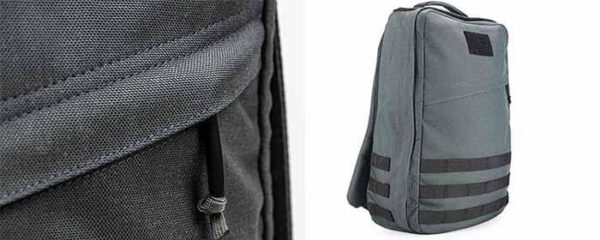
Zippers may use nylon coils, molded plastic teeth, or metal teeth. A zipper that feels smooth and stays aligned is usually a better sign than a large brand label alone. Water-resistant zippers can help block rain, but they do not always create a fully waterproof bag.
Buckles and adjusters are usually made from plastic. Strong thermoplastic materials can handle repeated stress, while cheap plastic may become brittle in cold weather or after years in the sun.
Thread also matters. A strong fabric can fail if the thread is weak or the stitching is poorly placed. Look for:
• Double stitching at shoulder strap anchors
• Box-and-cross stitching at high-stress points
• Reinforced fabric at the base
• Smooth seams without loose threads
• Bar tacks near handles and strap connections
The bottom of a backpack deserves special attention. It often touches dirty floors, wet ground, and sharp edges. A reinforced base can greatly improve service life.
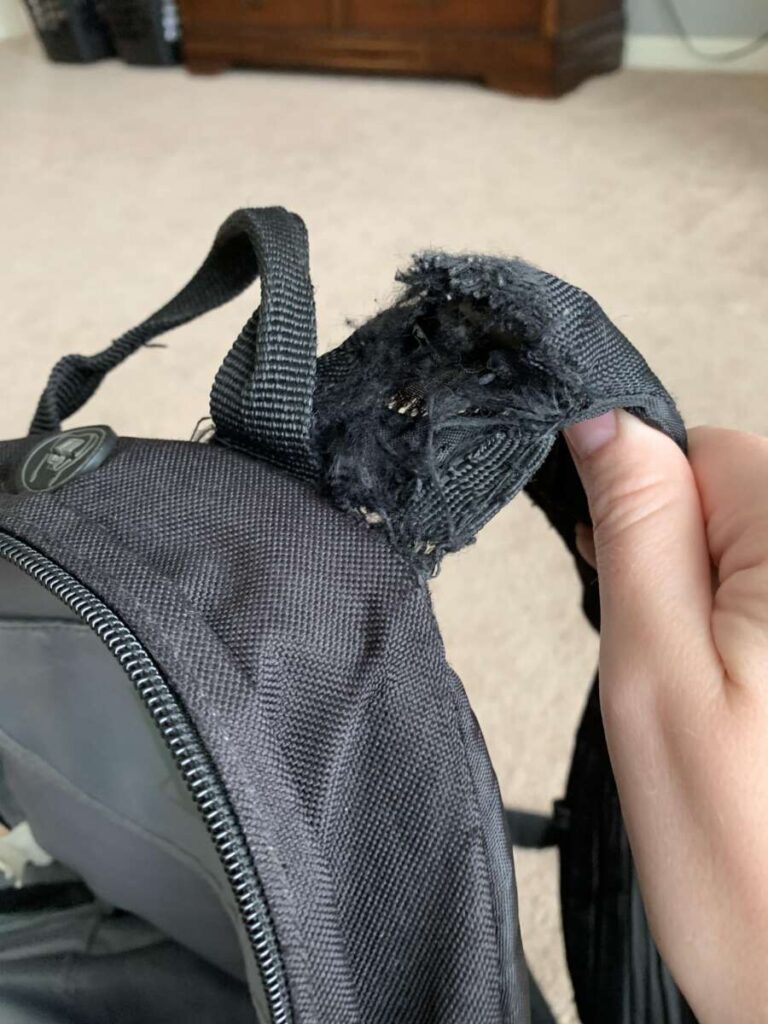
One lesson from inspecting and comparing bags is simple: never judge a backpack by fabric alone. I have seen thick-looking bags fail at a thin strap seam, while a lighter bag remained useful because its stress points were reinforced.

Waterproof and Water-Resistant Backpack Materials
Many shoppers ask what are backpacks made of when they need protection from rain. The important detail is that water resistance comes from the whole design, not just the fabric fiber.
A backpack may resist water through:
• A tightly woven fabric
• A polyurethane coating
• A thermoplastic polyurethane laminate
• A silicone treatment
• A storm flap over the zipper
• Water-resistant zippers
• Taped or sealed seams
Water-resistant fabric may keep light rain out for a short time. Waterproof construction aims to block water more fully, often through coated fabric and sealed seams.
Even a waterproof material can leak through an unprotected zipper or needle hole. For electronics, use a dry bag or protective sleeve inside the backpack during heavy rain. This adds a second layer of safety.
Waterproof coatings can wear away through friction, washing, and folding. Follow the care label. Avoid strong bleach and high heat unless the manufacturer specifically allows them.
Recycled and Sustainable Backpack Materials
Recycled polyester and recycled nylon are now common in backpack production. Recycled polyester often comes from used plastic bottles. Recycled nylon may come from discarded fishing nets, industrial waste, or other recovered materials.
These fabrics can reduce the need for new petroleum-based inputs. However, recycled does not mean impact-free. Manufacturing still uses energy and water, and every backpack eventually becomes waste unless it is reused or recycled.
A more sustainable backpack is often one that lasts longer. A durable bag used for ten years may be a better choice than several low-cost bags replaced every year.
When comparing environmental claims, look for clear details:
• The percentage of recycled content
• Whether the claim applies to the whole bag or one panel
• Repair services and warranty terms
• Responsible chemical management
• Packaging and end-of-life guidance
Some fabrics use fluorinated treatments to improve water or stain resistance. These chemicals have raised environmental concerns, so shoppers may prefer products that clearly state they are made without certain fluorinated finishes.
No single material wins every sustainability test. Longevity, repairability, production methods, and how often you use the bag all matter.

How to Choose the Right Backpack Material
The best answer to what are backpacks made of depends on how you plan to use the bag. Start with your daily needs instead of choosing a material because it sounds premium.
For school or college
Choose polyester or nylon with:
• Padded shoulder straps
• A protected laptop sleeve
• A reinforced bottom
• Easy-clean fabric
• Strong zippers
A medium-weight fabric is usually enough for books, a tablet, and lunch.
For hiking and outdoor travel
Choose durable nylon or a tough polyester blend. Look for a supportive frame, breathable mesh, water-resistant construction, and a rain cover.
Fabric alone cannot make a hiking backpack comfortable. Weight distribution, hip-belt design, and torso adjustment are just as important.
For business travel
Nylon, polyester, leather, and hybrid designs can all work. Focus on laptop protection, luggage pass-through panels, smooth zippers, and a clean layout.
For wet weather
Choose coated fabric, covered zippers, and sealed seams. If the product only says “water resistant,” do not assume it can protect electronics during a storm.
For low-impact shopping
Consider recycled fabric, repair options, long warranties, and timeless design. The most sustainable backpack is often the one you will keep using.
How to Care for Different Backpack Materials
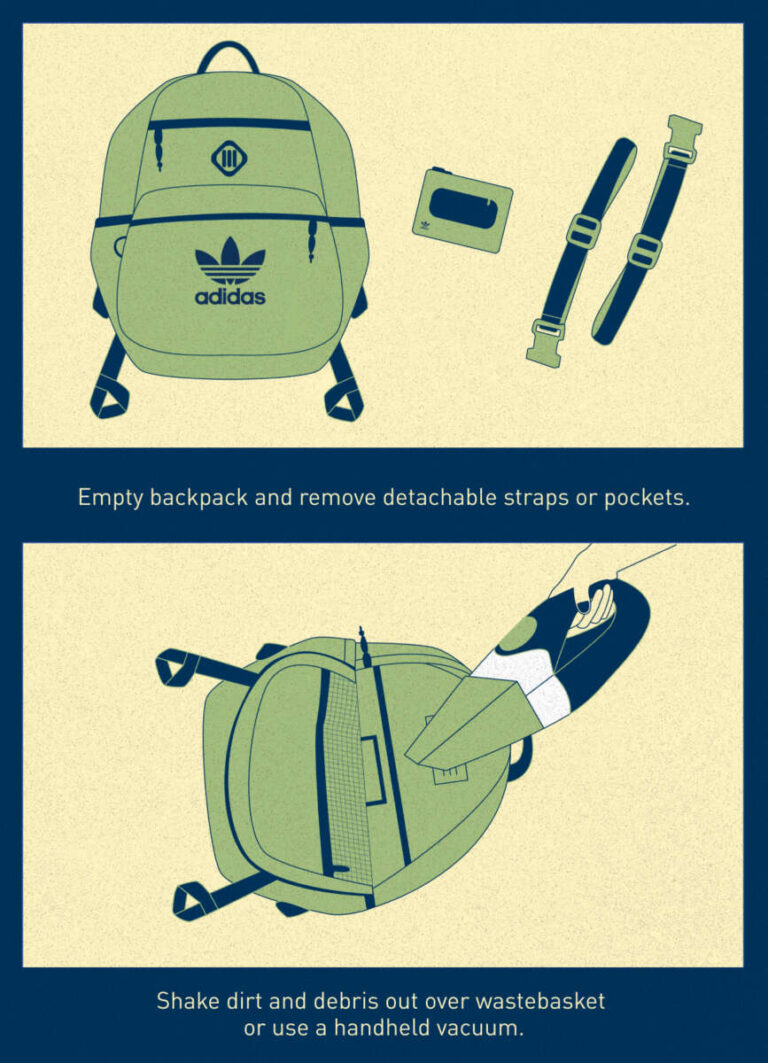
Good care can extend the life of almost any backpack. Before cleaning, remove all items and check the care label. Test any cleaner on a hidden area first.
For nylon and polyester:
• Brush off loose dirt
• Wipe with mild soap and cool water
• Rinse with a clean damp cloth
• Air-dry fully with every pocket open
For canvas:
• Spot-clean first
• Avoid soaking unless the label permits it
• Keep it away from high heat
• Reapply wax only when the care instructions allow it
For leather:
• Use a leather cleaner made for that finish
• Apply conditioner sparingly
• Keep it away from direct heaters
• Store it in a dry, ventilated place
Avoid putting a structured backpack in a washing machine unless the manufacturer says it is safe. Machine movement can bend foam, damage coatings, and strain the seams.
Do not store a damp bag. Moisture trapped inside can lead to mildew and unpleasant odors. Empty crumbs and dirt often, since grit can wear down fabric and zippers from the inside.
Frequently Asked Questions About What Are Backpacks Made Of
What is the most common material used in backpacks?
Polyester and nylon are the most common materials used in modern backpacks. Polyester is often more affordable, while nylon usually offers a stronger feel for demanding use.
Are backpacks made of waterproof material?
Some backpacks use waterproof or highly water-resistant materials, but many only resist light rain. The fabric, coating, zipper design, and seam construction all affect water protection.
Is nylon better than polyester for a backpack?
Nylon is often better for abrasion resistance and strength at a lower weight. Polyester can offer good sunlight resistance and a lower price, so the better choice depends on the backpack’s purpose.
Are canvas backpacks durable?
Yes, heavy canvas can be very durable and may last for years. However, untreated canvas can absorb water and may weigh more than nylon or polyester.
What are leather backpacks made of?
Leather backpacks are made from animal hide that has been cleaned, treated, and finished. The quality depends on the leather grade, tanning process, stitching, lining, and hardware.
Are recycled backpacks as strong as regular backpacks?
Recycled nylon and polyester can provide strong performance when they are well made. Strength depends on the fabric weight, weave, coating, stitching, and overall construction rather than recycled content alone.
How can I tell if a backpack is well made?
Check the seams, strap anchors, zipper action, base reinforcement, padding, and fabric weight. A good backpack should feel balanced and should not show loose threads or stress around the handles.
Conclusion
Backpacks are made from a mix of materials, not one universal fabric. Nylon and polyester suit most daily and outdoor needs, canvas offers a sturdy classic feel, and leather provides style with added weight and care needs. Foam, mesh, coatings, zippers, buckles, and reinforced stitching are just as important as the main fabric.
The best backpack is the one that matches your load, climate, comfort needs, and expected lifespan. Check the construction, not just the label, and choose a bag you can maintain and use for years. Explore more gear guides, compare materials carefully, and share your own backpack experience in the comments.

Zayden Halbrook is a travel enthusiast and gear researcher passionate about making every journey smoother and more enjoyable. With a keen eye for practical travel essentials and real-world tips, he helps readers choose the right gear and travel smarter. When he’s not testing travel kits or exploring new destinations, Zayden shares simple, reliable advice to make every trip stress-free.