Start small: plan your route, pack light, buy flexible tickets, and stay curious.
I’ve backpacked across Europe many times, and I’ll walk you through how to backpack through Europe with clear, practical steps. This guide covers planning, budget, visas, packing, routes, safety, and real tips from the road. You’ll get route examples, checklist items, and honest lessons learned so you can travel smarter and enjoy more. Read on to turn the idea of how to backpack through Europe into a confident, memorable trip.

Before You Go: Planning and research
Decide what kind of trip you want. Are you seeing big cities, nature, or local towns? Pick a season and a starting point. Shorter distances mean less travel stress. Longer hops need tighter budgets.
Check visa rules early. Many travelers will use the Schengen area rules, which cover 26 countries and limit stays to 90 days in 180. If your passport needs a visa, apply well ahead. Book refundable tickets or flexible fares when possible.
Set travel goals that match your pace. I once tried to visit nine capitals in three weeks and burned out fast. A better plan is 2–4 nights per stop for a relaxed vibe. This is core to how to backpack through Europe: choose rhythm over rush.
Budgeting and money
Estimate daily costs for the countries you’ll visit. Western Europe costs more than Eastern Europe. Typical budgets:
- Budget traveler — 30–60 USD per day — hostels, street food, regional buses.
- Mid-range traveler — 80–150 USD per day — budget hotels, some dining out, trains.
- Comfortable traveler — 200+ USD per day — private rooms, local flights, guided tours.
Save money with these tactics:
- Book overnight trains or buses to save on accommodation.
- Cook at hostels or shop at markets.
- Use city tourist cards for free attractions and transport.
I tracked expenses per city in a simple spreadsheet. It helped me cut a surprise 20% overrun on a one-month trip.
Visas, documents, and insurance
Know the visa rules for every country on your list. The Schengen rule is common, but other nations have separate rules. Always verify entry requirements for your nationality.
Carry digital and paper copies of important documents:
- Passport copy — keep one in your email and one in a separate bag.
- Travel insurance policy — include medical and evacuation.
- Emergency contacts — local embassy phone, next-of-kin.
Buy travel insurance that covers medical treatment and theft. I used a plan that included trip interruption and avoided a big bill after a minor injury. Good insurance is essential for how to backpack through Europe responsibly.
Packing smart: gear and clothing
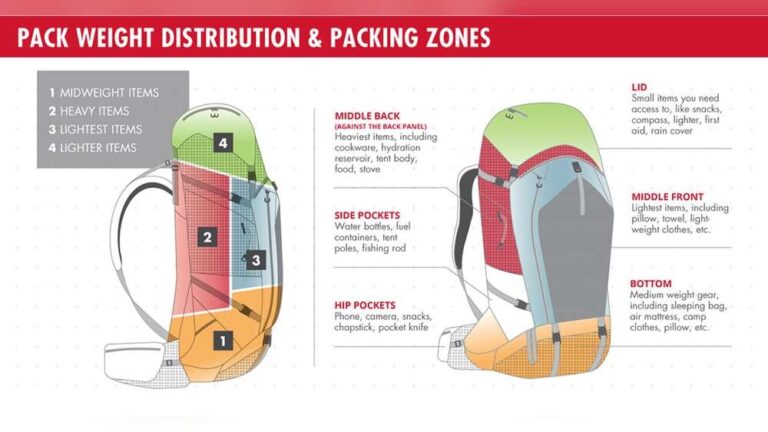
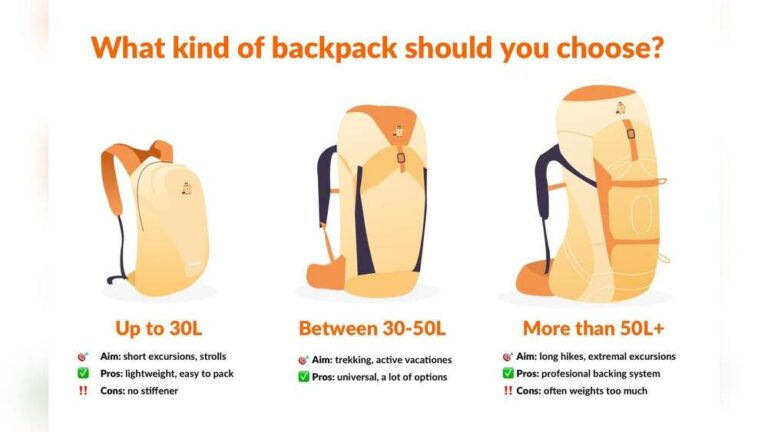
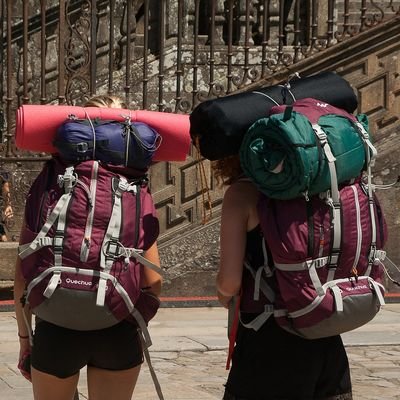
Pack light and multi-use. Aim for a 35–45L pack if you want mobility. Focus on comfort and layers for changing weather.
Core packing list:
- Backpack — lightweight support and rain cover.
- Clothing — 3 shirts, 2 pants, 1 warm layer, waterproof jacket.
- Shoes — comfortable walking shoes and one lighter pair.
- Essentials — travel towel, reusable water bottle, small first-aid kit, power bank.
- Documents — passport, cards, printed reservations.
Bring plugs and adapters for Europe’s sockets. I learned to bring a small clothesline and quick-dry shirt; laundry becomes easy and saves space. Packing well is a big part of how to backpack through Europe without stress.
Getting around: trains, buses, flights, and rideshares
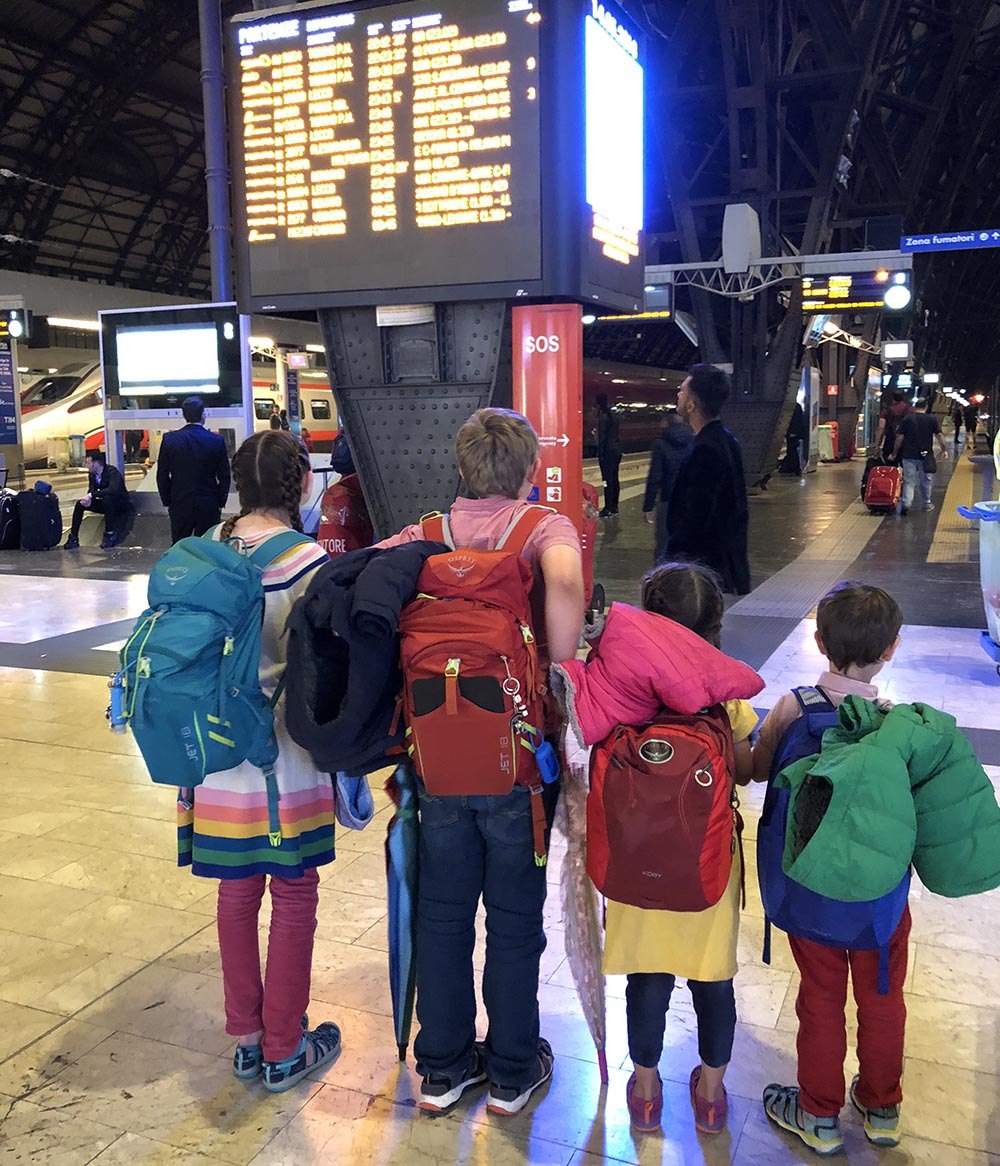
Use trains for scenic comfort. Regional trains are frequent and easy. Book international or high-speed trains early for discounts.
Buses are the cheapest for long distances. Companies offer night routes that save accommodation costs. Low-cost carriers can be fast for long legs, but factor in baggage fees and airport transfers.
For flexibility:
- Consider rail passes if you travel long distances by train.
- Use regional bus networks for budget legs.
- Book selective flights when time is limited.
I prefer a mix: trains inside countries, buses for cheap links, and a flight when island hopping. Knowing this mix helps with practical how to backpack through Europe decisions.
Where to stay: hostels, guesthouses, and alternatives
Choose accommodation by vibe and budget. Hostels are great for meeting people and saving money. Private rooms in hostels or guesthouses give privacy when needed.
Accommodation options:
- Hostels — social, affordable, book well-rated spots.
- Budget hotels — good for shorter stays in expensive cities.
- Short-term rentals — best for longer stays or groups.
- Couchsurfing or house-sitting — low cost, cultural immersion.
I once stayed three nights with a host family and learned local tips that guidebooks missed. Staying local makes the trip richer and supports the local economy—key parts of how to backpack through Europe meaningfully.
Safety, health, and local laws
Stay safe by being aware, not fearful. Keep belongings secure and avoid isolated areas at night. Use locks for luggage and a money belt for passports and cards.
Health tips:
- Get routine vaccines up to date.
- Carry any prescriptions with their generic names.
- Drink treated water where cautioned and pack rehydration salts.
Respect local rules and customs. Laws and norms can vary widely from one country to another. A small cultural misstep can cost a lot of hassle. Practicing basic local etiquette is vital to how to backpack through Europe respectfully.
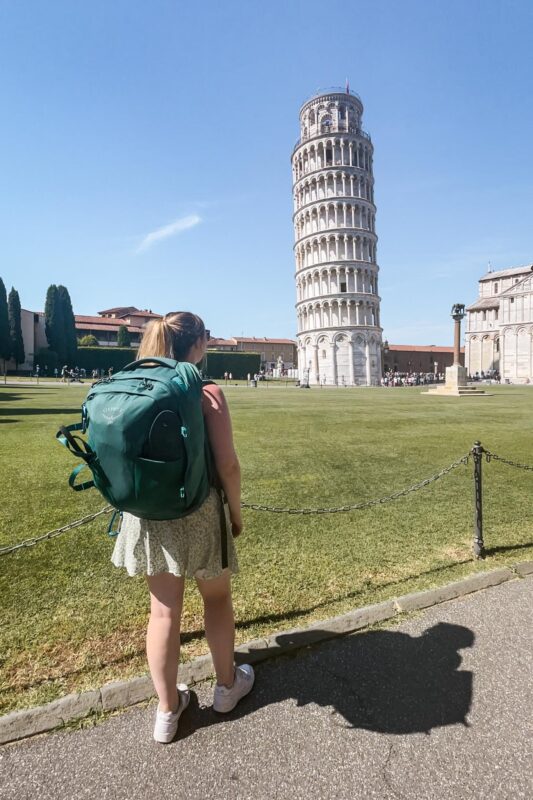
Sample itineraries and route ideas
Short trip (10–14 days)
- Start: Amsterdam — 3 days exploring canals and museums.
- Middle: Berlin — 3 days for culture and nightlife.
- End: Prague — 3–4 days for architecture and local eats.
Slow travel (one month)
- Start in Portugal — Lisbon and Porto.
- Move to Spain — coastal towns and Basque cuisine.
- Cross to France and Italy at a relaxed pace.
Budget-friendly East route
- Budapest — Bucharest — Sofia — Belgrade — Sarajevo.
These routes illustrate practical ways of how to backpack through Europe depending on time and budget.
Practical local tips and cultural etiquette
Learn a few local phrases — “please,” “thanks,” and “hello.” Simple words open doors and smiles. Check local tipping customs; many European countries include service charges or tip modestly.
Use local markets and bakeries for cheap, fresh meals. Walk or rent a bike to experience cities like a local. Ask hostel staff for neighborhood tips — they’re often more helpful than guidebooks.
From my trips: a tiny language effort once got me invited to a family dinner. Small cultural gestures turn trips into memories and are central to how to backpack through Europe well.
PAA-style quick questions
Do I need a rail pass to travel around Europe?
A rail pass can save money if you plan many train trips across borders. For one or two long journeys, point-to-point tickets are usually cheaper.
Is Europe safe for solo backpackers?
Most parts of Europe are safe for solo travelers, especially in well-known tourist areas. Common-sense precautions and situational awareness keep you safe.
How do I stay connected without high roaming fees?
Buy a local SIM or an EU-wide eSIM plan for data. Many hostels and cafes also offer free Wi-Fi for quick check-ins.
Personal lessons and mistakes to avoid
Pack fewer shoes. I overpacked footwear and regretted the weight. Book at least the first two nights in a new city. Arriving without plans once left me stranded in a holiday peak season.
Keep a flexible mindset. A missed train can lead to a great side trip. Budget for contingency days. I always reserve a small emergency fund. These lessons shaped my approach to how to backpack through Europe more enjoyably and with less stress.
Frequently Asked Questions of how to backpack through europe
How long should I backpack through Europe for a first trip?
A first backpacking trip of two to four weeks is ideal to get a feel for pace and logistics. It allows you to visit several regions without constant rush.
Which countries are best for budget backpackers?
Eastern European countries like Poland, Romania, and Bulgaria are very budget-friendly. Portugal and parts of Spain also offer good value on a mid-range budget.
Can I travel between countries without showing passport in Europe?
Schengen-area travel often has no routine border checks, but you must carry your passport or ID at all times. Border rules can change, so keep documents handy.
What is the cheapest way to travel between major cities?
Long-distance buses and night trains usually offer the cheapest fares. Booking early online often yields the best prices.
How do I avoid tourist scams while backpacking?
Research common scams in each destination and stay skeptical of overly friendly strangers offering deals. Use official ticket booths and confirmed apps for bookings.
Conclusion
Backpacking through Europe is about planning smart, packing light, and staying open to new experiences. Focus on pace, safety, and local connections to get the most out of your trip. Use the practical tips in this guide to build an itinerary that fits your budget and curiosity.
Go plan one small route, book the first few nights, and take a single step outside your comfort zone. Share your travel plans or questions below, subscribe for more trip guides, or leave a comment about your favorite European memory.

Zayden Halbrook is a travel enthusiast and gear researcher passionate about making every journey smoother and more enjoyable. With a keen eye for practical travel essentials and real-world tips, he helps readers choose the right gear and travel smarter. When he’s not testing travel kits or exploring new destinations, Zayden shares simple, reliable advice to make every trip stress-free.