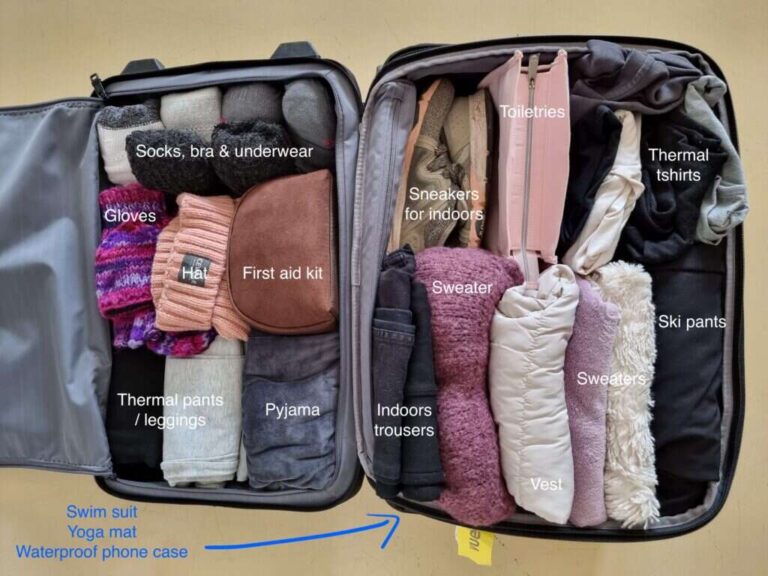

Yes, you can usually check a sturdy box as luggage if it meets your airline’s size, weight, and packing rules.
Many travelers use cardboard boxes for books, gifts, sports gear, clothing, and household items. The process can save money and give you more packing space, but a box is not as durable as a suitcase. After years of reviewing airline baggage rules and helping travelers plan trips, I know the small details matter. This guide explains when you can check a box as luggage, how to pack it, what it may cost, and which mistakes can cause trouble at the airport.
Can I Check a Box as Luggage?
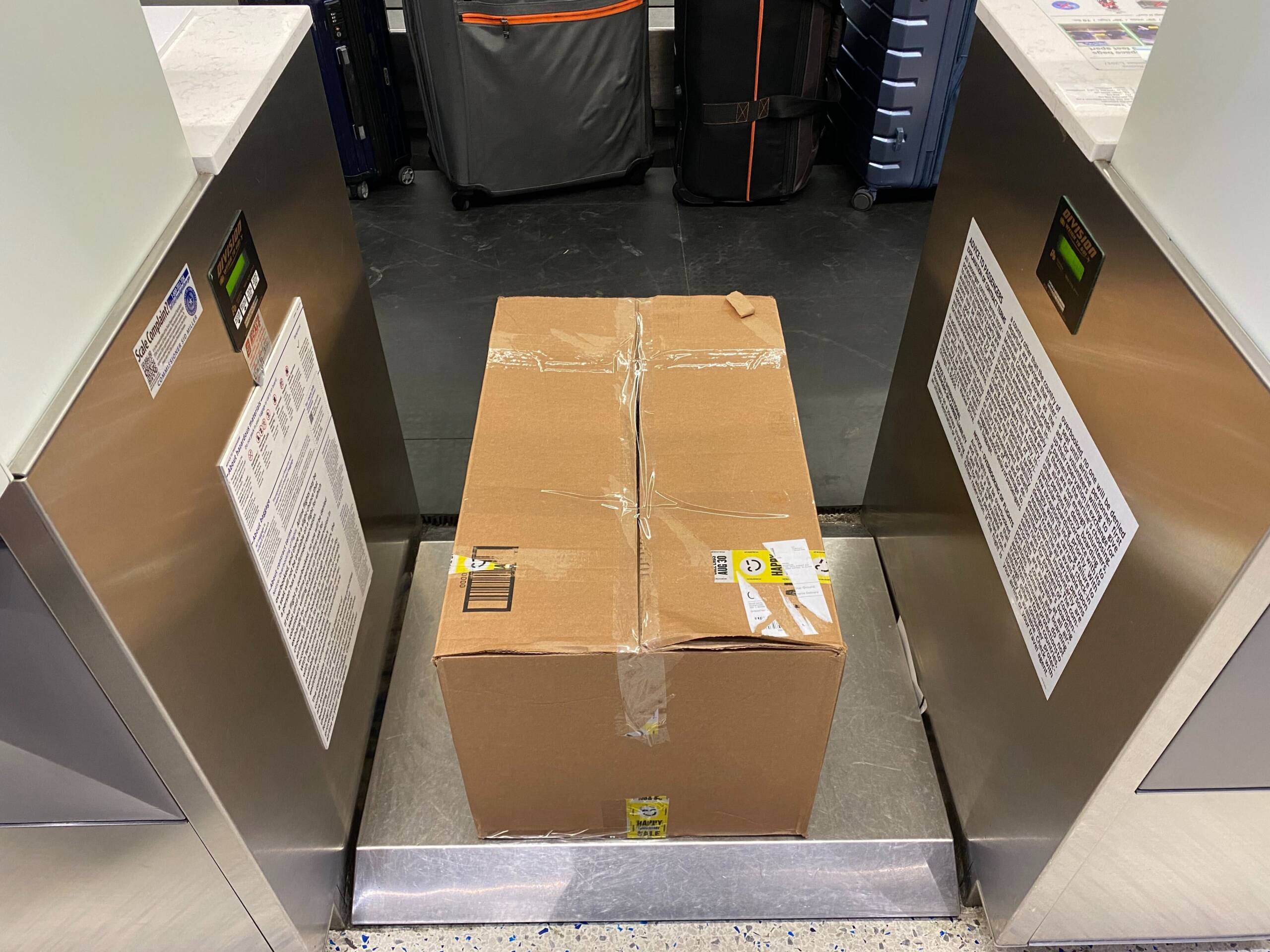
Yes, most airlines allow passengers to check a box instead of a suitcase. Airlines usually care about the box’s total size, weight, strength, and contents—not whether it looks like traditional luggage.
A box must be suitable for normal baggage handling. It may be moved by conveyor belts, placed under other bags, and loaded into an aircraft hold. A weak box can split open before it reaches your destination.
Before packing, check your airline’s baggage page. Rules vary by airline, route, ticket type, and aircraft. A box may count as one checked bag, but it may also trigger an oversize, overweight, or special handling fee.
In the United States, many airlines use these common limits:
• Weight: Often 50 pounds for standard checked bags
• Size: Often 62 linear inches, calculated as length + width + height
• Number of bags: Based on your fare, loyalty status, route, and airline
For example, a 28 × 20 × 14-inch box measures 62 linear inches. It may fit the standard size limit if it also stays under the airline’s weight limit.

Why Travelers Check Boxes Instead of Suitcases
A box can be a smart choice for certain items. It is often cheaper to buy than a large suitcase, and it can hold items with unusual shapes.
Common reasons to check a box include:
• Moving to a new home
• Packing books, clothing, or shoes
• Sending gifts to family
• Carrying sports equipment
• Transporting small household items
• Packing bulky but light belongings
• Avoiding the cost of buying another suitcase
A cardboard box also gives you flexible space. You can choose a box that fits your items instead of forcing everything into a rigid suitcase.
However, boxes have limits. They can tear, get wet, or collapse. They also attract more attention if they are poorly sealed or covered in old shipping labels.
I once helped a traveler prepare a box of winter clothes for a long move. The first box was too large and nearly empty, so the clothing shifted inside. A smaller, tightly packed box was safer and easier for the airline to accept. The lesson is simple: a compact box is usually better than a large box with empty space.
What Kind of Box Can You Check?
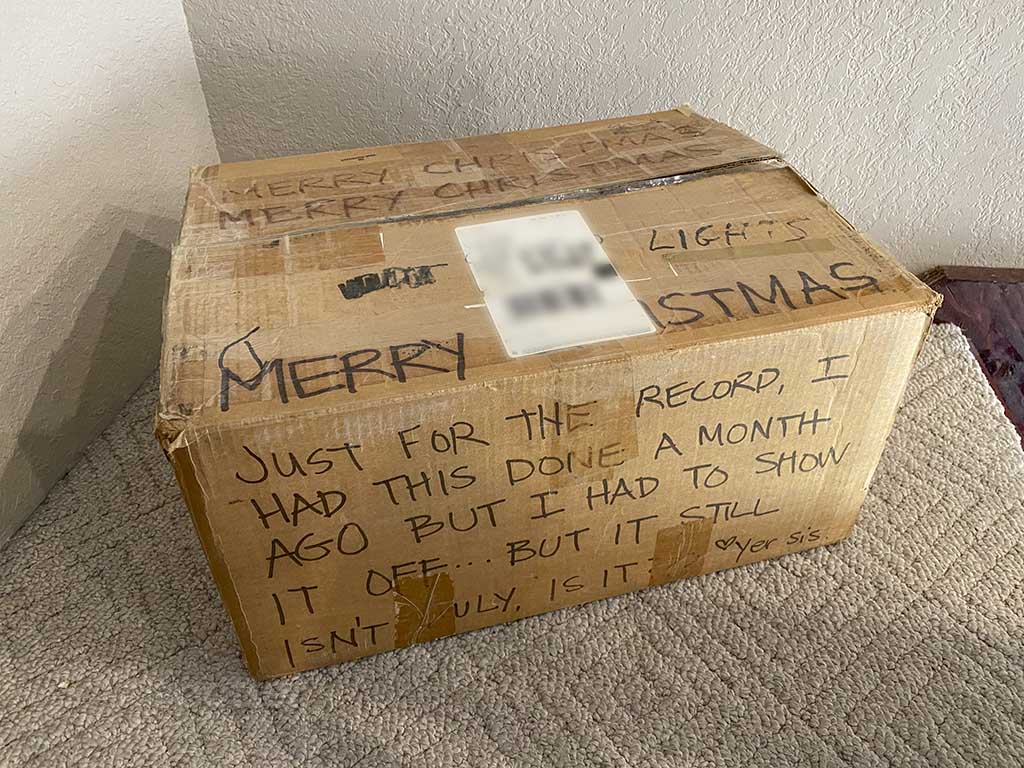
The best box is clean, strong, and made from thick corrugated cardboard. A new moving box or heavy-duty shipping box is usually safer than a thin grocery box.
Choose a box that:
• Has no holes, soft spots, or crushed corners
• Fits your items with little empty space
• Has flaps that close flat
• Can support the total weight
• Has a surface for baggage tags
• Is easy to lift and carry
Avoid boxes that previously held fragile food, chemicals, or leaking products. Old labels can confuse baggage staff and make your package look suspicious.
A plastic storage bin may also work, but airline rules differ. Some airlines accept hard containers, while others may require special packaging for certain items. If you use a bin, secure the lid with strong straps rather than relying only on a loose snap lid.
A bicycle box, golf equipment box, and television box may have special rules. Oversized sports gear can cost more and may need to go to a special baggage counter.

How to Pack a Box for Checked Baggage
Packing a box for air travel is different from packing one for a delivery truck. Your box must survive movement, pressure, and changes in handling.
Follow these steps:
-
Choose the smallest strong box that fits your items.
-
Add a layer of cushioning to the bottom.
-
Wrap fragile items separately with clothing, bubble wrap, or packing paper.
-
Keep heavy objects near the bottom and center.
-
Fill empty spaces so items cannot slide.
-
Place a copy of your name, phone number, and destination inside the box.
-
Close every flap with strong packing tape.
-
Reinforce the edges and seams with tape.
-
Remove old bar codes and shipping labels.
-
Add your current baggage tag after check-in.
Do not use string, rope, or weak household tape as the main closure. These materials can catch on conveyor equipment or come loose during handling.
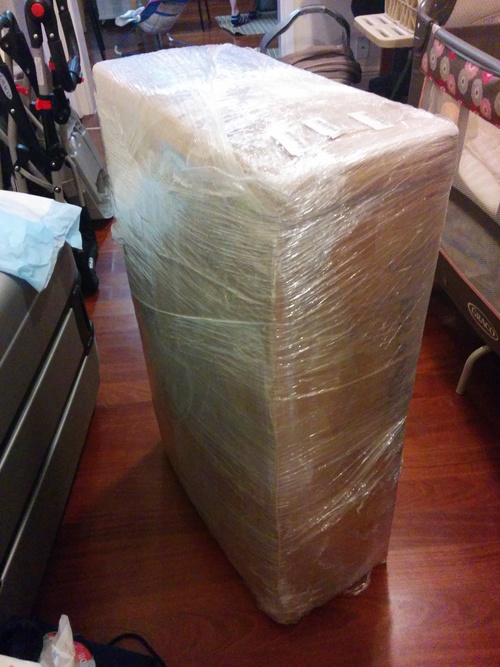
Do not overfill the box. A bulging box puts pressure on the seams and may break when lifted. The top should close flat without force.
For extra protection, place the sealed box inside a heavy-duty plastic travel bag if your airline allows it. This can help protect the box from rain and dirt, but it will not make a weak box safe.

What Should You Not Pack in a Checked Box?
A box checked as luggage follows the same basic security and safety rules as a suitcase. The container does not change what you can bring.
Do not pack restricted or dangerous items, such as:
• Fireworks and explosives
• Fuel, gasoline, and lighter fluid
• Spray paint
• Many types of flammable liquids
• Certain chemicals
• Loose lithium batteries
• E-cigarettes and vaping devices
• Personal documents you cannot replace
• Valuable jewelry or large amounts of cash
Lithium battery rules need special care. Spare batteries and power banks generally belong in carry-on baggage, not checked baggage. Devices with installed batteries may be allowed in checked baggage when fully powered off, but airline and aviation rules apply.
Keep medicine, passports, identification, keys, electronics, and essential items in your carry-on bag. Checked luggage can be delayed, damaged, or opened for inspection.
TSA officers may open checked baggage when needed for security screening. If you use a lock, choose a TSA-recognized lock where appropriate, or use a closure that can be inspected without destroying the entire box.
How Much Does It Cost to Check a Box?
The cost depends on how the airline classifies the box. In many cases, it costs the same as a checked suitcase.
You may pay:
• A standard checked-bag fee
• An overweight fee
• An oversize fee
• A special handling fee
• A sports equipment fee
• A fee for an extra piece of baggage
Airline fees can change often. Your ticket type, route, frequent-flyer status, and payment method may also affect the price.
A box that is 50 pounds or less and within the airline’s standard size limit may avoid extra charges. A heavier or larger box can cost much more than expected. For this reason, weigh and measure your box at home.
Use this formula to measure linear dimensions:
Length + width + height = total linear inches
For example:
• Length: 30 inches
• Width: 18 inches
• Height: 14 inches
• Total: 62 linear inches
Do not assume a box is free because it contains personal items. Airlines usually charge based on the bag, not the type of belongings inside.
Can You Check a Box on an International Flight?
Yes, but international travel adds customs and destination rules. A box may be accepted by the airline and still cause problems when you arrive.
You may need to declare:
• Food
• Plants and seeds
• Animal products
• Medicines
• Commercial goods
• Gifts above a certain value
• Large amounts of cash
Write an accurate description of the contents. Avoid vague labels such as “stuff” or “personal items.” Customs officials may ask what is inside and how much it is worth.
Some countries restrict fresh fruit, meat, dairy products, soil, and untreated wood. The rules are not the same everywhere. Check the customs agency for your destination before you pack.
An international box may also be inspected more closely. Use a strong box, keep receipts when needed, and pack items so officials can inspect them without destroying the container.
How to Check a Box at the Airport
Arrive early, especially if the box is large or unusual. Standard baggage check-in may take longer because an agent may need to inspect the package.
At the airport:
-
Weigh the box at a check-in kiosk or counter.
-
Confirm its size and contents with the airline agent.
-
Pay any baggage or oversize fees.
-
Attach the airline baggage tag securely.
-
Keep the claim receipt until you collect the box.
-
Take the box to the oversized-baggage area if instructed.
The agent may refuse a box that is damaged, poorly sealed, too heavy, or unsafe to lift. This is not always a policy problem. It may be a handling and safety concern.
Do not arrive with a last-minute box that has no clear label. Put your name, mobile number, and destination on at least two sides. Place the same details inside the box in case the outside label is lost.
How to Protect a Checked Box From Damage
A suitcase has corners, wheels, and a frame. A cardboard box has none of these protections. Think of it as a paper boat traveling through a busy river of machines. Good preparation makes a major difference.
Use these extra safeguards:
• Wrap breakable items in several layers
• Place clothing around fragile objects
• Use plastic bags for liquids that are allowed
• Tape sharp edges and loose parts
• Avoid glass when possible
• Add “fragile” labels, but do not rely on them
• Take photos of the sealed box before leaving home
• Keep a list of the contents
A fragile label may alert staff, but it does not guarantee gentle treatment. The best protection comes from internal packing.
Do not place irreplaceable items in the box. If an item would cause serious stress or financial loss if damaged, carry it with you or use a professional shipping service.
In my experience, travelers often focus on sealing the outside and forget the inside. A box can look perfect while its contents move freely. Shake the box gently before leaving home. If you hear movement, add more padding.
Box Versus Suitcase: Which Is Better?
A box is often useful for low-cost, nonfragile items. A suitcase is usually better for items you need to protect or reuse during your trip.
A box may be better when:
• You are moving belongings
• The contents are light and bulky
• You need a low-cost container
• You do not need the container after arrival
A suitcase may be better when:
• You need wheels and handles
• You are carrying fragile items
• You will use the bag during your trip
• You want better weather protection
• You expect several transfers
A shipping service may be better when the box is very heavy, valuable, or going to a different address. Compare the airline’s baggage fee with the price of ground or air shipping before deciding.
The cheapest option is not always the best value. A damaged box, missed connection, or customs delay can cost more than a stronger container.
Common Mistakes to Avoid
Many box-related baggage problems are easy to prevent. The most common mistake is failing to check the airline’s current rules.
Avoid these errors:
• Using a weak or damaged box
• Exceeding the weight limit
• Ignoring linear-size measurements
• Leaving old labels on the box
• Packing spare batteries in checked baggage
• Placing medicine or passports inside
• Using too little tape
• Leaving empty space inside
• Packing prohibited items
• Assuming all airlines use the same rules
• Arriving too late for special baggage check-in
• Failing to record the bag tag number
Call the airline if your box is unusually large, heavy, fragile, or shaped like sports equipment. A short call can prevent a costly airport surprise.
Rules can also differ on connecting flights. If more than one airline operates your trip, ask which carrier’s baggage limits apply. The strictest rule may affect your journey.
Frequently Asked Questions About Can I Check a Box as Luggage
Can I check a cardboard box instead of a suitcase?
Yes, most airlines accept a sturdy cardboard box as checked baggage. It must meet the airline’s weight, size, packaging, and contents rules.
Does a box count as one checked bag?
Usually, yes. Airlines generally count a box as one piece of checked baggage, but an oversized or overweight box may have extra fees.
Can I check a box without a suitcase tag?
You need an airline baggage tag for checked travel. You can also write your name, phone number, and destination on the box as backup information.
Can I check a box of clothes on an airplane?
Yes, clothing is normally allowed in checked baggage. Pack the clothes tightly, protect the box from moisture, and keep important documents and valuables in your carry-on.
Can I check a large moving box?
Possibly, but large moving boxes may exceed standard size limits. Measure the box, weigh it, and confirm oversize baggage rules with your airline before traveling.
Can I check a box internationally?
Yes, but international customs rules apply. Declare restricted or taxable items and check the destination country’s rules for food, plants, medicines, and other goods.
Can I put a power bank in a checked box?
Usually, no. Spare lithium batteries and power banks generally must travel in carry-on baggage because of aviation fire-safety rules.
Will the airline accept a taped-up box?
The airline may accept it if the box is strong and safely sealed with suitable packing tape. Weak tape, loose flaps, or a damaged box can lead to refusal.
Conclusion
You can check a box as luggage in many cases, but it must be strong, properly sealed, correctly labeled, and within your airline’s size and weight limits. Pack it as carefully as you would protect a suitcase, keep valuables and batteries with you, and review the rules before leaving home.
Measure and weigh the box early. Then contact your airline if the package is large, fragile, or unusual. With the right preparation, a simple box can be a practical and affordable travel solution. Share your own box-packing experience or explore your airline’s baggage guide before your next trip.

Zayden Halbrook is a travel enthusiast and gear researcher passionate about making every journey smoother and more enjoyable. With a keen eye for practical travel essentials and real-world tips, he helps readers choose the right gear and travel smarter. When he’s not testing travel kits or exploring new destinations, Zayden shares simple, reliable advice to make every trip stress-free.