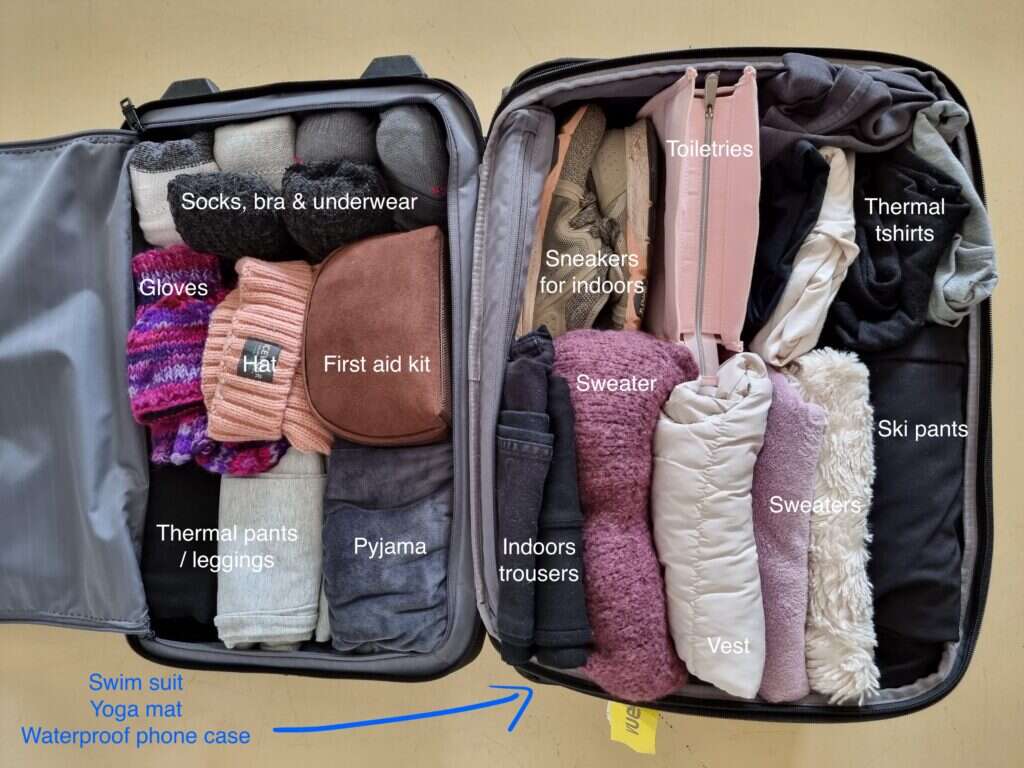
Fold pants along their natural seams, stack them flat, and place them near the top to reduce wrinkles.
Knowing how to pack pants in a suitcase can save space, protect fabric, and make unpacking much easier. After testing several folding methods with jeans, dress pants, chinos, and travel trousers, I have found that the best approach depends on the fabric, suitcase size, and trip length. This guide explains how to pack pants in a suitcase neatly, quickly, and with fewer creases.
Choose the Right Packing Method
The best way to pack pants depends on their material and shape. Thick jeans can handle more pressure than linen trousers, while suit pants need extra care to keep their crease sharp.
Use one of these three methods:
• Flat folding works well for dress pants, trousers, and delicate fabrics.
• Rolling saves space and suits jeans, leggings, joggers, and casual pants.
• The bundle method protects clothes by wrapping them around a soft center.
Before you start, check the pants for stains, empty every pocket, and close zippers and buttons. Packing clean pants also helps prevent odors from spreading through your suitcase.
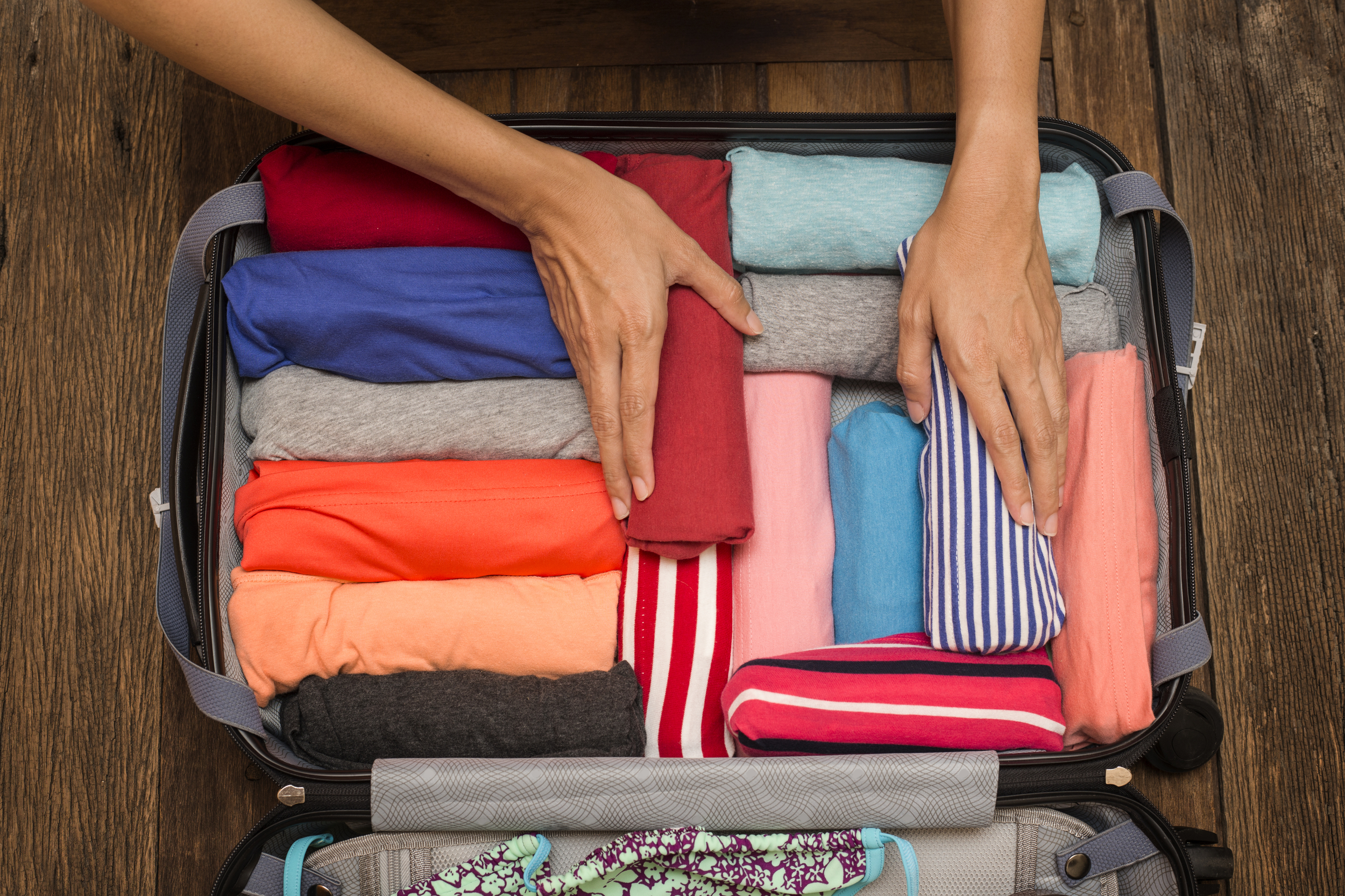
How to Pack Pants in a Suitcase Step by Step
Follow these steps for a neat and space-saving result.
-
Lay the pants on a flat surface. Smooth the waistband, pockets, knees, and cuffs.
-
Button or zip the pants. This helps them keep their shape during travel.
-
Fold the pants in half lengthwise. Match the legs and line up the outer seams.
-
Smooth out wrinkles with your hands. Do not press down hard, since tight folds can create sharp creases.
-
Fold the pants once across the middle for a compact shape.
-
Place the folded pants flat in the suitcase. Keep heavier items near the wheels and lighter clothing near the top.
-
Add a thin packing cube, tissue paper, or laundry bag between layers if the fabric wrinkles easily.
This simple process is the foundation of how to pack pants in a suitcase. It keeps each pair easy to find and prevents random folds from forming.
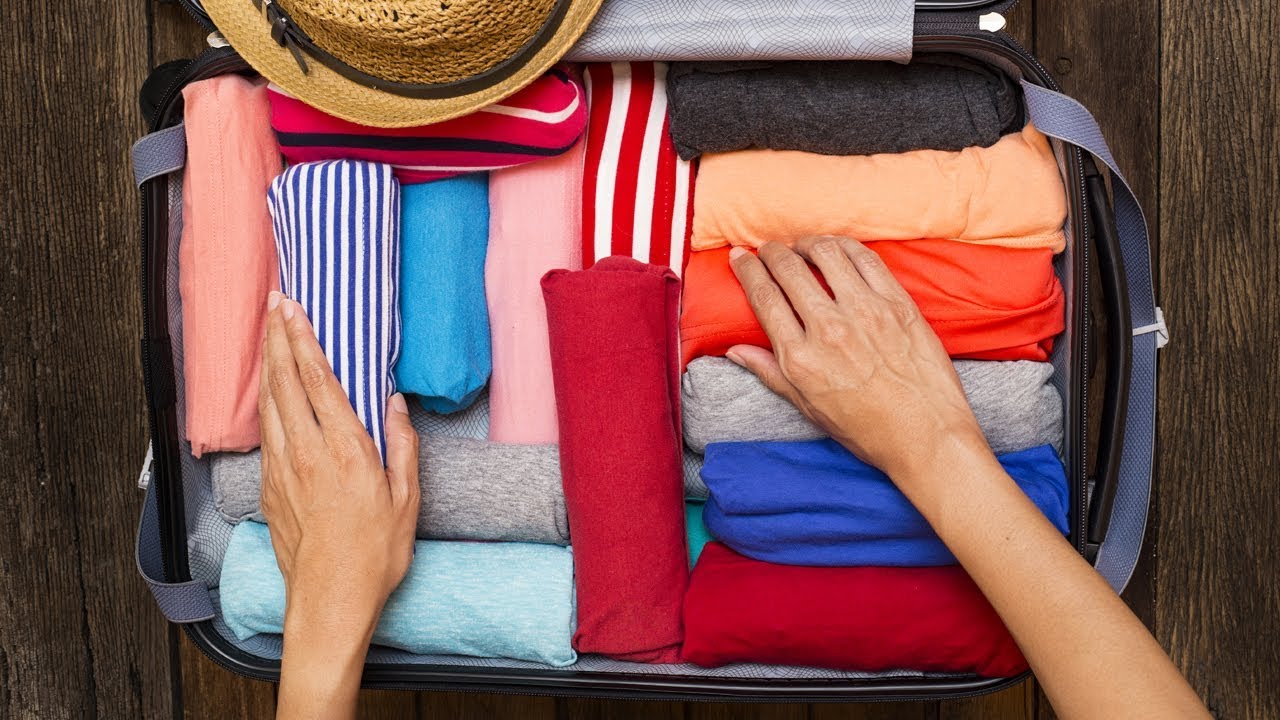
How to Fold Pants Without Creating Deep Wrinkles
Wrinkles often come from pressure, not just folding. A suitcase packed too tightly can press clothes into hard creases for hours.
To reduce wrinkles, follow these tips:
• Fold pants at natural points, such as the waistband and knees.
• Avoid making very small folds unless you are packing thick casual pants.
• Keep delicate pants near the top of the suitcase.
• Place soft shirts between layers of pants to cushion the fabric.
• Do not overfill the suitcase. Clothing needs a little room to settle.
For dress pants, hold the trousers by the waistband and let the legs hang straight. Match the seams before folding. If the pants have a center crease, follow that crease instead of making a new one.
I once packed several pairs of formal trousers in a tightly stuffed carry-on. The pants looked fine at the airport, but each pair had a strong horizontal line after unpacking. Since then, I leave a small amount of space around structured clothing.
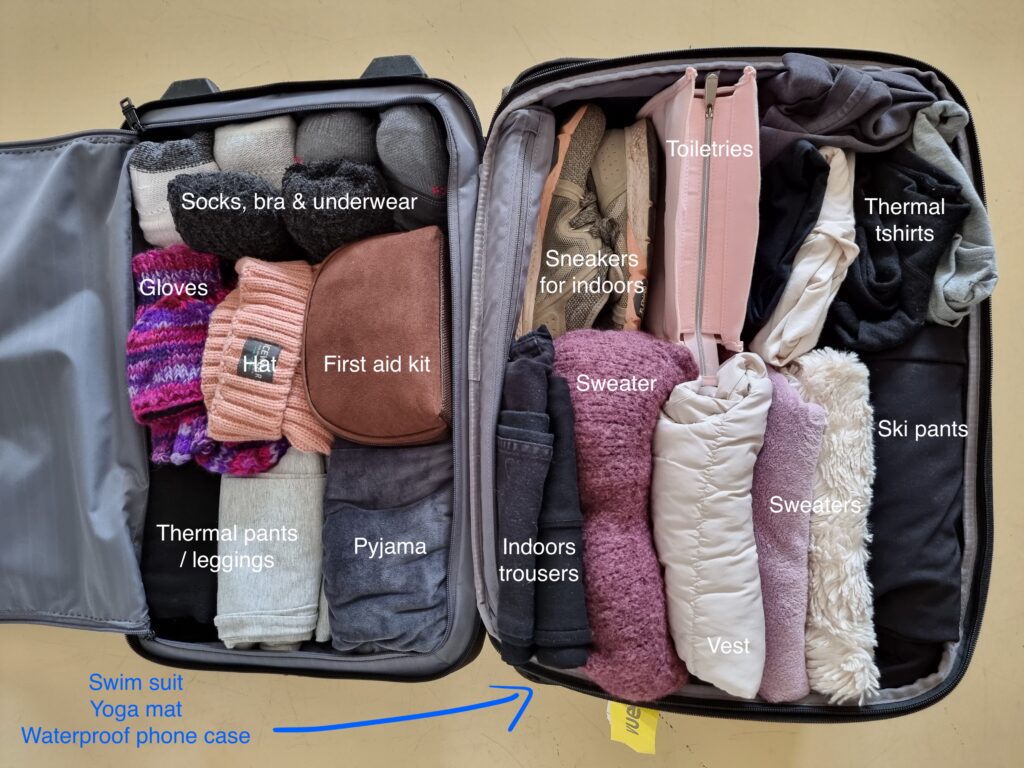
How to Pack Dress Pants in a Suitcase
Dress pants require more care than jeans or sweatpants. Their fabric may include wool, rayon, polyester, or a blend that shows wrinkles quickly.
Here is the safest method:
-
Turn the pants inside out if the fabric is dark or easily marked.
-
Hold the waistband and shake the pants gently.
-
Match the leg seams and press the fabric flat with your palms.
-
Fold the pants lengthwise along the existing crease.
-
Place them on top of other clothes, rather than underneath shoes or toiletries.
-
Cover them with a clean dry-cleaning bag, tissue paper, or a thin cotton shirt.
Plastic bags can reduce friction, but they may trap moisture if the suitcase sits in a warm place. For longer trips, breathable fabric bags are often a better choice.
If you are packing a full suit, place the jacket and pants together. This keeps the matching pieces in one area and makes dressing easier when you arrive.

How to Pack Jeans and Heavy Pants
Jeans take up more space than most pants, but they are less likely to show serious wrinkles. Rolling them can create extra room, especially in a soft-sided suitcase.
To roll jeans:
• Button the jeans and lay them flat.
• Fold one leg over the other.
• Fold the crotch area inward to create a long rectangle.
• Start at the cuffs and roll toward the waistband.
• Keep the roll firm but not tight.
Place rolled jeans along the edges of the suitcase. Their firm shape can help fill narrow gaps around shoes and packing cubes.
For work pants, cargo pants, or thick canvas trousers, flat folding may work better. Bulky pockets can create uneven rolls, which waste space and press against nearby clothes.
:max_bytes(150000):strip_icc()/packing-suitcase-EXPERTPACK0622-7f42c686d6ab42f9a690e899136c1396.jpg)
How to Pack Pants to Save Space
Space-saving packing is less about squeezing clothes and more about using every part of the suitcase well. A good layout keeps bulky items low and soft items around the edges.
Try this order:
-
Put shoes and toiletry bags near the wheel end.
-
Fill shoes with socks, belts, or underwear.
-
Add packing cubes or folded shirts in the center.
-
Place pants flat across the top or along the sides.
-
Tuck small items into open corners.
-
Add delicate clothing last.
Rolling can save space for casual pants, but it is not always best for formal trousers. Compression cubes may hold more clothing, but they can also create deeper wrinkles when packed too tightly.
When learning how to pack pants in a suitcase, think of your luggage as a small drawer. Group similar items, keep a clear order, and avoid forcing the drawer shut.

The Bundle Packing Method for Pants
The bundle method wraps clothes around a central item. It can reduce hard fold lines because clothing forms one large, loose bundle instead of many tight stacks.
To use this method:
• Place a soft item, such as a sweater or packing cube, in the center.
• Lay pants flat with the waistband near the edge of the suitcase.
• Add shirts and other clothing across the pants.
• Fold the pant legs over the clothing stack.
• Continue wrapping layers around the center.
• Place the finished bundle in the suitcase.
This method works well for business trips when you need several outfits. It is less useful when you want quick access to one pair of pants.
Do not use the bundle method for wet swimwear, muddy shoes, or clothing with strong odors. Keep those items in sealed laundry bags.

Packing Pants in a Carry-On
A carry-on suitcase needs a careful plan because every inch matters. Start with the pants you will wear during travel, then pack only the pairs that match several tops.
For a short trip, two or three pairs may be enough:
• One versatile pair for daily use
• One comfortable pair for travel or relaxing
• One dressier pair for dinners or events
Wear your bulkiest pants on the plane or train. This saves luggage space and keeps heavy clothing out of your suitcase.
Use one packing cube for casual pants and another for formal clothing. This prevents jeans from rubbing against delicate trousers and makes airport checks less stressful.
:max_bytes(150000):strip_icc()/HowtoFileFold1-443a6582f16e436796063937365e9fcb.png)
How to Prevent Pants From Wrinkling
No packing method can prevent every wrinkle. Fabric type, suitcase pressure, heat, and travel time all affect the result. Still, a few habits make a major difference.
• Pack pants only after they are fully dry.
• Avoid stuffing too many clothes into one compartment.
• Use tissue paper between delicate layers.
• Keep belts outside the folded pants.
• Remove pants from the suitcase soon after arrival.
• Hang dress pants in a bathroom while taking a warm shower.
Steam can relax light wrinkles, but keep clothing away from direct water. For stubborn creases, use a hotel iron on the correct fabric setting. Always test heat on an inside seam when the care label is unclear.
Care labels are the most reliable guide for washing, drying, and ironing. They matter more than general packing advice because blends and finishes can react differently to heat.

Common Mistakes to Avoid
Small packing mistakes can cause large wrinkles or wasted space. Watch for these common problems:
• Folding pants while they are damp. Moisture can cause odors and mildew.
• Packing shoes on top of dress pants. Shoe soles can crush and soil fabric.
• Rolling every type of pants. Structured trousers often look worse after tight rolling.
• Ignoring pockets. Keys, coins, and pens can leave dents or stains.
• Overpacking one side. An uneven suitcase can shift during handling.
• Leaving belts inside the waistband. This creates bumps and stretches the fabric.
• Packing pants at the bottom under heavy items. Constant pressure creates deep lines.
One mistake I made early on was using rubber bands around rolled pants. The bands left marks and compressed the fabric. A loose roll or packing cube works better and avoids pressure points.
How Many Pairs of Pants Should You Pack?
The right number depends on the trip. Most travelers need fewer pants than they expect because one pair can often be worn more than once.
Use this basic guide:
• Weekend trip: one or two pairs
• Five to seven days: two or three pairs
• Business trip: one pair for each formal event, plus one casual pair
• Outdoor trip: one durable pair and one quick-drying pair
• Cold-weather trip: two or three warm pairs, depending on laundry access
Choose pants in colors that work with several shirts. Navy, black, gray, khaki, and dark denim are easy to mix. This approach reduces luggage weight and makes outfit planning simple.
Pack an extra pair only when weather, work needs, or limited laundry access requires it. More clothing does not always mean more comfort.
Packing Pants for Different Fabrics
Different materials need different treatment. Understanding the fabric helps you choose between folding, rolling, and hanging.
Cotton
Cotton pants are durable but may wrinkle. Fold them loosely and place them near the middle or top of the suitcase.
Linen
Linen wrinkles easily by nature. Fold it along the seams, use tissue paper, and unpack it quickly after arrival.
Wool
Wool trousers should stay flat and cool. Avoid tight compression, which can flatten the fibers and create unwanted lines.
Polyester blends
These pants usually resist wrinkles well. Flat folding or loose rolling both work.
Stretch fabrics
Leggings and travel pants can be rolled. Avoid sharp folds that may leave lines in thin material.
Fabric content is often listed on the garment label. If you are unsure, choose the gentlest method: a loose fold, light pressure, and plenty of space.
How to Pack Pants for Long-Term Travel
Long trips require a balance between comfort, storage, and laundry. Instead of carrying a separate pair for every day, plan a small clothing rotation.
Choose pants that:
• Match at least three tops
• Dry quickly
• Resist wrinkles
• Feel comfortable during long walks
• Work in more than one setting
Keep clean pants in one packing cube and worn pants in a separate laundry bag. This prevents clean clothes from picking up odor and makes your suitcase easier to manage.
For trips longer than a week, plan to wash clothes. A small amount of detergent, a sink stopper, and a lightweight laundry bag can help. Always check local water and hotel rules before washing garments in a room.
How to Unpack Pants After Travel
Unpacking soon after arrival is one of the easiest ways to reduce wrinkles. Do not leave folded pants in a closed suitcase for several days.
Use this routine:
-
Remove dress pants first.
-
Shake each pair gently.
-
Hang structured pants from the waistband or a proper trouser hanger.
-
Smooth casual pants and place them in a drawer.
-
Air out clothing that feels warm or damp.
-
Separate laundry from clean clothes.
For minor wrinkles, hang pants in a steamy bathroom for a short time. For heavier wrinkles, use a steamer or iron according to the care label.
This final step completes how to pack pants in a suitcase. Good packing protects clothing, but good unpacking restores it.
Frequently Asked Questions About How to Pack Pants in a Suitcase
Is it better to roll or fold pants in a suitcase?
Rolling works well for jeans, leggings, joggers, and soft travel pants. Folding is usually better for dress pants, wool trousers, and linen because it follows the garment’s natural seams.
How do you pack dress pants without wrinkling them?
Match the seams and fold dress pants along their original crease. Place them near the top of the suitcase with tissue paper or a thin shirt between layers.
How many pairs of pants should I pack for a week?
Most people need two or three pairs for a one-week trip. Choose versatile colors and plan to wear each pair more than once if the weather and activity level allow it.
Can you put pants in a packing cube?
Yes, pants can go in a packing cube. Roll casual pants loosely, but fold formal trousers inside the cube to avoid sharp creases.
Should pants go at the bottom or top of a suitcase?
Heavy pants can go near the bottom, close to the suitcase wheels, while delicate pants should go near the top. Keep shoes and hard items away from fabrics that wrinkle easily.
How do you pack pants in a suitcase to save the most space?
Use rolling for soft casual pants and fill empty spaces around shoes and packing cubes. Avoid compressing formal pants too tightly because saving space may create deep wrinkles.
Conclusion
Learning how to pack pants in a suitcase is simple when you match the method to the fabric. Fold dress pants along their seams, roll soft casual pants, use space around shoes, and avoid overfilling your luggage. Unpack clothing soon after arrival and use gentle steam or an approved iron for remaining wrinkles.
Before your next trip, lay out every pair you plan to bring and ask whether each one works with several outfits. Pack with purpose, leave a little room, and your pants will arrive cleaner, neater, and ready to wear. Share your favorite packing tip or explore more practical travel guides for easier trips.

Zayden Halbrook is a travel enthusiast and gear researcher passionate about making every journey smoother and more enjoyable. With a keen eye for practical travel essentials and real-world tips, he helps readers choose the right gear and travel smarter. When he’s not testing travel kits or exploring new destinations, Zayden shares simple, reliable advice to make every trip stress-free.