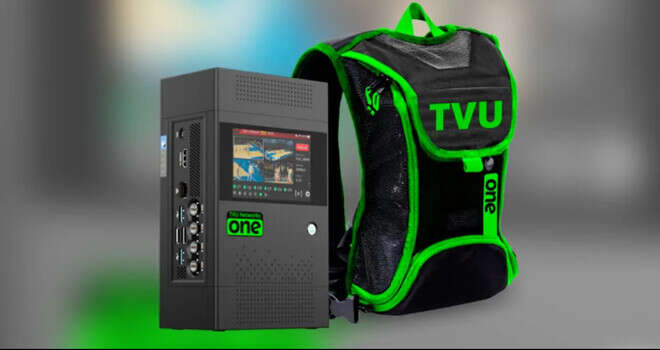
A TVU backpack is a portable, bonded cellular transmitter that enables live video broadcasts from the field.
I’ve worked in remote live production and news gathering for years, and I can say with confidence that understanding what is a tvu backpack matters if you need reliable live feeds outside a studio. This guide explains what is a tvu backpack, how it works, when to use one, gear choices, setup tips, and real-world lessons from field use. Read on to learn practical steps and smart buying tips so you can decide if a TVU backpack fits your production needs.
What is a TVU backpack? Definition and background
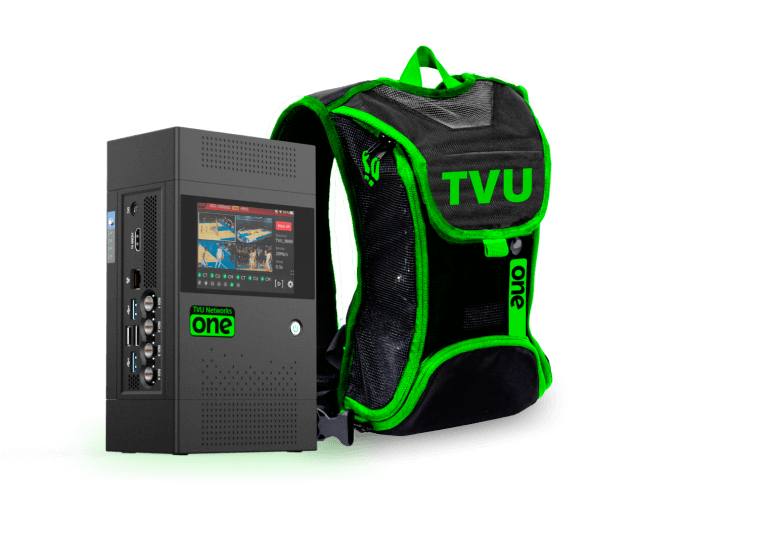
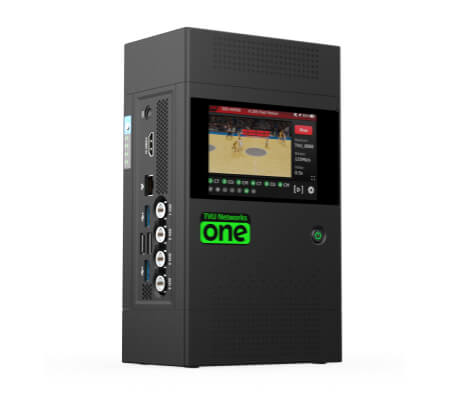
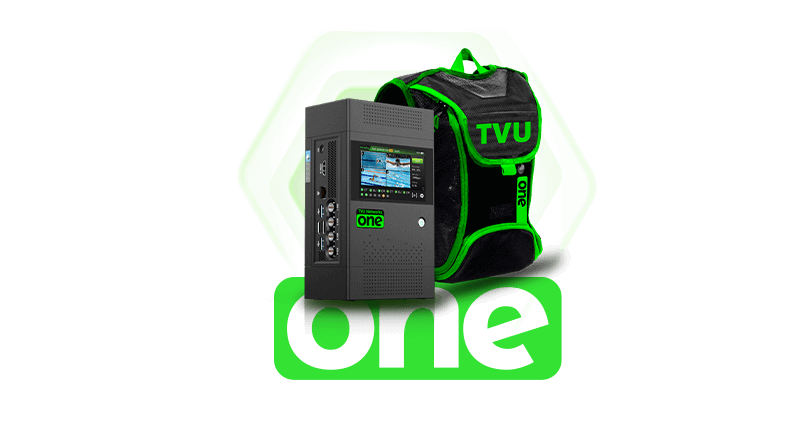
A TVU backpack is a compact, shoulder‑worn or backpack-style transmitter. It bonds multiple cellular, Wi‑Fi, and satellite links. The device encodes video and sends it over the internet to a receiver or cloud platform for live broadcast.
The idea behind what is a tvu backpack is simple. Broadcasters needed a reliable way to stream live video when fiber or satellite were unavailable. Vendors combined multiple data links, smart encoding, and resilient antennas into a portable pack. That approach gives news crews and event teams broadcast-grade video from remote locations.
What is a tvu backpack in practical terms? It is an all-in-one field unit that reduces bulky vans, lowers setup time, and keeps crews agile. Many models include internal batteries, modular modems, and an easy pairing workflow with cloud services. These units evolved from early bonded-modem rigs into sleek, user-friendly transmitters used worldwide.

How a TVU backpack works — the core technology
At the heart of answering what is a tvu backpack is understanding bonding. Bonding combines multiple internet connections into one virtual pipe. Each modem contributes bandwidth and redundancy.
Key technical pieces:
- Multiple cellular modems that use SIM cards from different carriers to avoid single-carrier failure.
- An encoder that compresses video using H.264 or HEVC codecs.
- Adaptive bit-rate streaming that adjusts quality to link conditions.
- Antennas for cellular and Wi‑Fi with diversity to reduce signal drop.
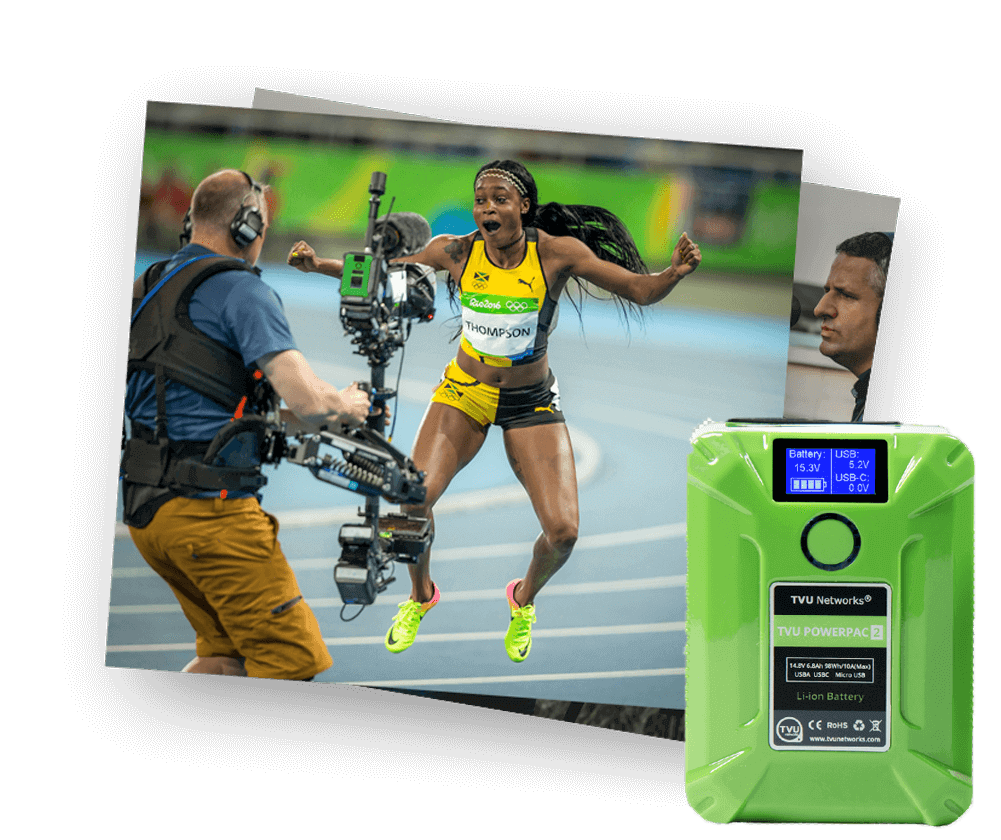
- Battery systems for several hours of operation and hot-swappable options.
When you ask what is a tvu backpack and how it works, picture a smart router for video. The pack continuously measures latency and packet loss. It then sends sub-streams over each link and reassembles them at the receiver. This makes live video resilient even on congested networks.
Main features and typical models you’ll find
When people compare options for what is a tvu backpack, they look at these features:
- Encoder type and supported codecs — higher efficiency codecs save bandwidth.
- Number of cellular modems — more modems usually mean more stability.
- Antenna quality and external antenna ports — better reception outdoors.
- Battery life and hot-swap capability — crucial for long events.
- Weight and form factor — comfort matters on long shoots.
- Integration with cloud services — for remote switching and rebroadcast.
Manufacturers offer different models for different budgets and uses. Some packs focus on ultra-low latency for live sports. Others prioritize lightweight design for quick field reporting. Evaluate features against your priorities when you decide what is a tvu backpack for your workflow.

Common use cases and workflows
Knowing what is a tvu backpack helps you match it to real tasks. Typical use cases include:
- Live news reporting from breaking scenes where wired links don’t exist.
- Sports and concerts when OB trucks can’t access a venue.
- Documentary shoots needing live inserts or remote interviews.
- Corporate events and house-of-worship streaming where mobility helps.
- Disaster response and government field communications for timely visuals.
A common workflow for what is a tvu backpack looks like this:
- Prep SIMs and batteries at base.
- Pair the pack to a production or cloud receiver.
- Check signal map and place antenna for best reception.
- Start the encoder and monitor bitrates.
- Switch cameras or feeds as needed using local or remote controls.
This workflow keeps setups short and predictable. From experience, a practiced two-person crew can be live in under five minutes.
Benefits and limitations
Benefits you’ll notice when you understand what is a tvu backpack:
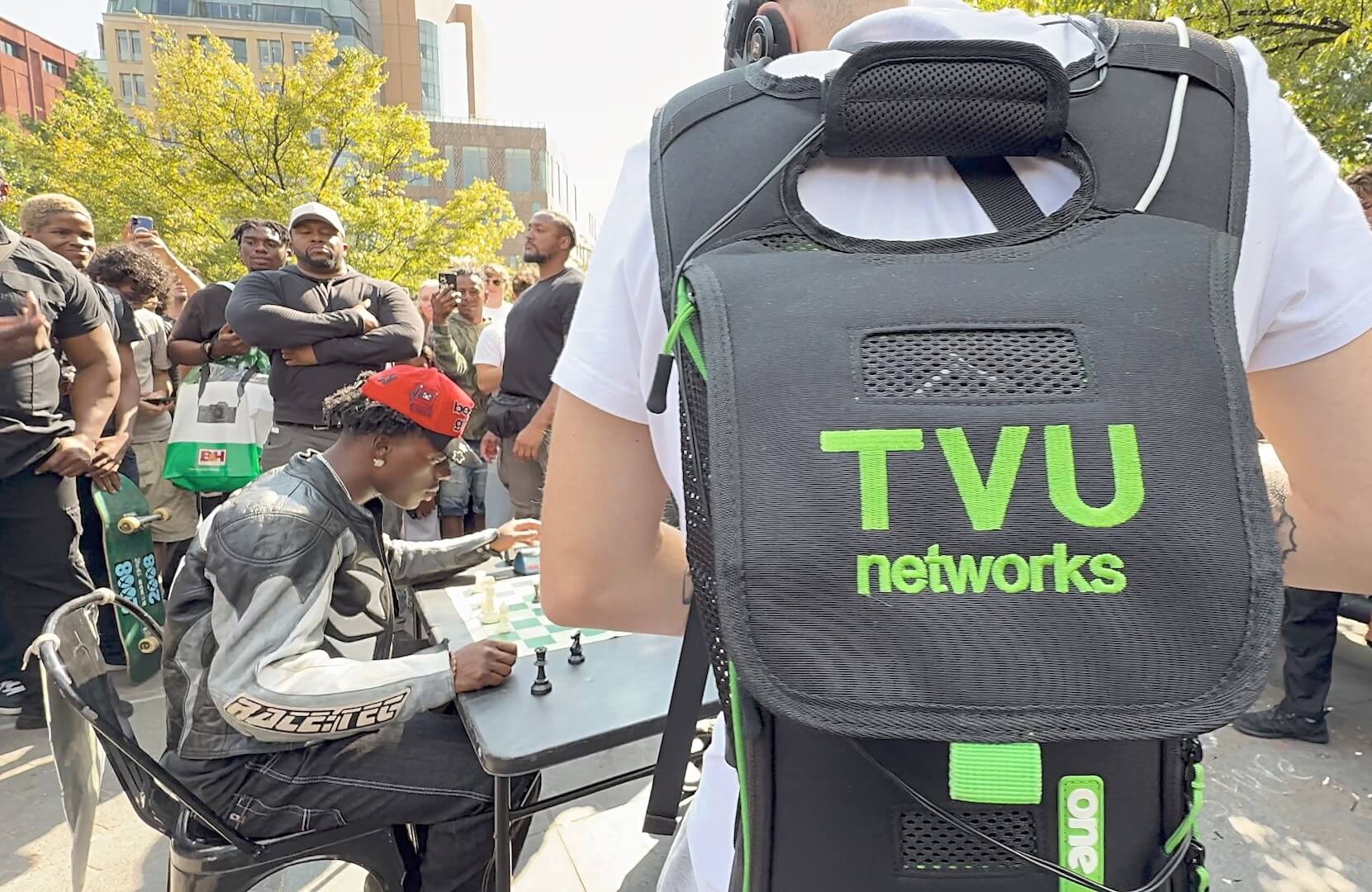
- Mobility — go where stories and events happen.
- Speed — faster setup than vans and satellite trucks.
- Redundancy — multiple links reduce the chance of a single failure.
- Cost efficiency — rental or purchase is often cheaper than an OB truck.
- Cloud integration — live production and remote control are easier.
Limitations to consider:
- Cellular networks can be unreliable in very remote areas.
- Heavy congestion (large crowds) can reduce throughput.
- There is ongoing cost for SIMs, data plans, or service subscriptions.
- Learning curve for optimal antenna placement and bonding settings.
Be honest about limitations. If you need guaranteed bandwidth in truly remote zones, satellite options or local fiber remain necessary.

Setup tips, field-tested tricks, and mistakes to avoid
I’ve used TVU-style backpacks on rainy nights and windy rooftops. These tips reflect that experience.
Quick setup tips:
- Always test with the same SIMs you plan to use on-site.
- Use external antennas when indoors or in low-signal areas.
- Configure priority carriers to control cost and reliability.
- Carry spare batteries and a power bank for unexpected delays.
- Run a short test stream before the event window to confirm quality.
Common mistakes:
- Relying on a single carrier SIM in a crowded venue.
- Forgetting to update firmware before a big event.
- Ignoring antenna orientation and placement — even a small change helps.
- Skipping encryption or access controls for sensitive feeds.
When you think about what is a tvu backpack, remember that practice in the field beats theory. Run drills with your team and log what worked and what didn’t.
Buying, rental, and operational considerations
Deciding what is a tvu backpack for your organization includes budget and operational needs.
Purchase vs. rental:
- Buy when you have frequent use, specific feature needs, or want long-term cost savings.
- Rent when you have occasional needs, tight budgets, or want to test models.
Key budget items:
- Hardware cost or daily rental fees.
- Data plans, roaming charges, and multiple SIMs.
- Service subscriptions for cloud receivers or orchestration platforms.
- Training costs for staff to operate and troubleshoot.
Support and warranties matter. Choose vendors with field support and quick replacement policies. Also ask about firmware update cycles and backward compatibility.

Maintenance, security, and lifecycle management
Treat a live transmitter like any professional audio/video tool.
Maintenance checklist:
- Regularly update firmware and encoder software.
- Inspect batteries and replace cells showing reduced capacity.
- Clean connectors and ventilations to avoid overheating.
- Test each modem’s SIMs and carriers periodically.
Security best practices:
- Use encrypted streams and secure logins for cloud receivers.
- Rotate access credentials and use role-based permissions.
- Keep a secure inventory and log of who uses each unit.
Lifecycle planning:
- Expect to refresh hardware every 3–5 years for codec and antenna improvements.
- Maintain spares for modems and batteries to reduce downtime.
Frequently Asked Questions of what is a tvu backpack
What is a TVU backpack used for?
A TVU backpack is used to transmit live video from remote locations using bonded cellular and other links. It lets crews stream broadcast-quality video without a fixed wired connection.
How reliable is a TVU backpack in crowded events?
It is generally reliable due to multiple carrier SIMs and bonding. However, extreme congestion can reduce available bandwidth and affect quality.
Can a TVU backpack replace an OB van?
Sometimes. For fast, local productions and mobile reporting, a TVU backpack can replace an OB van. For large, multi-camera productions with many inputs, an OB van may still be needed.
How long does the battery last on a TVU backpack?
Battery life varies by model and usage but typically ranges from 2 to 6 hours under normal operating conditions. Carrying hot-swap batteries or power banks extends runtime.
Do I need special SIM cards for a TVU backpack?
You need multiple SIMs from different carriers to maximize reliability. Many teams use a mix of prepaid and contract plans to balance cost and coverage.
Conclusion
Understanding what is a tvu backpack helps you choose the right tool for live field work. These portable transmitters bring studio-level video to places without wired infrastructure. They cut setup time, add redundancy, and let small crews operate with high quality.
Takeaway: try a short rental and run a few test streams with your team. Practice antenna placement, carry spare batteries, and document what works. If you want real mobility with reliable live video, exploring what is a tvu backpack is a smart next step.
If this guide helped, subscribe for more field production tips or leave a comment sharing your experiences with TVU backpacks.

Zayden Halbrook is a travel enthusiast and gear researcher passionate about making every journey smoother and more enjoyable. With a keen eye for practical travel essentials and real-world tips, he helps readers choose the right gear and travel smarter. When he’s not testing travel kits or exploring new destinations, Zayden shares simple, reliable advice to make every trip stress-free.