Washing a backpack can look simple, but doing it right makes a big difference. Most people use their backpack every day—at school, work, hiking, or even traveling. Over time, dirt, sweat, food, and even germs build up inside and out.
You might not notice it, but a dirty backpack can start to smell, look bad, or even break down faster. If you have allergies, the dust and pollen can also be a problem. I’ve washed all kinds of backpacks for years—school bags, hiking packs, laptop bags—and I’ve learned a lot about what works best.
In this guide, I’ll walk you through everything you need to know, step by step. You’ll learn what tools to use, which mistakes to avoid, and how to keep your backpack looking new for much longer.
Why You Should Wash Your Backpack
Most people don’t wash their backpacks often. But think about where your backpack goes: on the bus, gym floors, parks, and even the ground outside. All those places add dirt and germs. When you put food, gym clothes, or wet items inside, it can also make the inside dirty or smelly. Washing your backpack helps you:
- Remove bacteria and germs that can cause illness
- Get rid of bad smells
- Make your backpack last longer
- Keep your things clean, especially if you carry clothes or lunch
A study from 2022 found that over 60% of school backpacks had bacteria levels higher than a kitchen counter! That’s a good reason not to ignore cleaning your backpack.
Check The Care Label First
Before anything else, look for the care label inside your backpack. This small tag tells you what the backpack is made of and gives washing instructions. Some backpacks can go in the washing machine, but others should only be washed by hand.
If you can’t find a label, check the brand’s website or search for the model online. As a quick tip: most canvas, nylon, and polyester backpacks are safe to wash, but leather, suede, and some hiking packs need special care.

Credit: www.reddit.com
Gather What You Need
Washing a backpack is easier if you have everything ready. Here’s a list of basic items you’ll need:
- Mild detergent (without bleach)
- A soft brush (like an old toothbrush)
- A sponge or cloth
- A clean tub, sink, or basin
- A towel for drying
- A mesh laundry bag (for small parts, if machine washing)
- A vacuum or lint roller (for crumbs and dust)
From my own experience, I recommend using a liquid detergent. Powder detergents sometimes leave white marks, especially on darker backpacks.
Empty And Prepare The Backpack
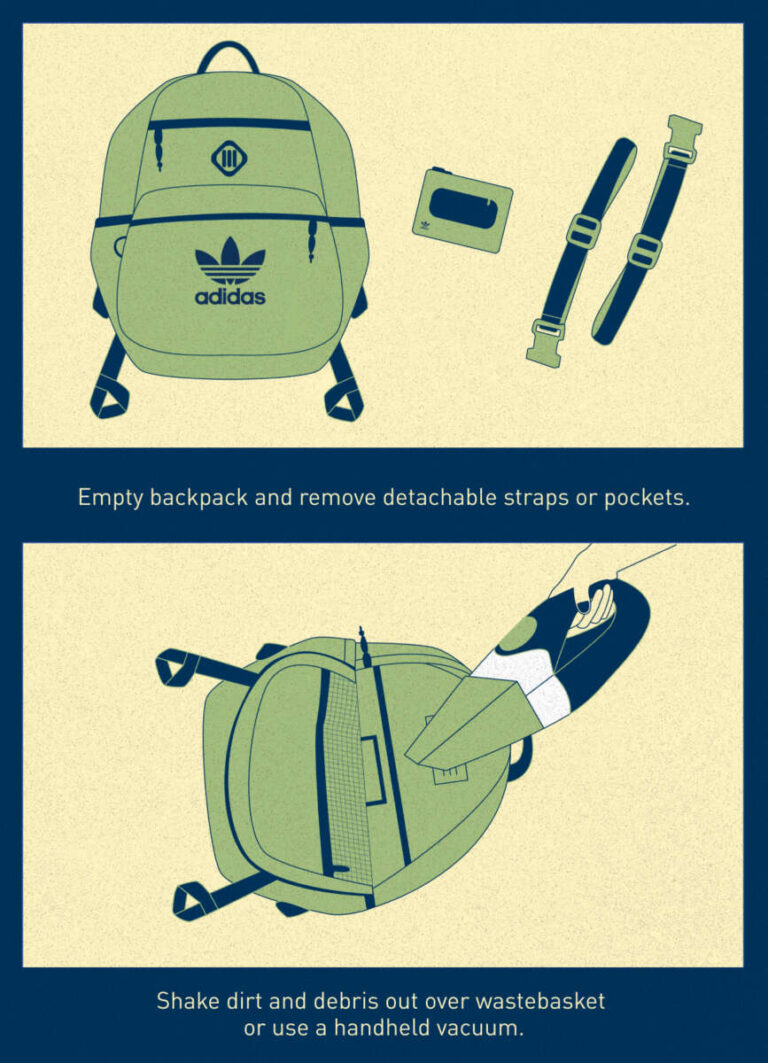
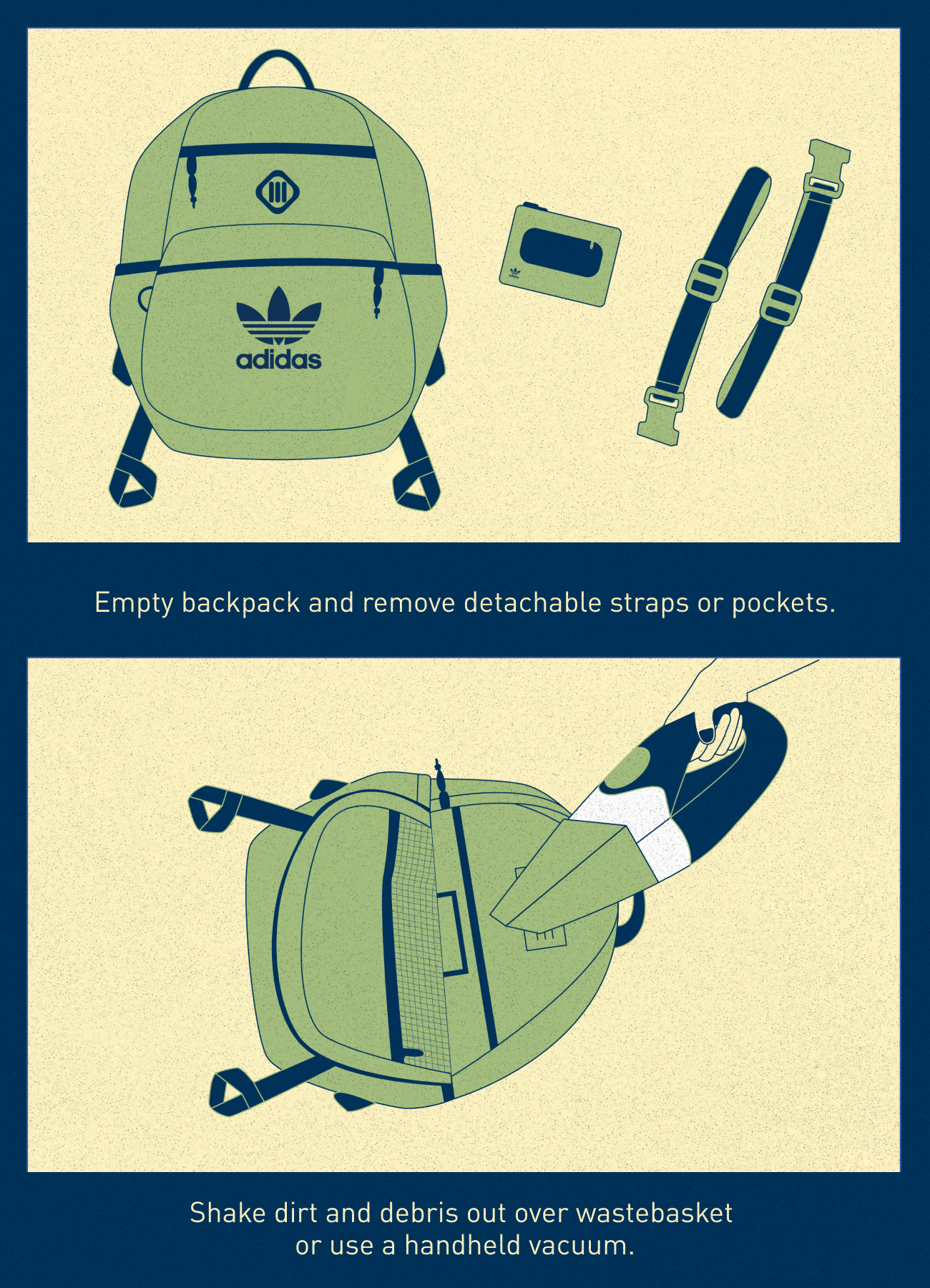
Take out everything from your backpack. Open all pockets, shake out crumbs and dirt, and remove any detachable straps or frames. If you have a vacuum or lint roller, use it to pick up small dirt or pet hair inside.
Here’s a quick checklist:
- Remove all items, even hidden ones in tiny pockets
- Take out removable parts like frames or hip belts
- Open all zippers and pockets
I once forgot to check a side pocket and ended up washing a pen, which broke and stained the inside. Always double-check every pocket!
Spot Cleaning: The Smart First Step
If your backpack only has a few dirty spots, you might not need to wash the whole thing. Spot cleaning is fast and helps your bag last longer.
How to spot clean:
- Mix a small amount of mild detergent with water.
- Dip a soft brush or cloth into the solution.
- Gently scrub the dirty area in circles.
- Wipe with a clean, damp cloth to remove soap.
- Let it air dry.
Spot cleaning works well for mud, food stains, and ink. For ink stains, a little rubbing alcohol on a cotton swab can help. Just test it on a hidden area first.
Hand Washing: The Safest Way
Hand washing is gentle and works for almost every backpack. It’s the method I use most often, especially for hiking packs with lots of padding.
Step-by-step Hand Washing
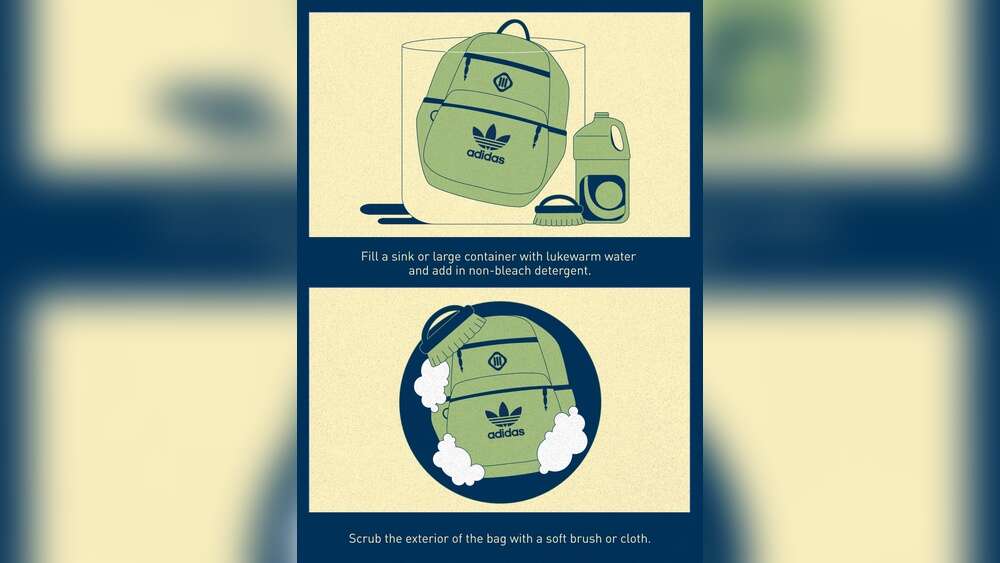
- Fill a tub or sink with lukewarm water. Too hot can damage colors or glue.
- Add a small amount of mild detergent.
- Put the backpack in the water. Use your hands or a soft brush to scrub.
- Focus on straps, back panel, and bottom (these get the dirtiest).
- Use a sponge or brush for stubborn spots.
- Rinse well with cool, clean water until all soap is gone.
One common mistake: scrubbing too hard. This can damage the fabric or wear out the color. Be gentle, especially on mesh pockets.
How Long Should You Soak?
If your backpack is very dirty, let it soak for 15-30 minutes. For regular cleaning, just a quick wash is enough.
Machine Washing: When And How
Some backpacks can go in the washing machine, but not all. Always check the care label first. Canvas, nylon, and polyester backpacks without special coatings are usually safe.
Preparing Your Backpack For The Machine
- Remove all loose items and straps.
- Place the backpack inside a pillowcase or laundry bag. This protects zippers and straps.
- Use a small amount of mild liquid detergent.
- Set the machine to a gentle cycle with cold water.
Never use bleach or fabric softener. These can break down the fabric and damage waterproof coatings.
Common Machine Washing Mistakes
- Forgetting to secure zippers and straps: Loose parts can get caught and tear.
- Using too much detergent: This can leave residue.
- Washing with other clothes: Backpacks can snag fabrics or get damaged.
I once washed a backpack with clothes, and a zipper pulled threads from my favorite sweater. Always wash backpacks alone for best results.
Drying Your Backpack
Never use a dryer for backpacks. High heat can melt plastic parts, shrink fabric, or destroy waterproof layers.
The Best Way To Dry
- After washing, gently squeeze out extra water. Don’t twist or wring.
- Pat the backpack with a towel to remove more water.
- Hang the backpack upside down, with zippers and pockets open, in a well-ventilated area.
- Let it air dry completely before using or storing.
If possible, dry your backpack outside in the shade. Direct sunlight can fade colors or weaken fabric if left too long.
How Long Does It Take?
Air drying usually takes 24–48 hours. Thicker backpacks or those with lots of padding may need more time. Never store your backpack when it’s even a little wet—this can cause mold or bad smells.

Credit: www.wikihow.com
Special Care For Different Materials
Not all backpacks are the same. Here’s how to care for common types:
Nylon And Polyester
These are the most common backpack materials. They’re tough, dry fast, and can usually handle water and soap. Just avoid hot water and don’t use bleach.
Canvas
Canvas is strong but can shrink if you use hot water or a dryer. Hand wash with cool water and let it air dry.
Leather Or Suede
Leather and suede bags need special care. Do not soak these in water. Instead:
- Use a damp cloth for the outside.
- Use a leather cleaner for tough stains.
- Air dry away from direct heat.
I once ruined a leather patch on a backpack by scrubbing it with soap and water. Now, I only spot-clean leather parts and use a special cleaner.
Waterproof And Coated Backpacks
Some backpacks have a waterproof coating. Too much soap or scrubbing can strip this layer. Use very mild detergent, rinse carefully, and avoid harsh brushes.
If your backpack is losing its waterproofing, you can buy a spray to restore it (look for “DWR spray” at outdoor stores).
Cleaning Backpack Accessories
Don’t forget about items attached to your backpack, like:
- Water bottle holders
- Hip belts
- Chest straps
- Removable frames
- Key clips
These can be washed separately with soap and water. If they’re very dirty, soak them for 10–15 minutes, then rinse and air dry.
How Often Should You Wash Your Backpack?
How often you wash depends on how you use it:
- School or daily work: Every 2–3 months
- Hiking or travel: After each big trip
- Gym bags: Every 1–2 weeks
If you spill food or something smelly inside, clean it right away. Quick action stops stains and smells from setting.
Storage Tips After Washing
After your backpack is dry, store it properly to keep it in good shape:
- Keep it in a cool, dry place
- Don’t leave it in direct sunlight for long periods
- Stuff it with paper or towels to keep its shape
- Make sure it’s 100% dry before storing
From my experience, putting a small packet of silica gel inside your backpack during storage helps absorb any leftover moisture. This small step prevents mold and keeps your backpack fresh.
What To Avoid When Washing A Backpack
Some actions can damage your backpack or reduce its life. Here are things to avoid:
- Using hot water: Can shrink fabric or melt parts
- Bleach or strong chemicals: Weakens fabric and ruins color
- Washing too often: Wears out materials faster
- Dryer or iron: High heat damages fabric and plastic
- Skipping the care label: May cause irreversible damage
A common beginner mistake is using too much detergent, thinking it will clean better. In reality, leftover soap can attract more dirt and cause skin irritation.
Comparing Cleaning Methods
To help you choose the best method for your backpack, here’s a comparison:
| Method | Best For | Pros | Cons |
|---|---|---|---|
| Hand Wash | All backpacks | Gentle, safe for all materials | Takes more time |
| Machine Wash | Canvas, nylon, polyester | Easy, less effort | Can damage straps or coatings |
| Spot Clean | Small stains, delicate fabrics | Quick, preserves materials | Not for deep cleaning |
How Washing Affects Backpack Life
Many people ask if washing a backpack makes it wear out faster. The answer depends on how you do it. Gentle hand washing and air drying keep your backpack in good shape. Strong chemicals, hot water, and rough treatment shorten the life of zippers, fabric, and waterproof coatings.
Some brands state their backpacks can last over five years with proper care. Regular but gentle cleaning helps you reach that lifespan. If you use your backpack outdoors a lot, check for wear on straps and seams after washing.
Stain Removal: Simple Solutions
Different stains need different methods. Here are quick tips for common stains:
| Stain Type | Solution |
|---|---|
| Ink | Rubbing alcohol on a cotton swab |
| Mud | Let dry, then brush off; wash with soap and water |
| Food | Dish soap and warm water |
| Oil/Grease | Sprinkle baking soda, let sit, then brush off |
| Smell | White vinegar rinse or baking soda sprinkle |
Never mix cleaning chemicals. Always test a new cleaner on a small, hidden area first.
Reducing Odors In Your Backpack
Even after washing, some backpacks hold onto smells. Here’s what helps:
- Sprinkle baking soda inside, leave overnight, then shake out.
- Place a dryer sheet or charcoal bag inside for a few days.
- Air your backpack outside, not in a damp or closed room.
If you use your backpack for gym clothes, make sure to remove wet items as soon as possible.
Quick Reference: Do’s And Don’ts
Here’s a short summary to help you remember the key points:
Do:
- Check the care label
- Use mild detergent
- Air dry completely
- Store in a dry place
Don’t:
- Use bleach or strong chemicals
- Wash in hot water
- Put in the dryer
- Ignore stains or smells
Real Experience: What I Learned From Years Of Backpack Washing
Over the years, I’ve cleaned backpacks for myself, my kids, and even some hiking friends. The first time I tried machine washing a hiking backpack, the padded straps lost their shape. Since then, I always hand wash bigger or more expensive packs.
I also learned that a small spill can turn into a big problem if you leave it for weeks. Once, a forgotten apple in my son’s school bag made the whole backpack smell terrible. After a deep clean and a few days of airing out, it was as good as new.
Now I always check every pocket before washing.
Common Mistakes Beginners Make
Many people make these mistakes the first time they wash a backpack:
- Using too much soap, leading to residue
- Forgetting to dry the bag fully, which causes mold
- Scrubbing too hard and damaging the fabric
- Not removing all items (like pens or snacks) before washing
Learning these lessons early saves a lot of trouble later.
Credit: www.adidas.com
When To Replace Your Backpack
Washing helps your backpack last longer, but even the best packs wear out. If you notice:
- Ripped seams that can’t be fixed
- Broken zippers
- Worn-out straps that hurt your shoulders
- Faded or peeling waterproof coatings
…then it might be time to look for a new one. A clean backpack is safer, more comfortable, and helps protect your things.
Safety And Hygiene: Extra Tips
If you use your backpack for gym, sports, or travel, you carry more germs. During cold and flu season, washing your backpack can reduce the spread of sickness. For extra hygiene, you can wipe down the inside with a disinfectant wipe after washing and drying.