Yes, you can check in liquid soap inside your luggage, but you must pack it to prevent leaks.
Can I check in liquid soap inside my luggage? Yes, in most cases, liquid soap is allowed in checked baggage. The main concerns are spills, pressure changes, airline rules, and destination customs laws. This guide explains how to pack liquid soap safely, when carry-on rules apply, and how to avoid common travel mistakes.
Can I Check In Liquid Soap Inside My Luggage?
Yes, you can check in liquid soap inside your luggage when flying from the United States and on most international routes. Liquid hand soap, body wash, shower gel, dish soap, and shampoo are generally permitted in checked bags.
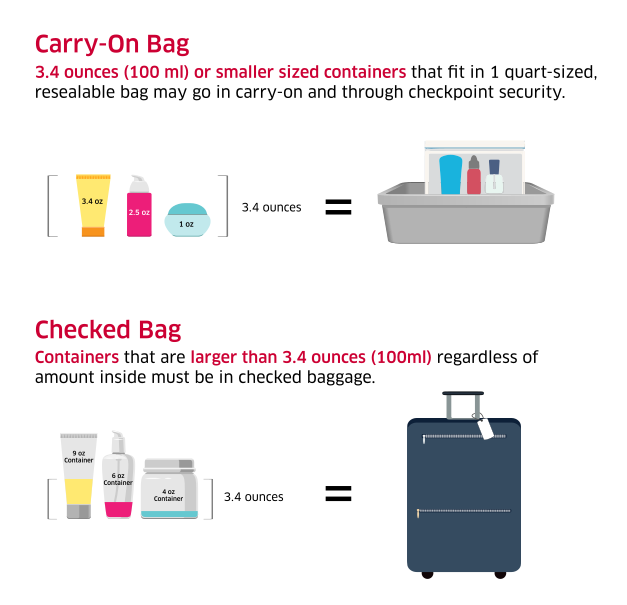
There is usually no small-container limit for liquid soap in checked luggage. The 3.4-ounce rule applies mainly to liquids in carry-on bags. However, your airline may have rules about total baggage weight, restricted chemicals, or leaking containers.
Liquid soap is usually treated as a normal toiletry or household liquid. It is not normally considered a dangerous good when it is a standard product for personal use.

Why Checked Bags Have Different Liquid Rules
The Transportation Security Administration limits most carry-on liquids to containers of 3.4 ounces, or 100 milliliters, or less. These containers must fit in one clear, quart-size bag.
That rule does not usually apply to liquid soap in checked luggage. A full-size bottle can go into your checked suitcase. This makes checked baggage useful when you need to bring large bottles for a long trip, family travel, or camping.
Still, not every liquid is treated the same way. Flammable liquids, strong chemicals, and some cleaning products may be restricted or forbidden. Always check the current rules if your soap contains alcohol, bleach, solvents, or unusual chemical ingredients.
Can I check in liquid soap inside my luggage if the bottle is large? In most cases, yes. The key issue is whether the product is ordinary liquid soap and whether the container is sealed well.

How to Pack Liquid Soap in Checked Luggage
A bottle that looks secure at home can leak during travel. Bags may be tossed, squeezed, or stored in changing temperatures. A few simple steps can protect your clothes and other items.
Use this packing method:
- Check the bottle cap before packing. Make sure it closes tightly and does not wobble.
- Wipe the bottle dry. Soap around the lid can make a small leak worse.
- Add plastic wrap under the cap. Remove the cap, place plastic wrap over the opening, and screw the cap back on.
- Put the bottle in a strong, sealed plastic bag. Use a second bag for extra protection.
- Wrap the bottle in clothing or a towel. This adds padding and absorbs small leaks.
- Place it in the center of your suitcase. Keep it away from the outer edges and zippers.
- Do not overfill the suitcase. Heavy pressure can crack the bottle or force liquid through the cap.
- Label the bottle if it is not in its original container. This can help with inspection.
Can I check in liquid soap inside my luggage without a plastic bag? You can, but it is not wise. A sealed bag costs little and can save your clothes from a sticky, scented mess.

The Best Containers for Travel Soap
The original bottle is often the safest choice because it has a product label and a tested cap. However, large bottles can be bulky and may take up valuable space.
Travel containers can work well for shorter trips. Choose bottles made for travel, not thin containers meant for crafts or food storage. Look for a firm cap, a wide opening, and a leak-resistant seal.
Good choices include:
• Original product bottles with secure caps
• Reusable silicone travel bottles
• Small screw-top bottles with inner seals
• Solid soap bars in ventilated soap cases
Avoid containers that are already cracked, soft, or stained around the lid. Also avoid filling a bottle to the very top. A small air space can reduce pressure on the cap.
If you use a reusable bottle, write the product name on it. A clear label can make airport screening easier and prevents confusion between soap, lotion, and other liquids.

Can I Check in Liquid Soap Inside My Luggage on International Flights?
You can usually check in liquid soap on international flights, but destination rules may differ. The airline may accept the product while customs officials in another country may have questions about it.
Personal-use soap is rarely a problem. Large quantities, commercial packaging, or unlabeled liquids may receive more attention. Some countries also limit the import of certain chemicals, plant-based products, or antibacterial ingredients.
Before an international trip, check:
• The airline’s baggage rules
• The departure airport’s security rules
• The arrival country’s customs guidance
• Any transfer airport requirements
• The total weight of your checked bag
Can I check in liquid soap inside my luggage when changing planes? Usually, yes. If you collect and recheck your bag during a connection, follow the rules of the airport and country where you recheck it.
What About Carrying Liquid Soap in a Carry-On Bag?
Carry-on rules are stricter. In the United States, most liquid soap containers must hold 3.4 ounces, or 100 milliliters, or less. All liquid containers should fit in a single quart-size clear bag.
The limit applies to the container size, not just the amount inside. For example, a half-full 8-ounce bottle may still be refused because the bottle itself is larger than 3.4 ounces.
If you want to bring liquid soap in your carry-on:
• Use a container of 3.4 ounces or less
• Place it in your clear liquids bag
• Keep the bag easy to remove
• Declare unusual or medically needed products when required
Solid soap is a simple alternative. A bar of soap does not count as a liquid, gel, or aerosol under standard airport screening rules.

How Much Liquid Soap Can You Pack?
For checked baggage, ordinary personal-use liquid soap does not usually have a specific volume limit. The practical limits are the bottle size, baggage weight, safe packing, and airline policy.
Bringing one or two bottles is different from packing a suitcase full of soap. A large amount may look commercial and could lead to questions from security or customs officers.
Keep the total weight within your airline’s allowance. Many airlines charge for overweight checked bags, and some set different limits for domestic and international routes.
Can I check in liquid soap inside my luggage in a five-liter container? It may be allowed as a product, but the large container creates more risk of leaks, damage, and excess weight. Smaller sealed bottles are safer and easier to manage.
:max_bytes(150000):strip_icc()/tal-luggage-winners-test-jkim-0274-1-ee372d701f80495fb19cd96b7ebec3c6.jpeg)
What Types of Soap Are Usually Allowed?
Most everyday soaps are allowed in checked luggage. These products are commonly carried by travelers:
• Liquid hand soap
• Body wash
• Shampoo
• Conditioner
• Facial cleanser
• Baby wash
• Liquid laundry detergent
• Dish soap for camping or extended stays
Products with special ingredients may need more care. Flammable, corrosive, or highly concentrated cleaners can fall under separate dangerous-goods rules.
Do not assume that every product called “soap” is harmless for air travel. Read the label and look for warnings such as flammable, corrosive, oxidizer, or harmful if inhaled.
When in doubt, contact the airline before going to the airport. A short check can prevent delays and the loss of an expensive product.

Common Problems When Packing Liquid Soap
The most common problem is leakage. A bottle may open when luggage is compressed or when the temperature changes during the journey.
Another issue is confusion over product type. A traveler may pack disinfectant, solvent-based cleaner, or concentrated chemical liquid and assume the same rules apply as ordinary body wash.
Common mistakes include:
• Packing a loose bottle without a sealed bag
• Leaving the pump unlocked
• Using a weak or cracked travel container
• Placing soap beside passports or electronics
• Filling a bottle to the top
• Packing unlabeled liquid
• Ignoring airline weight limits
One lesson from practical packing is simple: treat liquid soap like a small household spill waiting to happen. A few minutes of preparation can protect an entire suitcase.
A Reliable Leak-Proof Packing Method
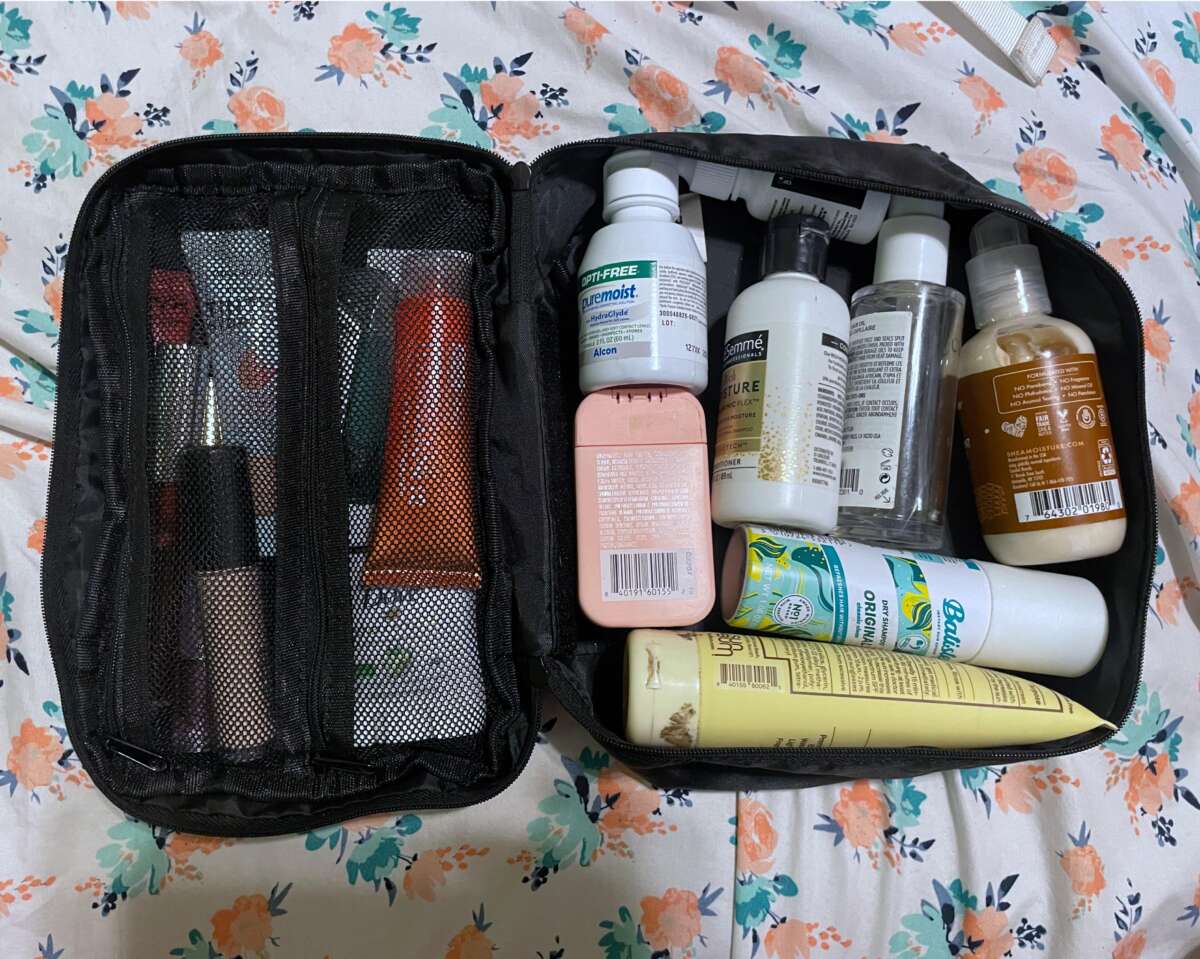
For the best protection, use a three-layer system. The first layer is the bottle itself. The second is a sealed plastic bag. The third is clothing or another soft barrier around the bottle.
For pump bottles, press the pump down and turn or lock it if the design allows. You can also place tape around the pump neck, but do not rely on tape alone.
For flip-top bottles, add plastic wrap under the lid. Then close the lid firmly and place the bottle upright inside a sealed bag. Store it in the middle of the suitcase rather than in an outside pocket.
If you are carrying several bottles, place each one in its own bag. One leaking bottle should not spread soap across every item.
Should You Pack Soap in Your Checked Bag or Buy It at Your Destination?
Checking liquid soap makes sense when you have a favorite product, sensitive skin, allergies, or a special medical need. It can also help when local stores may not sell the brand or formula you trust.
Buying soap at your destination is often easier for short trips. It saves space and removes the risk of leaks. Hotels may also provide basic soap, although the quality and ingredients may not suit everyone.
Consider these factors:
• Trip length
• Product availability at your destination
• Skin sensitivity
• Baggage weight
• Cost of replacing the product
• Risk of a leak
A solid soap bar is often the best middle ground. It is light, compact, and does not face the same liquid limits in a carry-on bag.
Personal Packing Lessons and Practical Tips
A useful packing lesson is to protect the items you care about most. Never place liquid soap beside a passport, camera, laptop, medication, or formal clothing.
Another smart habit is to check every bottle the day before travel. Look for dried soap around the cap, warped plastic, or a loose pump. These signs can show that the seal is already failing.
I recommend packing toiletries near the center of the bag and keeping a small emergency pouch in your carry-on. The pouch can hold a toothbrush, a solid soap bar, and basic toiletries in case checked baggage is delayed.
If a bottle has leaked before, replace it. Do not trust a container simply because it still looks usable. Travel puts more stress on packaging than a bathroom shelf does.
What to Do If Your Soap Leaks
If you discover a leak before checking your bag, remove the bottle and repack it. Clean the outside, inspect the cap, and use a new sealed bag.
If you find the leak after arrival, take your clothes out as soon as possible. Rinse washable fabrics with cool water, then wash them according to their care labels. Avoid heat until the stain and scent are gone, since heat can set some marks.
For electronics, leather, silk, and delicate items, do not soak or scrub aggressively. Wipe the surface carefully and seek professional cleaning advice if needed.
Do not place a leaking bottle back into your suitcase. Put it in a safe container or discard it according to local waste rules.
Airline and Security Rules to Check
Security rules can change, and airlines may apply additional limits. Check official information before every trip, especially when flying internationally or carrying unusual products.
Look for guidance about:
• Checked baggage weight and size
• Toiletries and personal-care liquids
• Dangerous goods
• Cleaning products
• Customs declarations
• Transfer airports
Airport security officers have final authority at the checkpoint. Even if a product is normally accepted, they may inspect or refuse it if the container is damaged, unlabeled, or appears unsafe.
The safest approach is to use the original package, pack a reasonable personal-use amount, and keep proof of the product label when possible.
Frequently Asked Questions
Can I check in liquid soap inside my luggage on a domestic flight?
Yes, ordinary liquid soap can usually go in checked baggage on domestic flights. Seal the bottle in a leak-proof bag and follow your airline’s baggage weight rules.
Is there a 3.4-ounce limit for liquid soap in checked luggage?
Usually, no. The 3.4-ounce limit generally applies to liquids in carry-on bags, not standard liquid soap packed in checked luggage.
Can I pack shampoo and body wash with liquid soap?
Yes, shampoo and body wash are normally allowed in checked bags. Pack each container in a sealed bag because these products can leak in the same way as liquid soap.
Can I bring liquid soap in my carry-on bag?
Yes, but the container usually must be 3.4 ounces, or 100 milliliters, or smaller. Place it in the required clear liquids bag for screening.
Is bar soap better than liquid soap for air travel?
Bar soap is often easier to pack because it is not treated as a liquid. Keep it in a ventilated case so it can dry and does not make other items wet.
Can I pack liquid detergent in checked luggage?
Small amounts of ordinary liquid detergent are often allowed in checked baggage. Avoid flammable or highly concentrated chemical products, and check the airline’s current dangerous-goods guidance.
What should I do if my liquid soap bottle is leaking?
Remove it from the suitcase and place it in a new sealed bag or container. Clean affected items quickly, and replace the bottle before traveling again.
Conclusion
Can I check in liquid soap inside my luggage? In most cases, yes. Pack ordinary liquid soap in its original, sealed container, add a plastic bag and protective layer, and keep it away from valuable or delicate items.
The 3.4-ounce rule usually applies to carry-on liquids, while checked bags can hold larger personal-care bottles. Even so, airline rules, destination customs laws, product ingredients, and baggage weight limits still matter.
Before your next trip, inspect the bottle, secure the cap, use two leak-proof bags, and consider solid soap if you want the simplest option. Check your airline’s current guidance before leaving, and share your own packing tip or travel question in the comments.

Zayden Halbrook is a travel enthusiast and gear researcher passionate about making every journey smoother and more enjoyable. With a keen eye for practical travel essentials and real-world tips, he helps readers choose the right gear and travel smarter. When he’s not testing travel kits or exploring new destinations, Zayden shares simple, reliable advice to make every trip stress-free.