
To authenticate a Louis Vuitton bag, inspect its date code, heat stamp, materials, stitching, hardware, and purchase history together.
Learning how to authenticate a Louis Vuitton bag takes more than spotting one perfect logo or checking a date code. Genuine bags can show small variations from age, country of manufacture, model, and production year. In this guide, I’ll explain the checks professional resellers use, the common mistakes buyers make, and when expert authentication is the safest choice.
Why Louis Vuitton bag authentication matters
Louis Vuitton bags hold strong resale value, which makes them a common target for counterfeiters. Some fake bags are easy to spot. Others copy the canvas, logo, lining, and packaging with surprising skill.
A fake may also come with a receipt, dust bag, box, or authenticity card. These items do not prove that the bag is genuine. Packaging can be copied or paired with a different bag.
The best way to authenticate a Louis Vuitton bag is to study several details at once. Think of the process like putting together a puzzle. One piece may look correct, but the full picture must make sense.
Authentication can help you:
• Avoid losing money on a counterfeit bag
• Check whether a secondhand listing is worth considering
• Prepare a bag for resale
• Confirm that a gift is genuine
• Spot signs of repair, replacement parts, or heavy wear
A professional authenticator may also review the bag’s model, age, materials, and construction history. This matters because Louis Vuitton has changed its designs and production methods over time.

How to authenticate a Louis Vuitton bag step by step
Use the steps below as a first review. No single detail can confirm authenticity on its own.
1. Identify the exact Louis Vuitton model
Start by naming the bag. Common examples include the Neverfull, Speedy, Alma, Pochette Métis, OnTheGo, and Capucines.
Look for the model’s usual shape, size, handle design, lining, pockets, and hardware. Compare the bag with clear photos from the official Louis Vuitton website, trusted resale platforms, and reputable luxury references.
A counterfeit may combine details from two different models. For example, it may have the handle shape of one bag but the pocket layout of another.
Before you authenticate a Louis Vuitton bag, record:
• The model name
• Approximate size
• Canvas or leather type
• Color and lining
• Hardware finish
• Interior pockets
• Country marking, if present
• Estimated production year
Model knowledge gives you a useful baseline. It also prevents you from judging a detail that never belonged on that particular design.
2. Examine the monogram or patterned canvas
Louis Vuitton’s coated canvas is one of its most copied materials. Genuine canvas usually feels firm, structured, and well finished. It should not feel thin, rubbery, overly glossy, or strangely soft unless age and use explain the change.
Study the pattern carefully. On many Louis Vuitton designs, the monogram placement follows a balanced layout. The flowers and LV symbols often line up across seams and panels. However, exact pattern alignment can vary by model and by how the leather was cut.
Do not rely on the old myth that a bag is fake because an LV logo is cut off at a seam. Some authentic designs do place part of the pattern at an edge. The correct question is whether the pattern placement matches the model’s known construction.
Check for:
• Clean, consistent print
• Even spacing between symbols
• Correct color tone
• No blurry edges
• No strange stretching near seams
• Pattern placement that suits the model
Older canvas may show fading, cracking, or surface wear. That does not automatically mean the bag is fake. Conversely, a new-looking bag with poor print quality may deserve closer review.
3. Inspect the leather trim
Many Louis Vuitton bags use natural vachetta leather. This untreated leather often starts pale and becomes darker with time, light, and handling. This change is called patina.
A genuine older bag may have honey-colored or deep brown trim. The color should make sense for the bag’s age and use. For example, handles that look very dark while the rest of the bag appears unused may suggest uneven exposure, replacement leather, or artificial treatment.
Look at the leather grain, edge paint, and stitching. The leather should feel substantial and neatly cut. Edge paint should usually be smooth and even, though wear can cause cracking or rubbing.
Keep in mind that not every Louis Vuitton bag uses vachetta. Some models use coated leather, Epi leather, Empreinte leather, Taurillon leather, or other materials. Never reject a bag simply because it has no natural patina.
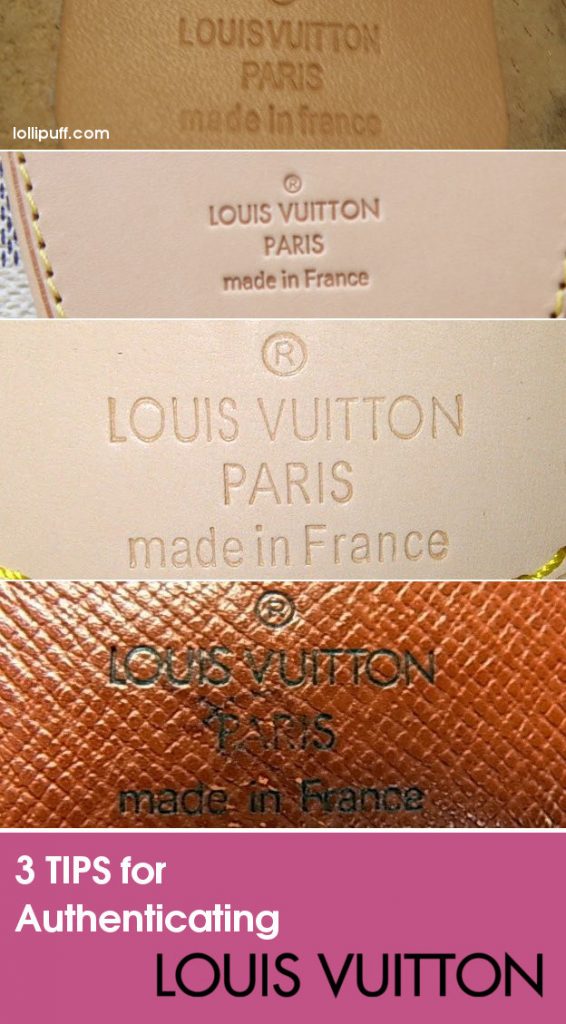
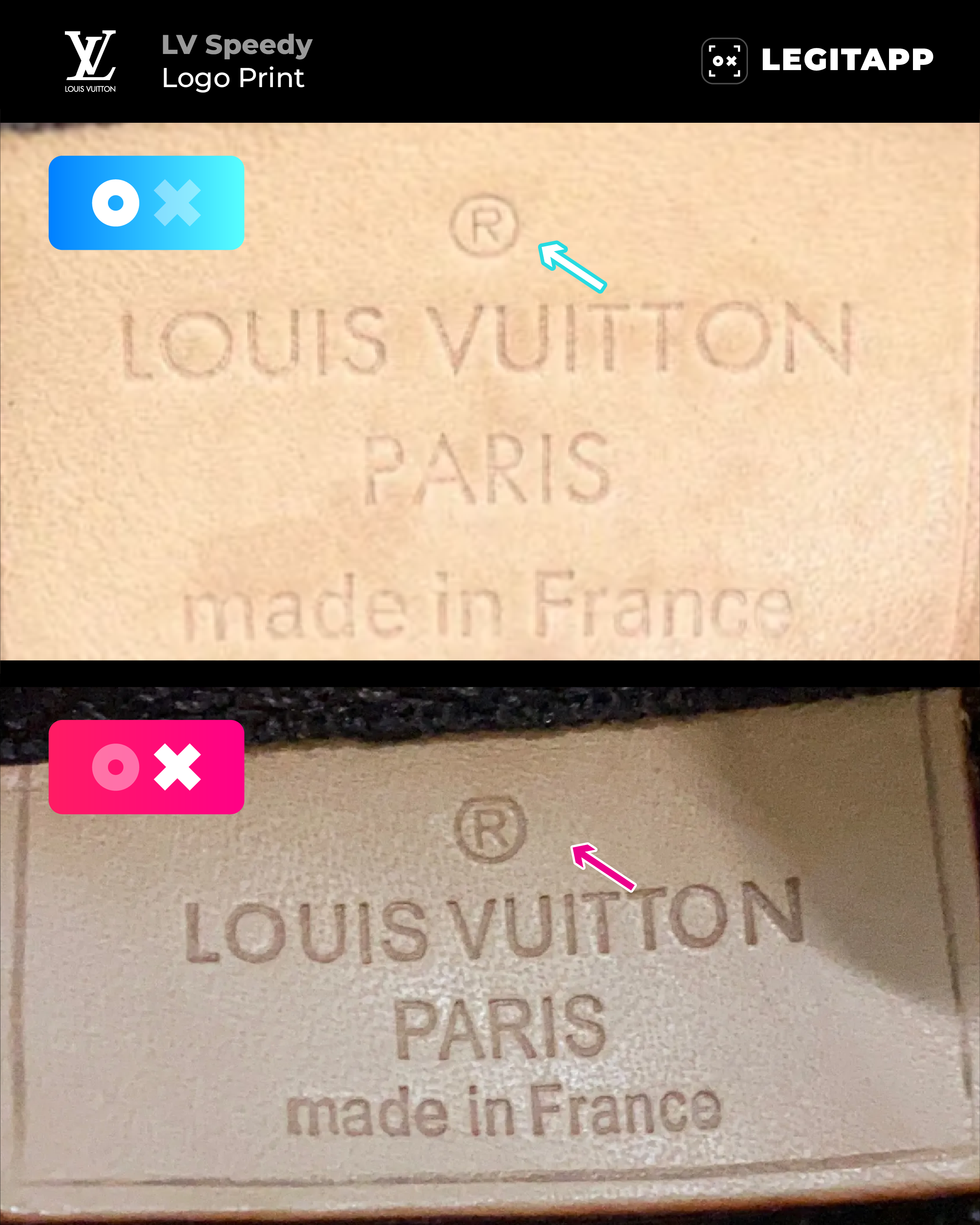
4. Review the heat stamp
The heat stamp is the mark inside the bag that usually shows the Louis Vuitton name and, on many models, “made in” wording.
When you authenticate a Louis Vuitton bag, examine the stamp for:
• Correct font shape
• Even spacing
• Clean letter edges
• Proper depth and placement
• A balanced relationship between the logo and the interior panel
Counterfeit stamps often use thick or uneven letters. The “O” may look too round, the letters may sit too close together, or the stamp may appear deeply pressed into the material.
Still, heat stamps can vary. Older bags, different factories, repairs, and different materials may produce small differences. A stamp that looks slightly unusual is a reason to investigate, not automatic proof of a fake.
5. Check the date code or microchip
Many older Louis Vuitton bags include a date code. A date code can show where and when the bag was produced, but it is not a serial number and does not prove authenticity.
Louis Vuitton changed date code formats over the years. Some codes use letters and numbers. The letters may identify a factory, while the numbers may indicate the production period. Format rules have changed, so the code must match the bag’s age and model.
Since around 2021, Louis Vuitton has moved many products away from visible date codes and toward discreet RFID microchips. A newer bag may not have a traditional date code at all.
This creates two important lessons:
• A missing date code does not automatically mean the bag is fake.
• A correct date code does not automatically mean the bag is real.
Counterfeiters can copy valid codes from genuine bags. Some fake bags even use the same code across many listings. Treat the code as supporting evidence only.
6. Study the stitching
Stitching is one of the most useful construction details. Genuine Louis Vuitton bags usually have neat, consistent stitching that follows the shape of the design.
Count stitches only when you have a reliable comparison for the same model. Stitch counts can vary by location, size, production period, and construction method.
Look for:
• Even stitch length
• Consistent thread tension
• Clean turns at corners
• No loose threads
• Strong attachment points
• Stitching that does not drift away from the edge
A fake may look good from a distance but reveal rushed work under close inspection. Crooked lines, loose thread ends, uneven spacing, and bulky seams are warning signs.
Wear can affect stitching, especially on vintage bags. A few loose stitches do not prove that a bag is counterfeit, but several construction flaws should lower your confidence.
7. Inspect the hardware
Louis Vuitton hardware should feel solid and properly finished. Depending on the model and age, it may be gold-tone, silver-tone, brass, or another finish.
Check zippers, clasps, rings, feet, studs, and engraved pieces. Hardware should move smoothly and sit securely. Engravings should appear clear, centered, and appropriate for the model.
Common warning signs include:
• Very light or hollow-feeling metal
• Peeling finish on a supposedly new bag
• Rough edges
• Misaligned engravings
• Hardware that does not match the model
Do not judge hardware color alone. Vintage pieces may show tarnish, oxidation, scratches, or color changes. A genuine used bag will not always look bright and new.
8. Assess the lining and interior
The interior lining varies by model. It may use textile, microfiber, leather, or another material. The correct lining is important because counterfeiters often use a generic brown or red fabric without matching the original design.
Compare the lining with the model’s known version. Check the pocket shape, label, seam finish, and interior structure.
Pay attention to:
• Correct lining material
• Accurate pocket placement
• Firm but natural structure
• Neat interior seams
• Proper logo placement
• No strong chemical smell
A strong plastic or solvent odor can be a warning sign, although smell alone is not conclusive. Cleaning products, storage conditions, and age can also affect odor.
9. Check the logo and font details
Louis Vuitton uses carefully controlled logo design. Counterfeiters often miss small details in the letters.
Inspect the “LOUIS VUITTON” wording on the heat stamp, zipper pull, hardware, and other locations. Look for consistent font weight and spacing.
Be careful with internet guides that claim every authentic bag must have one exact font. Louis Vuitton has produced many styles across decades. The correct comparison is the same model, era, and material whenever possible.
10. Consider the smell, feel, and structure
Experienced authenticators often use several senses. A genuine bag may have the smell of leather, canvas, textile, or normal storage. A strong chemical odor may suggest low-quality materials, but it is not final proof.
Feel the bag gently. Does the canvas have the expected firmness? Does the bag hold its shape in the way the model should? Are the handles balanced and secure?
These details are subtle, but they help reveal a fake. Luxury construction is like a well-built chair: the quality is visible in the small joints, not just in the overall appearance.
How to authenticate a Louis Vuitton bag by its date and factory code
Date codes deserve special attention because many buyers treat them as the main test. They are useful, but they have clear limits.
A date code generally does not identify one unique bag. It does not work like a modern electronic serial number. A genuine code can be copied, and a damaged or removed code can create confusion.
The code should make sense with:
• The bag’s design
• The estimated production year
• The factory format
• The materials used
• The hardware style
• The country marking
For example, if a seller claims that a bag is from the early 2000s but the code format belongs to a later period, ask for more evidence. The same applies if the code location does not fit that model.
A newer Louis Vuitton bag may contain an RFID chip instead of a visible code. Most consumers cannot reliably scan or interpret these chips with a standard phone. Do not buy an expensive bag based only on a seller’s claim that it contains a chip.

Signs that a Louis Vuitton bag may be counterfeit
No single warning sign proves that a bag is fake. Several warning signs together should make you pause.
Watch for:
• A price far below the normal resale range
• Poor or blurry monogram printing
• A strong chemical smell
• Crooked heat stamps
• Uneven stitching
• Cheap-feeling hardware
• A date code that conflicts with the model
• Wrong lining or pocket layout
• Misspelled words
• A seller who refuses detailed photos
• Stock images instead of photos of the actual bag
• Pressure to pay quickly
Price is especially useful as a risk signal. A discount can be reasonable for heavy wear, missing accessories, or a rare flaw. But an almost-new bag listed far below the market price deserves careful review.
A receipt is also not enough. Receipts can be altered, copied, or matched with another item. Focus on the bag itself and the seller’s full history.

How to authenticate a Louis Vuitton bag from photos
Photo authentication can help with an early screening, but it has limits. A photo can hide odor, texture, weight, and small construction flaws.
Ask for clear photos of:
• The front and back
• Both side panels
• The base and corners
• The handle attachments
• The heat stamp
• The date code area
• The lining
• Every pocket
• The zipper and hardware
• The stitching at key seams
Use natural light when possible. Ask the seller not to use filters, heavy shadows, or extreme close-ups. Compare the photos with multiple trusted references, not just one online listing.
When I review a listing, I pay close attention to missing views. If a seller shows only the front of the bag but avoids the interior, handle attachments, or heat stamp, I treat that gap as important information.
Photos can support a decision, but they cannot provide certainty in every case. For a high-value purchase, use a professional service with a clear refund or dispute policy.

Professional Louis Vuitton authentication services
A reputable authentication service can be useful when the bag is expensive, rare, vintage, heavily altered, or difficult to identify.
Look for a service that:
• Uses trained authenticators
• Explains its process clearly
• Reviews detailed images
• States its limitations
• Provides a written result
• Offers a clear policy if the result is challenged
• Does not promise a result before reviewing the bag
Some services offer only online opinions. Others inspect the physical bag. In-person inspection is often stronger because the expert can assess texture, smell, weight, stitching, and construction.
Remember that authentication opinions can differ. Vintage bags, repaired items, and unusual limited editions may be difficult to assess. A professional result is valuable evidence, but it should come from a service with a strong reputation and transparent standards.

Common mistakes when authenticating a Louis Vuitton bag
Trusting the date code alone
A valid-looking code can appear on a counterfeit. Always compare the code with the entire bag.
Believing that perfect symmetry is required
Some authentic bags have pattern variation because of how the canvas was cut. Use model-specific comparisons rather than rigid rules.
Assuming all old bags look new
Vintage Louis Vuitton bags may have patina, scratches, odor, tarnish, and interior wear. Age changes appearance.
Rejecting a bag because it lacks a visible code
Newer bags may use RFID technology. Some older codes may also fade or become difficult to read.
Treating packaging as proof
Boxes, dust bags, tags, and receipts can be copied. They support a purchase story but do not authenticate the bag.
Using one online photo as the standard
Different models and production years can have different details. Compare several reliable references.
Cleaning the bag before authentication
Aggressive cleaning can damage leather, remove finish, or hide important evidence. Photograph the bag in its current condition first.
Ignoring the seller
A seller’s behavior matters. Clear answers, detailed photos, proof of purchase, and a reasonable return policy can reduce risk. Evasive answers and urgent payment requests should do the opposite.

A practical Louis Vuitton authentication checklist
Before buying, save this checklist and review each point:
-
Identify the exact model and size.
-
Compare the shape with trusted reference images.
-
Check the canvas pattern and color.
-
Review the leather trim and signs of patina.
-
Examine the heat stamp and font.
-
Look for the correct date code or understand that newer bags may use a microchip.
-
Inspect stitching and seam quality.
-
Test the feel and movement of the hardware.
-
Confirm the lining and pocket layout.
-
Review the seller’s photos, history, and return policy.
-
Compare the price with similar sold listings.
-
Get professional authentication for a costly or uncertain purchase.
Keep screenshots of the listing and all messages. If the bag turns out to be counterfeit, this information may help with a marketplace dispute, payment claim, or return request.

What to do if you suspect a fake Louis Vuitton bag
Do not resell the bag while you are still uncertain. Selling a counterfeit item can create legal and financial problems, even if you did not know it was fake.
Save all evidence, including:
• The original listing
• Seller messages
• Payment records
• Shipping details
• Photos from the listing
• Your own inspection photos
Contact the marketplace or payment provider quickly. Many platforms have strict deadlines for disputes.
You can also seek a written opinion from a recognized authentication service. Do not cut, alter, or discard the bag before documenting it. If the item came from a store or established reseller, request their review and follow the stated return process.
Frequently asked questions
Can a Louis Vuitton date code prove that a bag is authentic?
No. A date code can support an authentication decision, but counterfeiters can copy genuine codes. The code must match the bag’s model, age, factory format, and construction details.
Do all authentic Louis Vuitton bags have a date code?
No. Many newer Louis Vuitton bags use an RFID microchip instead of a visible date code. Older codes may also be worn, hidden, or difficult to read.
Is a Louis Vuitton bag fake if the monogram is cut at a seam?
Not necessarily. Pattern placement depends on the model and how the canvas was cut. Compare the bag with the same model instead of relying on a general rule.
Can a receipt authenticate a Louis Vuitton bag?
A receipt cannot prove that the bag is genuine. Receipts can be copied or connected to another item, so inspect the bag’s materials, construction, and provenance.
What is the safest way to authenticate a Louis Vuitton bag?
Use a full inspection of the model, canvas, leather, heat stamp, stitching, hardware, lining, and production details. For an expensive purchase, use a reputable professional service and choose a seller with a clear return policy.
Can Louis Vuitton authenticate a bag for free?
Policies can vary, and the brand does not generally provide a simple public authentication service for every secondhand item. Contact an official boutique for current guidance, but do not assume a store visit will produce a written resale authentication.
Is a low price proof that a Louis Vuitton bag is fake?
No, but it is a strong warning sign when the discount is extreme. Genuine bags can sell for less because of wear, missing accessories, or urgent sales, so review the full listing before deciding.
Conclusion
Knowing how to authenticate a Louis Vuitton bag means looking at the complete story, not one detail. Check the model, canvas, leather, heat stamp, stitching, hardware, lining, date code, and seller history together.
Date codes and receipts can support your review, but neither one proves authenticity. When the price is high or the bag is unusual, professional authentication is the sensible final step.
Take your time, ask for clear photos, and never let a seller pressure you into a fast payment. Use these checks before you buy, then explore trusted luxury resale resources or share your own authentication experience in the comments.

Zayden Halbrook is a travel enthusiast and gear researcher passionate about making every journey smoother and more enjoyable. With a keen eye for practical travel essentials and real-world tips, he helps readers choose the right gear and travel smarter. When he’s not testing travel kits or exploring new destinations, Zayden shares simple, reliable advice to make every trip stress-free.