A spray ground backpack is a portable water reservoir and dispenser for splash parks.
I build splash areas and have tested dozens of models, so I know exactly what a spray ground backpack is, how it works, and why parks and families choose one. This article breaks down the spray ground backpack from design and safety to choosing, using, and maintaining it. Read on for clear, practical guidance and insider tips you can use today.
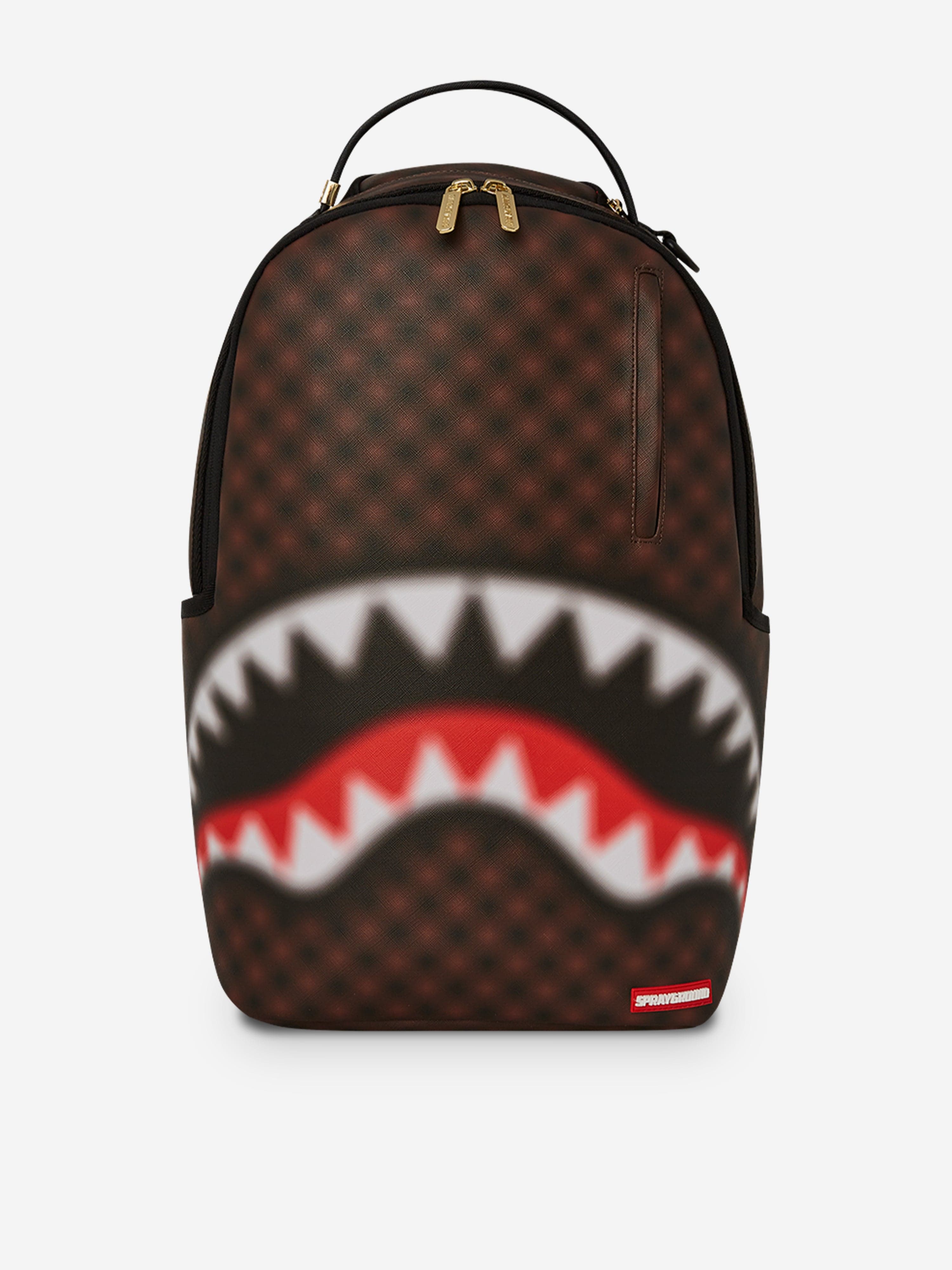
What is a spray ground backpack?
A spray ground backpack is a wearable tank that feeds water to spray features. It is often used at splash pads, temporary play zones, and events to power fountains or handheld sprayers without permanent plumbing.
These backpacks let operators move water sources around. They can run misting nozzles, trigger sprayers, or supply pressure to small ground jets. A spray ground backpack can be a simple gravity-fed reservoir or a pressurized system with a pump.
Common users include park staff, event crews, maintenance teams, and parents running pop-up water play. The goal is flexible, portable water delivery for splash play and cooling.
Key components and features
A modern spray ground backpack usually includes:
- Tank body made of polyethylene or reinforced fabric for durability.
- Shoulder straps and waist belt for stable wear during operation.
- Pump system that can be manual, battery-powered, or electric to create pressure.
- Nozzles and fittings to shape spray patterns and flow rate.
- Quick-fill caps and drain valves for easy refill and emptying.
- Optional filtration to reduce debris and clogging.
- Safety features such as pressure relief valves and secure latches.
Knowing these parts helps you match a backpack to your needs. For example, a battery pump adds range but needs charging. A non-pressurized tank is simpler and cheaper but offers limited spray height.

Common types and use cases
There are a few practical categories of spray ground backpack:
- Gravity-fed backpacks for low-pressure, short-range sprays at kid-focused play zones.
- Pressurized backpacks with hand or electric pumps to reach higher jets or longer hoses.
- Misting backpacks designed to produce fine cooling fog for heat relief areas.
- Custom modular units that connect to multiple nozzles for temporary splash features.
Use cases include splash pad maintenance, seasonal pop-up parks, event cooling stations, and mobile demonstrations of water play features. I have used pressurized backpacks for small festival splash features and found them ideal for quick setup.

Benefits of using a spray ground backpack
A spray ground backpack offers clear advantages:
- Portability allows temporary placement of water features almost anywhere.
- Lower cost than installing permanent plumbing or pump systems.
- Fast setup and takedown make it ideal for events and short-season parks.
- Flexibility to test layouts before committing to permanent installations.
- Reduced water waste when paired with recirculating or supervised systems.
In my experience, the biggest benefit is speed. At one community festival, a single backpack ran three pop-up stations in under an hour, saving labor and avoiding permit delays.
How to choose the right spray ground backpack
Pick the right model by checking these factors:
- Capacity: Choose a tank size that matches run time needs and refill access.
- Pressure system: Decide between manual, battery, or electric pumps for required spray reach.
- Mobility: Look for padded straps and balanced weight for long use.
- Materials: Durable plastics and corrosion-resistant fittings extend life.
- Nozzle options: Interchangeable nozzles let you change spray patterns quickly.
- Safety features: Prioritize pressure relief and secure closures to prevent leaks.
Practical checklist before you buy:
- Estimate run time needed on a single fill.
- Measure how far and how high you need the spray to reach.
- Confirm battery life if using a powered pump.
- Test weight distribution with water to ensure operator comfort.
- Check warranty and parts availability.
My tip: test a unit filled to capacity outdoors for at least 30 minutes before using in public. That spot-tested comfort check will save headaches.
How to use a spray ground backpack safely
Follow these basic steps:
- Inspect the backpack for cracks, loose fittings, and secure straps before each use.
- Use potable water and proper filtration when possible to protect public health.
- Do not over-pressurize the tank; respect the rated limits and use pressure relief valves.
- Position the wearer safely away from tripping hazards and direct spray away from eyes.
- Rotate operators for long shifts to reduce strain.
Safety routines reduce injuries and avoid equipment failure. I advise scheduling short operator rotations and storing a simple leak kit with hose clamps and tape nearby.

Maintenance and storage
Simple care extends life:
- Rinse tanks after each use and drain completely.
- Clean nozzles to prevent mineral build-up and clogs.
- Recharge and cycle batteries per manufacturer instructions.
- Store dry in a cool, shaded place to avoid UV damage.
- Replace seals and valves at the first sign of wear.
A routine calendar works well. I keep a weekly checklist when running seasonal splash sites. It saves time and prevents mid-season breakdowns.
Environmental and regulatory considerations
Use these guidelines when operating a spray ground backpack:
- Follow local public health rules for water play and potable water use.
- Avoid creating standing water where mosquitoes could breed.
- Use biodegradable cleaners and avoid harsh chemicals that harm landscapes.
- Consider water recovery or supervised recirculation to reduce waste.
Being proactive about regulations avoids fines and keeps the community safe. If you plan public use, check local codes before setup.
Personal experience and lessons learned
I once managed a pop-up splash area that relied on three pressurized backpacks. We learned:
- Always have spare nozzles and hose fittings on hand.
- Balance load with a waist strap; a heavy backpack without a waist strap quickly fatigues an operator.
- Label tanks with capacity and date of last clean to maintain hygiene.
- Train staff on leak response and battery checks.
Those lessons cut downtime by half during a busy summer schedule. The backpacks performed well when matched to the right tasks.
Frequently Asked Questions of what is a spray ground backpack
What is the main purpose of a spray ground backpack?
A spray ground backpack provides a portable water source for splash features and misting stations. It allows temporary or mobile water play without fixed plumbing.
How long can a spray ground backpack run on one fill?
Run time depends on tank capacity and nozzle flow rate, but small units often run 30–90 minutes. Pressurized systems may run longer if paired with efficient nozzles and larger tanks.
Is a spray ground backpack safe for public use?
Yes, when used with potable water, proper filtration, and adherence to pressure and hygiene guidelines. Regular cleaning and operator training are essential.
Can a spray ground backpack reach high spray jets?
Pressurized backpacks with electric or battery pumps can reach taller jets, but range is limited compared to permanent pump systems. Choose pump power based on required height.
Do spray ground backpacks need special maintenance?
They need routine rinsing, nozzle cleaning, battery care, and seal inspections. Simple maintenance prevents clogs and extends service life.
Are spray ground backpacks allowed in all parks?
Regulations vary by jurisdiction; many parks allow portable units for events, but permanent public installations often require permits. Check local rules before use.
Conclusion
A spray ground backpack is a practical, portable solution for powering splash pads and temporary water features. It offers flexibility, lower cost, and fast setup when matched to the right capacity and pump type. With simple maintenance, proper training, and attention to local rules, a spray ground backpack can be a reliable tool for parks, events, and mobile cooling.
Takeaway: test units before public use, prioritize safety and cleanliness, and choose features that match your spray goals. If you manage or plan a splash area, consider a spray ground backpack for quick, flexible water play setups. Share your questions or experiences below, or subscribe to stay updated on best practices for splash play equipment.

Zayden Halbrook is a travel enthusiast and gear researcher passionate about making every journey smoother and more enjoyable. With a keen eye for practical travel essentials and real-world tips, he helps readers choose the right gear and travel smarter. When he’s not testing travel kits or exploring new destinations, Zayden shares simple, reliable advice to make every trip stress-free.