Use tree straps, carabiners, and proper knots; hang at shoulder height with 12–15 feet between anchors.
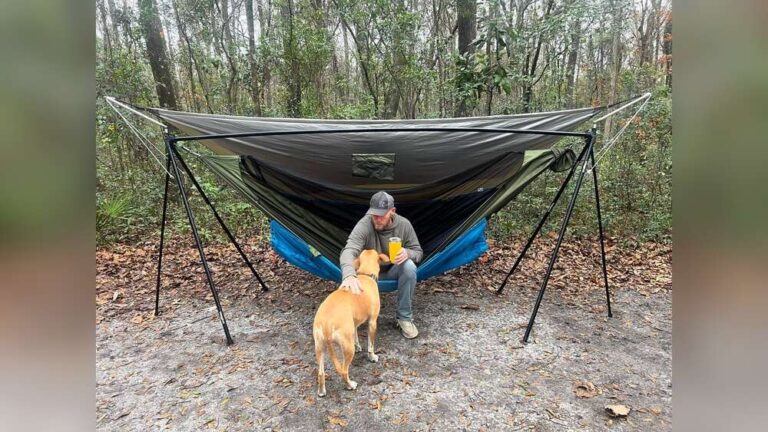
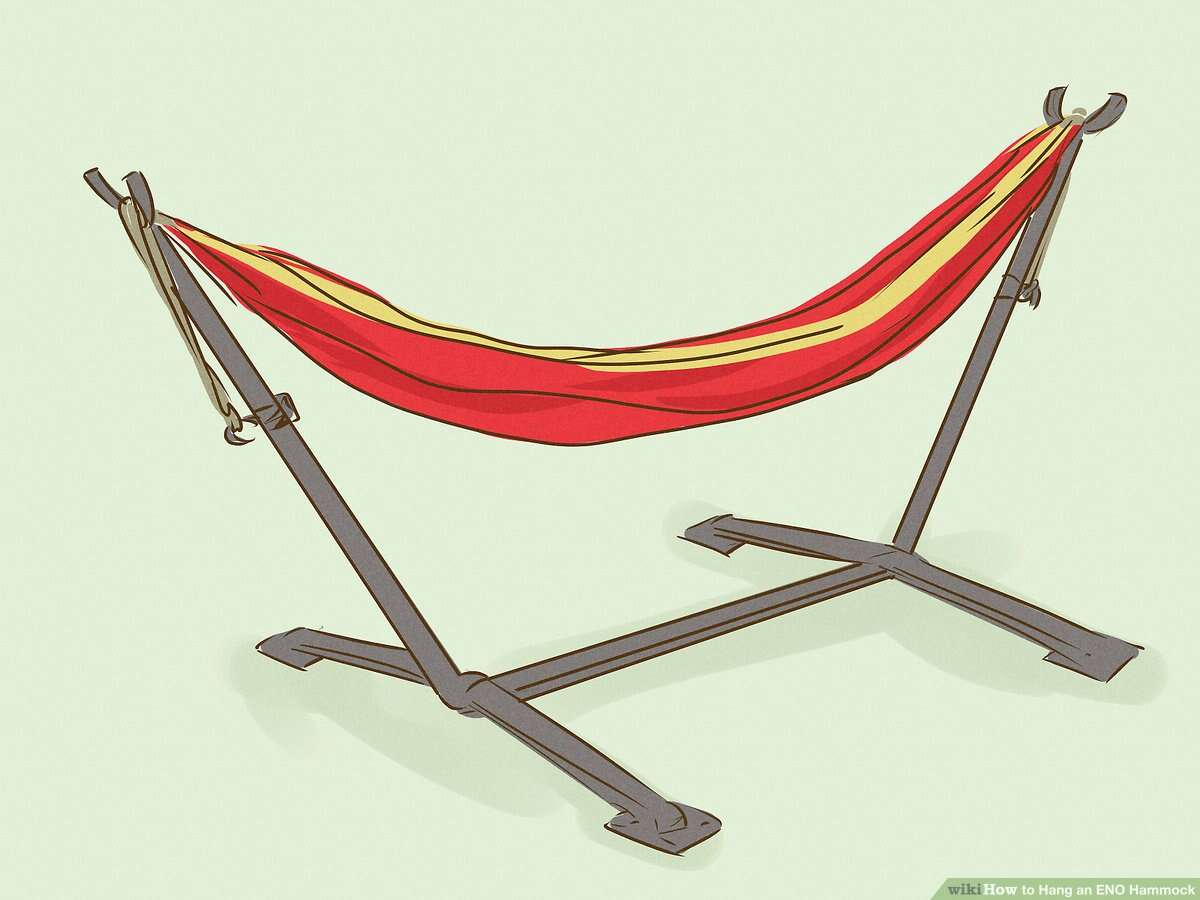
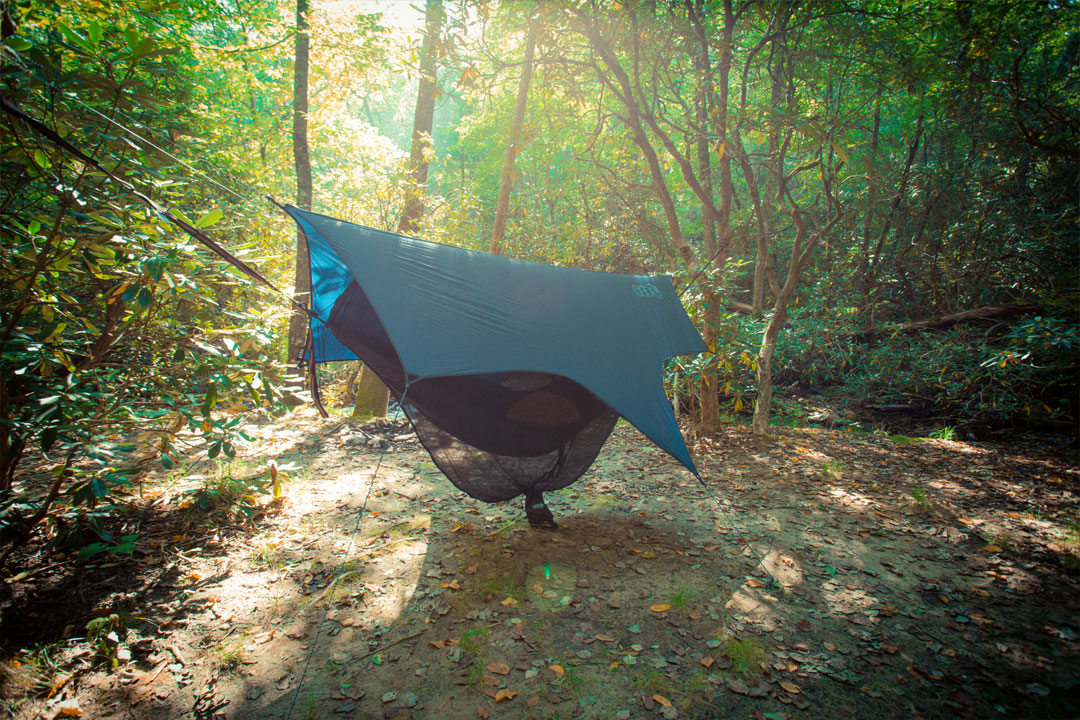
I’ve set up dozens of ENO hammocks in backyards, parks, and campsites. This guide on how to set up eno hammock walks you through each step with clear gear tips, safety checks, and common mistakes I’ve learned the hard way. You’ll get precise measurements, step-by-step photos to imagine the process, and simple adjustments for comfort and safety.

What you need before you learn how to set up eno hammock
Start with the gear. Knowing what you need makes setup fast and safe.
- ENO hammock (single or double)
- Tree straps rated for hammocks or webbing
- Two carabiners if not built-in
- Measuring tape or pace to judge distance
- A small knife or scissors for trimming tags if needed
- Optional: Ridgeline, bug net, tarp, or suspension upgrade
Check the weight limit on your hammock label. Pack only what you need. The right straps save tree bark and make setup easier. If you own multiple hammocks, practice at home once before taking it out.
Choosing anchor points and distance
Good anchors make or break your hang. Trees are best. Poles, posts, or sturdy beams work too.
- Pick trees at least 6 inches in diameter. Larger is safer.
- Aim for 12–15 feet of distance between anchors for a standard ENO hammock.
- Look for healthy bark, no dead branches, and solid ground below.
- If using posts, ensure they are deeply set and rated for load.
Measure the distance roughly before attaching straps. If anchors are closer, use longer straps or adjust the angle. If they are farther, move to a different pair of anchors. Proper spacing ensures a good sag and a comfortable lie.

Step-by-step: how to set up eno hammock
Follow simple steps to hang quickly and safely.
- Find anchor trees roughly 12–15 feet apart.
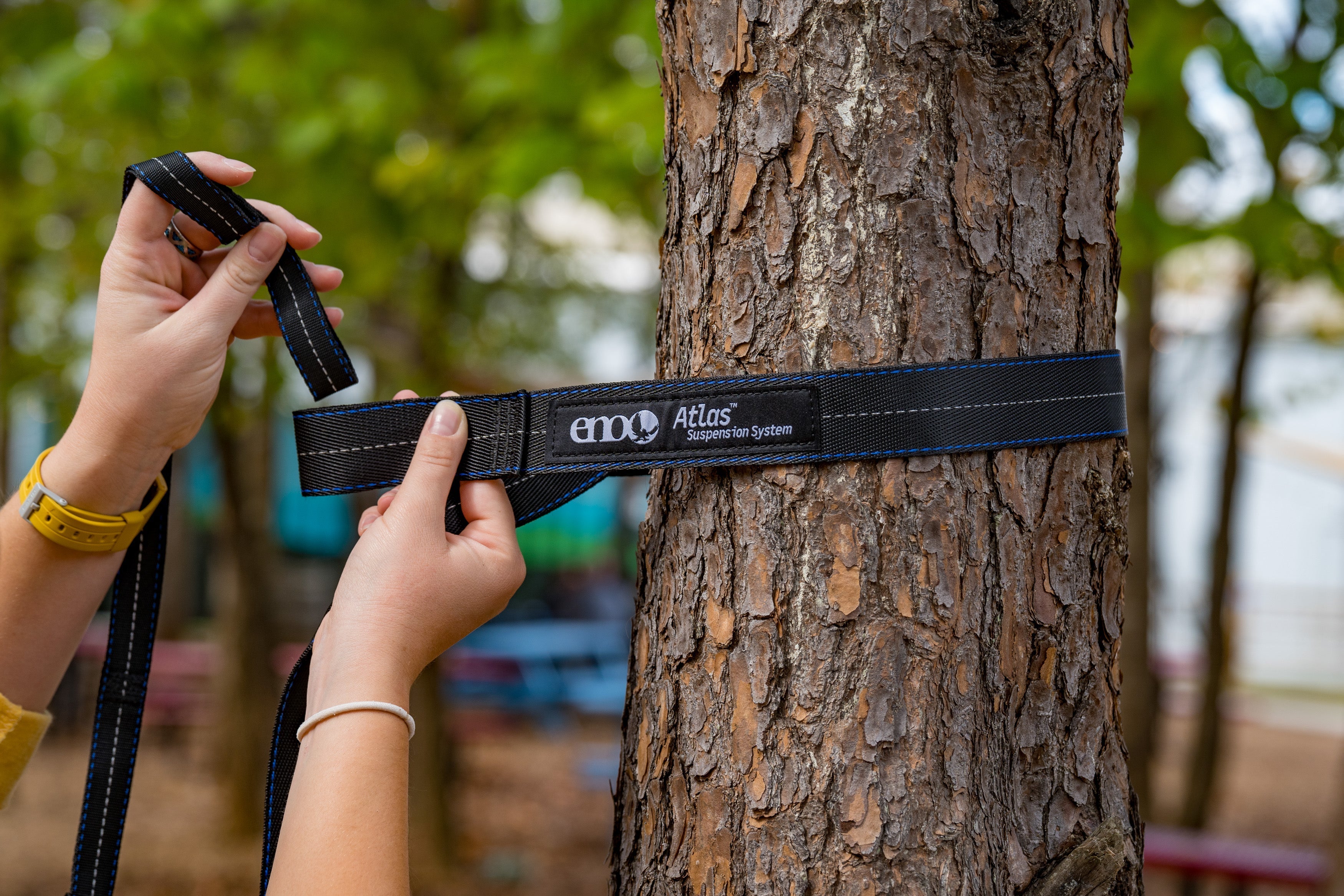
- Wrap one strap around the trunk at about 5–6 feet height.
- Loop the strap through its sewn loop or rungs to form a secure wrap.
- Clip the carabiner from the hammock to the strap loop.
- Repeat on the second tree, keeping the hammock centered.
- Test by pressing down with your hands, then sit gently.
- Adjust height so the hammock sits about 18 inches off the ground when loaded.
If your ENO includes daisy chains or adjustable straps, use the same attachment logic. Always attach carabiners to the strap’s rated loops. Avoid tying rope directly to trees; use straps to protect trees and add safety.

Adjusting sag, angle, and height for comfort
Comfort comes from small changes. Learn to tune the hammock for sleep or lounging.
- Aim for a 30-degree hang angle between strap and hammock.
- When loaded, the hammock should cradle your body with minimal pressure points.
- Raise or lower by moving the carabiner to a different strap rung.
- To lie flat, rotate slightly and place your body along the diagonal.
A low sag feels snug for sleeping. A higher hang is better for quick sits. I prefer a slightly flatter lie for naps; this reduces hip pressure and helps me sleep without a sleeping pad.

Safety: load limits, wear checks, and good habits
Safety keeps the fun going. Check gear and environment each time.
- Inspect straps and webbing for frays before use.
- Check carabiners for cracks or gate issues.
- Keep weight under the hammock’s rated limit.
- Avoid hanging over rocks, water, or sharp objects.
- Don’t swing hard or spin; dynamic loads stress anchors.
I once ignored a small fray and replaced the strap afterward. Don’t let small damage become a hazard. Replace worn components and store the hammock dry to extend life.

Care, storage, and maintenance
Simple care extends gear life and keeps your setup reliable.
- Hand wash or machine wash on gentle cycle if label allows.
- Air dry fully before storing to avoid mildew.
- Keep straps and hammock out of direct sunlight when not in use.
- Repair small tears promptly with proper patch kits or pro service.
Regularly check stitching and seams. Keep a small repair kit in your pack for multi-day trips.
Common mistakes, tips, and real-world lessons
I’ve made these mistakes so you don’t have to. Learn from my experience.
- Mistake: Hanging too high. Tip: Start low and test with a sit.
- Mistake: Using thin rope. Tip: Use wide straps to protect trees and hold load.
- Mistake: Wrong distance. Tip: Measure before you set up to avoid redoing knots.
- Tip: Bring a spare carabiner and an extra strap.
- Tip: Practice at home to learn strap loops and carabiner positions.
A key trick I use is marking my favorite strap loop with a bit of colored tape. It speeds setup in the dark.

Troubleshooting and quick fixes
If something feels off, try these quick checks.
- If hammock slips down: Tighten the strap wrap and reattach carabiners.
- If hammock is too stiff: Move to a lower strap loop or use a longer strap.
- If trees are too close: Angle straps upward and accept a tighter lay.
Can I use rope instead of straps? You can, but it hurts tree bark and often fails safety tests. Use purpose-made straps for strength and tree protection.
How high should I hang an ENO? Follow the 12–15 feet anchor rule and aim for about 5–6 feet strap height before load. Adjust lower once you sit to land around 18 inches off the ground.
PAA-style quick answers (short, focused)
What tools do I need to set up quickly? Use tree straps, carabiners, and the ENO hammock. No rope recommended.
Can I hang ENO between posts or beams? Yes, if they are structurally sound and spaced about 12–15 feet apart. Use straps or proper hardware.
Is it safe to sleep overnight in an ENO? Yes, when hung correctly and inspected for wear. Use a proper bug net and rain tarp if needed.
Frequently Asked Questions of how to set up eno hammock
How far apart should trees be for an ENO?
Aim for 12–15 feet between anchor points for a standard setup. This distance gives the right sag and comfort.
Can I use rope if I don’t have straps?
You can, but it’s not recommended. Rope can damage trees and may not be strong or secure enough.
At what height should I tie the straps?
Wrap straps around the tree at about 5–6 feet high before loading. Adjust after you sit to get roughly 18 inches above the ground.
How do I avoid a pressure point at my hips?
Lie diagonally and use a lower sag. A small pad under hips can help for long sleeps.
How do I check my hammock for safety?
Inspect straps, carabiners, seams, and fabric for frays, cracks, or wear. Replace damaged parts before use.
Can I hang an ENO hammock indoors?
Yes, with rated ceiling anchors or beams and proper load-rated hardware. Follow installation guides and local codes.
Conclusion
You now have a clear, safe plan for how to set up eno hammock. Start with good gear, pick solid anchors, and follow simple steps for height and angle. Practice at home, inspect equipment, and use straps to protect trees. Try one setup and adjust until it feels right.
Take action today: try a quick backyard setup, test your straps, and leave a note below about your favorite hang spot or a tip you learned.

Zayden Halbrook is a travel enthusiast and gear researcher passionate about making every journey smoother and more enjoyable. With a keen eye for practical travel essentials and real-world tips, he helps readers choose the right gear and travel smarter. When he’s not testing travel kits or exploring new destinations, Zayden shares simple, reliable advice to make every trip stress-free.