How To Attach A Hammock To A Tree
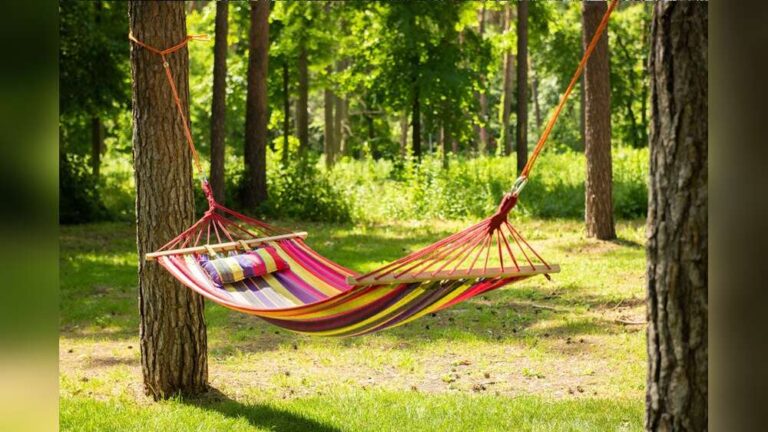
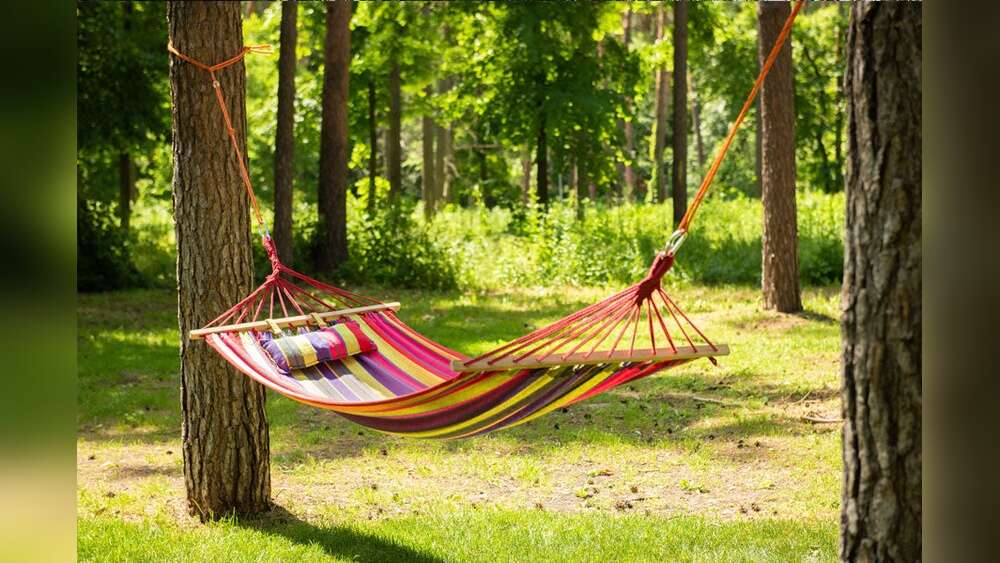
There is something special about lying in a hammock under the open sky. The gentle sway, the cool breeze, and the feeling of freedom make it a favorite way to relax outdoors. But if you have never set up a hammock between two trees before, it can feel tricky.
You might worry about safety, harming the tree, or choosing the right method. I have hung hammocks in backyards, forests, and even next to mountain streams. Over the years, I have learned what works, what does not, and what most people miss when trying it for the first time.
In this guide, I will show you how to attach a hammock to a tree safely and easily. You will learn about the tools you need, the best knots and straps, and how to avoid common mistakes. I will also share some personal tips and tricks that come from real experience.
By the end, you will feel confident setting up your own hammock anywhere trees grow strong and tall.
Why The Right Attachment Method Matters
Many people think hanging a hammock is as simple as tying a rope between two trees. But there is more to it if you want safety and comfort. The wrong method can damage trees, cause your hammock to fall, or even hurt you. Using good techniques helps you:
- Protect the bark and health of trees
- Avoid sudden falls or injuries
- Keep your hammock stable and comfortable
- Set up quickly and enjoy more time relaxing
Years ago, I used a thin rope for my first backyard hammock. After a few hours, I saw the rope cutting into the tree bark. I realized I needed a better way—not just for the hammock, but for the tree’s sake too.
That lesson stuck with me, and now I always use wide straps and proper knots.
Choosing The Right Trees
Not all trees are safe for hammocks. Picking the right ones is the first step to a good setup.
What To Look For In A Tree
- Healthy trunk: The tree must be alive and free from disease or rot. Avoid trees with loose bark, fungus, or holes.
- Thickness: A good tree should be at least 8 inches (20 cm) across. Thinner trees might bend or break.
- Strong branches: If you plan to hang the hammock higher, look for strong branches with no signs of weakness.
- Distance apart: The trees should be about 12 to 15 feet (3.5 to 4.5 meters) apart. This fits most hammocks well.
Trees To Avoid
- Young or thin trees
- Dead or dying trees
- Trees with thorns
- Trees with poison ivy, oak, or similar
I once tried to hang a hammock on a tree that looked strong but was hollow inside. It snapped under my weight, and I landed on the ground. After that, I always check carefully before setting up.

Credit: www.tentsile.com
Essential Gear For Attaching A Hammock
You do not need a lot of gear, but the right items make your setup safe and easy.
Basic Items
- Hammock: Make sure it is made for outdoor use.
- Tree straps: Wide, strong straps (at least 1 inch wide) are best. They protect the tree and support your weight.
- Carabiners or hooks: These connect the hammock to the straps.
Optional But Useful
- Rope: For extra length or certain knots.
- Hammock suspension system: Pre-made kits with straps and carabiners.
- Bug net or rain fly: For extra comfort in the wild.
Here’s a quick comparison of different suspension options:
| Type | Tree Safety | Ease of Use | Weight Capacity |
|---|---|---|---|
| Tree straps | Excellent | Very easy | 400+ lbs |
| Rope | Poor (unless wide) | Moderate | Varies |
| Chain | Poor | Hard | High |
If you are buying new gear, look for tree-friendly straps and high-quality carabiners. Avoid cheap ropes and chains, which can hurt the tree and may not hold your weight.
Step-by-step: How To Attach A Hammock To A Tree
Attaching a hammock is simple if you follow the right steps. Here is how I do it every time:
1. Measure The Distance Between Trees
Stand between your chosen trees. If they are too close, your hammock will sag; too far, and it will be too tight. Most hammocks fit well with 12 to 15 feet apart.
2. Wrap The Tree Straps
- Place the strap around the tree at about head height (5 to 6 feet or 1.5 to 1.8 meters).
- Make sure the strap is flat and not twisted.
- Pull the end through the loop and tighten it against the tree.
Tip: Use wide straps, not thin ropes. Wide straps (at least 1 inch) spread the weight and protect the bark.
3. Attach The Hammock To The Straps
- Clip your carabiner or hook through the strap loop and the hammock end.
- Make sure the connection is strong and locked.
- Repeat on the other tree.
4. Adjust The Height And Tension
- When you sit in the hammock, the lowest point should be about 18 inches (45 cm) above the ground.
- Adjust the straps until the hammock hangs like a smile, not a straight line.
- The ideal angle from the strap to the tree is about 30 degrees.
5. Check Everything Before Use
- Gently sit down first to test the setup.
- Look for slipping straps, weak tree spots, or loose carabiners.
- If everything holds, you are ready to relax.
I always check both trees and straps after setting up. Once, in a hurry, I forgot to double-check a strap. It slipped, and I ended up on the ground with a bruised ego. Take your time—it is worth it.
:strip_icc()/deck-tree-hammock-d1faccac-127e33fa22204302bb589ea0b23136b2.jpg)
Credit: www.bhg.com
Best Knots For Hammocks (if You Use Rope)
Sometimes, you may not have straps and need to use rope. Some knots are better than others for hammocks.
Top Knots To Know
- Bowline knot: Strong and will not slip. Good for making a fixed loop.
- Becket hitch: Simple and easy to untie after use.
- Double fisherman’s knot: Joins two ropes together securely.
- Taut-line hitch: Lets you adjust the tension of your hammock.
Here’s a quick knot comparison for hammock use:
| Knot Name | Strength | Easy to Untie? | Best Use |
|---|---|---|---|
| Bowline | High | Yes | Fixed loop |
| Becket hitch | High | Yes | Direct to hammock |
| Taut-line hitch | Medium | Yes | Adjust tension |
| Double fisherman’s | High | No | Join ropes |
If you are not sure how to tie these knots, practice at home with a rope. A little time learning knots will save you a lot of trouble outdoors.
Tree Protection And Leave No Trace
Hammocks are great for relaxing, but they can harm trees if not used carefully. The bark protects the tree, and damage can let in bugs or disease. Here is how to protect both the tree and your hammock experience.
Use Tree-friendly Straps
- Always use wide straps (1 inch or more).
- Avoid ropes or cords that can cut into the bark.
- Move your straps a little each time to avoid scarring the same spot.
Follow Leave No Trace Principles
- Take your hammock down when you leave.
- Do not break branches or harm roots.
- Pick trees that can handle your weight without bending.
One time, I saw deep scars on a popular tree at a campground. Too many people had used thin ropes. Now, I remind friends to use straps every time. Protecting trees means hammocks can be enjoyed for years to come.

Credit: www.housebeautiful.com
Hammock Safety Tips
Relaxing in a hammock feels safe, but accidents can happen. Here are some tips to keep you secure:
- Never hang over sharp rocks or water. Choose a flat, clear spot below.
- Do not hang too high. The bottom of your hammock should be about chair height.
- Check all gear before use. Look for frayed straps, weak trees, or worn carabiners.
- Do not overload. Check your hammock’s weight limit and do not exceed it.
- Hang at the right angle. A 30-degree strap angle is ideal for comfort and safety.
A friend once tried to fit two adults and a child in a small hammock rated for 250 lbs. It tore and dumped them out! Always check your gear’s weight rating.
Common Mistakes (and How To Avoid Them)
It is easy to make mistakes when you are new to hammocks. Here are the most common ones I see—and how to avoid them.
Using Thin Rope
Thin rope cuts into the bark and may snap. Always use wide straps for safety.
Hanging Too Tight
A tight hammock feels stiff and can break the suspension. Aim for a gentle curve in the hammock.
Choosing Weak Trees
Young, thin, or sick trees might not hold you. Pick strong, healthy trunks.
Skipping The Gear Check
Always check your setup before you sit. A loose knot or strap can fail fast.
Ignoring Angle And Height
Hammocks hung too high or too flat are uncomfortable and unsafe. Adjust to chair height with a 30-degree angle.
When I first started, I rushed my setup and once ended up with my hammock only a few inches above the ground. It looked funny, but it was not comfortable! Learn from my mistakes and take your time.
Advanced Tips For A Better Hammock Experience
Once you know the basics, you can make your hammock even more comfortable.
Adjust For Comfort
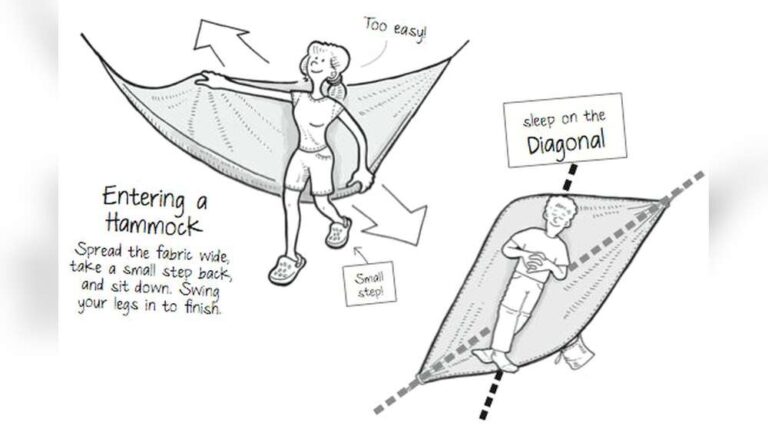
- Lie diagonally. This flattens your body and feels better.
- Add a pillow or underquilt. For chilly nights, an underquilt keeps you warm.
- Use a bug net. Keeps mosquitoes away in summer.
Make Setup Faster
- Mark your favorite tree spots with a small tag or ribbon.
- Keep your straps and hammock in one bag for easy packing.
- Practice at home so you can set up quickly in the wild.
Weather Protection
- Bring a rain fly or tarp to stay dry during rain.
- In windy weather, hang your hammock lower for more stability.
On one camping trip, I woke up soaked because I forgot a rain fly. Now I always pack one, even if the sky looks clear.
How To Attach A Hammock For Overnight Camping
If you plan to sleep in your hammock overnight, there are extra things to consider.
Choose The Right Spot
- Pick a flat area away from rivers, cliffs, or animal trails.
- Avoid hanging under dead branches (“widowmakers”).
Add Insulation
- Use an underquilt or sleeping pad to stay warm at night.
- Bring a sleeping bag rated for the expected temperature.
Hang A Rain Fly
- Secure a rain fly above your hammock, with the edges low.
- Make sure water can run off and not drip onto you.
Use A Bug Net
- Essential in summer or near water.
- Some hammocks have built-in nets; others need to be added.
Camping in a hammock is great if you prepare for bugs, cold, and rain. A little extra planning makes a big difference in your comfort.
Comparing Hammock Attachment Kits
Many brands sell hammock attachment kits. Here is how some popular options compare:
| Kit | Includes Straps? | Includes Carabiners? | Max Weight | Tree Friendly? |
|---|---|---|---|---|
| ENO Atlas Straps | Yes | No | 400 lbs | Yes |
| Kammok Python | Yes | No | 500 lbs | Yes |
| Generic Rope Kit | No | Yes | 250 lbs | No |
If you are starting out, a kit with wide straps is best. Avoid rope-only kits, unless you are sure you can tie safe knots and will not hurt the trees.
Environmental Impact And Responsible Hammocking
Hanging a hammock is fun, but it is important to think about the environment. Damaged trees take years to recover. Crowded campsites can get worn down by repeated use.
Be A Responsible Hammock User
- Move your straps each time to avoid hurting the tree.
- Do not hang from rare or slow-growing trees.
- Pack out all trash, even if it is not yours.
- Share hammock etiquette with friends and family.
You can read more about Leave No Trace outdoor ethics at the Leave No Trace Center for Outdoor Ethics.
Frequently Asked Questions
What Is The Safest Way To Attach A Hammock To A Tree?
The safest way is to use wide tree straps (at least 1 inch wide) with strong carabiners. Wrap the strap around a healthy tree at least 8 inches thick, attach the carabiner, and check all connections before use. Avoid ropes and chains, as they can damage trees or slip.
How Far Apart Should Trees Be For A Hammock?
The ideal distance is 12 to 15 feet (about 3.5 to 4.5 meters). This allows most hammocks to hang with a gentle curve, not too tight or too loose. Always check your hammock’s length before setting up.
Can I Leave A Hammock Up All The Time?
It is best not to leave your hammock up for long periods. Sun, rain, and wind can damage both the hammock and the tree over time. Take it down after each use to protect your gear and the environment.
Do Tree Straps Harm Trees?
Tree straps that are at least 1 inch wide do not harm healthy trees when used properly. Thin ropes or chains, however, can cut into bark and cause long-term damage. Always use wide straps, and move them slightly each time.
What Should I Do If My Hammock Keeps Sliding Down?
If your hammock is sliding, it is usually because the straps are not tight enough or the bark is too smooth. Re-wrap the straps tightly, use wider straps, or choose a tree with rougher bark. Double-check your carabiner or knot for security.
Relaxing in a hammock is one of life’s simple pleasures. When you attach your hammock with care and respect for nature, you help keep outdoor spaces beautiful for everyone. With these steps and tips, you are ready to enjoy hammock time anywhere trees grow—safely, comfortably, and responsibly.

Zayden Halbrook is a travel enthusiast and gear researcher passionate about making every journey smoother and more enjoyable. With a keen eye for practical travel essentials and real-world tips, he helps readers choose the right gear and travel smarter. When he’s not testing travel kits or exploring new destinations, Zayden shares simple, reliable advice to make every trip stress-free.