Pack light, place heavy items near your back, and keep daily essentials easy to reach.
Learning how to pack a backpack for travel can make every part of a trip easier, from airport security to long walks through a new city. After years of testing different bags, packing methods, and travel setups, I have found that the best approach is simple: carry less, organize by use, and build a balanced load. This guide explains how to pack a backpack for travel with practical steps, smart storage ideas, and proven ways to avoid common packing mistakes.
Choose the Right Travel Backpack
The best packing method starts with the right backpack. A travel backpack should fit your body, match your trip length, and offer useful access without becoming too large or heavy.
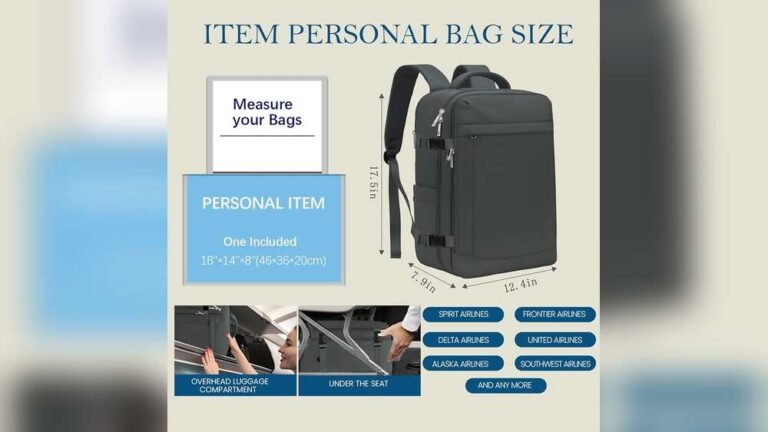
For most short trips, a 30 to 40 liter backpack works well. A 40 to “45 liter bag may suit longer trips, cold weather, or travelers who need extra gear. Larger bags can hold more, but they also tempt you to pack items you do not need.
Look for these features:
• A padded hip belt to move weight from your shoulders to your hips
• Adjustable shoulder straps that sit close to your body
• A chest strap for better balance
• A wide opening, such as a suitcase-style front panel
• Lockable zippers for added security
• A laptop sleeve if you work or study while traveling
• Water-resistant fabric or a rain cover
• Several small pockets for documents and daily items
Your backpack should not feel like a box hanging from your shoulders. It should move with you. Before buying one, load it with books or towels and walk around for 10 minutes. This simple test often reveals comfort problems that a store mirror cannot show.
A proper fit matters more than brand names or clever features. If the pack hurts when it is only partly full, it will feel much worse after a full day of walking.
Plan Before You Start Packing
Good packing begins before you open the closet. First, check the weather, trip length, planned activities, laundry access, and local dress rules. These details help you pack for the trip you are taking rather than the fantasy version of it.
Make a short packing list. Then place every item on a bed or floor before putting anything inside the bag. This step gives you a clear view of what you own and makes it easier to remove duplicates.
Use the following planning method:
-
Write down the number of travel days.
-
List the activities you expect to do.
-
Check the forecast for each location.
-
Choose a simple color scheme for clothing.
-
Remove items that serve only one purpose.
-
Set aside laundry supplies if you plan to wash clothes.
A useful rule is to pack for about one week, even if your trip lasts longer. With a small amount of detergent, you can wash socks, underwear, and shirts in a sink. This saves space and keeps your bag manageable.
On my first long trip, I packed a fresh outfit for every day. I soon learned that half of those clothes stayed folded and untouched. Now I choose a small set of clothes that work together, wash them when needed, and leave room for local purchases.

Pack by Weight and Balance
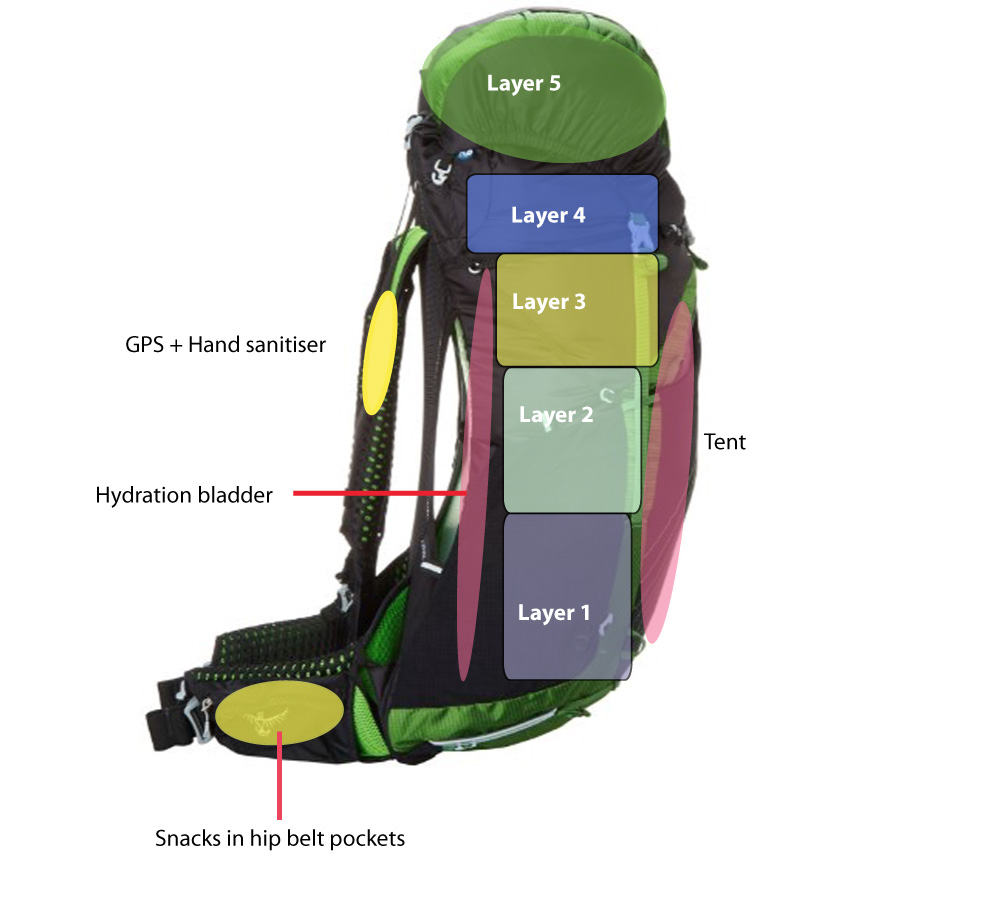
The most important physical rule for how to pack a backpack for travel is weight placement. Heavy items should sit close to your back and near the middle of the bag. Light items can go at the bottom, top, and outer pockets.
This arrangement keeps the backpack stable. It also reduces the pulling force on your shoulders and lower back.
Use this general layout:
• Bottom zone: Shoes, sleepwear, and other soft items
• Middle zone near your back: Laptop, books, camera, and other dense items
• Upper middle zone: Main clothing and packing cubes
• Top zone: Jacket, snacks, water filter, or items needed soon
• Outer pockets: Passport, phone charger, tissues, and travel documents
Avoid putting heavy items far away from your back. A water bottle in a side pocket may seem harmless, but two full bottles can make the bag pull to one side.
After packing, put the backpack on and adjust it. Tighten the hip belt first, then the shoulder straps, and finally the chest strap. The hip belt should rest on your hip bones, not around your waist. Your shoulders should support the bag, but they should not carry all the weight.
For safety and comfort, try to keep the total load as low as possible. Many travel experts suggest carrying no more than about 10 to 20 percent of your body weight, though fitness, pack design, and terrain all affect what feels safe. If the bag feels heavy at home, it will feel heavier after a missed train and a mile of stairs.
Use Packing Cubes and Small Bags
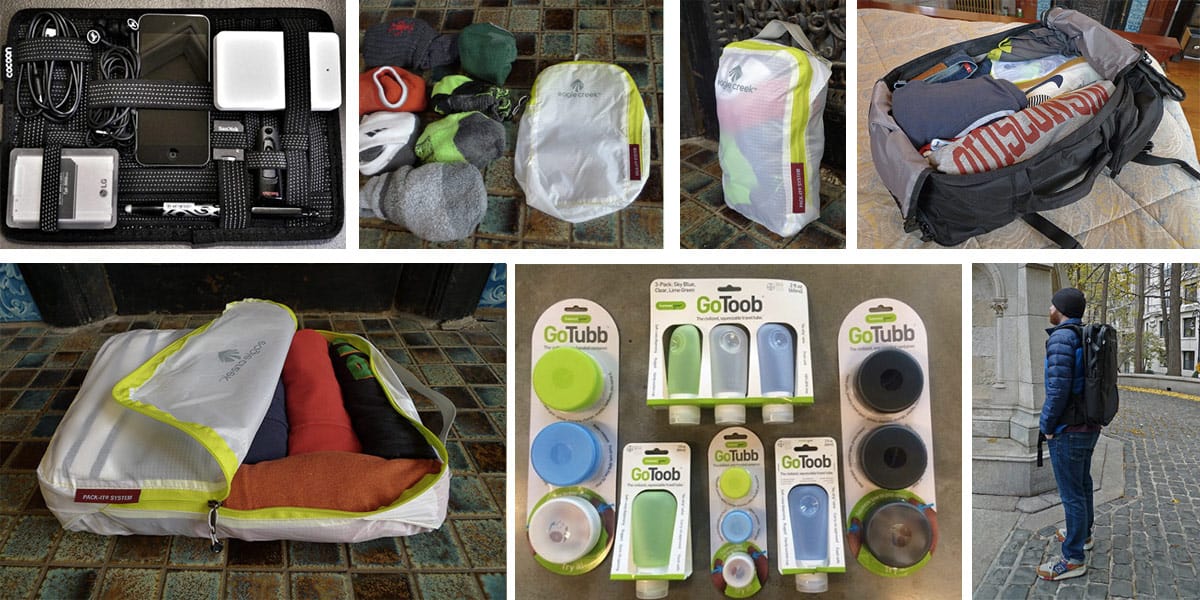
Packing cubes turn a loose pile of clothing into a simple system. They also help you find items without unpacking the entire backpack.
You do not need a cube for every category. Two or three are often enough:
• One cube for shirts and light layers
• One cube for pants and larger clothing
• One small pouch for underwear and socks
Use a separate pouch for cables, chargers, and small electronics. Keep toiletries in a leakproof bag. Place shoes in a washable shoe bag or plastic bag to protect clean clothing.
Compression cubes can save space, but they do not reduce weight. They may also make your backpack feel too full and hard to close. Use them when space is the main problem, not as a reason to carry more.
I once used compression cubes to fit extra clothes into a small bag. The bag closed, but it became so dense that it was uncomfortable to carry. The lesson was clear: space is useful, but comfort matters more.
Choose cube colors or labels that help you find things quickly. A few seconds of organization can save several minutes in a crowded hostel, airport bathroom, or small hotel room.
Pack Clothing for Versatility
Clothing usually takes up the most space, so it deserves careful planning. Choose pieces that match each other and work in more than one setting.
A simple travel clothing set may include:
• Three to five shirts
• Two pairs of pants or shorts
• Five to seven pairs of underwear
• Three to five pairs of socks
• One warm layer
• One lightweight rain jacket
• Sleepwear
• Comfortable walking shoes
• Optional sandals or dress shoes
Choose quick-drying fabrics when possible. Merino wool can resist odor and regulate temperature, while synthetic fabrics often dry fast and cost less. Cotton feels comfortable, but it dries slowly and can become heavy when wet.
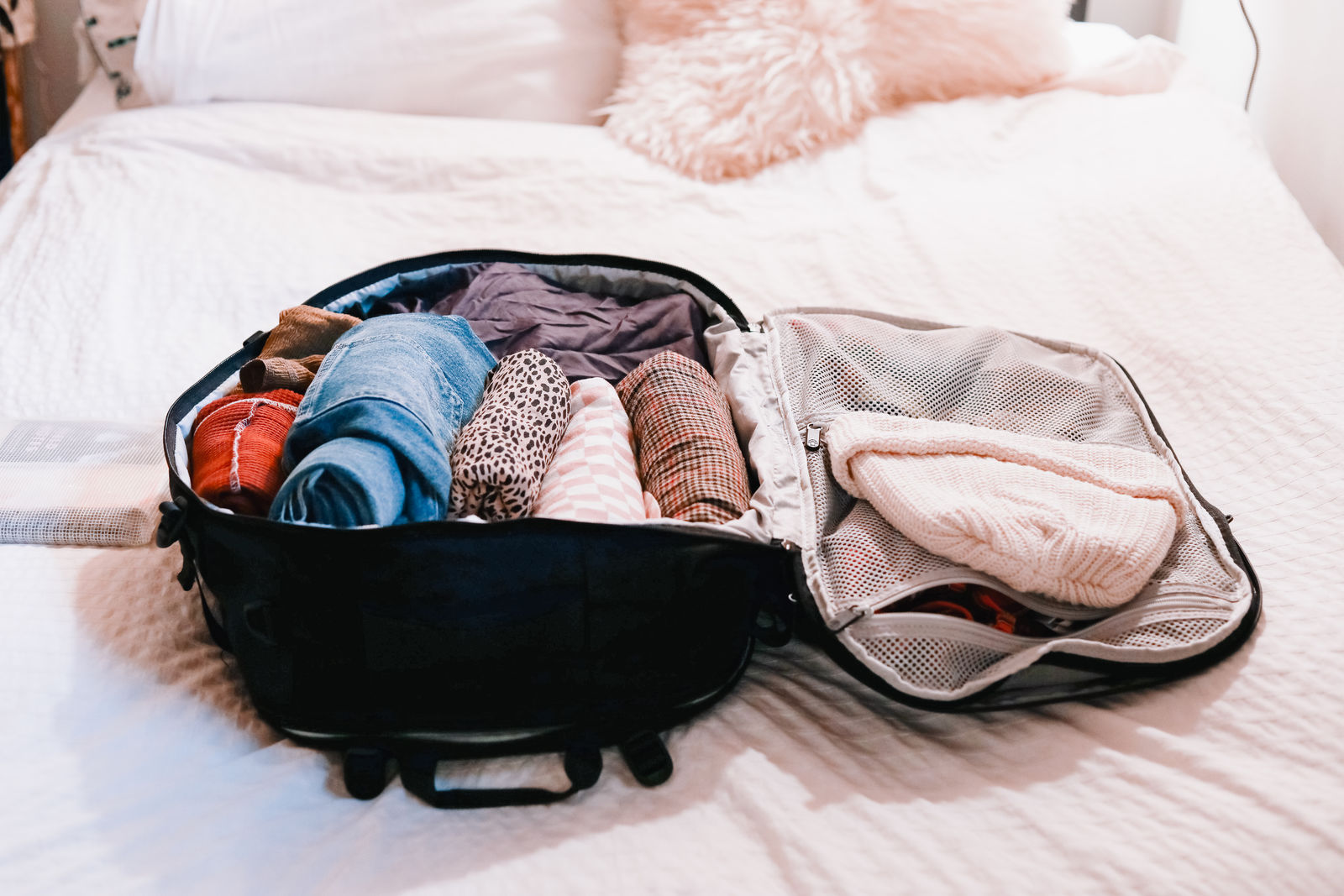
Roll soft clothes if you like to use every corner of the bag. Fold structured clothing, such as button-down shirts, to limit wrinkles. The best method is the one that helps you pack neatly and find items fast.
Wear your bulkiest shoes, jacket, and pants during travel. This saves room without reducing your clothing choices. Keep one complete outfit in your personal item or near the top of the backpack in case your checked bag is delayed.
For cold weather, use layers instead of one large coat. A base layer, warm midlayer, and shell can adapt to changing temperatures better than a single thick item.

Organize Toiletries and Personal Care Items
Toiletries can leak, create clutter, and cause problems at airport security if you pack them without a plan. Keep liquids in a clear, leakproof bag and follow the current rules for your departure airport.
For flights departing from the United States, the Transportation Security Administration generally limits liquids, gels, aerosols, creams, and pastes in carry-on bags to containers of 3.4 ounces, or 100 milliliters, placed in one quart-size bag. Rules can vary by country and airport, so check official guidance before flying.
Pack only what you use each day:
• Toothbrush and toothpaste
• Deodorant
• Small shampoo and body wash
• Sunscreen
• Moisturizer
• Razor
• Prescription medicine
• Basic first-aid items
Solid toiletries can save space and reduce leak risk. Consider a solid shampoo bar, soap bar, or toothpaste tablets if they suit you.
Keep prescription medicine in its original labeled container when practical. Store it in your carry-on, not in a bag you plan to check. Travelers with medical devices or special medication should confirm airline and destination requirements in advance.
Place toiletries near the top or in an outer compartment. You may need them after a long flight, and this location also makes security checks easier.
Protect Electronics and Important Documents
Electronics need protection, but they should not take over your backpack. Carry only the devices you will use.
A practical electronics kit may include:
• Phone and charging cable
• Universal travel adapter
• Power bank
• Earbuds or headphones
• Laptop or tablet
• Small cable organizer
Keep electronics in a padded sleeve near your back. This position protects them from bumps and helps balance the load. Avoid placing a laptop against the outer wall of a soft backpack, where it may receive direct impact.
Keep your passport, identification, credit cards, travel insurance details, and emergency contacts in one secure place. A slim document pouch works well. Store digital copies in a secure cloud account, but do not rely on digital copies alone.
A power bank is usually allowed in carry-on luggage but not in checked baggage. Airline rules can differ, especially for large batteries, so review the rules of your airline before departure.
Do not place all payment cards and cash in one pocket. Carry a small backup amount in a separate secure location. This is a simple step that can make a major difference if your wallet is lost.
Follow a Step-by-Step Packing Order
If you want to know exactly how to pack a backpack for travel, follow a repeatable order. A consistent system makes packing faster and helps you notice missing items.
-
Open the backpack fully and inspect every pocket.
-
Place a soft layer at the bottom.
-
Add shoes in bags, with socks or small items inside them.
-
Put folded or packed clothing in the center.
-
Position heavy items close to your back.
-
Fill empty gaps with underwear, socks, or small soft items.
-
Place your jacket or light layer near the top.
-
Add toiletries in a sealed pouch.
-
Store documents and daily items in easy-access pockets.
-
Tighten the compression straps without crushing the bag.
-
Weigh the backpack and remove unnecessary items.
Do not fill every empty space just because it is available. Empty space can help you repack after laundry or carry a small purchase.
Before leaving, test the zippers and carry the loaded pack around your home. Bend down, climb stairs, and sit in a chair. If the bag shifts, pulls, or blocks your movement, adjust the contents before the trip.

Make Your Backpack Easy to Use During the Trip
Packing well is not only about fitting items inside. It is about making the bag easy to live from. Put the items you need first in the places you can reach first.
Keep these items near the top:
• Passport and travel documents
• Wallet and phone
• Water bottle
• Snacks
• Light jacket
• Hand sanitizer and tissues
• Headphones
• Medication
Use a small day bag or foldable tote for short outings. When you arrive at your accommodation, leave the main backpack there and carry only what you need.
Keep dirty laundry separate from clean clothing. A lightweight laundry bag prevents smells from spreading through the backpack. If you wash clothes during the trip, make sure they dry fully before packing them away.
Use a waterproof liner or pack cover in wet climates. A liner made from a durable plastic bag can work in an emergency, but a proper liner is easier to reuse and less likely to tear.
Avoid attaching too many items to the outside. Hanging shoes, bottles, and gear can catch on doors, make the bag wider, and attract unwanted attention. Keep the outside profile clean whenever possible.
Adjust Your Packing for Different Trips
The right backpack setup depends on the trip. A business trip, beach holiday, hiking journey, and budget city tour each need different choices.
For a weekend city trip:
• Use a 20 to 30 liter backpack.
• Carry two or three outfits.
• Bring one pair of walking shoes.
• Keep electronics and documents easy to reach.
For a longer budget trip:
• Choose a 35 to 45 liter backpack.
• Pack clothing for about one week.
• Bring a small laundry kit.
• Use packing cubes and a simple toiletry bag.
For a hiking trip:
• Prioritize water, food, navigation, warmth, and first aid.
• Keep rain gear easy to reach.
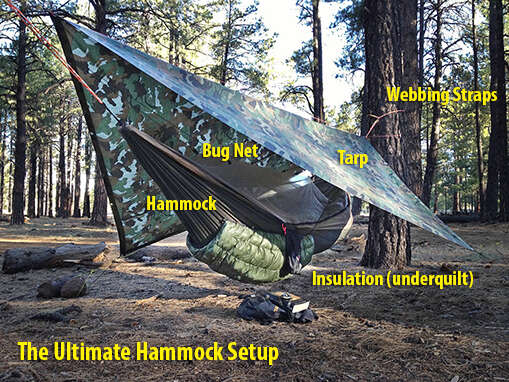
• Use a backpack designed for hiking.
• Test the loaded pack on shorter walks before departure.
For a business trip:
• Protect a laptop and documents.
• Pack wrinkle-resistant clothing.
• Use a separate shoe bag.
• Keep chargers and adapters together.
For air travel, check the airline’s current carry-on size and weight limits. Airline rules are not universal. A backpack that fits one carrier’s limits may be too large for another, especially on low-cost airlines.
Avoid Common Backpack Packing Mistakes
Even experienced travelers make packing errors. Most problems come from carrying too much, poor weight placement, or weak organization.
Avoid these mistakes:
• Packing for every possible event
• Bringing multiple pairs of heavy shoes
• Putting all weight in outer pockets
• Forgetting to check the weather
• Using large bottles of toiletries
• Packing clothes that do not match
• Skipping a test walk with the loaded bag
• Keeping medicine in checked luggage
• Leaving no room for laundry
• Failing to label or secure important items
One common mistake is packing based on fear. Travelers imagine rain, cold, formal events, lost luggage, and every possible emergency. Some preparation is wise, but too much turns the backpack into a burden.
A better approach is to prepare for likely needs and accept that small problems can be solved on the road. You can often buy a shirt, umbrella, or basic toiletry item at your destination.
Another mistake is ignoring access. A perfectly balanced bag is still frustrating if you must remove every item to reach your passport. Think about what you will need at the airport, during transit, and after arrival.
Use a Final Packing Checklist
A checklist helps prevent small but costly oversights. Review it the night before departure and again before leaving your accommodation.
Essential items
• Passport or government identification
• Wallet and payment cards
• Phone
• Medication
• Travel documents
• House and car keys
Clothing and comfort
• Underwear and socks
• Shirts and pants
• Warm layer
• Rain jacket
• Sleepwear
• Comfortable shoes
Technology
• Chargers
• Travel adapter
• Power bank
• Headphones
• Laptop or tablet, if needed
Health and hygiene
• Toothbrush and toothpaste
• Prescription medicine
• Basic first-aid items
• Sunscreen
• Hand sanitizer
• Personal care products
After the checklist, weigh the backpack. Then remove one item if possible. This final edit is often the easiest way to improve comfort.
A useful personal test is the “tomorrow morning” test. Imagine waking up at your destination and needing to get dressed, find your passport, and leave quickly. If you can do those tasks without unpacking everything, your bag is organized well.
How to Pack a Backpack for Travel More Comfortably
Comfort depends on more than weight. A well-fitted backpack, good posture, and regular breaks can reduce strain during long travel days.
When walking, keep the pack close to your back. Adjust the straps so it does not swing from side to side. Use both shoulder straps instead of carrying the bag on one shoulder.
If your back or shoulders begin to hurt, stop and adjust the fit. Pain is not a sign that you should simply become tougher. It often means the weight is too high or the pack is not fitted correctly.
Try these comfort tips:
• Tighten the hip belt before the shoulder straps.
• Keep dense items close to your spine.
• Use a chest strap to limit movement.
• Take short breaks during long walks.
• Drink water and avoid carrying more than you need.
• Shift some items to a small day bag only when it improves balance.
Travel conditions also matter. Heat, steep streets, crowded trains, and poor sidewalks can make a medium load feel heavy. Plan for the hardest part of your route, not the easiest part.
Frequently Asked Questions About How to Pack a Backpack for Travel
How heavy should a travel backpack be?
A practical target is about 10 to 20 percent of your body weight, though personal fitness and the type of trip matter. The lighter the load, the easier it is to walk, climb stairs, and manage public transportation.
Should I roll or fold clothes in a backpack?
Both methods work. Rolling can save space for soft clothing, while folding may reduce wrinkles in structured garments. Packing cubes can make either method easier to organize.
What should go at the bottom of a travel backpack?
Place soft, light items at the bottom, such as sleepwear, a jacket, or a small towel. Keep heavy items in the middle of the bag and close to your back for better balance.
How do I keep clothes from getting wrinkled?
Choose wrinkle-resistant fabrics, avoid overpacking, and fold structured clothing carefully. Hanging clothes soon after arrival and using a small travel steamer can also help.
Can I use a hiking backpack for air travel?
You can, if its size and features meet the airline’s carry-on rules. Hiking packs may have straps and pockets that are less protected, so cover or secure loose straps before checking the bag.
How many outfits should I pack for a week?
Three to five mix-and-match outfits are often enough if you can do laundry. Add clothing for special activities only when you know you will use it.
Where should I pack my passport and medication?
Keep both in your carry-on and in an easy-access but secure pocket. Never place essential medication or travel documents in checked luggage.
Conclusion
Knowing how to pack a backpack for travel helps you move with less stress and more freedom. Choose a comfortable bag, plan your items, place heavy gear near your back, use simple organizers, and test the loaded pack before you leave.
The best backpack is not the one that holds the most. It is the one you can carry comfortably while still reaching what you need. Start with a short list, remove one unnecessary item, and practice your system before your next trip. Share your favorite packing tip or explore more travel planning guides to make your next journey even smoother.

Zayden Halbrook is a travel enthusiast and gear researcher passionate about making every journey smoother and more enjoyable. With a keen eye for practical travel essentials and real-world tips, he helps readers choose the right gear and travel smarter. When he’s not testing travel kits or exploring new destinations, Zayden shares simple, reliable advice to make every trip stress-free.