Sit in the middle, keep your weight low, lean back, then lift your legs up slowly and evenly.
I’ve taught dozens of friends and tested many hammocks, so I’ll guide you step by step on how to get into a hammock safely and comfortably. This article breaks down setup, body position, common mistakes, and simple fixes so you can relax faster and avoid tipping. I’ll share clear instructions, safety checks, and real-life tips from experience to make getting into a hammock feel easy every time.

Why learn how to get into a hammock
Learning how to get into a hammock matters more than it sounds. A proper entry keeps you safe and stops the hammock from flipping.
How you get in also affects comfort. Lie the hammock correctly and you’ll sleep or nap better. I explain practical steps so you can do this alone or with help.

Types of hammocks and how they affect entry
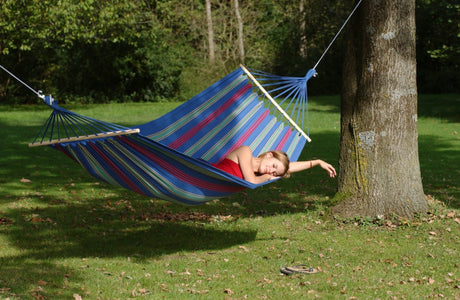
Different hammocks change the way you get in. Rope hammocks are flexible and need more care to sit in. Fabric and gathered-end hammocks offer more support and a flatter lie.
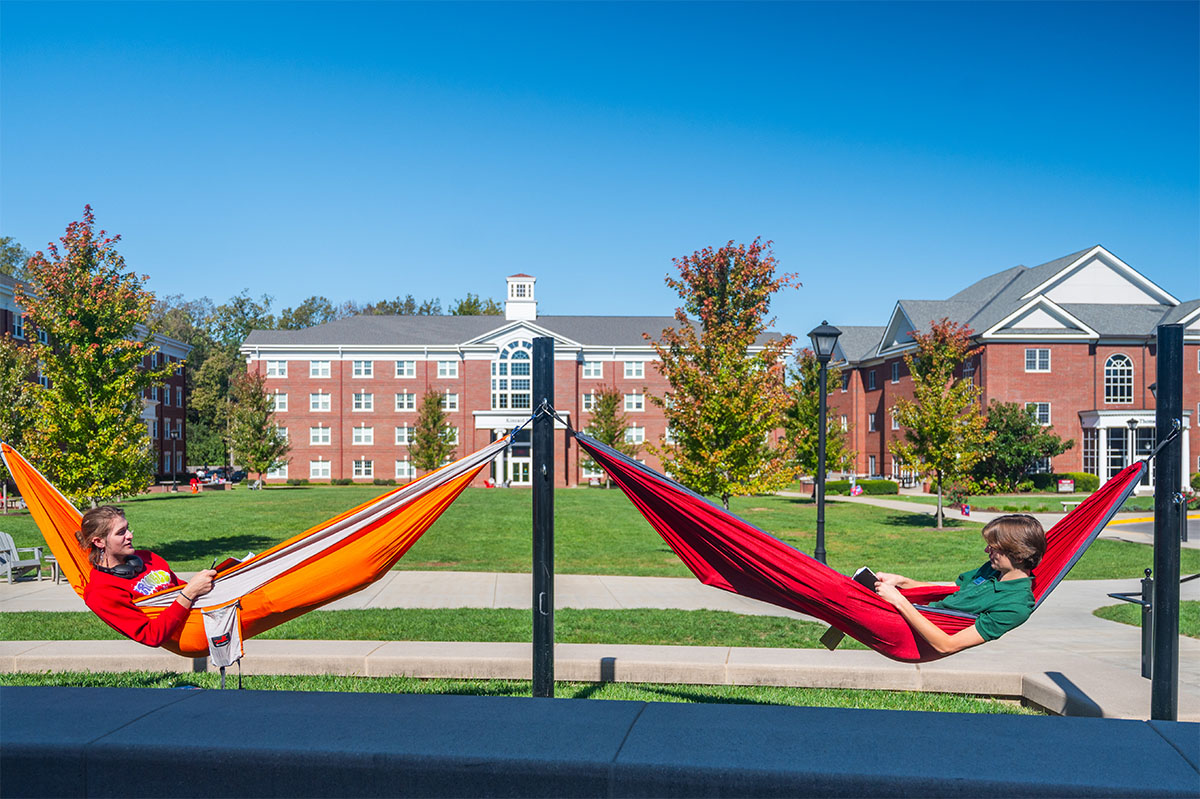
Camping hammocks are narrower and often require a different angle and foot motion when getting in. Knowing the hammock type helps you choose the best technique for how to get into a hammock.

Before you get in: safety and setup checklist
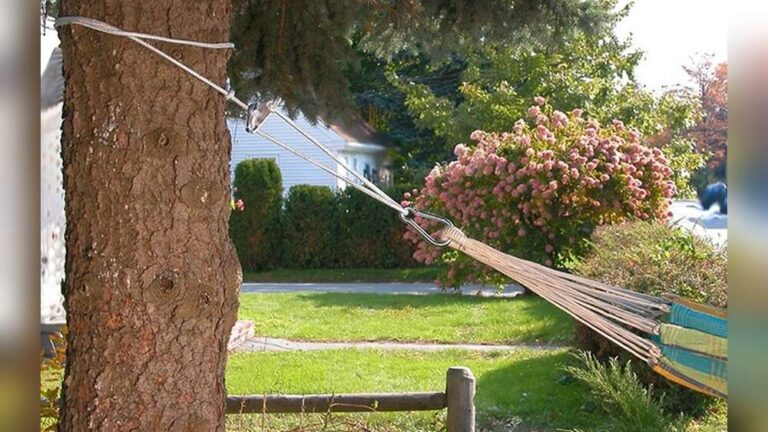
Do a quick safety check first. Inspect straps, tree protection, knots, and hardware for wear or fraying. Make sure anchors are solid and rated for the load.
Set the hammock at the right height. Aim for a midpoint about 18 inches off the ground when weighted. This height keeps your feet reachable and lowers fall risk.
Adjust sag for comfort. A gentle U-shape with roughly 30 degrees on each anchor line gives stability and comfort. Proper sag also determines the easiest way to get in.

Step-by-step: how to get into a hammock
Follow these clear steps to get into a hammock without tipping or straining.
- Approach from the center
- Stand beside the center of the hammock. Keep one hand on the suspension line or tree strap for balance.
- Sit at the edge
- Sit on the edge or lip of the hammock with your hips over the lowest point. Keep feet on the ground.
- Shift weight and find balance
- Lean back slightly and keep your hands on the rim. Transfer weight to your bottom while keeping your feet planted.
- Swing a leg in
- Lift one leg and pull it across your body into the hammock. Let your knee rest inside the fabric and keep movement slow.
- Bring the second leg
- Slide the second leg in and scoot your hips toward the center. Use your hands to lower your torso gently.
- Lie back and position
- Lean back and lie diagonally for a flatter sleep position, or lie straight for a more curved support. Adjust head and foot positions to balance comfort and stability.
These steps work for most hammock types and for both solo and assisted entries. Repeat slowly if you feel unstable. Practicing on a low hammock or over soft ground will build confidence.

How to get out of a hammock safely
Getting out is as important as getting in. Move slowly and keep your feet under you until they touch the ground. Sit up, swing both legs over one side, and stand while holding a secure anchor. If the hammock is low, plant both feet and rise steadily to avoid twisting your back.

Common problems and fixes
You can solve most issues with small fixes.
- Tipping or flipping
- Fix by lowering the hammock, increasing sag slightly, and entering from the center.
- Hammock too tight or too flat
- Loosen suspension or lower anchor points for more sag.
- Feeling cramped
- Lie diagonally to create a flatter surface and more shoulder room.
- Straps slipping
- Re-tie or use rated carabiners and knot backups to secure lines.
Gear and accessories that help when learning
A few items make learning how to get into a hammock easier.
- Tree straps
- Wide straps protect trees and reduce slipping.
- Carabiners and quick links
- Use locking hardware rated for outdoor loads.
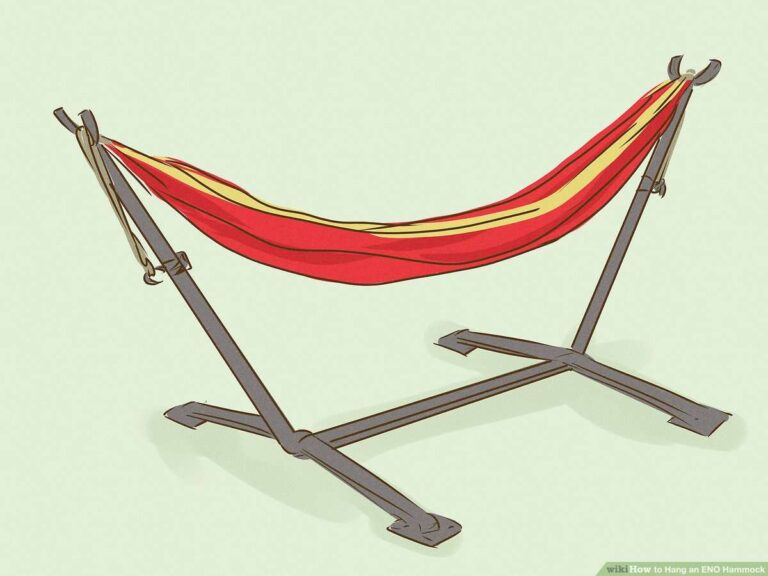
- Hammock stand
- A stand gives a predictable setup and is great for practice.
- Ridgeline or spreader bar
- These can help maintain shape for beginners but change how you enter.

Personal tips and mistakes I made
I learned by falling off a few times. My three lessons:
- Practice low
- Set the hammock low over grass. Low setups reduce fear and injuries.
- Move slowly
- Fast movements cause tipping. Slow, deliberate shifts build balance.
- Check anchors every time
- Once, a worn strap nearly failed. I now inspect gear before every use.
These small habits saved me time and aches later. I recommend practicing on a weekend in a calm spot until you feel confident in how to get into a hammock.
Frequently Asked Questions of how to get into a hammock
How do I get into a hammock without tipping?
Sit in the middle, keep your feet on the ground, and slowly lean back while lifting your legs one at a time. A low setup and proper sag reduce tipping risk.
Can I get into a hammock alone?
Yes. Use the sit-and-swing method: sit at the center, lean back, then pull each leg in one by one. Practice on a low hammock for confidence.
What’s the best body position for comfort in a hammock?
Lie slightly diagonally for a flatter sleeping surface and less pressure on your back. Adjust head and foot height until you feel stable.
How high should a hammock be for safe entry?
Set the lowest point about 18 inches off the ground when weighted. This height helps you step out easily and reduces fall distance.
Does hammock type change how I get in?
Yes. Wider gathered-end hammocks are easier to enter; narrow camping hammocks need careful foot movement and more core control.
Conclusion
Getting into a hammock is a small skill that brings big rewards. Follow the setup checklist, use the step-by-step entry method, and practice slowly to gain confidence. Try a low practice session, check your gear, and adjust sag for comfort. Start today: set up a safe hammock, practice these steps, and enjoy a calm, stable rest. Leave a comment with your setup or questions, and subscribe for more gear tips and how-to guides.

Zayden Halbrook is a travel enthusiast and gear researcher passionate about making every journey smoother and more enjoyable. With a keen eye for practical travel essentials and real-world tips, he helps readers choose the right gear and travel smarter. When he’s not testing travel kits or exploring new destinations, Zayden shares simple, reliable advice to make every trip stress-free.