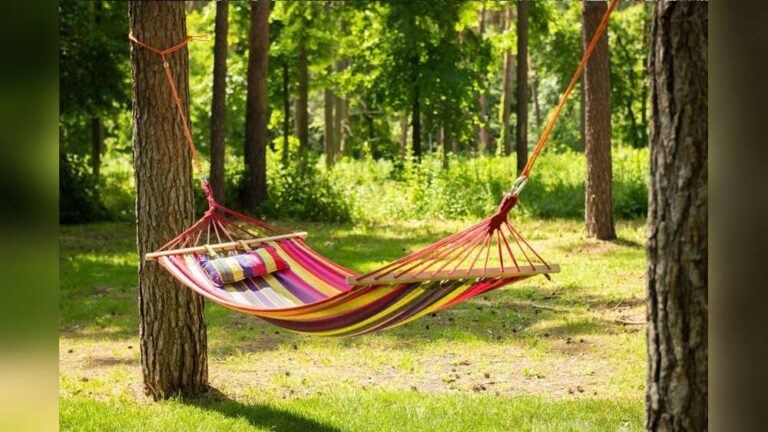
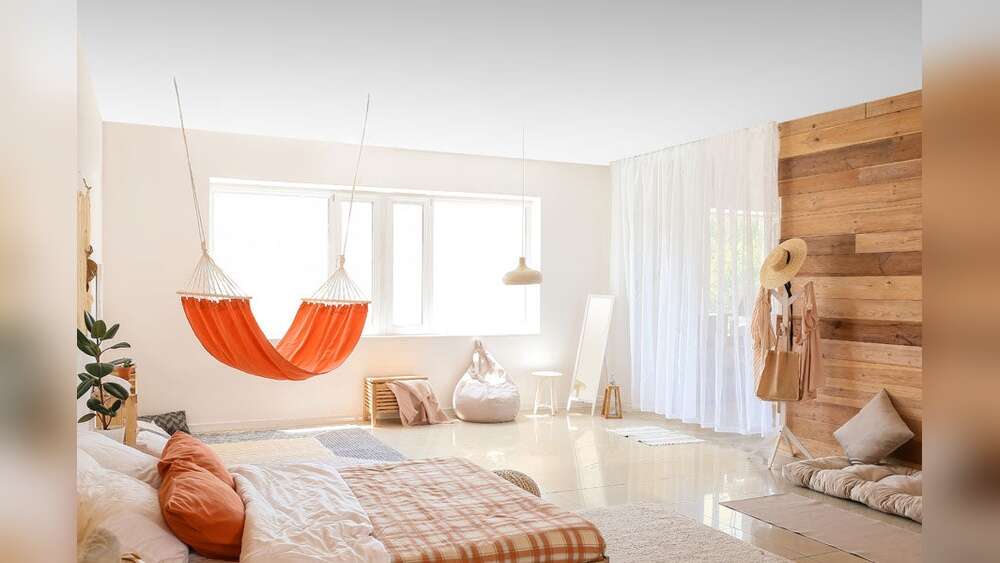
Hanging a hammock inside your home can turn any room into a cozy retreat. Whether you want a relaxing spot to read, a swing for your kids, or a unique place for afternoon naps, a hammock brings comfort and a touch of adventure indoors.
Many people think hanging a hammock inside is hard, but with the right steps, it is safe, simple, and rewarding. Over the years, I have installed hammocks in bedrooms, living rooms, and even offices for myself and friends. Each time, I learned something new.
Let’s walk through every detail together so you can enjoy your hammock safely and confidently.
Why Hang A Hammock Inside?
A hammock inside your home is more than just fun. It has health and lifestyle benefits that many people miss. Lying in a hammock helps your body relax. The gentle swing can lower stress and help you sleep better. For kids, hammocks offer a place to play and unwind.
For adults, they are great for reading, napping, or simply taking a break from screens. Hammocks also save space. You can easily take them down when you don’t need them. And if you choose the right style, they can make your room look special and inviting.
Types Of Indoor Hammocks
Not all hammocks are the same. Before you hang one, it’s important to pick the right type for your space and needs.
1. Traditional Rope Hammocks
These are classic hammocks made from cotton or polyester rope. They are airy, comfortable, and have a beach-like look. They need strong anchor points and work well in living rooms or bedrooms.
2. Fabric Hammocks
Fabric hammocks are made from cotton, canvas, or nylon. They are soft, often come in bright colors, and give more warmth. They are good for napping or sleeping.
3. Hammock Chairs
A hammock chair is like a hanging seat. It takes less space and fits into smaller rooms or corners. You can sit upright to read or work.
4. Brazilian Hammocks
These are made from thick cotton and have no spreader bars. They are very comfortable and wrap around your body. Perfect for colder rooms.
5. Hammock Swings
Smaller than full hammocks, these swings are made for kids or as a unique seat. They often hang from one point and move in a gentle circle.
Here’s a quick comparison to help you choose:
| Hammock Type | Space Needed | Best Use | Comfort Level |
|---|---|---|---|
| Rope | Large | Lounging | High |
| Fabric | Medium | Sleeping | Very High |
| Chair | Small | Reading/Work | Medium |
| Brazilian | Medium | Sleeping | Very High |
| Swing | Small | Kids/Play | Medium |

Credit: www.greggio.com
Planning: What You Need To Know First
Before you pick up a drill, let’s make sure your hammock will be safe and in the right place.
Measuring Your Space
Every hammock needs enough room to hang and swing without hitting walls or furniture. Measure the distance between the two points where you want to hang the hammock. Most full-size hammocks need between 9 to 13 feet (about 2.7 to 4 meters) between anchor points. Hammock chairs or swings need only one strong point, but make sure there’s enough space around them.
Choosing The Right Location
Here are common indoor spots for hammocks:
- Between Two Opposite Walls: Most popular and usually the safest.
- From Wall to Beam: Good if you have an exposed beam or open ceiling.
- From Ceiling: Needed for hammock chairs or swings.
- With a Stand: If you do not want to drill into walls, a hammock stand is a good option.
Pro tip: Avoid walls made only of drywall or plaster. Always anchor into solid wood studs or beams.
Weight Limits
Check the weight rating for both your hammock and the hardware. Most indoor hammocks hold 250-450 pounds (113-204 kg). Hammock chairs often hold less. Never guess—always check the label.
Tools And Materials
You will need:
- Stud finder
- Power drill with bits
- Heavy-duty eye bolts or screw hooks (at least 3/8 inch thick)
- Carabiners or S-hooks
- Measuring tape
- Pencil
- Ladder or step stool
Optional: Rope or chain if you need to extend your hammock’s reach.
How To Find Wall Studs Or Ceiling Joists
This is the step many people get wrong, but it’s the most important. Hammocks must be anchored into solid wood—never just drywall. A stud finder helps you locate these strong spots in your walls or ceiling.
- Move the stud finder slowly along the wall where you want to hang the hammock.
- When it signals, mark the spot with a pencil.
- Move left and right to find both edges of the stud, then mark the center.
- Repeat for the second anchor point.
Personal tip: The first time I tried, I used a cheap stud finder and missed the stud by half an inch. The hammock came loose after a few days. Since then, I always double-check by tapping the wall and listening for the solid sound of wood.
Step-by-step: How To Hang A Hammock Indoors
Now that you know your spot is safe, let’s go through each step. This is the method I’ve used in my own home and recommend to friends.
Step 1: Mark The Anchor Points
Use your measuring tape to check the distance between points. Mark each anchor spot about 4.5 to 6 feet (1.4 to 1.8 meters) above the floor. For hammock chairs, the hook should be centered above where you want the seat to hang.
Step 2: Drill Pilot Holes
With your drill, make a small hole (about 1/8 inch) in the center of each mark. This helps the screw go in straight and keeps the wood from splitting.
Step 3: Install Eye Bolts Or Screw Hooks
Twist the eye bolt or screw hook into the pilot hole. You may need to use a screwdriver through the eye to get extra leverage. Turn until the threads are fully in the wood and the eye faces out.
Step 4: Attach The Hammock
Connect your hammock to the eye bolts using strong carabiners or S-hooks. If your hammock is too short, add a piece of chain or rope. Adjust the length so the lowest point of the hammock sits about 18 inches (45 cm) off the floor when you lie in it.
Step 5: Test Before Use
Before you lie down, push down hard on the hammock with your hands. Look and listen for any movement in the anchors or creaking wood. If all feels solid, gently sit, then slowly shift your weight. Never jump in—test carefully.
Alternative Methods: No-drill Options
Some people cannot drill into walls (for example, if you rent your home). There are other ways to enjoy a hammock indoors.
Hammock Stands
A hammock stand is a metal or wood frame that holds your hammock. No drilling, and you can move it around. They take up more floor space but protect your walls. Good for apartments or anyone who wants a flexible setup.
Doorway Hammock Kits
These kits use a strong bar across the top of a doorway. They are safe for hammock chairs or swings (not for full-size hammocks). Easy to install and remove.
Using Beams Or Exposed Structures
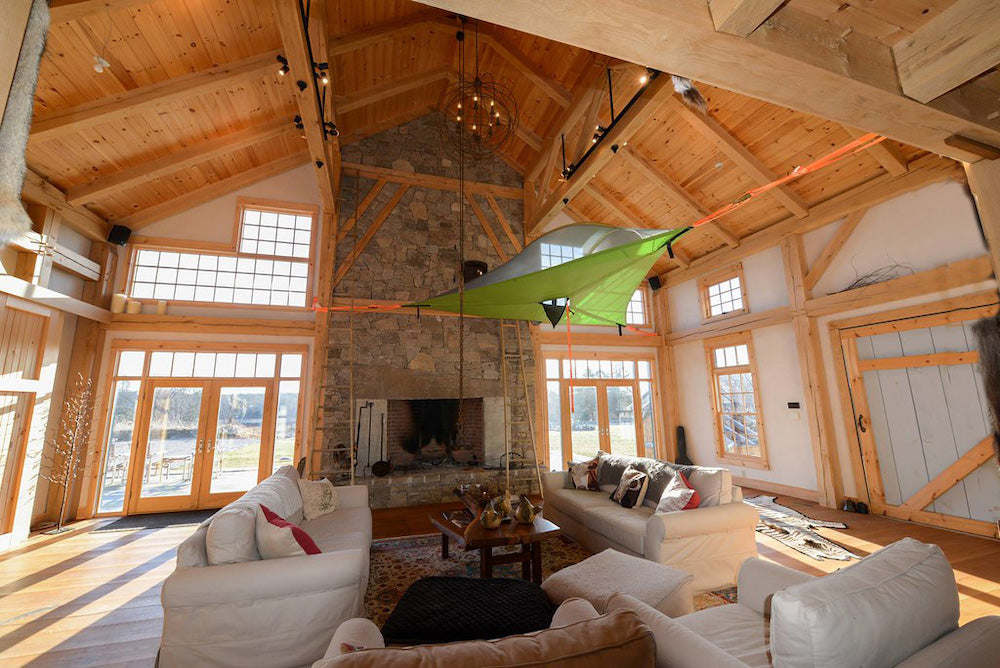
If you have open beams or a loft, you may be able to wrap strong rope around the beam instead of drilling. Make sure the beam is structural and not just for decoration.
Here’s a quick look at the pros and cons of each method:
| Method | Pros | Cons |
|---|---|---|
| Wall/Ceiling Anchors | Permanent, strong, space-saving | Requires drilling, not for renters |
| Hammock Stand | No wall damage, portable | Takes floor space, cost |
| Doorway Kit | Easy, removable | Only for chairs/swings, limited use |
| Beams | Strong if available | Not in every home |
Safety Tips And Common Mistakes
A safe hammock is a happy hammock. Here are the most important things to remember, based on both experience and industry best practices.
1. Always Anchor In Solid Wood
Never attach hooks to drywall, plaster, or soft wood. Only use structural studs or beams. If you are not sure, ask a friend or a handyman to check.
2. Use The Right Hardware
Cheap or thin hooks can bend or break. Use heavy-duty eye bolts or hooks made for at least 250 pounds (113 kg) per anchor. Hardware stores sell kits made for hammocks.
3. Check For Electrical And Pipes
Do not drill without knowing what’s behind your wall. Hitting a wire or pipe can be dangerous and expensive to fix.
4. Check Regularly
Even after a safe install, check your anchors every few months. Wood can loosen or metal can wear out.
5. Weight Limit
Do not let more than one adult (or two children) use the hammock unless it is rated for higher weights.
6. Hang Height
Too high, and it’s hard to get in. Too low, and you might hit the floor. Aim for about 18 inches (45 cm) from the lowest point to the floor.
7. Avoid Sharp Objects
Keep keys, pens, or other sharp things out of the hammock to protect the fabric or rope.
8. Keep Away From Breakables
Do not hang near glass tables, lamps, or expensive electronics. If you fall out, you want a soft landing.
Non-obvious insight: Many people forget to check the space under the hammock. If there is a coffee table or toy on the floor, you could land on it if you slip.
Decorating And Personalizing Your Hammock Space
A hammock is more than just a swing—it can be the center of a beautiful room. Here are simple ideas to make your hammock area special:
- Add Pillows and Blankets: Soft pillows and throws make your hammock cozy and inviting.
- Hang String Lights: Use battery or plug-in fairy lights for a magical glow at night.
- Place a Rug Underneath: A soft rug feels nice under your feet and adds color.
- Plants Nearby: Green plants make the area fresh and lively.
- Side Table: Keep a small table next to the hammock for books, drinks, or headphones.
When I hung my first hammock in the living room, I added a small bookshelf nearby and a few plants. It became my favorite spot to read and relax. Even guests wanted to try it!
Maintenance: Keeping Your Hammock Safe And Clean
A little care goes a long way. Hammocks last for years if you keep them clean and check them often.
Washing
- Fabric hammocks: Most can be washed by hand or in a gentle machine cycle. Check the label first.
- Rope hammocks: Use mild soap and water, then rinse well. Air dry fully before re-hanging.
Inspections
Check the hooks, chains, and fabric for signs of wear every month. Look for frayed ropes, loose threads, or any rust on metal parts.
Storage
If you won’t use your hammock for a while, unhook it and store it in a dry place. This keeps it fresh and safe from pets or sunlight damage.
Troubleshooting: Fixing Common Problems
Even after a careful install, small issues can come up. Here’s how to solve them:
Problem: Hammock Sags Too Low
Solution: Shorten the ropes or chains. You may need to move your anchor points higher up the wall.
Problem: Anchors Feel Loose
Solution: Remove the eye bolt, fill the hole with wood glue and a wooden dowel, let dry, then redrill and reinstall. Never use a wobbly anchor.
Problem: Hammock Twists Too Much
Solution: Use a swivel hook between the hammock and anchor. This allows the hammock to turn freely without twisting the ropes.
Problem: Fabric Feels Rough
Solution: Wash with gentle soap and air dry. Some fabric softeners can help, but check the hammock’s care instructions.
Problem: Squeaky Hardware
Solution: Add a drop of oil to metal hooks or carabiners. This stops annoying sounds and keeps things moving smoothly.
Credit: sunnydazedecor.com
When To Call A Professional
Most people can hang a hammock by themselves, but in some cases, it is best to get help:
- You are not sure about your walls or beams.
- You live in an old building with unknown materials.
- You want to hang a hammock for more than one person.
- You want a custom or heavy-duty setup.
A contractor or handyman can check your home’s structure and install the hardware safely.
Environmental And Health Benefits
Hammocks are not just fun—they can be good for you and for the planet.
- Better Sleep: The rocking motion helps your body relax and can improve sleep quality.
- Less Furniture: Hammocks use fewer materials than beds or couches, which can lower your home’s impact.
- Stress Relief: A gentle swing can calm your mind and reduce anxiety.
- Encourages Reading and Rest: A special spot makes you more likely to slow down and read or nap.
For more on hammock health benefits, see this Wikipedia page.
Credit: www.tentsile.com