
When you travel to a Spanish-speaking country, you want to feel confident using the right words. If you’re packing your bags and heading to Spain, Mexico, or another part of Latin America, you might wonder, “How do you say suitcase in Spanish?
” It sounds simple, but learning the correct word (and how to use it in real life) can make your trip smoother. Plus, understanding the culture behind this common word can help you feel more at home while you travel.
I’ve traveled across Spain and Latin America, and I know the small details matter. The first time I landed in Madrid, I needed to ask airport staff about my lost bag. I panicked, searching for the right word. That’s when I learned how important it is to know simple travel words in the local language.
In this article, I’ll share everything you need to use the word “suitcase” in Spanish like a local. We’ll go deeper than just a translation—you’ll learn regional differences, tips for pronunciation, and even cultural facts. This guide is for travelers, students, and anyone who wants to speak Spanish with confidence.
The Main Word: How To Say Suitcase In Spanish
The most common way to say suitcase in Spanish is maleta. This word is widely used in Spain, Mexico, Central America, and most Spanish-speaking countries. If you walk into an airport or hotel and mention your “maleta,” people will understand you right away.
Maleta is a feminine noun, so you say “la maleta” (the suitcase). The plural is “las maletas” (the suitcases).
Pronunciation Guide
The word “maleta” is pronounced: mah-LEH-tah.
- The “ma” sounds like “ma” in “mama.”
- The “le” sounds like “leh.”
- The “ta” is a soft “tah.”
Try to say it smoothly and keep the stress on the second syllable: ma-LE-ta.
When I first tried saying “maleta” in a busy airport, I felt nervous. But after a few tries, the staff smiled and helped me find my luggage. Locals appreciate it when you use their language, even if your accent isn’t perfect.
Other Words For Suitcase In Spanish
Spanish is spoken in many countries, and sometimes, people use other words for “suitcase.” Here are some alternatives you might hear:
1. Valija
Used mainly in Argentina, Uruguay, Paraguay, and parts of Bolivia.
Pronounced: Bah-lee-ha
2. Equipaje
This means luggage or baggage. It’s a more general term, used for all your bags, not just one suitcase.
3. Petaca
In some Caribbean countries and in parts of Central America, “petaca” can mean suitcase, but it can also mean a small box or even a flask. Use it with care.
4. Bolsa De Viaje
This means travel bag. It’s not as common as “maleta,” but you might hear it for soft bags or duffel bags.
Let’s look at a quick comparison to help you see when to use each word.
| Word | Country/Region | Meaning | Common Use |
|---|---|---|---|
| Maleta | Spain, Mexico, most Latin America | Suitcase | Most common |
| Valija | Argentina, Uruguay, Paraguay | Suitcase | Common in Southern Cone |
| Equipaje | All Spanish-speaking countries | Luggage/Baggage | General term |
| Petaca | Caribbean, Central America | Suitcase/Small box | Regional, less common |
| Bolsa de viaje | All Spanish-speaking countries | Travel bag | For soft bags |

Credit: www.youtube.com
How To Use “maleta” In Real-life Situations
Knowing the word “maleta” is great, but you need to use it in sentences. Here are some practical ways to use “maleta” when you travel:
- ¿Dónde está mi maleta?
Where Is My Suitcase?
- He perdido mi maleta.
I have lost my suitcase.
- ¿Puedo llevar esta maleta en el avión?
Can I Take This Suitcase On The Plane?
- Tengo dos maletas.
I have two suitcases.
- ¿Está mi maleta en la cinta de equipaje?
Is My Suitcase On The Baggage Belt?
You’ll hear these phrases in airports, hotels, and bus stations. I remember using “¿Dónde está mi maleta? ” at a small hotel in Oaxaca, Mexico. The receptionist smiled and said, “Su maleta está en su habitación” (Your suitcase is in your room).
Small words, but they made my stay easier.
Grammar Tips: Gender, Plurals, And Articles
Spanish nouns have gender (masculine or feminine) and number (singular or plural). “Maleta” is feminine.
- The suitcase: La maleta
- The suitcases: Las maletas
- A suitcase: Una maleta
- Some suitcases: Unas maletas
Be careful with adjectives. They must match the gender and number:
- Maleta grande (big suitcase)
- Maletas grandes (big suitcases)
- Maleta pequeña (small suitcase)
- Maletas pequeñas (small suitcases)
If you mix up the gender or plural, people will still understand you, but it’s good to practice.
Credit: suitfaces.com
Regional Differences: What Locals Say
Spanish changes from country to country. The word you choose for “suitcase” can show where you learned your Spanish or where you are traveling.
Spain And Mexico
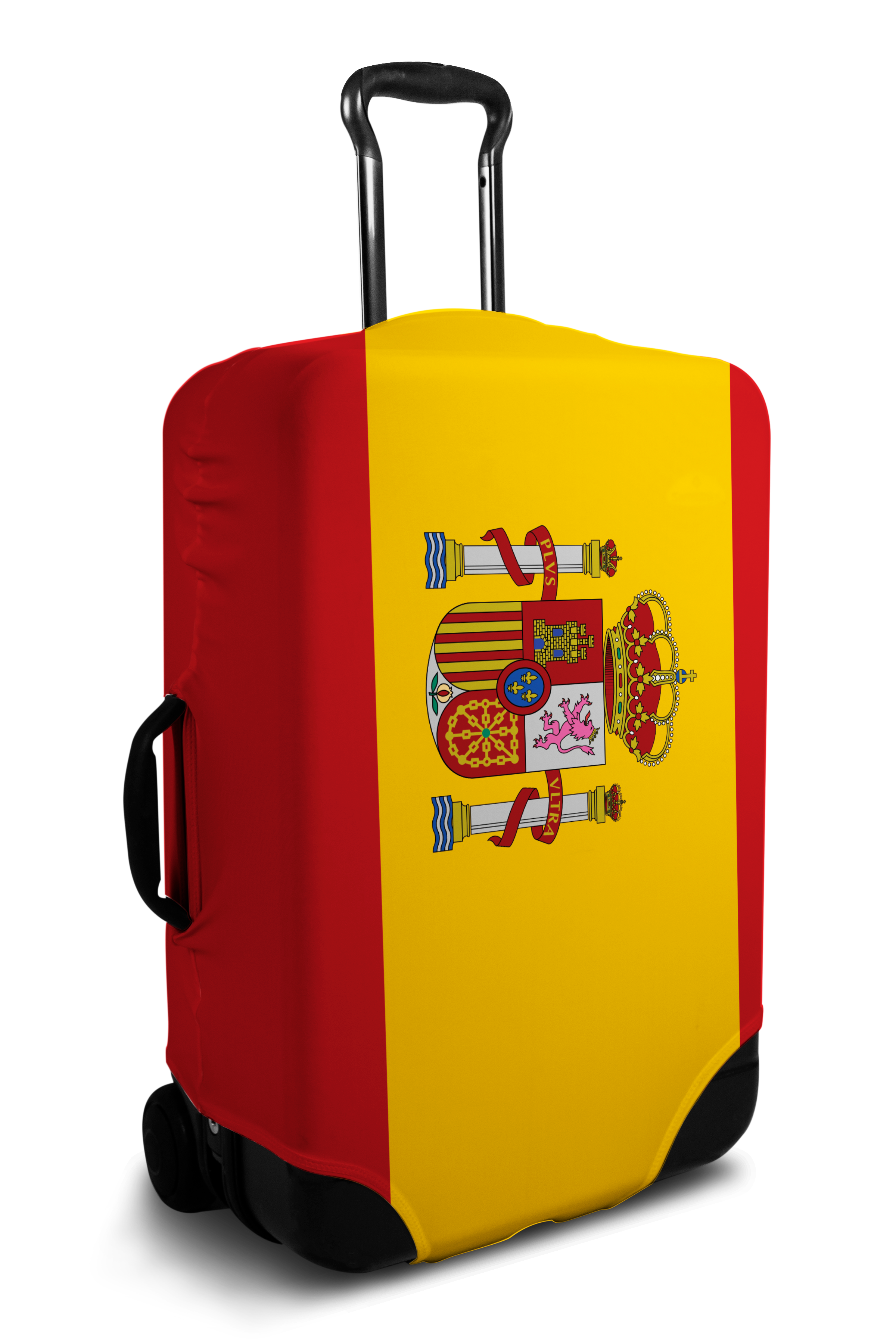
In Spain and Mexico, “maleta” is always the right word. If you say “valija,” people might know what you mean, but they’ll find it unusual.
Argentina, Uruguay, Paraguay
Here, “valija” is more common than “maleta. ” If you say “maleta,” locals will understand, but “valija” sounds more natural.
Caribbean And Central America
In countries like Cuba or Nicaragua, you might hear “petaca. ” But “maleta” is still widely known.
United States (spanish Speakers)
Many Spanish speakers in the US use “maleta,” but sometimes, you’ll hear “suitcase” mixed with Spanish in casual speech, especially with Spanglish speakers.
I once traveled to Buenos Aires and asked for my “maleta. ” The hotel staff replied, “¿Su valija? ” That’s when I learned to adjust my Spanish for each country.
Useful Phrases For Travelers
When you travel, you might need more than just the word for suitcase. Here are phrases that can help in different situations:
- Checking in at the airport
- “Voy a facturar mi maleta.” (I am going to check my suitcase.)
- “¿Dónde recojo mi maleta?” (Where do I pick up my suitcase?)
- At customs
- “Esta es mi maleta.” (This is my suitcase.)
- “No tengo nada en mi maleta que declarar.” (I have nothing in my suitcase to declare.)
- Asking for help
- “¿Me puede ayudar con mi maleta?” (Can you help me with my suitcase?)
- “Mi maleta no llegó.” (My suitcase didn’t arrive.)
- Buying a suitcase
- “¿Cuánto cuesta esta maleta?” (How much does this suitcase cost?)
- “Busco una maleta resistente.” (I’m looking for a sturdy suitcase.)
- Describing your suitcase
- “Mi maleta es azul y grande.” (My suitcase is blue and large.)
- “Tiene una etiqueta roja.” (It has a red tag.)
These phrases are short, clear, and easy to remember. They can save you time and help avoid confusion.
Pronunciation Tips For Beginners
Pronouncing Spanish words can be easy if you follow simple rules:
- Vowels are always short and clear: A (ah), e (eh), i (ee), o (oh), u (oo).
- The “t” in “maleta” is softer than in English.
- Stress the second syllable: Ma-LE-ta.
If you want to sound more natural, listen to native speakers. You can use language apps or YouTube videos to hear how “maleta” is pronounced in different accents. Try to repeat what you hear. Even if you make mistakes, people will appreciate your effort.
Common Mistakes When Using “maleta”
Learning a new word is great, but beginners often make mistakes. Here are some to avoid:
1. Confusing “maleta” With “mochila”
“Mochila” means backpack, not suitcase. Don’t mix them up.
2. Using “equipaje” Instead Of “maleta” For One Suitcase
“Equipaje” is for all your luggage. For just one suitcase, use “maleta. ”
3. Forgetting The Gender
Always Say “la Maleta,” Not “el Maleta.”
4. Mispronouncing The Word
Say “ma-le-ta,” Not “mah-lee-tah” Or “mah-lay-ta.”
5. Using Regional Words In The Wrong Country
“Valija” is great in Argentina but can sound strange in Mexico.
When I started learning Spanish, I once told a bus driver, “Tengo una mochila grande,” trying to say I had a big suitcase. He pointed to my backpack. That’s when I realized I had used the wrong word.
Cultural Insights: The Role Of The Suitcase
Suitcases have a special role in Spanish-speaking cultures. In many families, a suitcase means travel, adventure, or even migration. You might hear jokes or stories about “maletas” when people talk about family members who moved to another country.
In Spain, during New Year’s Eve, some people carry empty suitcases around their house at midnight. This tradition is meant to bring travel and new adventures in the coming year. In Latin America, stories about “maletas” often include family trips, long bus journeys, or returning home after working abroad.
Knowing these small cultural facts can help you connect with locals and understand their jokes or stories.
Suitcase Types And Related Words
Not all suitcases are the same. Here are words for different types of luggage:
- Maleta de mano: Carry-on suitcase (for the airplane cabin)
- Maleta grande: Large suitcase (for checked luggage)
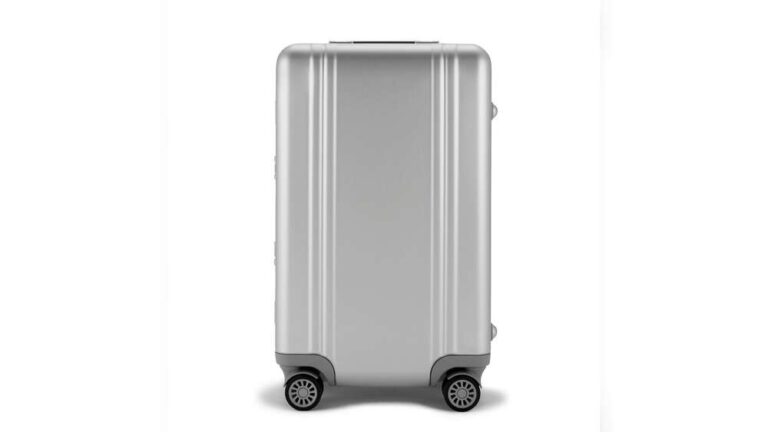
- Maleta rígida: Hard-shell suitcase
- Maleta blanda: Soft-shell suitcase
- Maletín: Small case, often for work or documents (briefcase)
- Bolso de viaje: Travel bag or duffel bag
Let’s compare these suitcase types:
| Spanish Term | English Meaning | Typical Use |
|---|---|---|
| Maleta de mano | Carry-on suitcase | Cabin luggage |
| Maleta grande | Large suitcase | Checked baggage |
| Maleta rígida | Hard-shell suitcase | For fragile items |
| Maleta blanda | Soft-shell suitcase | Flexible packing |
| Maletín | Briefcase | Work/documents |
When buying a suitcase in a Spanish-speaking country, use these terms to get exactly what you want.
How To Ask About Your Suitcase In Spanish
Travel can be stressful, especially if you lose your suitcase. Here’s how you can ask questions or get help:
- ¿Ha visto mi maleta? (Have you seen my suitcase?)
- Mi maleta no está aquí. (My suitcase is not here.)
- ¿A quién debo hablar sobre mi maleta? (Who should I talk to about my suitcase?)
- ¿Puedo dejar mi maleta aquí? (Can I leave my suitcase here?)
If you need to describe your suitcase, use color, size, and brand:
- Mi maleta es negra, mediana, y de Samsonite. (My suitcase is black, medium, and by Samsonite.)
Suitcase In Spanish: Idioms And Expressions
Spanish uses the word “maleta” in some fun ways. Here are a few expressions:
- Hacer la maleta: To pack your suitcase (to get ready to travel)
- Deshacer la maleta: To unpack your suitcase
- Ir con la maleta a cuestas: To travel a lot or move around often (literally, “to go with the suitcase on your back”)
Examples:
- “Mañana tengo que hacer la maleta.” (Tomorrow I have to pack my suitcase.)
- “Siempre anda con la maleta a cuestas.” (He’s always on the move.)
These expressions are useful in conversation and show you know more than just the basic words.
Suitcase And Travel: Statistics And Trends
Travel is growing in Spanish-speaking countries. According to the World Tourism Organization, Spain was the second most visited country in the world in 2019, with over 83 million tourists. Latin America also welcomes millions of travelers each year.
With so many travelers, the word “maleta” is used daily by airport workers, hotel staff, and bus drivers. In fact, lost luggage is a common problem. In 2022, airlines worldwide misplaced about 6 out of every 1,000 checked bags, according to SITA (a travel IT company).
If you’re traveling, knowing how to talk about your suitcase in Spanish can help you find lost items faster and avoid stress.
Packing Tips: Spanish-style
People in Spain and Latin America often travel light, especially for short trips. Here are some tips that locals use:
- Roll your clothes to save space in your maleta.
- Use small bags for shoes and toiletries.
- Keep valuables in your carry-on (maleta de mano).
- Label your maleta with your name and destination.
- Lock your suitcase for security.
I’ve learned that in many small hotels or hostels, there are no elevators. A light maleta makes travel easier. I once packed too much for a trip to Granada and had to carry my heavy suitcase up three flights of stairs!
Suitcase Brands Popular In Spanish-speaking Countries
When buying a suitcase in Spain or Latin America, you’ll find both international and local brands. Here’s a quick look:
| Brand | Country | Type | Price Range (USD) |
|---|---|---|---|
| Samsonite | Global | Various | $80–$300 |
| American Tourister | Global | Various | $50–$200 |
| Roncato | Italy/Spain | Hard-shell | $100–$250 |
| Totto | Colombia | Backpacks, soft bags | $40–$150 |
| Benzi | Spain | Budget suitcases | $30–$100 |
When you ask for a “maleta” at a store, be ready to say what size or style you want.
Learning Spanish For Travel: Why It Matters
Traveling is easier and more fun when you speak the local language. Knowing how to say “maleta” is just the start. A few key words can help you:
- Find your suitcase quickly
- Buy the right luggage
- Ask for help if things go wrong
- Make friends with locals
If you want to learn more, there are many free language resources online. For example, Duolingo is a popular app for beginners.
Credit: www.speakinglatino.com
Frequently Asked Questions
What Is The Difference Between “maleta” And “valija”?
“Maleta” is used in most Spanish-speaking countries, including Spain and Mexico. “Valija” is common in Argentina, Uruguay, and Paraguay. Both words mean “suitcase,” but “maleta” is more universal.
Can I Use “equipaje” Instead Of “maleta”?
“Equipaje” means “luggage” or “baggage”—all your bags together. Use “maleta” for one suitcase. If you say “equipaje,” people might think you mean everything you are carrying.
How Do I Ask For A Lost Suitcase In Spanish?
Say, “He perdido mi maleta” (I have lost my suitcase) or “¿Dónde está mi maleta? ” (Where is my suitcase? ). If you are at an airport, staff will understand these phrases and help you.
Are There Other Words For Suitcase In Spanish?
Yes. Besides “maleta,” you might hear “valija” (southern South America), “petaca” (Caribbean, Central America), and “bolsa de viaje” (travel bag). But “maleta” works almost everywhere.
How Do I Pronounce “maleta”?
Say: mah-LEH-tah. Stress the second syllable. Practice with native speakers or listen to online recordings for the best result.
Traveling with confidence means more than just packing your suitcase—it means speaking the language. Knowing how to say “maleta” and use it correctly will make your journeys easier, your conversations smoother, and your experiences richer. Whether you’re asking for your lost bag, buying a new suitcase, or sharing stories with locals, these small words open big doors.

Zayden Halbrook is a travel enthusiast and gear researcher passionate about making every journey smoother and more enjoyable. With a keen eye for practical travel essentials and real-world tips, he helps readers choose the right gear and travel smarter. When he’s not testing travel kits or exploring new destinations, Zayden shares simple, reliable advice to make every trip stress-free.