Introduction
A stuck or broken backpack zipper does not always need pliers, a sewing kit, or a repair shop. In the United States, a few careful hand movements and common items—such as soap, candle wax, a pencil, or a key ring—can often get a school, work, hiking, or travel backpack working again.
First, check what went wrong. A zipper may be stuck because of fabric, dirt, or a dry slider. It may also open behind the slider because the teeth are not lining up. The repair method depends on the symptom, so avoid pulling harder until you identify the cause.

What You Need Before You Start
You may be able to fix the zipper with your hands alone. If the zipper needs extra help, use one or two common items:
- Mild bar soap
- A candle or plain wax
- A graphite pencil
- Lip balm
- A paper clip
- A key ring
- A small zip tie
- A clean cloth or tissue
Do not use cooking oil, motor oil, or heavy grease. These products can stain backpack fabric, collect grit, and make later cleaning harder.
Place the backpack on a flat surface. Empty the pocket if possible. A full pocket can pull the zipper apart and make a small problem worse.
Before moving the slider, look closely at the zipper teeth. Check for trapped fabric, missing teeth, bent teeth, and a slider that has come off one side. This quick check helps you choose the safest repair.
How to Fix a Stuck Backpack Zipper
A stuck zipper usually needs less force, not more. Use this order: remove fabric, reduce tension, add a small amount of lubricant, and move the slider slowly.
1. Stop pulling and reduce tension
Hold the backpack near the zipper with one hand. Use your other hand to pull the fabric away from the slider.
If the pocket is full, remove some items. Press the sides of the pocket together so the zipper is not holding the full load. A zipper under tension can feel stuck even when the teeth are fine.
2. Remove trapped fabric
If cloth is caught in the slider, move the slider back toward the point where the fabric entered.
Pull the trapped fabric sideways, away from the teeth. Do not yank it upward. Small, gentle movements usually work better than one strong pull.
If the fabric will not release, move the slider forward and backward by only a few millimeters. Stop if the material begins to tear.
3. Lubricate the zipper
Rub a small amount of plain soap, candle wax, lip balm, or pencil graphite on the zipper teeth near the slider.
Use very little. The goal is to reduce friction, not coat the whole zipper. Soap and wax work well on many plastic and metal zippers. Graphite can help, but it may leave a dark mark on light-colored fabric.
4. Move the slider slowly
Hold the zipper tape on both sides of the slider. Keep the two sides straight and gently pull the slider in the direction it should travel.
If it moves, stop after a short distance and check the teeth. Add another small amount of lubricant only if needed.
Never force the slider over a damaged tooth. The slider can bend or become permanently loose.
5. Clean away residue
After the zipper opens, wipe away extra soap, wax, or lip balm with a clean, slightly damp cloth. Let the area dry before loading the backpack again.
The repair is successful when the slider moves from end to end without catching and the teeth stay joined behind it.

How to Fix a Zipper That Separates Behind the Slider
If the zipper closes but opens again behind the slider, the teeth may not be locking together correctly. This often happens when the slider is loose, the zipper is under pressure, or the teeth are dirty.
- Open the zipper fully.
- Empty or reduce the load in the pocket.
- Check that both zipper sides are the same length and lie flat.
- Pull the slider back to the starting end.
- Close the zipper again with light, even pressure.
- Test it by opening and closing the pocket several times.
If the slider feels loose, pinch its sides together very slightly with your fingers. Use only gentle pressure. A slider that is squeezed too much may stop moving.
For a zipper with a locking pull, make sure the pull tab lies flat against the slider while you move it. Some zipper pulls lock when they point upward or downward. The exact position varies by zipper design.
If the zipper still separates, the slider may be worn. A temporary replacement pull can make the backpack easier to open, but a worn slider usually needs replacement for a lasting repair.
How to Fix a Zipper Pull That Broke Off
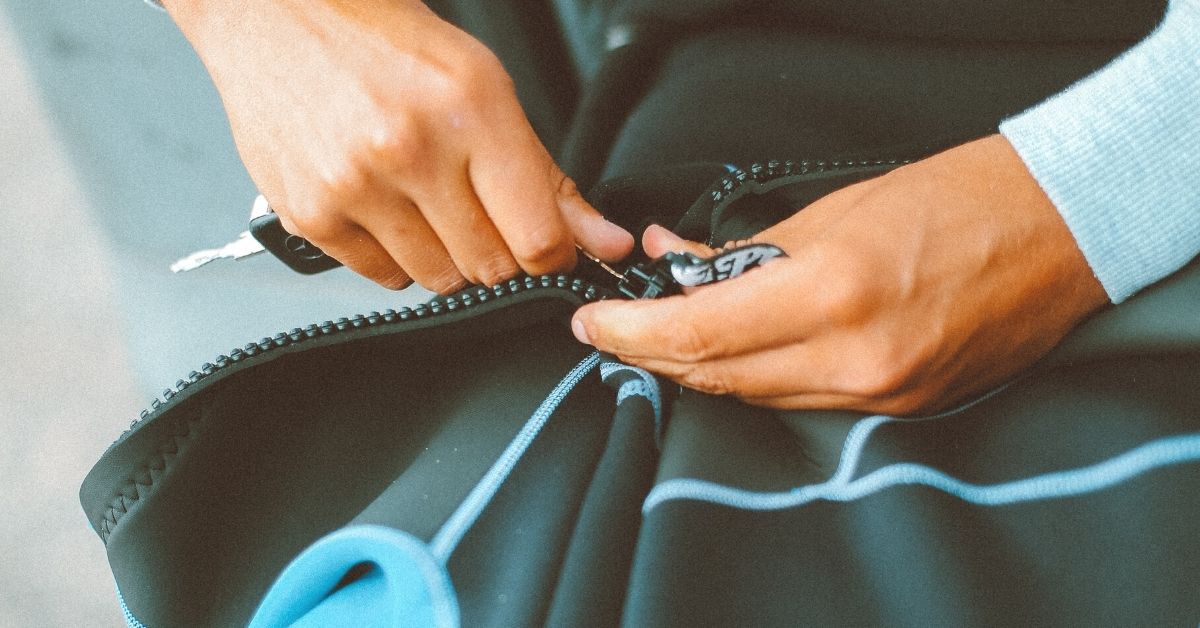
A missing zipper pull does not always mean the zipper itself is broken. You can create a temporary pull with a common item.
Use one of these options:
- Paper clip: Bend one end through the slider hole and leave a loop large enough to grip.
- Key ring: Thread a small ring through the slider hole.
- Zip tie: Insert the narrow end through the hole, form a loop, and trim or tuck the excess.
- Cord or shoelace: Thread a short piece through the hole and tie the ends together.
A key ring is often the most durable temporary choice. A paper clip is useful for a quick fix but may bend under heavy use.
Keep the replacement pull small enough that it does not catch on clothing, seat belts, or backpack straps. If the slider hole is cracked or missing, these methods may not work.
How to Fix a Zipper That Came Off One Side
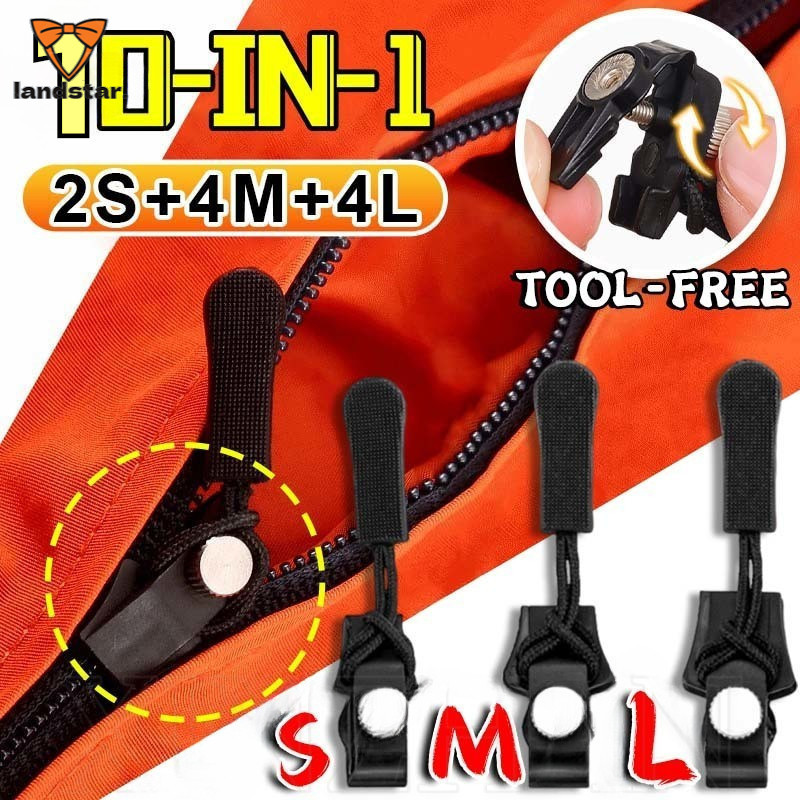
A zipper that has come off one side is harder to repair without tools. First, move the slider to the bottom or end of the zipper. The two zipper tapes must be aligned and flat.
If the zipper has a normal bottom stop, guide the loose side back into the slider opening. Move the slider slowly while holding both tapes level.
Some backpack zippers have a closed end or sewn stop that prevents the slider from being reinserted by hand. In that case, do not cut the stop unless you are prepared to sew or replace it later. Cutting it may turn a small repair into a larger one.
A temporary workaround is to close the pocket with a safety pin placed away from the zipper path, but this is not ideal for a bag that carries weight. Keep sharp points covered and do not use this method where the pin could touch skin or electronics.

Troubleshooting: Match the Symptom to the Cause
| Symptom | Likely cause | First thing to try |
|---|---|---|
| Slider will not move | Trapped fabric, dirt, or tension | Empty the pocket and free the fabric |
| Slider moves but catches | Dry or dirty teeth | Apply a small amount of soap or wax |
| Teeth open behind the slider | Loose slider or overloaded pocket | Reduce the load and realign the teeth |
| Pull tab broke off | Broken pull, working slider | Add a paper clip, key ring, or zip tie |
| One side came out | Slider misalignment or damaged stop | Realign both zipper tapes |
| Teeth will not join | Bent, missing, or damaged teeth | Stop forcing it; replace the zipper or slider |
| Zipper works only when held at an angle | Bent slider or uneven tension | Straighten the tapes and inspect the slider |
This table is a starting point, not a guarantee. A zipper with missing teeth cannot be restored with lubrication. Lubricant can reduce friction, but it cannot replace missing parts.

What Not to Do
Avoid these common mistakes when fixing a backpack zipper:
- Do not pull the slider with all your strength.
- Do not use your teeth to grip the pull.
- Do not cut fabric or zipper stops unless you can repair them afterward.
- Do not pour oil onto the zipper.
- Do not drag the slider over trapped fabric.
- Do not overload the pocket after the repair.
- Do not keep using a zipper that exposes sharp metal edges.
A damaged zipper can fail suddenly when the backpack is full. If the bag carries a laptop, books, medication, or other important items, place those items in another compartment until the zipper is reliable.

When a Tool-Free Repair Will Not Work
A no-tool fix is unlikely to last when:
- Several teeth are missing.
- The zipper tape is torn.
- The slider is cracked.
- The bottom stop is gone.
- The zipper is sewn into a tight corner.
- The fabric around the zipper is ripping.
- The zipper repeatedly separates after realignment.
For these problems, a tailor, luggage repair shop, cobbler, or outdoor-gear repair service may be the better choice. A repair professional can replace the slider or sew in a new zipper. If the backpack is under warranty, check the manufacturer’s repair policy before altering it.
A temporary closure may be enough for a light-use school bag. A hiking pack, work bag, or travel bag needs a stronger repair because repeated load and movement place more stress on the zipper.

How to Prevent Future Zipper Problems
Keep the zipper track free of sand, lint, and dirt. Wipe it with a dry cloth when the backpack has been used outdoors or placed on a dirty floor.
Do not force extra items into a pocket. If the zipper needs two hands to close, the pocket is probably too full.
Close the zipper before washing the backpack, and follow the care instructions on the bag. Heat, harsh cleaners, and rough washing can damage zipper tape and coatings.
Once or twice a year, inspect the zipper for loose stitching, bent teeth, and a damaged pull. Finding a small problem early is easier than repairing a zipper after it fails.

Frequently Asked Questions
Can I fix a backpack zipper with only my hands?
Sometimes. You can remove trapped fabric, realign the teeth, reduce pocket tension, and guide a loose slider by hand. A broken slider, missing tooth, or torn zipper tape usually needs a replacement part or sewing.
Is candle wax safe for a backpack zipper?
A small amount of plain, unscented candle wax can reduce friction on many zippers. Test it on a hidden area first, especially on a light-colored or waterproof backpack. Avoid colored wax because it may leave a mark.
Can I use a pencil on a stuck zipper?
Yes, graphite from a standard pencil can act as a dry lubricant. Rub it lightly on the teeth near the slider. It may stain pale fabric, so use soap or clear wax when appearance matters.
Why does my zipper keep opening after I close it?
The pocket may be too full, the teeth may be misaligned, or the slider may be worn. Empty the pocket, open the zipper fully, and close it while keeping both sides flat. If it still opens, the slider may need replacement.
Should I replace the whole zipper?
Not always. If the teeth and tape are intact, replacing only the slider may solve the problem. If the teeth or fabric are damaged in several places, replacing the full zipper is more reliable.
Conclusion
To fix a zipper on a backpack without tools, first remove tension and trapped fabric. Then clean the teeth, apply a small amount of soap or wax, and move the slider slowly. A paper clip, key ring, or zip tie can replace a broken pull.
Stop if the zipper has missing teeth, torn tape, or a cracked slider. Those problems need a proper replacement or professional repair rather than more force.

Zayden Halbrook is a travel enthusiast and gear researcher passionate about making every journey smoother and more enjoyable. With a keen eye for practical travel essentials and real-world tips, he helps readers choose the right gear and travel smarter. When he’s not testing travel kits or exploring new destinations, Zayden shares simple, reliable advice to make every trip stress-free.