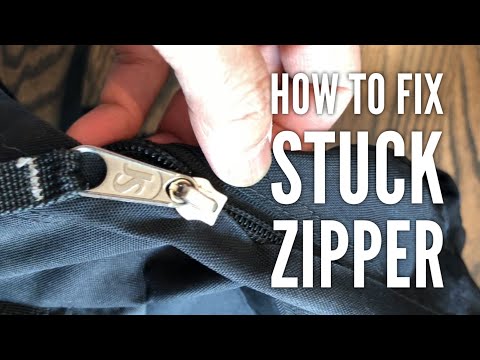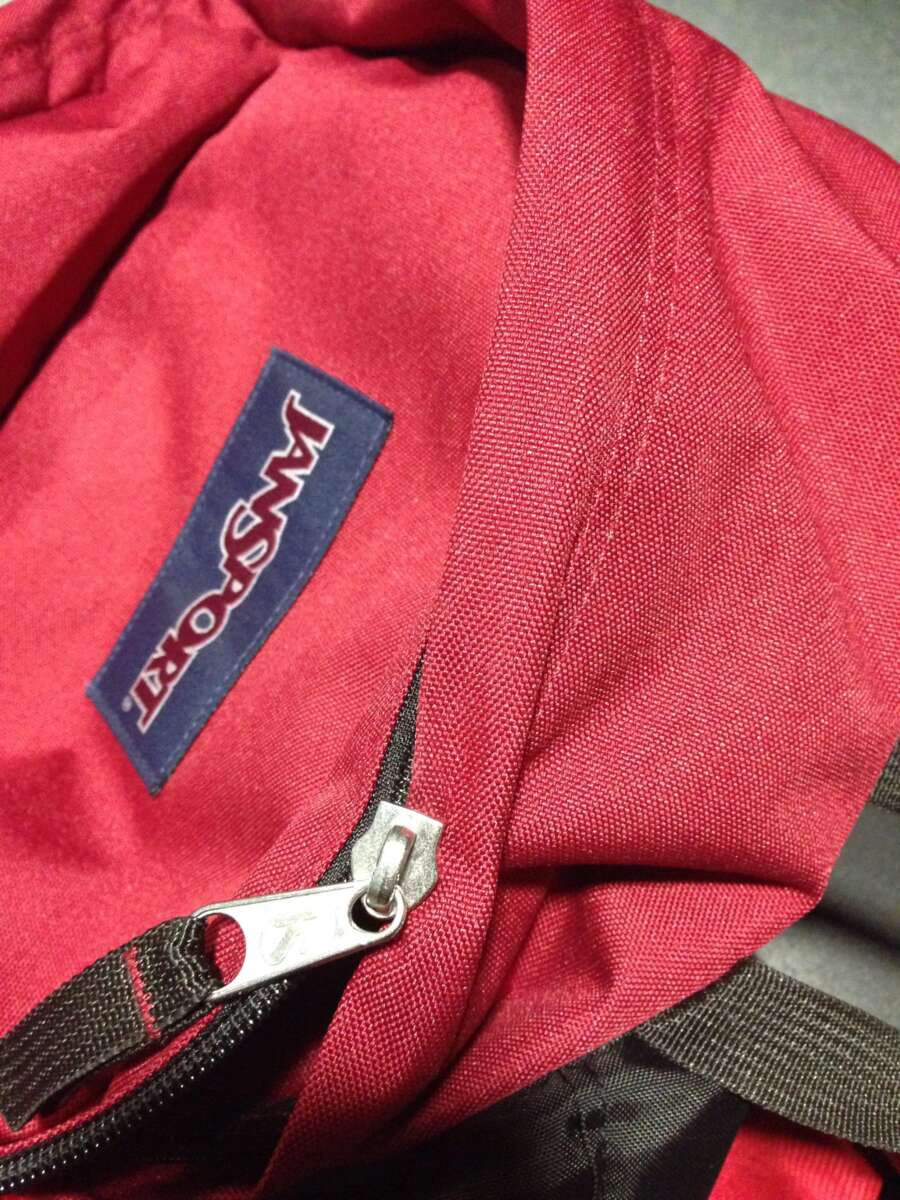
To get a backpack zipper unstuck, remove trapped fabric, ease the slider back, and use a small amount of lubricant.
A stuck zipper can ruin a school day, hike, or trip in seconds. The good news is that most backpack zipper problems need patience, not force. This guide explains how to get a backpack zipper unstuck safely, whether the slider caught fabric, the teeth misaligned, or the zipper feels dry and tight. You will also learn when a simple fix is enough and when the zipper needs repair or replacement.

Why backpack zippers get stuck
A backpack zipper works when the slider pulls both rows of teeth into the correct position. A small problem can stop that motion. The most common cause is fabric or thread caught inside the slider.
Other causes include:
• Dirt, sand, or lint packed between the teeth
• Bent or damaged zipper teeth
• A twisted pocket or overfilled compartment
• A loose zipper pull or worn slider
• Rust or corrosion on metal parts
• Too much pressure from a full backpack
• A zipper that lacks smooth movement
An overfilled backpack is a common culprit. When the bag is packed too tightly, the fabric pulls against the zipper. This creates tension, much like trying to close a book while someone holds both covers apart.
Before you try to free the zipper, place the backpack on a flat surface. Empty the pocket if possible. Reducing pressure often solves the problem before you use any tool.

How to get a backpack zipper unstuck safely
The safest method is slow and controlled. Do not yank the zipper pull. A hard pull can bend the slider, tear the fabric, or break the zipper teeth.
Follow these steps:
-
Stop pulling the zipper.
Hold the bag still and inspect the stuck area. Look for cloth, thread, lining, or loose fibers caught in the slider.
-
Reduce tension.
Open the backpack or remove some items. Pull the fabric on both sides of the zipper gently so the zipper lies flat.
-
Move the slider slightly backward.
Try to guide the zipper pull toward the position it came from. Small backward movements often release trapped material better than pulling forward.
-
Gently wiggle the pull.
Move it a few millimeters at a time. Use a steady motion rather than quick jerks.
-
Remove trapped fabric.
If you can see fabric in the slider, pull the fabric away from the teeth with your fingers. Use tweezers for a small thread, but grip the thread close to the slider and pull gently.
-
Test the zipper.
Once the slider moves, open and close it slowly. Check that the teeth join evenly and that the fabric stays clear.
If the slider will not move at all, stop after a few careful attempts. More force usually makes the damage worse. The goal is to release the pressure, not overpower the zipper.

How to remove fabric from a stuck zipper
Fabric caught in a zipper needs special care. Pulling the bag lining straight out can stretch or tear it. Instead, keep the zipper under light backward pressure while you free the material.
Try this method:
• Hold the zipper pull near the slider.
• Pull the slider back very slightly.
• Use your other hand to pull the trapped fabric sideways, away from the teeth.
• Work on one small fold at a time.
• Use blunt tweezers for loose threads.
• Cut only a loose thread that cannot be removed by hand.
Avoid cutting the bag lining. A tiny cut can spread as the pocket flexes. If you must cut a thread, use small embroidery scissors and keep the blade away from the zipper tape.
A useful trick is to use a sewing needle to lift fabric away from the slider. Do not push the needle into the zipper teeth or force it under the slider. The needle should only separate a loose fiber from the moving parts.
In my hands-on experience with bags and outdoor gear, the most common mistake is trying to “win” against the zipper. That approach often turns a minor snag into a torn lining. Gentle side-to-side pressure works better than a strong pull.

How to lubricate a backpack zipper
A dry zipper may move after you remove the trapped material, but it can still feel rough. A small amount of dry lubricant can help the slider glide over the teeth.
Good options include:
• Zipper lubricant made for clothing or outdoor gear
• Paraffin wax
• A plain graphite pencil for a metal zipper
• A small amount of beeswax on a rugged metal zipper
To use a lubricant, rub a very small amount along the zipper teeth near the slider. Then move the zipper back and forth slowly. Add more only if needed.
Test the lubricant on a hidden area first. Some oils can stain fabric or weaken certain materials. Avoid cooking oil, motor oil, petroleum jelly, and thick grease. These products attract dust and may leave a lasting mark.
Do not use large amounts of wax. Excess wax can collect dirt and make the zipper less smooth over time. A light coating is usually enough.
For a plastic coil zipper, use a product labeled for zippers or a small amount of paraffin wax. Graphite works best on some metal zippers, but it may leave a gray mark on light-colored fabric.

How to get a backpack zipper unstuck with household tools
You may not need a repair kit. Several simple tools can help, but use them with care.
Tweezers
Tweezers are useful for removing thread, hair, and thin lining fabric. Choose blunt or rounded tweezers when possible. Sharp tips can puncture the zipper tape.
Pencil
A standard graphite pencil can add light lubrication to metal teeth. Rub the pencil tip across the teeth near the slider, then move the pull gently.
Candle wax
Plain, unscented candle wax can help a metal zipper. Use a thin layer only. Do not use colored wax on a light backpack because it may transfer color.
Needle
A needle can lift a trapped thread. Keep it pointed away from your fingers and the fabric. Never pry hard against the zipper slider.
Pliers
Pliers should be a last resort. They may help adjust a loose slider, but squeezing too hard can crush it. Wrap the jaws with cloth to reduce scratches and use very light pressure.
A pocket knife is usually a poor choice. Its sharp edge can cut the zipper tape, lining, or your hand. Choose a small tool that gives you control rather than one that adds force.

How to fix a zipper that separates after closing
Sometimes the zipper moves but the teeth separate behind the slider. This often means the slider has become loose or worn.
First, check the teeth. If they are straight and complete, the slider may need a small adjustment. With the zipper fully open, use pliers to squeeze each side of the slider very gently. Make one light adjustment, then test it.
Do not crush the slider. If it becomes too tight, it may stop moving or damage the teeth. Make several tiny adjustments instead of one strong squeeze.
If teeth are missing, bent, or pulled away from the zipper tape, replacing the slider may not solve the problem. A tailor, luggage repair shop, or outdoor gear repair service can replace the zipper or sew a new section.
A zipper that separates repeatedly is not reliable for heavy loads. Until it is repaired, avoid putting valuable items in that pocket. Use a pouch inside the backpack as a second layer of protection.

What not to do when a backpack zipper is stuck
Knowing what to avoid is just as important as knowing what to try. Many zipper repairs fail because the first attempt causes new damage.
Avoid these actions:
• Do not yank the zipper pull.
• Do not use your teeth to pull it.
• Do not pour oil into the zipper.
• Do not force a sharp tool into the slider.
• Do not keep pulling when fabric is visibly trapped.
• Do not overload the backpack while testing the zipper.
• Do not bend the zipper teeth with heavy pliers.
• Do not use heat to soften plastic parts.
Heat can warp plastic teeth and damage synthetic backpack fabric. Strong chemicals may also affect waterproof coatings, dyes, or adhesive layers.
If the zipper pull breaks, you can temporarily attach a key ring, cord loop, or small split ring. This creates a new grip, but it does not repair the zipper itself. Replace the pull when convenient.