Introduction
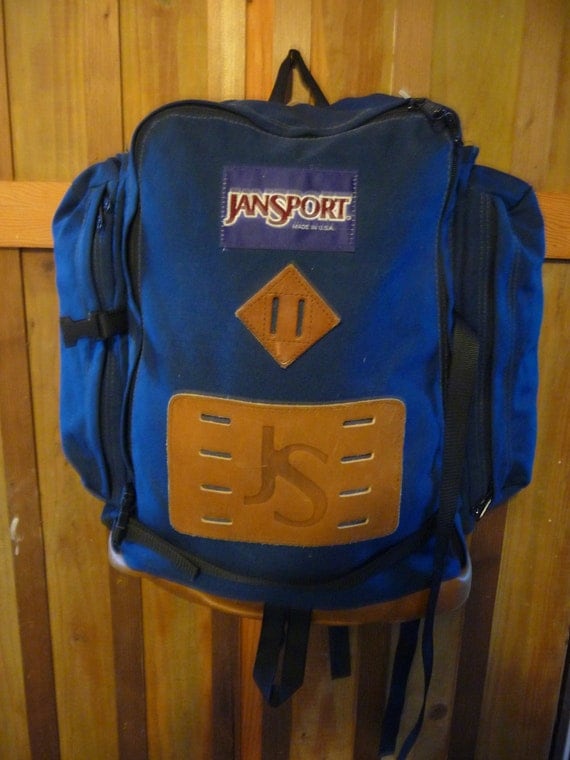
For students, commuters, and travelers in the United States, a JanSport backpack often carries daily essentials through classrooms, buses, offices, airports, and rainy sidewalks. If your bag has a leather bottom, clean it with extra care. Water and soap that are safe for the nylon body may stain, dry out, or weaken the leather.
The safest method is to empty the backpack, remove loose dirt, protect the leather, clean the fabric by hand with mild soap and cool water, then air-dry the bag completely. Do not put a JanSport backpack with a leather bottom in a washing machine or dryer unless the care label for that exact model clearly allows it.

What You Need Before cleaning
Gather the following items before you start:
- A vacuum with a brush attachment, or a soft dry brush
- Two or three clean microfiber cloths
- A soft sponge or soft toothbrush
- Cool or lukewarm water
- A small amount of mild liquid detergent
- A clean towel
- A water-resistant cover or plastic bag to protect the leather
- Leather conditioner, only if the leather maker or care label allows it
Avoid bleach, fabric softener, strong stain removers, alcohol, acetone, abrasive pads, and hot water. These products can fade nylon, strip coatings, damage thread, or dry out leather.
Before using any cleaner, read the sewn-in care label. JanSport has made many backpack designs over the years, and materials can differ by model. The care label is the best guide for your specific bag.
Check the bag first
Look for:
- Leather on the bottom, corners, handle, or zipper pulls
- A waterproof coating on the fabric
- Metal parts that could rust
- Loose stitching
- Cracked or peeling leather
- Ink, oil, paint, food, or unknown stains
If the leather is already cracked, brittle, peeling, or deeply stained, avoid soaking that area. Cleaning may not restore damaged leather. A leather repair professional may be a better option.
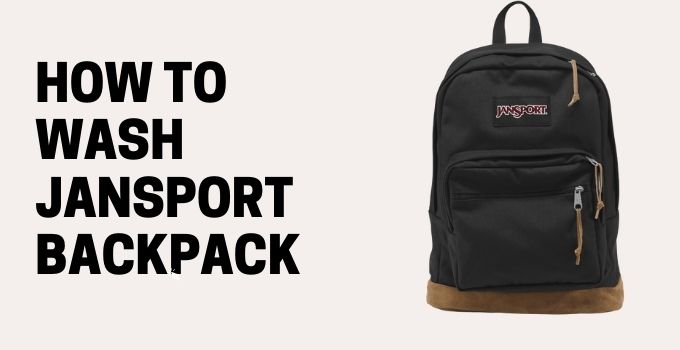
How to Wash a JanSport Backpack With a Leather Bottom
Follow these steps in order. The goal is to clean the fabric without saturating the leather.
1. Empty every compartment
Remove books, papers, pens, food, and small items. Check the front pocket, laptop sleeve, side pockets, and hidden compartments.
Shake the backpack upside down over a trash can. Use a vacuum brush or soft brush to remove crumbs and dust. Loose grit can act like sandpaper when you rub the fabric.
2. Remove detachable parts
Take off key clips, removable straps, sternum straps, and other parts that the care label says can be removed. Keep small parts in a bowl so they do not get lost.
Do not force off sewn-in parts. Pulling on them can damage the seams.
3. Protect the leather bottom
Cover the leather bottom with a plastic bag or a clean waterproof cover. Hold the cover in place with clips or your hand while you clean nearby fabric.
Do not wrap the whole backpack tightly in plastic. Air must reach the fabric during drying. Protect only the leather area that should stay as dry as possible.
If the bag can stand upside down without pressing the leather against the floor, place it that way during cleaning. This helps keep soapy water from running into the leather.
4. Test the cleaner
Mix a small amount of mild detergent with cool water. A useful starting mix is about 1 teaspoon of mild detergent in 2 cups of water.
Test the solution on a hidden fabric spot. Dab the area with a clean cloth, then blot it dry. Wait until the spot dries before cleaning the full bag. Check for color loss, streaks, or a change in texture.
Do not apply the test solution to leather unless the product is made for that type of leather and the care label allows it.
5. Clean the fabric by hand
Dip a soft sponge or cloth into the cleaning solution. Wring it out well. It should be damp, not dripping.
Work in small areas:
- Wipe the fabric gently.
- Use a soft toothbrush on seams and textured areas.
- Blot dirty water with a dry cloth.
- Rinse the cloth often.
- Keep water away from the leather bottom.
Do not scrub hard. Strong rubbing can spread stains and wear away the fabric finish.
For a large dirty area, clean the panel from seam to seam. This reduces the chance of creating water rings or uneven color.
6. Remove soap residue
Use a second cloth dampened with plain cool water. Wring it out well and wipe the cleaned fabric.
Repeat with a fresh section of the cloth until the surface no longer feels slippery. Excess soap can leave a dull film and attract more dirt.
Keep the leather protected during this step.
7. Treat the leather separately
If the leather only has light dust, wipe it with a dry or barely damp cloth. Do not flood it with water.
For a small surface mark, use a leather cleaner that matches the leather type. Apply it to a cloth rather than directly to the backpack. Test it in a hidden spot first.
After the leather dries, use a small amount of suitable leather conditioner only if the manufacturer or care label permits it. Too much conditioner can darken leather, leave an oily surface, or transfer onto clothing.
Do not use saddle soap, household oil, petroleum jelly, or cooking oil unless the leather manufacturer specifically recommends it. Different finishes react in different ways.
8. Dry the backpack correctly
Remove the protective cover from the leather. Blot excess moisture from the fabric with a clean towel.
Open all compartments and leave the backpack in a dry, well-ventilated place. Keep it away from:
- Direct sunlight
- Radiators
- Clothes dryers
- Hair dryers
- Space heaters
- Hot cars
Shape the bag while it dries so it does not develop deep folds. Hang it from a strong loop only if the wet weight will not strain the stitching.
Let the backpack dry fully before using it. A thick padded back panel or laptop sleeve may take longer than the outer fabric.
9. Check the result
The backpack is ready when:
- No area feels cool or damp
- No musty smell remains
- The fabric color looks even
- The leather feels dry but not brittle
- The zippers move without grit
- No soap film remains
If the bag still smells damp, continue air-drying it. Using it while moisture remains inside can encourage mildew.

Can You Put a JanSport Backpack With Leather in the Washing Machine?
You should generally avoid machine washing a JanSport backpack with a leather bottom. A washing machine can expose the leather to extended soaking, twisting, detergent, and forceful spinning. That combination may cause shrinkage, stains, cracking, color transfer, or separation at the seams.
A machine can also damage:
- Foam padding
- Back panels
- Coated fabrics
- Zipper coatings
- Leather trim
- Internal boards
- Printed designs
Even if a similar JanSport model is machine washable, that does not prove that a leather-bottom model is safe to machine wash. Use the instructions for the exact backpack.
If the care label clearly permits machine washing, use the gentlest cycle, cool water, mild detergent, and a protective laundry bag. However, do not machine wash the bag if the label is missing or unclear. Hand cleaning is the lower-risk choice.

How to Remove Common Stains
Different stains need different approaches. Start with gentle spot cleaning instead of soaking the full backpack.
| Stain | First method | Avoid |
|---|---|---|
| Mud | Let it dry, brush it away, then wipe the area | Scrubbing wet mud into the fibers |
| Food | Lift solids, blot, then use mild soapy water | Hot water and heavy rubbing |
| Ink | Blot carefully and seek professional advice if it spreads | Alcohol or acetone without a fabric test |
| Grease or oil | Blot with a dry cloth and stop if the mark remains | Rubbing oil deeper into the fabric |
| Mildew smell | Air the empty bag, clean lightly, and dry fully | Sealing the damp bag in plastic |
| Salt marks | Wipe the fabric with a damp cloth and dry it | Soaking the leather |
Mud and dirt
Let mud dry before brushing it. Wet mud can spread through the weave. Once the loose dirt is gone, use the mild detergent solution on the remaining mark.
Food and drink
Remove solid food with a spoon or dull edge. Blot liquid with a towel. Do not rub, because rubbing can drive the stain farther into padded material.
Clean the area with a damp cloth and mild detergent. Rinse the cloth well and blot away soap.
Ink and paint
Ink and paint can become permanent. Avoid experimenting with nail polish remover, bleach, or strong solvents. These chemicals can dissolve coatings and damage both fabric and leather.
If the stain is important or the material is expensive, take the backpack to a professional cleaner and identify all materials before treatment.
Mildew and persistent odor
A musty smell often means moisture remains inside the padding or lining. Empty the bag and dry it in moving air.
If you see fuzzy growth or black, green, or white patches, avoid shaking the bag indoors. Clean it outside if practical, wear gloves, and consider professional cleaning. A severe mildew problem may not be fully removable from foam or lining.

Common Mistakes to Avoid
The most common cleaning errors involve too much water, too much heat, or too much force.
Do not soak the backpack
Soaking can push water into leather, foam, padding, and hidden seams. It also makes drying slow. A damp-cloth method is safer for a mixed-material backpack.
Do not use hot water
Heat can cause leather to dry and stiffen. It may also set some stains and affect adhesives or coatings.
Do not scrub with a hard brush
A hard brush can roughen nylon and damage the leather surface. Use a soft brush only on areas that need it.
Do not dry it in a clothes dryer
A dryer combines heat and tumbling. This can warp the bag, damage leather, and weaken seams.
Do not store it while damp
Damp storage can cause odor and mildew. Leave all pockets open until the inside and outside are dry.
Do not assume waterproof means washable
Some backpack fabrics resist light rain but are not designed for full immersion. Water resistance also does not apply equally to leather, zippers, thread, and seams.