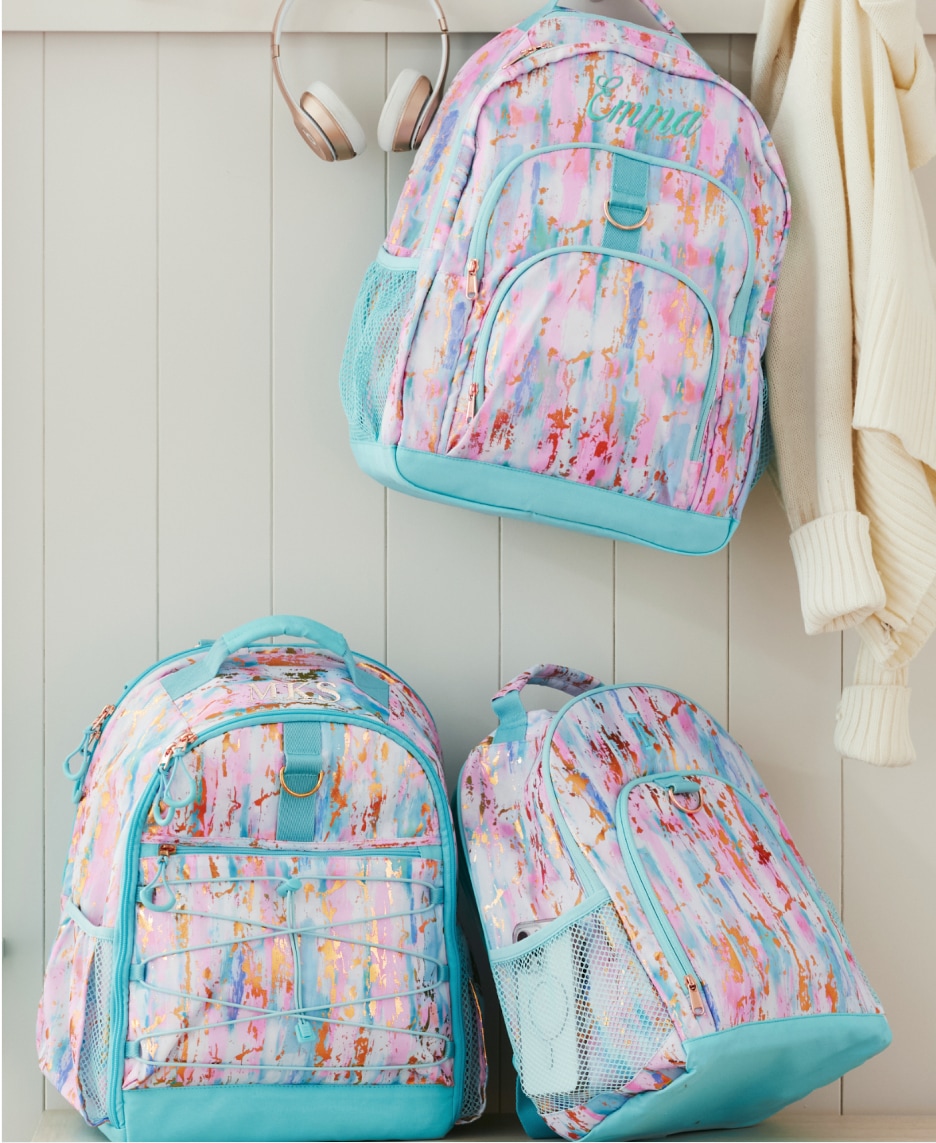

A Pottery Barn backpack is best cleaned by hand with cool water, mild detergent, and gentle pressure. Do not put it in a washing machine unless the sewn-in care label or the current Pottery Barn product instructions clearly say that machine washing is allowed. Many backpacks have padded panels, coated fabric, embroidery, zippers, or faux-leather trim that can lose their shape or finish in a washer and dryer.
This guide applies to Pottery Barn and Pottery Barn Kids backpacks used in U.S. homes, schools, camps, and travel. Because materials and care rules can vary by style, always check the tag inside the backpack before you begin.

Check the Backpack Before Washing
Start by finding the care label and checking the backpack’s materials. A backpack made from polyester may handle moisture well, while one with leather, faux leather, suede-like panels, coated fabric, or glued decorations needs more care.
Look for these instructions:
- Spot clean: Clean only the stained areas.
- Hand wash: Wash gently by hand in cool or lukewarm water.
- Machine wash: Use a washer only if the label gives clear instructions.
- Do not wash: Some specialty materials may need professional cleaning.
- Do not bleach: Avoid chlorine and oxygen bleach unless the label specifically allows it.
- Line dry: Air-dry the backpack instead of using a dryer.
If the care tag is missing, treat the backpack as hand-wash only. That is the safer choice for a structured school backpack.
Also inspect the backpack for damage. Washing can make a small tear worse, especially around a zipper or shoulder strap. Repair loose stitching before cleaning if possible.
Materials and parts that need extra care
Pay close attention to:
- Faux-leather or leather handles and trim
- Suede-like panels
- Reflective strips
- Printed designs
- Embroidery
- Padded laptop or tablet sleeves
- Glued patches
- Metal buckles and zipper pulls
- Water-resistant coatings
Do not soak leather or suede-like sections. Water can cause marks, stiffness, color change, or cracking.

Gather the Right Cleaning Supplies
You only need a few simple supplies:
- A soft cloth or soft-bristle toothbrush
- A clean sponge
- A basin or sink
- Cool or lukewarm water
- A small amount of mild liquid laundry detergent
- Two clean towels
- A drying rack or clean, shaded surface
Choose a detergent made for delicate fabrics when possible. Avoid powdered detergent because it may leave white residue in seams and padding.
Do not use:
- Chlorine bleach
- Strong stain removers
- Ammonia
- Solvent-based cleaners
- Fabric softener
- Hard scrubbing brushes
- Hot water
- A clothes dryer unless the care label permits it
Test the cleaner first
Mix a small amount of detergent with water. Dab it on a hidden area, such as the underside of a flap or the back of a strap. Wait a few minutes, then blot the spot with a clean white cloth.
If color transfers to the cloth or the fabric changes texture, stop. Use plain water and contact Pottery Barn customer service for material-specific advice.

How to Wash a Pottery Barn Backpack by Hand
Hand washing is the safest general method when the backpack’s care instructions are unclear.
1. Empty every compartment
Open all pockets and remove books, papers, wrappers, pencils, and small objects. Check hidden pockets twice. Shake the backpack upside down over a trash can to remove crumbs and grit.
Use a vacuum with a soft brush attachment to clean the inside if needed. Avoid pushing the vacuum nozzle hard against thin lining fabric.
2. Remove detachable parts
Take off removable key chains, name tags, pencil cases, lunch bags, and other accessories. Wash each item according to its own care label.
If the backpack has a removable bottom insert, take it out. Clean it separately with a damp cloth unless its label allows full washing.
3. Brush away dry dirt
Brush off soil before adding water. A soft toothbrush works well around seams, zipper tracks, and the bottom of the bag.
This step matters because wet dirt can spread and become harder to remove.
4. Treat stains before washing
Dampen a cloth with cool water and add a tiny drop of mild detergent. Press the cloth onto the stain. Work from the outer edge toward the center to help prevent a dark ring.
For food or drink stains, blot first. Do not rub hard, since friction can push the stain deeper into the fibers or damage printed artwork.
Let the mild detergent sit for about 5 to 10 minutes, then blot again with clean water. Avoid soaking the whole backpack during this spot-treatment stage.
5. Clean the exterior
Fill a basin with cool or lukewarm water. Add a small amount of mild detergent and mix it well.
Dip a soft cloth or sponge into the solution. Wring it out until it is damp, not dripping. Wipe the backpack in small sections, starting with the cleanest areas and ending with the dirtiest areas.
Pay extra attention to:
- The bottom panel
- The area near the water bottle pocket
- Shoulder straps
- The back panel
- Zipper edges
- Handles
- Seams and corners
Use a soft toothbrush for dirt trapped in stitching. Keep the brush strokes light.
6. Rinse without flooding the bag
Use a separate cloth dampened with clean water. Wipe away detergent residue one section at a time.
Do not hold a structured backpack under a running faucet unless the care instructions allow full rinsing. Excess water can collect in padding, lining, and seams.
7. Remove excess water
Place the backpack on a clean towel and press gently. Roll the towel around the bag and press again.
Do not twist, wring, or squeeze the backpack. Those actions can bend the frame, crease padded panels, and pull at straps.

Can You Machine-Wash a Pottery Barn Backpack?
Only machine-wash the backpack when its care label or official product instructions clearly allow it. Pottery Barn sells several backpack styles, and their fabrics, coatings, trims, and construction may differ.
If machine washing is approved, use this method:
- Empty the backpack and remove all detachable parts.
- Close zippers and fasten loose straps.
- Place the backpack inside a large mesh laundry bag or pillowcase.
- Use a gentle or delicate cycle.
- Select cold water.
- Add a small amount of mild liquid detergent.
- Skip bleach and fabric softener.
- Remove the backpack as soon as the cycle ends.
- Reshape it and air-dry it.
Do not wash the backpack with towels, jeans, or heavy items. Their weight and rough texture can stress the backpack’s fabric and hardware.
If the label says spot clean only, do not machine-wash it even if the fabric looks like ordinary polyester. The construction, coating, trim, or adhesive may not be washer-safe.
Machine-washing decision table
| Care instruction | Recommended method |
|---|---|
| Spot clean only | Clean stained areas with a damp cloth |
| Hand wash | Wash gently in a basin |
| Machine wash, cold | Use a delicate cycle with cold water |
| Do not wash | Follow the label or ask the manufacturer |
| No label | Use gentle hand cleaning |

How to Dry the Backpack Safely
Air-drying is the safest choice for most Pottery Barn backpacks. Heat from a dryer can shrink fabric, soften adhesives, warp padding, damage coatings, or affect faux-leather trim.
After cleaning:
- Blot the backpack with towels.
- Open every compartment.
- Pull out the lining gently where possible.
- Reshape the bottom, sides, and padded panels.
- Hang it from a strong strap or place it upright on a drying rack.
- Let it dry in a well-ventilated area away from direct heat.
- Turn it over during drying so air can reach the bottom.
Avoid placing the backpack on a radiator, near a heat vent, or in direct, strong sunlight. Heat and sunlight can fade colors and make some synthetic materials brittle.
Do not store the backpack until it is fully dry. A damp interior can develop a musty smell and may support mildew growth.
How long will drying take?
Drying time depends on the amount of water, padding, room airflow, and fabric thickness. A lightly damp backpack may dry in several hours. A soaked padded backpack may need a full day or longer.
Do not use smell alone to judge dryness. Feel the bottom, seams, shoulder straps, and inside padding. If any area feels cool or damp, keep drying it.

How to Remove Common Backpack Stains
Treat stains based on what caused them. Always test a cleaning solution on a hidden area first.
Food and drink
Blot the spill with a clean cloth. Use a small amount of mild detergent diluted in cool water. Dab from the outside of the stain toward the center, then remove soap with a clean damp cloth.
Do not use hot water on an unknown food stain. Heat may help set some protein-based stains.
Ink
Ink can spread quickly. Blot gently and avoid rubbing. Do not apply rubbing alcohol, nail-polish remover, or another solvent unless Pottery Barn or the fabric maker confirms that it is safe for the material.
For a large ink mark, professional cleaning may be safer than experimenting at home.
Mud
Let mud dry first. Brush away the loose soil, then clean the remaining mark with mild detergent and cool water.
Washing wet mud can spread it across the fabric.
Oil or greasy food
Lift away solid residue with the edge of a spoon. Sprinkle a small amount of absorbent powder only if the fabric care label permits it, then brush it away before using mild detergent.
Avoid strong degreasers. They can strip color or a water-resistant finish.
Odor
Empty the backpack and air it out first. Wipe the lining with a cloth dampened with diluted mild detergent, then wipe again with clean water.
Do not cover a damp or dirty backpack with fragrance spray. That may hide the smell briefly while leaving the source behind.
If a musty odor remains after cleaning and complete drying, inspect the lining and padding for mold. A backpack with widespread mold may not be practical to salvage, especially if the padding cannot be fully cleaned and dried.