Use a TSA-approved lock, secure every zipper, and store your luggage in a monitored, dry place.
Learning how to lock away luggage is about more than adding a small padlock. The best method combines the right lock, strong storage habits, and smart checks before you leave your bag alone. Whether you are at home, in a hotel, at an airport, or using a luggage storage service, this guide explains how to protect your belongings with simple steps that work in real life.
What “Lock Away Luggage” Really Means
To lock away luggage means to protect a suitcase, backpack, or travel bag from unwanted access while it is not in your direct care. This can include locking the zippers, securing the bag to a fixed object, placing it in a locked room, or using a professional luggage storage service.
A lock helps, but it is not a complete security system. Most luggage locks are meant to discourage casual opening. They cannot stop a determined thief with tools. Think of a luggage lock as a seat belt: it adds protection, but it works best with other safety habits.
When learning how to lock away luggage, focus on three layers:
• Physical security: Use a strong lock and secure the zippers or closure points.
• Location security: Keep the luggage in a monitored, restricted, or locked area.
• Personal security: Avoid packing valuables in checked or unattended luggage.
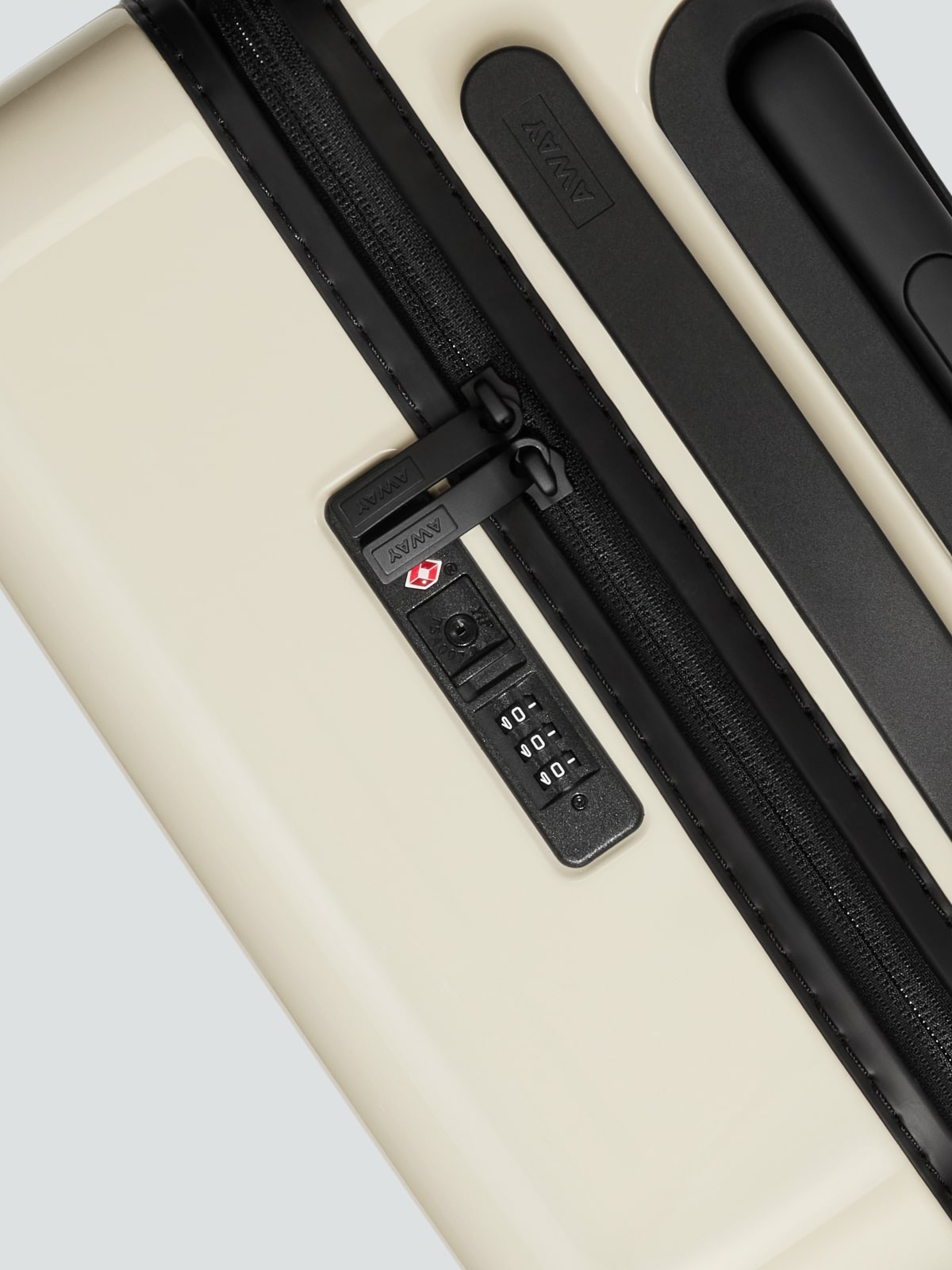
Airlines and transportation agencies also have rules about luggage locks. In the United States, checked bags may be opened for inspection. A lock approved for Transportation Security Administration inspection can usually be opened by authorized officers without breaking the lock.
Choose the Right Luggage Lock
The best lock depends on where and how you plan to store your bag. A lock for a hotel room may not need the same features as one for checked airline luggage.
TSA-approved combination locks
A TSA-approved combination lock is a common choice for checked luggage in the United States. It uses a code that you set, while authorized inspectors can use a special key or tool to open it when needed.
Benefits include:
• No loose key to lose during travel.
• Easy use on suitcases with lockable zipper pulls.
• Lower risk of the lock being cut during an inspection.
Set a code that is easy for you to remember but hard for another person to guess. Avoid birthdays, room numbers, or simple patterns such as 000 or 123.
Keyed padlocks
A small keyed padlock can work well for storage lockers, backpacks, and luggage kept in a hotel room. It is often simple and durable, but losing the key can create a problem.
Keep a spare key in a separate secure place. Do not hide it inside the same suitcase you are trying to protect.
Cable locks
Cable locks have a flexible metal cable that can pass through zipper pulls, handles, or fixed objects. They are useful when you need to secure several bags together or attach a bag to a luggage rack.
A cable lock is not always stronger than a solid shackle lock. Its main advantage is flexibility.
Built-in suitcase locks
Some hard-shell suitcases have a built-in combination lock. These locks look neat and reduce the chance of losing a separate lock.
Before a trip, test the lock several times with the suitcase empty. A stuck button or forgotten code is much easier to fix at home than at an airport.
What to look for in a luggage lock
Choose a lock with:
• A metal body and shackle.
• Clear number wheels or a smooth key system.
• A code reset button that is difficult to press by accident.
• A size that fits your zipper pulls.
• A design made for travel use.
When deciding how to lock away luggage, avoid very large locks that do not fit through the zipper holes. Also avoid cheap locks with loose wheels, weak plastic parts, or codes that change when the bag moves.

How to Lock a Suitcase Step by Step
The process is simple, but small mistakes can leave your bag open. Follow these steps each time you secure luggage.
- Close the suitcase fully
Pack the bag so the contents do not press hard against the zipper. Overfilled luggage can strain the zipper and make the lock difficult to close.
- Bring the zipper pulls together
Place the zipper pulls side by side at the point where the lock will attach. Make sure the zipper teeth are fully joined.
- Insert the lock shackle or cable
Pass the shackle or cable through both zipper pulls. If the suitcase has lock holes, use those points instead of forcing the lock through fabric.
- Close the lock
For a combination lock, scramble the numbers after locking it. For a keyed lock, pull the shackle to confirm that it is closed.
- Test the zipper
Pull the zipper gently in both directions. The zipper should not open, and the lock should stay in place.
- Hide the code or key
Do not write the lock code on a tag attached to the suitcase. If you use a key, keep it separate from the luggage.
- Check the lock before handing over the bag
Take a quick photo of the locked suitcase. This can help you remember its condition and identify it later.
A common mistake I have seen while preparing bags for travel is setting the combination but forgetting to scramble the number wheels. The lock may be closed, but the code remains visible. This takes only one second to fix and should become part of your normal routine.

How to Lock Away Luggage at Home
At home, the safest place for luggage is a dry, private area with limited access. A locked closet, storage room, or cabinet is usually better than an open garage or porch.
Before storing your luggage:
• Remove passports, cash, jewelry, medication, electronics, and other high-value items.
• Clean out food, damp clothing, and wet shoes.
• Dry the suitcase completely to prevent mold and odors.
• Close all compartments and lock the main zippers.
• Store the bag away from windows and exterior doors.
• Keep travel documents in a separate secure location.
For extra protection, place the luggage inside a locked cabinet or storage trunk. You can also use a steel cable lock to attach several bags to a heavy, fixed object. Do not attach luggage to a movable chair, light shelf, or weak railing.
A locked suitcase is not a good replacement for a home safe. If an item is costly, difficult to replace, or sensitive, keep it in a proper safe or another controlled location.
When learning how to lock away luggage at home, also think about moisture. A lock can protect against access, but it cannot protect against water damage. Use a breathable cover and avoid sealing damp bags in plastic for long periods.

How to Secure Luggage in a Hotel Room
Hotel rooms offer convenience, but they are not always private in the same way your home is. Staff may enter for cleaning, repairs, or maintenance. Use more than one security step when leaving luggage behind.
Follow this routine:
-
Put valuables in the hotel safe when one is available.
-
Lock the suitcase before leaving the room.
-
Place the luggage out of direct view from the doorway.
-
Use a cable lock to attach the bag to a heavy, fixed object if practical.
-
Keep the room door locked and use the deadbolt or privacy latch.