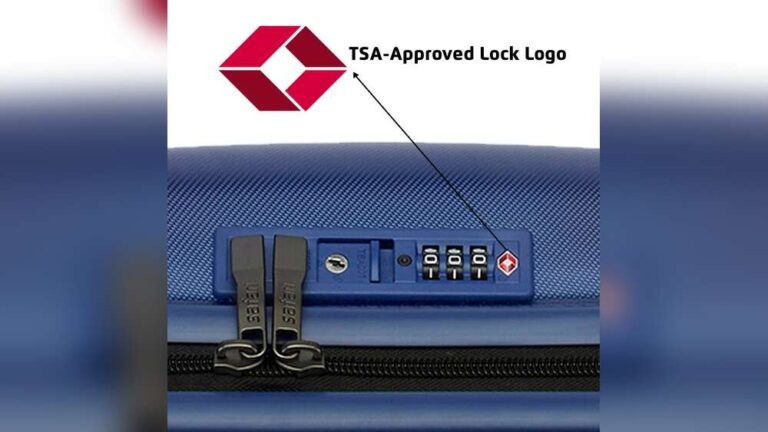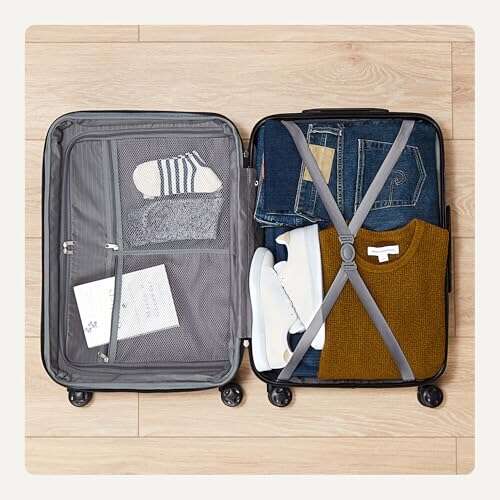
Use a TSA-approved lock, secure every zipper, and store your luggage in a monitored, dry place.
Learning how to lock away luggage is about more than adding a small padlock. The best method combines the right lock, strong storage habits, and smart checks before you leave your bag alone. Whether you are at home, in a hotel, at an airport, or using a luggage storage service, this guide explains how to protect your belongings with simple steps that work in real life.
What “Lock Away Luggage” Really Means
To lock away luggage means to protect a suitcase, backpack, or travel bag from unwanted access while it is not in your direct care. This can include locking the zippers, securing the bag to a fixed object, placing it in a locked room, or using a professional luggage storage service.
A lock helps, but it is not a complete security system. Most luggage locks are meant to discourage casual opening. They cannot stop a determined thief with tools. Think of a luggage lock as a seat belt: it adds protection, but it works best with other safety habits.
When learning how to lock away luggage, focus on three layers:
• Physical security: Use a strong lock and secure the zippers or closure points.
• Location security: Keep the luggage in a monitored, restricted, or locked area.
• Personal security: Avoid packing valuables in checked or unattended luggage.
Airlines and transportation agencies also have rules about luggage locks. In the United States, checked bags may be opened for inspection. A lock approved for Transportation Security Administration inspection can usually be opened by authorized officers without breaking the lock.
Choose the Right Luggage Lock
The best lock depends on where and how you plan to store your bag. A lock for a hotel room may not need the same features as one for checked airline luggage.
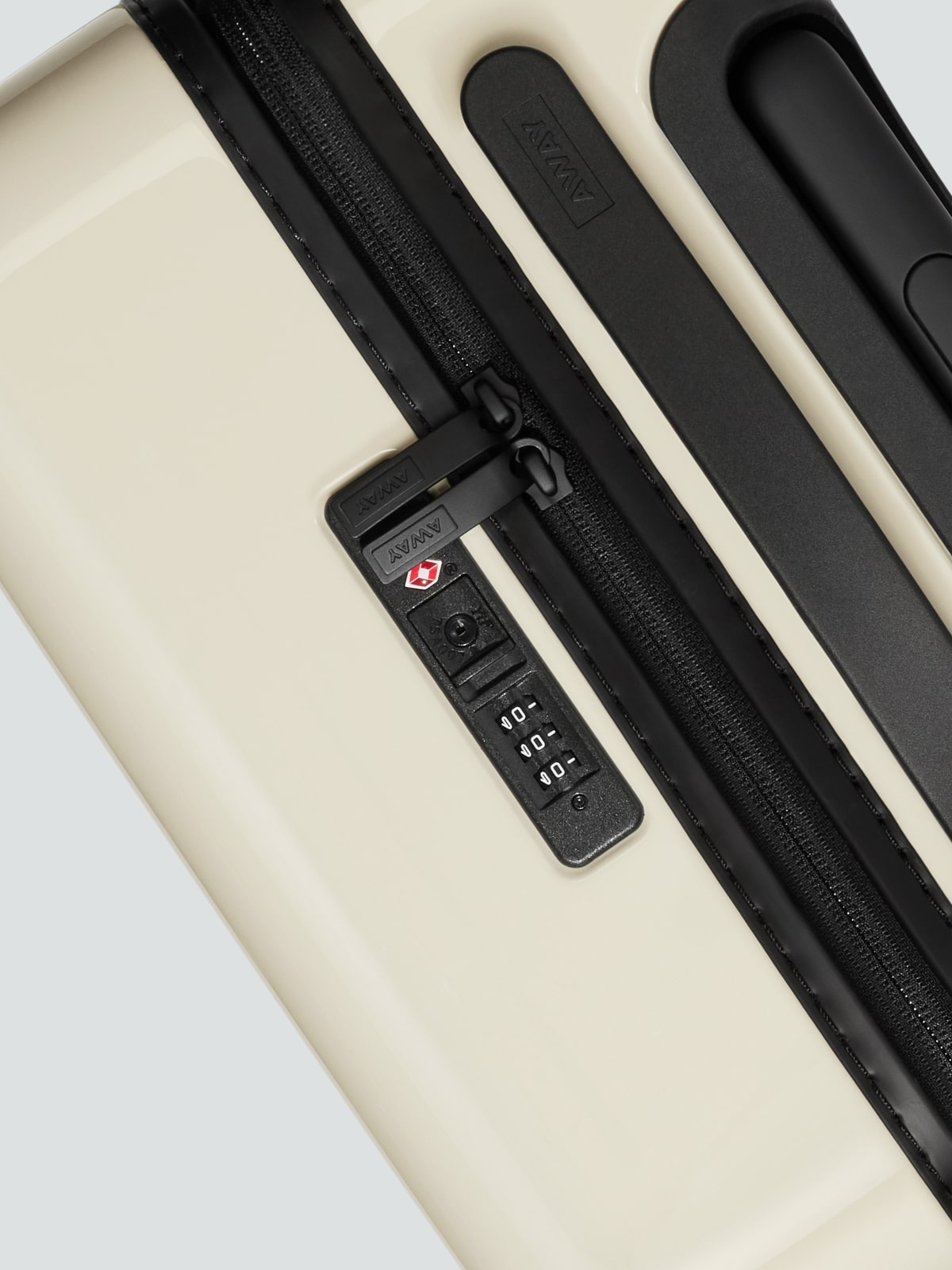
TSA-approved combination locks
A TSA-approved combination lock is a common choice for checked luggage in the United States. It uses a code that you set, while authorized inspectors can use a special key or tool to open it when needed.
Benefits include:
• No loose key to lose during travel.
• Easy use on suitcases with lockable zipper pulls.
• Lower risk of the lock being cut during an inspection.
Set a code that is easy for you to remember but hard for another person to guess. Avoid birthdays, room numbers, or simple patterns such as 000 or 123.
Keyed padlocks
A small keyed padlock can work well for storage lockers, backpacks, and luggage kept in a hotel room. It is often simple and durable, but losing the key can create a problem.
Keep a spare key in a separate secure place. Do not hide it inside the same suitcase you are trying to protect.
Cable locks
Cable locks have a flexible metal cable that can pass through zipper pulls, handles, or fixed objects. They are useful when you need to secure several bags together or attach a bag to a luggage rack.
A cable lock is not always stronger than a solid shackle lock. Its main advantage is flexibility.
Built-in suitcase locks
Some hard-shell suitcases have a built-in combination lock. These locks look neat and reduce the chance of losing a separate lock.
Before a trip, test the lock several times with the suitcase empty. A stuck button or forgotten code is much easier to fix at home than at an airport.
What to look for in a luggage lock
Choose a lock with:
• A metal body and shackle.
• Clear number wheels or a smooth key system.
• A code reset button that is difficult to press by accident.
• A size that fits your zipper pulls.
• A design made for travel use.
When deciding how to lock away luggage, avoid very large locks that do not fit through the zipper holes. Also avoid cheap locks with loose wheels, weak plastic parts, or codes that change when the bag moves.

How to Lock a Suitcase Step by Step
The process is simple, but small mistakes can leave your bag open. Follow these steps each time you secure luggage.
- Close the suitcase fully
Pack the bag so the contents do not press hard against the zipper. Overfilled luggage can strain the zipper and make the lock difficult to close.
- Bring the zipper pulls together
Place the zipper pulls side by side at the point where the lock will attach. Make sure the zipper teeth are fully joined.
- Insert the lock shackle or cable
Pass the shackle or cable through both zipper pulls. If the suitcase has lock holes, use those points instead of forcing the lock through fabric.
- Close the lock
For a combination lock, scramble the numbers after locking it. For a keyed lock, pull the shackle to confirm that it is closed.
- Test the zipper
Pull the zipper gently in both directions. The zipper should not open, and the lock should stay in place.
- Hide the code or key
Do not write the lock code on a tag attached to the suitcase. If you use a key, keep it separate from the luggage.
- Check the lock before handing over the bag
Take a quick photo of the locked suitcase. This can help you remember its condition and identify it later.
A common mistake I have seen while preparing bags for travel is setting the combination but forgetting to scramble the number wheels. The lock may be closed, but the code remains visible. This takes only one second to fix and should become part of your normal routine.

How to Lock Away Luggage at Home
At home, the safest place for luggage is a dry, private area with limited access. A locked closet, storage room, or cabinet is usually better than an open garage or porch.
Before storing your luggage:
• Remove passports, cash, jewelry, medication, electronics, and other high-value items.
• Clean out food, damp clothing, and wet shoes.
• Dry the suitcase completely to prevent mold and odors.
• Close all compartments and lock the main zippers.
• Store the bag away from windows and exterior doors.
• Keep travel documents in a separate secure location.
For extra protection, place the luggage inside a locked cabinet or storage trunk. You can also use a steel cable lock to attach several bags to a heavy, fixed object. Do not attach luggage to a movable chair, light shelf, or weak railing.
A locked suitcase is not a good replacement for a home safe. If an item is costly, difficult to replace, or sensitive, keep it in a proper safe or another controlled location.
When learning how to lock away luggage at home, also think about moisture. A lock can protect against access, but it cannot protect against water damage. Use a breathable cover and avoid sealing damp bags in plastic for long periods.

How to Secure Luggage in a Hotel Room
Hotel rooms offer convenience, but they are not always private in the same way your home is. Staff may enter for cleaning, repairs, or maintenance. Use more than one security step when leaving luggage behind.
Follow this routine:
-
Put valuables in the hotel safe when one is available.
-
Lock the suitcase before leaving the room.
-
Place the luggage out of direct view from the doorway.
-
Use a cable lock to attach the bag to a heavy, fixed object if practical.
-
Keep the room door locked and use the deadbolt or privacy latch.
-
Do not leave passports, cash, or expensive devices in the suitcase.
A cable lock can attach a bag to a bed frame or another solid fixture, but check that the object is truly fixed. Do not block walkways or create a tripping risk.
Hotel safes can also have limits. They may protect against casual access, but they are not designed to resist every type of attack. For high-value items, ask the front desk about secure storage and keep a record of what you place there.
One lesson from hotel stays is to avoid hiding luggage in clever-looking places. A suitcase behind a curtain or under a bed may be easy to find. A locked bag in a less visible location, combined with a locked room, offers better everyday protection.

How to Secure Luggage at an Airport
Airports are busy places where bags move through many hands and machines. You should secure the luggage, but you should also follow inspection rules.
Use a TSA-approved lock on checked luggage when possible. If security staff need to inspect the bag, an approved lock may be opened and relocked without damage. A non-approved lock may be cut off.
Before checking a bag:
• Remove valuables and important documents.
• Close and lock every main compartment.
• Add a clear luggage tag with your contact details.
• Take a photo of the outside and inside of the bag.
• Keep the lock code private.
• Confirm that the lock is fully closed.
Do not lock away items that airport security may need to identify or inspect. Follow current airline and airport instructions, especially for batteries, medication, liquids, and restricted goods.
A lock does not guarantee that a checked bag will arrive safely. Baggage can be delayed, damaged, or misdirected. Keep medication, identification, keys, and essential items in your carry-on bag.
How to Secure Luggage in a Storage Locker
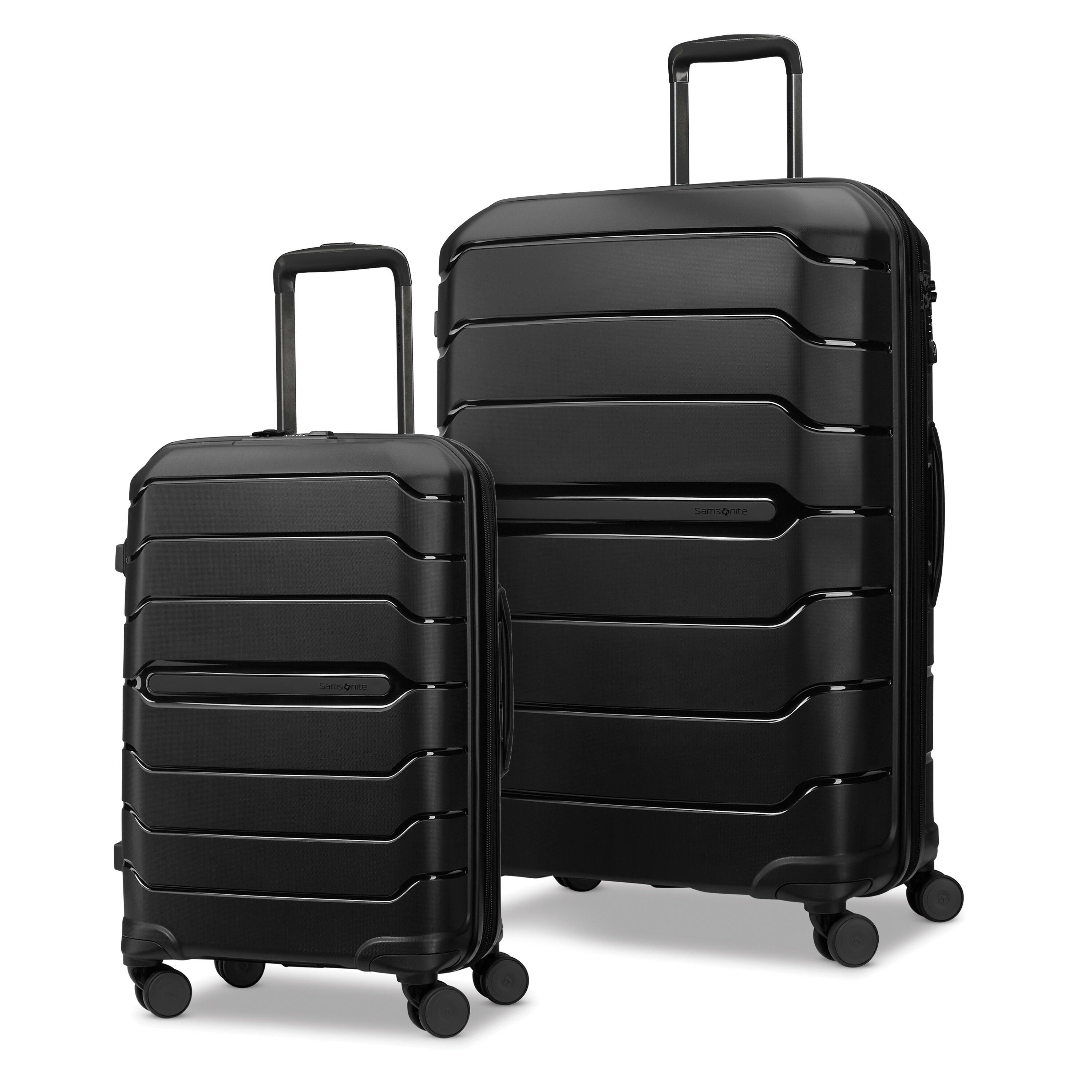
A luggage storage locker can be useful during a long layover, early hotel arrival, or late departure. The main risk is often the locker itself, not the suitcase.
Choose a service or facility with:
• Staff presence or controlled entry.
• Clear customer reviews.
• A written claim process.
• Cameras in public areas.
• Lockers that are not exposed to rain or extreme heat.
• Receipts or digital records.
Before placing your bag inside:
-
Inspect the locker for damage.
-
Confirm that the door closes fully.
-
Use the facility’s lock or an approved personal lock.
-
Keep the receipt and access code separate from the bag.
-
Take a photo of the locker number.
-
Avoid storing passports, large amounts of cash, or irreplaceable items.
Some services collect bags behind a counter instead of using individual lockers. In that case, ask how bags are tagged, who can access them, and what happens if a bag is lost.
Knowing how to lock away luggage in a storage facility also means understanding the service agreement. Many companies limit responsibility for cash, jewelry, electronics, or fragile items. Read those limits before leaving anything valuable.

How to Lock a Backpack or Soft Travel Bag
Soft bags often need a slightly different approach because they may have several pockets and flexible fabric. Lock the main compartment first, then check smaller openings.
Use these steps:
• Bring the main zipper pulls together.
• Pass a small cable lock through both pulls.
• Secure front and side pockets if they contain important items.
• Use a lockable strap around the bag when suitable.
• Attach the bag to a fixed object only when it is safe and allowed.
Some backpacks have hidden zippers or lock loops. These features can slow down casual theft, but they do not make the bag impossible to open. A thief may cut the fabric instead of opening the zipper.
For crowded places, keep the bag in front of you and use a lockable zipper. A physical lock works best when you can still see and control the luggage.

Mistakes to Avoid When Locking Luggage
Even a good lock can fail when the surrounding habits are poor. Avoid these common mistakes.
Using a weak or unsuitable lock
A tiny decorative lock may look useful but offer little strength. Select a travel lock that fits the bag and has solid metal parts.
Packing valuable items in checked luggage
Locks can be broken, bags can be delayed, and luggage can be lost. Keep essential and valuable items with you whenever possible.
Forgetting the combination
Write the code in a secure password manager or another private place. Do not place the code on the luggage tag.
Locking a bag before checking airline rules
Some locks may be removed during inspection. Use a recognized inspection-friendly lock for checked bags.
Overfilling the suitcase
Pressure can damage zippers and seams. Leave a little space so the bag closes without force.
Attaching luggage to unsafe objects
A cable lock attached to a light chair does not offer meaningful protection. Choose a heavy, fixed structure when the location allows it.
Relying on one layer of security
The best answer to how to lock away luggage is not simply “buy a lock.” Use a lock, choose a secure location, remove valuables, and limit who can access the bag.
Extra Ways to Protect Luggage and Its Contents
A lock protects access, while other tools help with tracking, identification, and recovery.
Useful additions include:
• A discreet luggage tag with your name and a phone number.
• An interior identification card in case the outside tag is lost.
• A GPS or Bluetooth tracker placed inside the bag.
• A bright strap or cover for quick identification.
• A simple inventory of packed items.
• Photos of expensive items and serial numbers.
A tracker can show a bag’s location, but it cannot prevent someone from opening it. Battery life, signal range, and local laws may affect performance.
Avoid placing your full home address on an outside luggage tag. A phone number or email address is often enough for legitimate contact. You can place fuller details inside the bag.
For extra peace of mind, check travel insurance terms before your trip. Policies may have limits for electronics, cash, jewelry, and unattended luggage.
A Simple Luggage Security Checklist
Use this checklist before leaving a bag unattended:
• Remove cash, medication, keys, identification, and valuables.
• Check that every compartment is closed.
• Attach a suitable lock to the main zipper pulls.
• Scramble the combination or remove the key.
• Confirm that the lock fits tightly.
• Add an identification tag.
• Take photos of the bag and its contents.
• Store the bag in a dry, controlled area.
• Keep the receipt or claim ticket.
• Check the rules of the airline, hotel, or storage provider.
This routine takes less than two minutes in most cases. It also reduces the stress that comes from wondering whether you forgot to lock a pocket or record your bag details.
Frequently Asked Questions About How to Lock Away Luggage
Is it safe to lock checked luggage?
It is generally safe to lock checked luggage with a TSA-approved lock in the United States. However, do not place valuables or essential items in checked bags, because luggage can be inspected, delayed, damaged, or lost.
What is the best lock for a suitcase?
A TSA-approved combination lock is a practical choice for most suitcases used on flights in the United States. A small keyed or cable lock may be better for hotel rooms, lockers, backpacks, or storage areas.
Can I lock my luggage at a hotel?
Yes, you can lock your luggage at a hotel by securing the zippers and placing the bag in a private location. For added protection, use the hotel safe for valuables and attach the bag to a solid fixture only when it is safe and permitted.
Should I put valuables in locked luggage?
No. A luggage lock can discourage casual access, but it cannot guarantee protection from theft. Keep passports, cash, medication, jewelry, and essential electronics with you or in a properly secured safe.
Can a luggage lock prevent theft?
A luggage lock can slow down casual tampering and show that the bag is secured. It cannot stop a determined person from cutting the zipper, fabric, or bag itself, so location and personal awareness remain important.
What should I do if I forget my luggage combination?
Check whether the lock has a documented reset process, but do not force it or damage the suitcase during travel. If the lock is stuck, contact the manufacturer, airline staff, hotel staff, or a qualified locksmith for help.
Conclusion
The safest way to lock away luggage is to combine a suitable lock with a secure location and careful packing choices. Use a TSA-approved lock for checked bags, protect hotel and storage bags with extra layers, and keep valuable or essential items outside unattended luggage.
Before your next trip, test the lock, record the combination privately, photograph the bag, and review the storage or airline rules. These small steps can prevent major stress. Share your own luggage security tips or explore more travel safety guides before you leave.

Zayden Halbrook is a travel enthusiast and gear researcher passionate about making every journey smoother and more enjoyable. With a keen eye for practical travel essentials and real-world tips, he helps readers choose the right gear and travel smarter. When he’s not testing travel kits or exploring new destinations, Zayden shares simple, reliable advice to make every trip stress-free.