Pack comfortable clothes, personal care items, important documents, snacks, and recovery essentials for labor and postpartum care.
Knowing what to pack for mom in hospital bag can make labor day feel calmer and more manageable. A thoughtful bag does not need to be huge. It should simply support comfort, communication, hygiene, feeding, rest, and the first hours after birth.
After helping families plan practical hospital stays, I have learned that the best bags are organized, light, and based on real needs rather than long viral checklists. This guide explains what to bring, what to skip, and how to prepare for both vaginal birth and cesarean recovery.
When to Pack Your Hospital Bag
Most parents start packing between 32 and 36 weeks of pregnancy. This gives you time to wash clothes, replace missing items, and adjust the bag if your care team changes the birth plan.
The American College of Obstetricians and Gynecologists notes that labor timing is not always predictable. Packing early is helpful because contractions, water breaking, or an unexpected hospital visit can happen before your estimated due date.
Keep the bag in an easy-to-reach place. Tell your partner, support person, or family member where it is. A second person should be able to grab it quickly without calling you for directions.
Pack in Three Small Bags
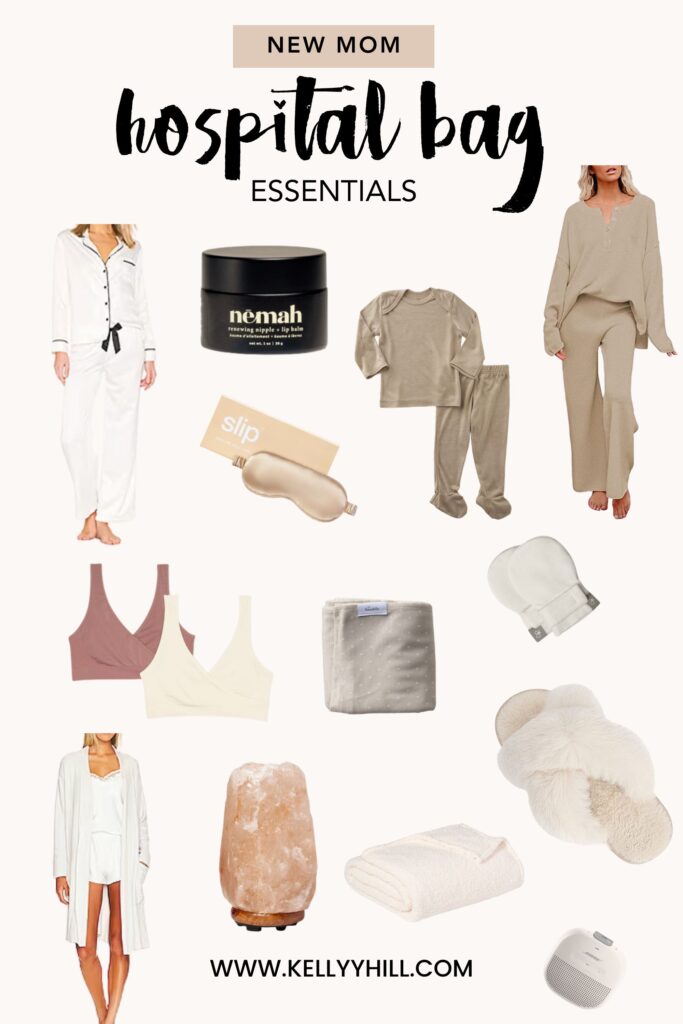
A large suitcase can become hard to manage in a busy hospital room. Smaller bags make it easier to find what you need.
Use these sections:
• Labor bag: Items needed during labor and birth
• Mom’s recovery bag: Items needed after delivery
• Baby and support bag: Items for the newborn and your support person
A clear pouch for chargers, lip balm, hair ties, and medications can save time. Think of your bag as a small tool kit, not a wardrobe.
What to Pack for Mom in Hospital Bag: Essential Items
The core of what to pack for mom in hospital bag includes items that help you stay clean, comfortable, informed, and rested. Hospitals provide many basic supplies, but comfort items vary from one facility to another.
Call your hospital or birth center before packing. Ask what it supplies for postpartum care, such as mesh underwear, pads, a peri bottle, breast pads, diapers, and formula if needed.
Important Documents
Place these items in a waterproof folder or small envelope:
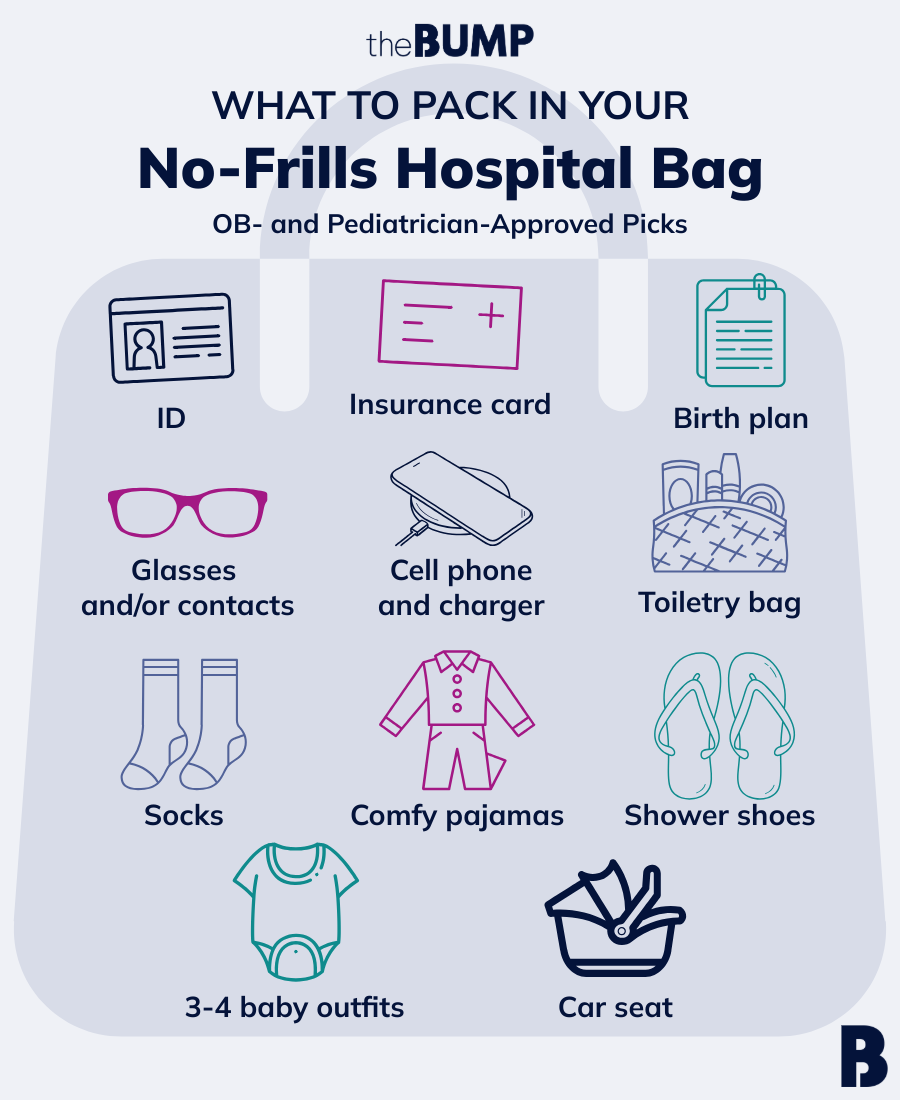
• Photo identification
• Insurance card
• Hospital registration forms
• Birth plan, if you have one
• List of medications, allergies, and medical conditions
• Contact details for your health care team
• Pediatrician information
• Any required consent or admission papers
Digital copies can help, but keep printed copies too. Hospital Wi-Fi may be slow, and your phone battery may be low.
Comfortable Clothing
Choose soft, loose clothes that are easy to put on and remove. Your body may feel swollen, tender, or sensitive after birth.
Pack:
• Two or three loose nursing-friendly tops
• One or two pairs of soft pants or maternity joggers
• A loose nightgown or nursing nightgown
• A lightweight robe
• A nursing bra or soft sleep bra
• High-waisted underwear, if you prefer your own
• Warm socks
• Slip-on shoes or shower sandals
• A loose outfit for going home
Select dark colors or patterns for the trip home. Postpartum bleeding is normal, and dark fabric can help you feel less worried about stains.
Avoid tight waistbands. They can press on a healing incision after a C-section or irritate tender areas after a vaginal birth.
Personal Care Items
Hospital bathrooms may have basic soap, but familiar products can make you feel more like yourself. Bring travel-size items when possible.
Useful choices include:
• Toothbrush and toothpaste
• Face wash
• Gentle body wash
• Deodorant
• Lip balm
• Hairbrush or comb
• Hair ties or a soft headband
• Moisturizer
• Dry shampoo
• Glasses and a protective case
• Contact lenses and solution, if used
• Unscented wipes
• A small towel or washcloth
Strong scents may bother you, your baby, or other patients. Unscented products are often the safest choice.
Medication and Health Supplies
Bring a current list of every medicine, vitamin, and supplement you take. Include the name, dose, and usual time you take it.
Do not take your own medication during labor or after delivery unless your medical team approves it. The hospital needs to check for safe timing, allergies, drug interactions, and breastfeeding concerns.
Pack:
• Prescription medicines in their original containers
• Inhaler, if prescribed
• CPAP equipment, if used
• Hearing aids and spare batteries
• Blood glucose supplies, if recommended
• Any approved medical device
Ask your clinician whether you should bring over-the-counter pain medicine. Hospitals usually provide approved medicine based on your condition and care plan.
Comfort Items for Labor
Labor can feel intense, and small comfort tools may help you focus. They do not replace medical care, but they can make the room feel more familiar.
Consider:
• Your own pillow with a colored pillowcase
• A lightweight blanket
• An eye mask
• Earplugs
• A handheld fan
• Massage oil, if approved
• A tennis ball or massage tool
• A small speaker or headphones
• A calming playlist
• A birth ball, if your hospital allows it
• A reusable water bottle with a straw
Check with your hospital before bringing candles, diffusers, or scented oils. Some facilities restrict them because of allergies, fire rules, or medical equipment.

What to Pack for Mom in Hospital Bag for Labor
The labor portion of what to pack for mom in hospital bag should stay simple. You may arrive wearing some items, and your care team may ask you to change into a hospital gown for monitoring or procedures.
A small labor pouch can include:
• Identification and admission papers
• Lip balm
• Hair ties
• Phone and long charging cable
• Water bottle, if permitted
• Eyeglasses
• Small fan
• Comfortable socks
• Music or meditation app
• Birth preferences
Do not pack valuable jewelry. Remove rings, necklaces, and piercings before labor if possible. Swelling can make rings difficult to remove, and jewelry may be misplaced during care.
Food rules depend on your labor, health history, and possible need for anesthesia. Ask your clinician what you may eat or drink. Never assume snacks are allowed simply because they appear on a hospital checklist.
A Note About Birth Plans
A birth plan is best viewed as a conversation guide. It can include preferences about pain relief, movement, monitoring, skin-to-skin contact, cord clamping, and feeding.
Keep it to one page if possible. Birth can change quickly, so your safety and your baby’s safety come first. A flexible plan helps your team understand what matters most to you without making you feel that you failed if events take a different path.
What to Pack for Mom in Hospital Bag After Birth
After birth, comfort and recovery become the main focus. You may spend one to four days in the hospital, depending on your health, your baby’s health, and whether you have a vaginal birth or cesarean delivery.
The recovery part of what to pack for mom in hospital bag should include clothing that fits a pregnant body. Your uterus will need time to shrink, and swelling may continue for several days.
Pack:
• Two comfortable nursing bras
• Three loose outfits
• High-waisted underwear
• A robe
• Non-slip socks
• Shower sandals
• A loose going-home outfit
• A soft cardigan or sweater
• A small laundry bag
Many hospitals provide postpartum pads and disposable underwear. You may still prefer to bring your own extra-absorbent pads, but choose products your clinician considers suitable. Do not use tampons or menstrual cups during postpartum bleeding unless your health care provider specifically tells you otherwise.
If You Have a Cesarean Birth
A C-section incision may be sore and sensitive. Choose clothing that does not rub against your lower abdomen.
Helpful items include:
• High-waisted underwear
• Loose pants with a soft waistband
• A long, loose dress
• Slip-on shoes
• A pillow to hold against your abdomen when coughing or moving
• A small bag with easy-to-reach personal items
Your hospital team will explain incision care, warning signs, movement limits, and pain control. Contact your provider for fever, worsening pain, heavy bleeding, redness, drainage, chest pain, trouble breathing, or other urgent symptoms.
If You Have a Vaginal Birth
Vaginal birth can still involve swelling, stitches, bruising, or pelvic soreness. Sitting, walking, and using the bathroom may feel uncomfortable at first.
Pack loose clothes and consider bringing a small cushion for the ride home. Your hospital may provide a peri bottle, cooling pads, witch hazel pads, and absorbent underwear.
Follow your discharge instructions closely. Call your provider for heavy bleeding, severe headache, vision changes, fever, foul-smelling discharge, chest pain, trouble breathing, or thoughts of harming yourself or your baby.

What to Pack for Mom in Hospital Bag for Feeding and Breastfeeding
Feeding supplies depend on your feeding plan and your hospital’s policies. Breastfeeding parents may need very little because nurses and lactation staff often provide support and supplies.
Consider packing:
• Two soft nursing bras
• Nursing pads
• Nipple cream approved for feeding
• A nursing pillow, if you find one helpful
• A water bottle
• High-protein snacks, if allowed
• A phone note for feeding questions
For formula feeding, ask the hospital what it provides. Some hospitals supply ready-to-feed formula and bottles. Bringing your own formula may not be necessary and could conflict with hospital procedures.
A lactation consultant can help with positioning, latch, hand expression, pumping, and questions about milk supply. Ask for help early if feeding hurts, your baby cannot latch, or you feel unsure.
Breastfeeding is not the only healthy way to feed a baby. Feeding choices can be personal, medical, cultural, or practical. Your care team should support safe feeding without shame.
What Not to Pack in Your Hospital Bag
Knowing what to leave home is just as useful as knowing what to bring. Too many items can create clutter, make discharge harder, and increase the chance of losing something.
Skip or limit:
• Expensive jewelry
• Large amounts of cash
• Multiple pairs of shoes
• Full-size beauty products
• Bulky blankets
• Candles or incense
• Strong perfumes
• Unapproved medications
• Large amounts of baby clothing
• Clothes that are tight or difficult to remove
• Work documents and nonessential electronics
Leave valuables with a trusted person or at home. Hospitals are busy places, and your attention will be focused on recovery and your baby.
One common mistake is packing clothes based on your pre-pregnancy size. Bring maternity-sized clothing instead. Your abdomen may still look and feel much like it did during pregnancy when you leave the hospital.
What the Hospital Usually Provides
Hospital supplies differ, so use this list as a guide rather than a promise. Ask your hospital for its exact policy.
Many hospitals provide:
• Hospital gown
• Basic socks
• Postpartum pads
• Disposable underwear
• Peri bottle
• Ice packs or comfort items
• Baby diapers
• Newborn wipes
• Receiving blanket
• Basic formula and bottles, when appropriate
• Breastfeeding support
• Breast pump access in some units
Some hospitals do not provide a breast pump for home use, a specific type of nipple cream, or extra supplies after discharge. Do not assume that a product is available just because another parent received it.
If you are unsure, call the labor and delivery unit. A short question can prevent an overpacked bag and reduce stress.
How to Organize What to Pack for Mom in Hospital Bag
Organization matters when you are tired, sore, or having contractions. Put frequently used items at the top or in outer pockets.
Try this system:
-
Place documents in a labeled folder.
-
Put labor items in a small tote.
-
Store postpartum clothes in a packing cube.
-
Keep toiletries in a waterproof pouch.
-
Put chargers in a bright, easy-to-find case.
-
Label medication and medical equipment.
-
Add a simple list of emergency contacts.
-
Keep the car seat installed according to the manufacturer’s instructions.
Use a checklist on your phone, but keep a printed version inside the bag too. Add last-minute items to the list, such as glasses, daily medications, and a phone charger.
A useful trick is to pack one empty tote. It can hold dirty clothes, hospital supplies, gifts, or items brought by family. This small addition often becomes surprisingly valuable.
Practical Packing Tips From Real Hospital Stays
Parents often tell me that they used fewer clothes than expected but relied heavily on lip balm, chargers, hair ties, and comfortable shoes. The hospital gown may be the easiest option during labor, while soft clothes matter more after delivery.
Another repeated lesson is to bring a long charging cable. Hospital outlets may sit behind the bed or across the room. A short cable can leave your phone just out of reach when you need to contact family or record feeding notes.
Do not forget the ride home. Test the outfit while sitting down, especially if you expect a C-section. A loose dress or soft pants can feel much better than jeans or firm leggings.
Your partner or support person should know the bag’s layout. If you need a specific item, you should not have to explain where it is while managing contractions or caring for a newborn.
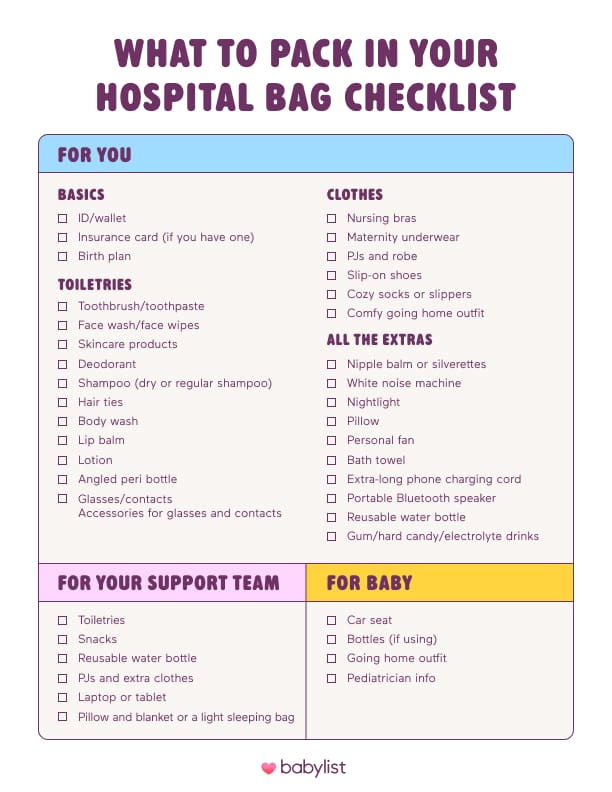
A Simple Hospital Bag Checklist for Mom
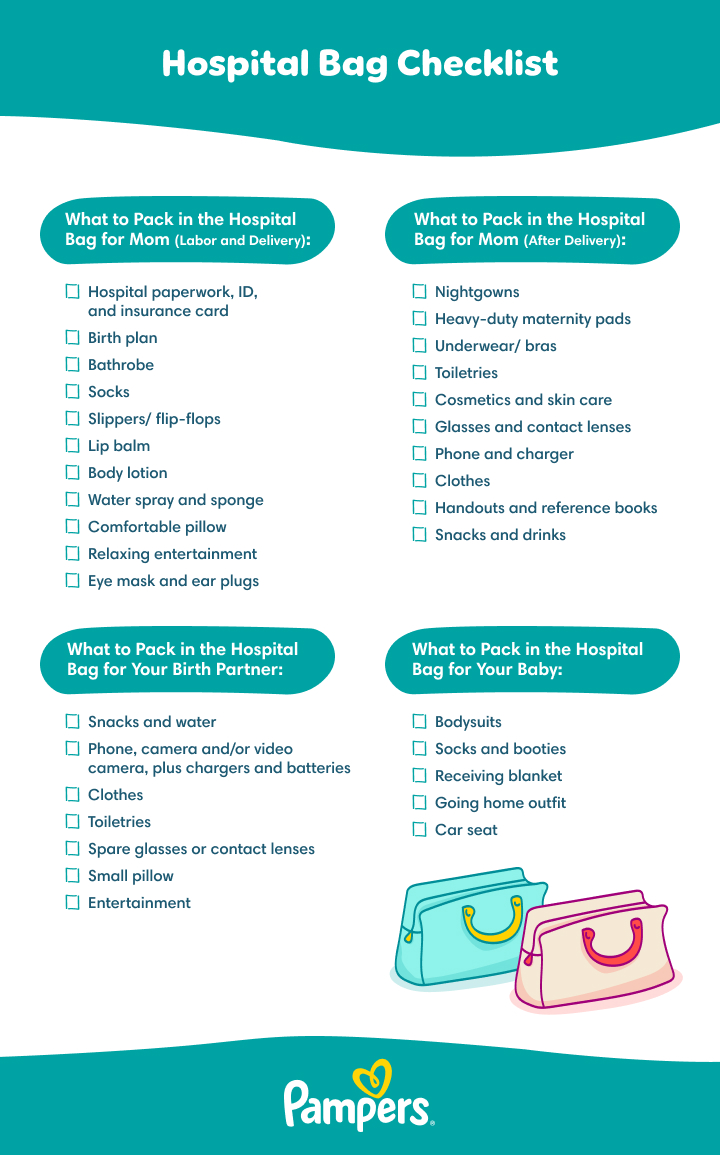
Use this final checklist when your bag is nearly ready:
• Identification and insurance card
• Medical records and medication list
• Birth preferences
• Prescription medications
• Phone and long charging cable
• Glasses and contact lens supplies
• Lip balm
• Hair ties
• Toiletries
• Comfortable robe
• Nursing bras
• Loose postpartum clothes
• Going-home outfit
• High-waisted underwear
• Comfortable socks
• Shower sandals
• Pillow
• Water bottle
• Approved snacks
• Breastfeeding supplies, if desired
• Laundry bag
• Support items for relaxation
Review the list with your provider if you have a high-risk pregnancy, planned cesarean, diabetes, hypertension, allergies, or special medical needs. A personalized plan is safer than copying a general list online.
Frequently Asked Questions About What to Pack for Mom in Hospital Bag
When should I pack what to pack for mom in hospital bag?
Start around 32 to 36 weeks of pregnancy. Pack earlier if your provider expects an early delivery or if you live far from the hospital.
What clothes should I bring to the hospital after birth?
Bring loose, soft clothes that fit your pregnant body. Nursing-friendly tops, high-waisted underwear, a robe, comfortable socks, and a loose going-home outfit are practical choices.
Do I need to bring postpartum pads and mesh underwear?
Many hospitals provide both, but supplies vary. Ask your hospital, and bring a small backup supply if you prefer a certain size or style.
Should I pack my own pillow?
You can bring one if it helps you sleep or relax. Use a bright pillowcase so it is not confused with hospital bedding.
Can I bring my own medications?
Bring prescription medications in their original containers, but take them only when your medical team approves. The hospital must review your medicines for safety during labor, recovery, and feeding.
What should I pack for a planned C-section?
Pack high-waisted underwear, loose clothes, slip-on shoes, and a pillow for abdominal support during the ride home. Follow your surgical team’s instructions for food, drinks, skin care, and medication.
Do I need to bring a breast pump?
Usually, no. Many hospitals provide pumping support and may have hospital-grade pumps available, but ask your facility about its policy if you plan to pump.
How much should I pack for my hospital stay?
A small suitcase or two organized bags are usually enough for mom. Plan for one to four days, then add extra clothing only if your provider expects a longer stay.
Conclusion
The best hospital bag is not the biggest one. It is a simple, well-organized collection of documents, comfortable clothing, personal care items, medical supplies, recovery essentials, and small comforts.
When deciding what to pack for mom in hospital bag, focus on what supports your body and reduces stress. Check your hospital’s supply list, prepare by 36 weeks, and keep the bag where someone can grab it quickly.
Use this checklist as a starting point, then adjust it to your birth plan, health needs, and personal comfort. Save the guide, share it with your support person, and explore your hospital’s preparation resources before labor begins.

Zayden Halbrook is a travel enthusiast and gear researcher passionate about making every journey smoother and more enjoyable. With a keen eye for practical travel essentials and real-world tips, he helps readers choose the right gear and travel smarter. When he’s not testing travel kits or exploring new destinations, Zayden shares simple, reliable advice to make every trip stress-free.