Clean luggage with gentle soap, fresh water, and the right method for its fabric, lining, wheels, and handles.
Luggage collects more than dust. It picks up airport floors, road grime, food marks, odors, and germs during each trip. Learning how to clean away luggage the safe way helps protect the case, extend its life, and keep your next journey fresh. This guide explains tested cleaning steps for hard-shell and soft-sided bags, plus simple ways to remove stains, odors, and dirt without causing damage.
Why You Should Clean Your Luggage
Your suitcase travels through busy places. It may touch hotel floors, car trunks, luggage belts, and public sidewalks. Dirt can settle into seams, wheels, zippers, and fabric pockets.
Regular cleaning also helps you spot damage early. A loose wheel, broken zipper, or small tear is easier to fix before your next trip. Clean luggage is not only more pleasant to use. It can also help reduce the spread of dirt between your home and travel spaces.
A deep clean is useful after:
• Air travel or a long road trip
• Travel through rain, mud, or snow
• Contact with food, drinks, or spills
• Storage in a damp basement or garage
• Exposure to smoke, pets, or strong odors
• A trip where the luggage touched dirty public surfaces
I once left a suitcase uncleaned after a rainy trip. Weeks later, I noticed a musty smell inside the lining. The lesson was simple: clean and dry luggage before storing it, even when it looks fine from the outside.
Check the Luggage Before Cleaning
Before you begin, identify the luggage material. The correct method for a nylon bag may harm leather, suede, or some coated fabrics.
Look for a care label inside the main compartment. If the label gives special instructions, follow it first. You should also check the manufacturer’s website when the material or finish is unclear.
Common luggage types include:
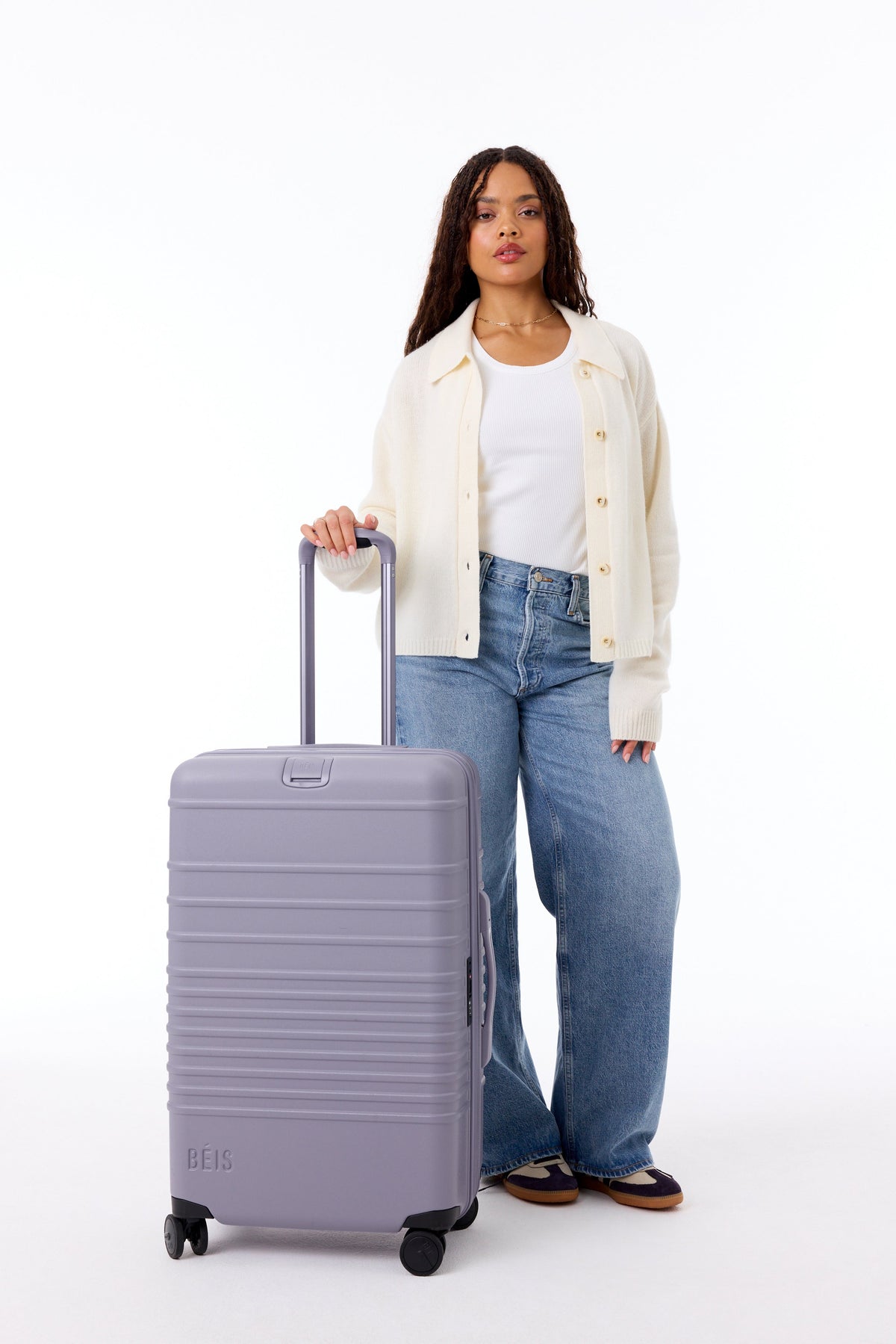
• Hard-shell plastic, often made from polycarbonate, ABS, or polypropylene
• Soft-sided nylon or polyester
• Canvas or cotton fabric
• Leather or faux leather
• Mixed materials with metal, plastic, rubber, and fabric parts
Empty every pocket before cleaning. Check for coins, papers, medicine, chargers, and other small items. Then remove detachable straps, laundry bags, and packing cubes.
Use a flashlight to inspect dark corners. Pay close attention to the bottom, wheel housings, zipper tracks, handles, and inner seams. This short check prevents you from rubbing dirt deeper into the fabric.

Supplies You Need to Clean Luggage
Most luggage can be cleaned with mild household supplies. Avoid strong products unless the care label allows them.
Gather:
• A vacuum with a soft brush attachment
• Several clean microfiber cloths
• A soft-bristled brush or old toothbrush
• Mild dish soap or gentle laundry detergent
• Warm water
• A small bowl
• Cotton swabs
• Baking soda for odors
• A clean towel
• Disinfecting wipes suitable for the surface
Use only a small amount of soap. Too much soap can leave a sticky film that attracts more dust. Always use a clean cloth, because a dirty cloth can spread stains across the case.
Avoid bleach, acetone, nail polish remover, rough scrubbers, and strong solvents. These products may fade fabric, weaken coatings, or damage plastic. Do not mix cleaning chemicals. In particular, never mix bleach with ammonia or other cleaners.
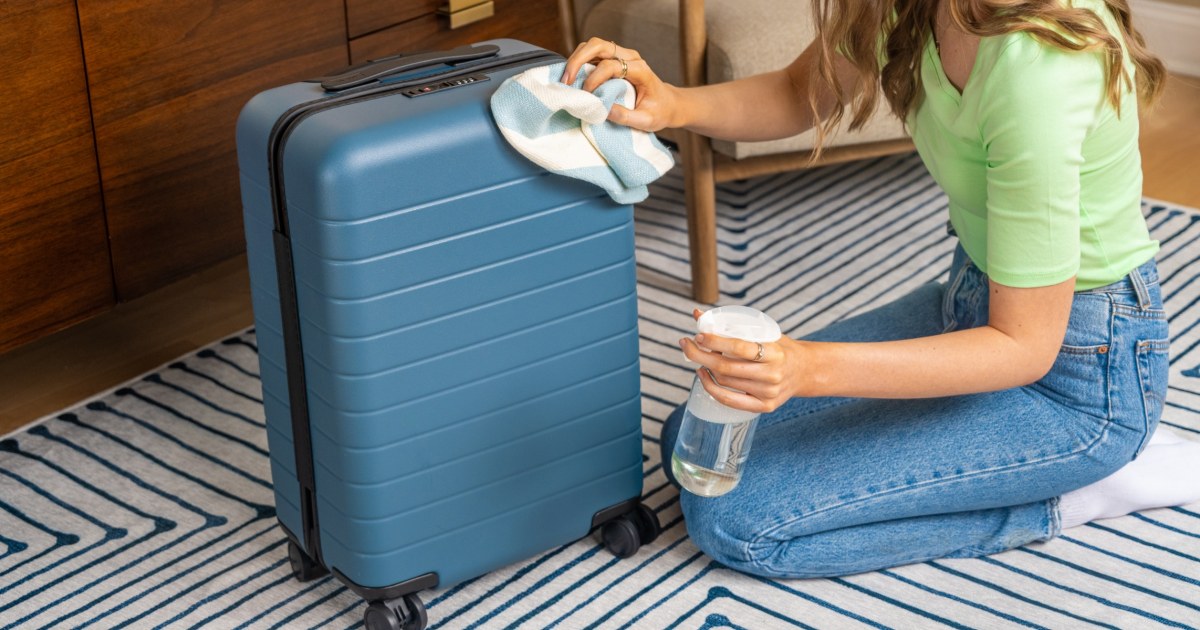
How to Clean Away Luggage Step by Step
The safest way to clean away luggage is to work from the inside out. Start with dry dirt, then use a damp cloth, and finish with full air drying.
1. Vacuum the Empty Luggage
Open all compartments and turn the suitcase upside down over a trash can. Shake it gently to release loose crumbs and sand.
Use a vacuum with a soft brush tool on the lining, pockets, seams, and corners. Move slowly around zippers. A hard vacuum nozzle can pull at delicate fabric or damage loose threads.
For small pockets, use a soft brush or a clean, dry toothbrush. Do not add water yet. Wet dirt can turn into a paste and become harder to remove.
2. Test the Cleaning Solution
Mix a few drops of mild soap with warm water. Dip a microfiber cloth into the mix, then wring it out well. The cloth should be damp, not wet.
Test the solution on a hidden spot, such as the bottom edge or inside seam. Wait several minutes and check for color loss, marks, or changes in texture.
This step matters most for dark fabric, coated canvas, leather, and printed surfaces. If the test area changes, stop and use a luggage-safe cleaner recommended for that material.
3. Wipe the Main Surfaces
Wipe the luggage in small sections. Use light pressure and work from the cleanest area toward the dirtiest area.
For hard-shell luggage, clean the top, sides, bottom, and corners with the damp cloth. A soft brush can lift dirt from textured plastic. Avoid soaking the zipper or pushing water into the handle openings.
For soft-sided luggage, gently wipe the fabric in one direction. Do not scrub hard. Strong rubbing can spread a stain or create a lighter patch.
4. Clean the Interior
Wipe the lining with a lightly damp cloth and mild soap. Focus on stains, crumbs, and areas near the opening.
If the lining is removable, check its care label. Some liners can be hand washed, but many should only be wiped clean. Do not put the full suitcase in a washing machine unless the manufacturer clearly approves it.
For a small stain, dab instead of rubbing. Press a clean towel against the spot to lift moisture. Repeat with fresh sections of the cloth until the mark fades.
5. Clean the Handles and Zippers
Handles receive frequent contact from hands, floors, and vehicle surfaces. Wipe telescoping handles with a damp cloth, then dry them fully.
Use a cotton swab to clean around zipper teeth. A soft toothbrush can remove dust from the zipper track. Keep liquid away from the zipper slider and inner mechanism.
Do not force a stuck zipper during cleaning. Remove visible dirt first. If it still sticks after drying, a product approved for zippers may help, but avoid oily products that can stain fabric.
6. Clean Wheels and Wheel Housings
Wheels often hold the most visible grime. Remove hair, threads, and string by hand or with small scissors. Be careful not to cut the wheel or your fingers.
Wipe each wheel with a damp cloth. Use a soft toothbrush around the wheel housing. For stubborn mud, let a damp cloth sit on the area for a short time before brushing gently.
Do not pour water into the wheel assembly. Excess moisture can reach internal parts and cause rust or poor movement. After cleaning, roll the suitcase on a dry towel to check whether the wheels move smoothly.
7. Dry the Luggage Completely
Drying is one of the most important parts of how to clean away luggage. Leave the suitcase open in a well-ventilated room. Place it away from direct heat and strong sunlight.
Use a dry towel to remove surface moisture. Allow the lining, pockets, wheels, and seams to dry before closing the case.