An umbrella term is a broad word that groups related people, ideas, objects, or conditions together.
If you have ever used a word such as “vehicle,” “fruit,” or “technology,” you have used an umbrella term. In this guide, you will learn what is an umbrella term, how it works, when to use one, and why clear category labels matter in everyday speech, education, business, and research.

What Is an Umbrella Term?
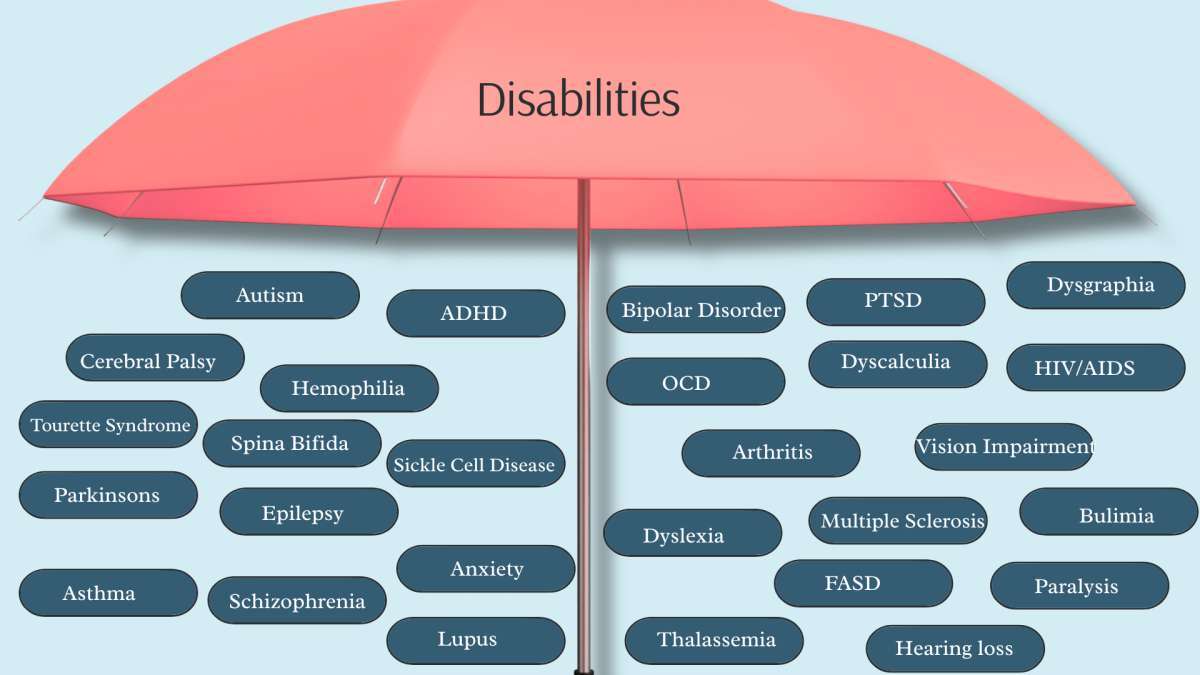
An umbrella term is a broad label that includes several more specific terms beneath it. It acts like a large umbrella: the main word covers many smaller ideas.
For example, “fruit” is an umbrella term. Apples, bananas, oranges, and grapes are all specific types of fruit. “Fruit” gives us a useful general idea without naming every item.
When people ask what is an umbrella term, they often want to know how broad categories work in language. The answer is simple: an umbrella term names a group, while the terms below it explain the group in more detail.
Here are more examples:
- “Animal” includes dogs, cats, birds, fish, and insects.
- “Furniture” includes chairs, tables, beds, and desks.
- “Vehicle” includes cars, buses, bicycles, trains, and airplanes.
- “Technology” includes computers, smartphones, software, and artificial intelligence.
- “Beverage” includes water, tea, coffee, juice, and soda.
An umbrella term does not always mean that every item under it is identical. It only means that the items share a useful connection. That connection may relate to purpose, form, behavior, origin, or another quality.
In grammar, an umbrella term is usually a noun. It can describe a broad category, field, practice, identity, or condition. The more specific words within that category are sometimes called subordinate terms, subcategories, or examples.

How Does an Umbrella Term Work?
An umbrella term works by moving from a specific idea to a wider category. Think of language as a map. A specific word marks one location, while an umbrella term shows the larger region around it.
For example:
- “Rose” is specific.
- “Flower” is broader.
- “Plant” is even broader.
- “Living thing” is broader still.
Each word includes the idea below it, but each step becomes less detailed. This structure helps people choose the right level of detail for a conversation.
If you are talking about gardening, “flower” may be useful. If you are discussing biology, “plant” may fit better. If you are ordering a rose bouquet, “rose” is the clearest choice.
An umbrella term can also have several layers. For example:
- “Communication” includes written communication and spoken communication.
- “Written communication” includes emails, reports, letters, and text messages.
- “Email” includes work emails, newsletters, and personal messages.
This layered structure is common in dictionaries, academic subjects, databases, websites, and legal documents. It helps organize knowledge in a way that readers can follow.
The meaning of an umbrella term may also change with context. “Apple” can mean a fruit, a technology company, or a tree. Context tells the reader which meaning applies.

Common Examples of Umbrella Terms
Understanding what is an umbrella term becomes easier through familiar examples. Most people use these terms every day without thinking about their structure.
Health and Medicine
“Health condition” is an umbrella term that may include illnesses, disorders, injuries, and long-term diseases. “Mental health condition” can include anxiety disorders, depressive disorders, and eating disorders.
Health professionals often use broad terms when discussing a general topic. They then use more specific terms when a diagnosis or treatment requires accuracy.
It is important not to treat every health term as interchangeable. An umbrella term may group related conditions, but each condition can have different symptoms, causes, and treatments.
Education
“School subject” is an umbrella term for math, science, history, art, and language arts. “Science” may then include biology, chemistry, physics, and earth science.
Schools use umbrella terms to organize courses and departments. A student may study “the sciences” while focusing on one specific field.
Technology
“Digital device” is an umbrella term that can include smartphones, tablets, laptops, smartwatches, and e-readers. “Software” may include apps, operating systems, games, and business tools.
In technology writing, broad terms help explain a topic to beginners. Technical terms provide more detail for experienced users.
Work and Business
“Employee benefit” can include health insurance, paid time off, retirement plans, and wellness programs. “Marketing” can include advertising, public relations, content marketing, email marketing, and search engine optimization.
Business teams often use umbrella terms to keep meetings brief. However, contracts and reports may need more precise terms to avoid confusion.
Social and Cultural Topics
“Language” can refer to spoken languages, signed languages, programming languages, or formal systems of communication. “Cultural tradition” may include food, music, clothing, ceremonies, and stories.
These terms can be useful, but they should be used with care. Broad categories may hide important differences between groups, communities, or experiences.
Why Are Umbrella Terms Useful?
An umbrella term makes communication faster and more organized. Instead of listing ten related items, you can use one broad word when the details are not needed.
For example, a manager might say, “Please review the project documents.” That phrase could include reports, plans, notes, and charts. Listing each document would take more time and may distract from the main request.
The main benefits include:
- Efficiency: You can describe many related items with one phrase.
- Clarity: A well-known category gives readers a quick mental picture.
- Organization: Broad labels help arrange files, lessons, products, and ideas.
- Flexibility: You can discuss a topic without choosing one narrow example.
- Search value: Categories help users find related information online.
- Teaching support: Students can learn a broad idea before studying its parts.
In my experience as a writer and editor, umbrella terms are especially useful at the start of an article. They give readers a frame before the details arrive. A strong explanation often begins with the category and then moves toward examples.
The mistake is not using an umbrella term. The mistake is using one without explaining its limits. A short definition or example can prevent most confusion.

What Is the Difference Between an Umbrella Term and a General Term?
An umbrella term and a general term are closely related, but they are not always identical.
A general term may describe something in a broad way. An umbrella term specifically suggests that several related terms sit beneath it.
For example, “big” is a general descriptive word. It does not necessarily organize a group of smaller categories. “Vehicle,” however, is an umbrella term because it includes cars, trucks, buses, and motorcycles.
Here is a simple comparison:
| Type of word | Example | Main function |
|---|---|---|
| Specific term | Sedan | Names one type |
| General term | Large vehicle | Gives a broad description |
| Umbrella term | Vehicle | Groups related types |
| Example | Toyota Camry | Shows one individual item |
The difference may depend on context. “Animal” is an umbrella term in a discussion about pets, but it may be a specific term in a larger biology system that includes living organisms.
This is why the question what is an umbrella term cannot be answered by looking at the word alone. You must consider how the word is being used and what smaller terms it includes.
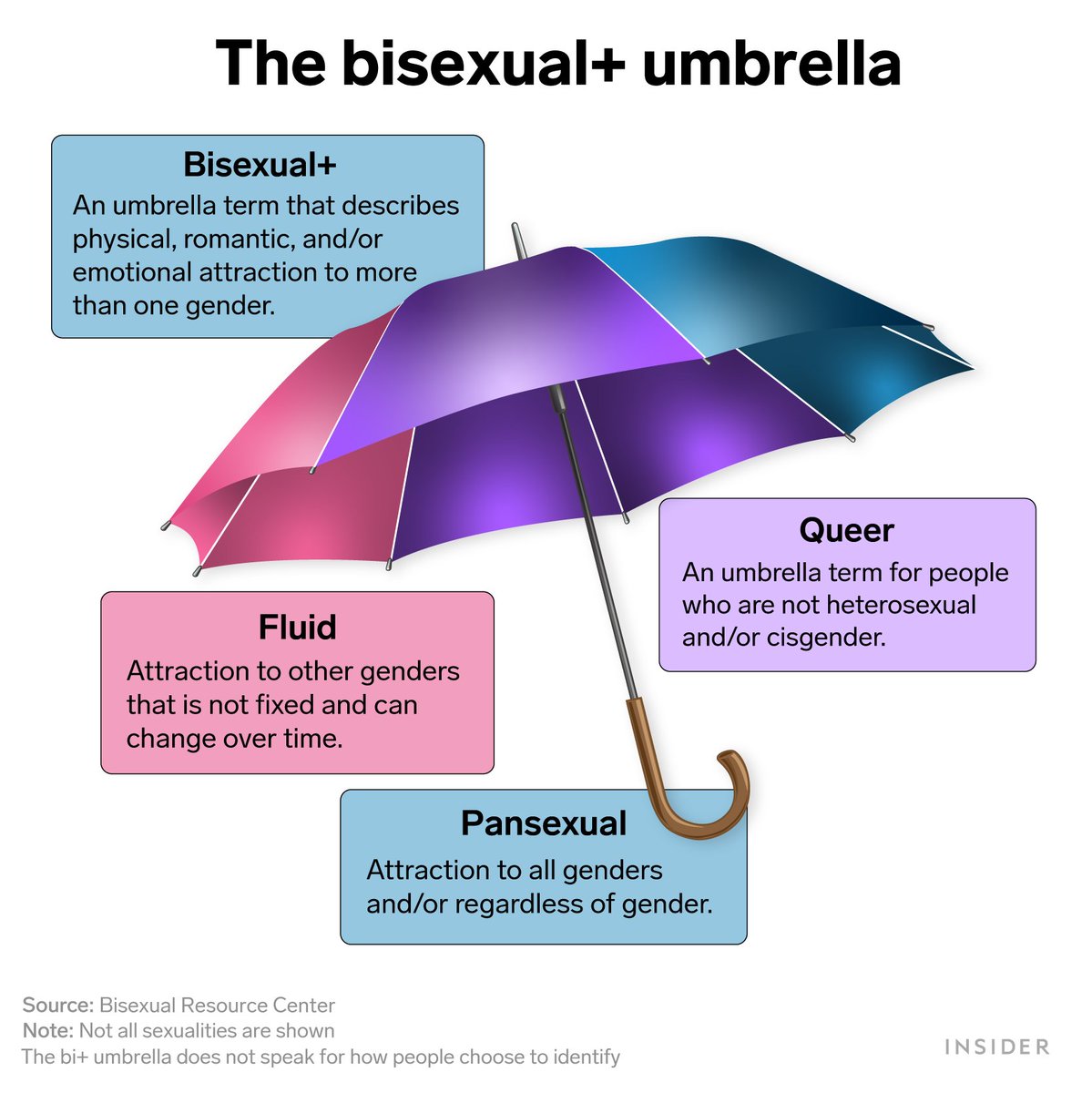
Umbrella Term vs. Hypernym, Category, and Superordinate Term
Several language terms describe a similar idea.
A hypernym is a word with a broader meaning than another word. For example, “bird” is a hypernym of “eagle.” “Eagle” is a hyponym, or more specific term, under “bird.”
A category is a group of items that share a feature. A category may be broad or narrow. “Kitchen appliances” is a category that includes refrigerators, ovens, and dishwashers.
A superordinate term is a technical term for a higher-level word in a language hierarchy. In many cases, an umbrella term functions as a superordinate term.
These terms overlap, but they are not perfect synonyms in every field:
- Umbrella term focuses on grouping related ideas.
- Hypernym focuses on a word’s broader meaning.
- Category focuses on a group of related items.
- Superordinate term focuses on a higher level in a classification system.
For everyday writing, “umbrella term” is usually the clearest phrase. In linguistics, information science, or taxonomy, more technical terms may be more precise.
How to Identify an Umbrella Term
You can identify an umbrella term by asking a few simple questions.
- Does the word include several related examples?
- Can you name smaller types beneath it?
- Does it describe a group rather than one individual item?
- Would a more specific term provide extra detail?
- Does the word change meaning when the context changes?
For example, ask whether “food” includes smaller types. It does. Bread, rice, vegetables, meat, and fruit can all fit under the term “food.” This makes “food” an umbrella term.
You can also use a category test:
“Is every X a type of Y?”
If every rose is a flower, then “flower” is broader than “rose.” If every sedan is a vehicle, then “vehicle” is an umbrella term for sedan.
Be careful with loose associations. “Things found in an office” is a group, but it may not be a true umbrella term because the items do not share one clear class. A chair, a person, a clock, and a lunch may appear in an office, but they do not belong to the same category in a strict sense.
How to Use Umbrella Terms Clearly
Use an umbrella term when the broad idea is more important than the individual examples. It works well in introductions, summaries, menus, reports, and casual conversation.
Use a specific term when accuracy matters. Legal agreements, medical records, safety instructions, and technical manuals often need exact words.