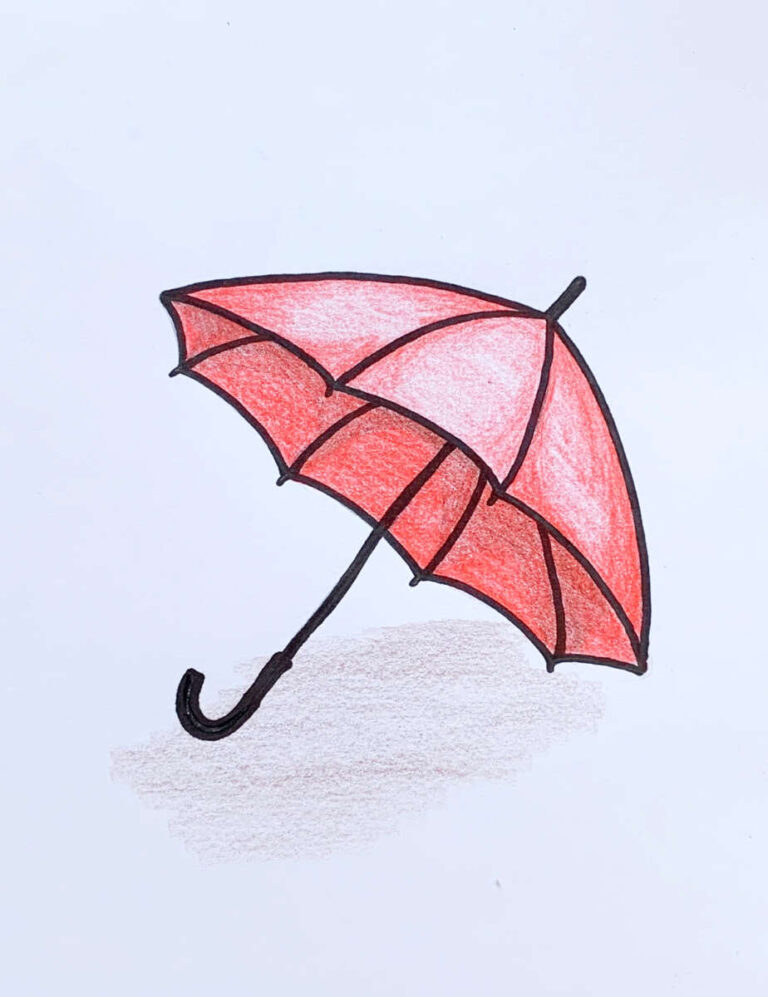
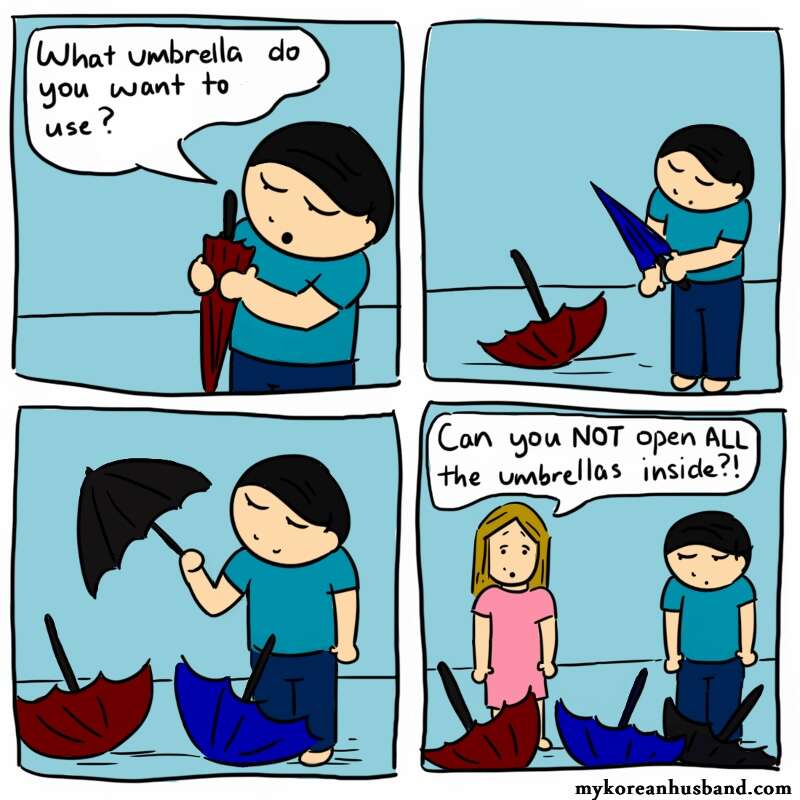
Opening an umbrella indoors is called bad luck because old umbrellas could cause injury, damage, and fear inside homes.
The question “why is it bad luck to open an umbrella inside” has both a practical answer and a long cultural history. The belief likely grew from the danger of early umbrellas, Victorian social customs, and the human habit of turning everyday warnings into superstition. Once you understand these roots, the saying feels less mysterious and much more practical.
Why Is It Bad Luck to Open an Umbrella Inside?
The main reason is simple: an open umbrella can be dangerous in a small indoor space. Its sharp ribs and metal tips can hit someone, knock over an object, or damage a lamp, picture, or ceiling.
Older umbrellas were also harder to control than modern ones. Many had stiff metal parts and strong spring systems. When opened, they could snap outward with force. In a crowded room, that movement could cause a real accident.
So, why is it bad luck to open an umbrella inside? In many cases, “bad luck” was an easy way to teach caution. Parents could say it was unlucky rather than give a long safety lesson.
This type of warning is common in many cultures. A simple rule is easier for children to remember. Over time, the safety message can fade, while the superstition remains.

The Practical Origins of the Umbrella Superstition
The belief may have started because indoor umbrella use created clear risks. People once used umbrellas made with wood, whalebone, or heavy metal. These materials made umbrellas strong, but they also made them bulky and sharp.
Opening one indoors could lead to several problems:
• A metal rib could strike a person’s face or eye.
• The umbrella could hit a candle, glass, or lamp.
• The canopy could block another person’s view.
• Water could spread across floors and furniture.
• A sudden spring release could startle people nearby.
These risks were greater in older homes. Rooms were often smaller, furniture was packed close together, and lighting came from candles or oil lamps. An umbrella that seems harmless today could have caused serious trouble in that setting.
The practical explanation also helps answer why is it bad luck to open an umbrella inside today. Modern umbrellas are safer, but the basic risk has not vanished. A pointed umbrella can still hurt someone, and a wet umbrella can still create a slipping hazard.
Some historians connect the superstition with the rise of the modern umbrella in Europe during the 18th and 19th centuries. As umbrellas became common street items, people learned that they were useful outdoors but awkward indoors. The warning likely spread through homes, schools, and public spaces.
The exact origin is not fully proven. No single event explains every version of the superstition. That uncertainty matters because popular stories often simplify history.

How Victorian Umbrellas Helped Create the Belief
Umbrellas became more popular in Britain during the 19th century. They were used to protect people from rain and sun, but early designs were not as smooth or compact as today’s models.
Many umbrellas had long handles and rigid spokes. Some opened with force. A person who opened one inside a busy home or shop could easily knock something over.
Victorian homes also placed great value on manners. Indoor behavior was closely linked to ideas about respect and order. Opening an umbrella inside could appear careless, rude, or disruptive.
This social setting may have strengthened the belief. A rule that began as good manners could slowly become a sign of bad luck. People might not remember the original reason, but they would still repeat the warning.
This pattern appears in many superstitions:
• A rule begins as a safety tip.
• People repeat it to children.
• The original reason becomes less clear.
• The rule gains a moral or mystical meaning.
• Later generations call it a superstition.
That pattern is one reason why is it bad luck to open an umbrella inside remains a common question. The belief survived because it was easy to repeat and easy to understand.
It is also possible that several traditions joined together. Some cultures viewed umbrellas as symbols of status, protection, or authority. Others linked sudden movements indoors with disorder. These ideas may have helped the superstition grow, even if they did not create it.

Why People Connect Indoor Umbrellas With Bad Luck
Superstitions often grow from emotional reactions. An umbrella suddenly opening can make people jump. A loud snap, a fast movement, or a near injury can feel alarming.
The mind then looks for a cause. If something bad happens after the umbrella opens, a person may connect the two events. This is called pattern seeking. It is a normal human habit, but it does not prove that the umbrella caused the event.
For example, imagine someone opens an umbrella in a hallway and then drops a valuable vase. The accident may be blamed on “bad luck.” In reality, the umbrella may have knocked the vase or distracted the person. The cause is physical, not supernatural.
The belief can also spread through social learning. People trust warnings from parents, grandparents, teachers, and friends. If several people repeat the same rule, it can feel true even without evidence.
This does not make the tradition foolish. Superstitions often preserve useful lessons. In this case, the lesson is to think about space, people, and fragile objects before opening an umbrella.
So, why is it bad luck to open an umbrella inside? The answer may be less about luck and more about how people remember risk. A dramatic warning often lasts longer than a practical explanation.

Is Opening an Umbrella Inside Actually Dangerous?
Opening an umbrella inside is not automatically dangerous. In a large, empty room, the risk may be very small. The real issue is the setting and the type of umbrella.
A careful person should think about these factors:
• Is anyone standing within the umbrella’s reach?
• Does the umbrella have sharp or exposed tips?
• Is the ceiling low?
• Are there lights, fans, artwork, or glass objects nearby?
• Is the floor already wet?
• Could the umbrella open suddenly?
A folding umbrella can be especially unpredictable. Its spring may release quickly, and its ribs may move toward a person’s face. A full-size umbrella needs even more room.
Wet umbrellas create a second problem. Water can collect on tile, wood, and smooth floors. Someone may slip, especially near an entrance. This is a safety concern, not a question of luck.
The safest choice is to close an umbrella before entering a building. If it must be opened to dry, place it in a clear area away from people and valuable objects. Keep the tip pointed away from others.
This practical approach gives a useful answer to why is it bad luck to open an umbrella inside. You do not need to fear a curse. You only need to respect the tool and the space around you.
Common Cultural Views of Umbrellas
Umbrellas have different meanings around the world. In some places, they represent shelter, dignity, or rank. In others, they are linked with ceremonies, religion, or protection from the sun.
Because of these meanings, umbrella customs are not the same in every culture. Some people avoid opening umbrellas indoors. Others may see no problem with it at all.
The idea of bad luck also depends on local tradition. A practice that feels rude in one family may be normal in another. This is why it helps to ask about the custom rather than mock it.
In the United States, the indoor umbrella superstition is widely known. Many people learned it from family members or school friends. Yet most people follow it as a habit, not because they expect a supernatural event.
It is useful to separate cultural respect from factual proof. You can honor a family tradition without claiming that it controls the future. You can also ignore the superstition while still following the safety rule.
When someone asks why is it bad luck to open an umbrella inside, the best answer should respect both sides. The belief has cultural value, but the evidence supports a practical explanation rather than a mystical one.

Common Mistakes to Avoid With Indoor Umbrellas
Most indoor umbrella problems are easy to prevent. The key is to slow down and look around before opening one.
Avoid these common mistakes:
• Opening an umbrella near a child or pet.
• Pointing the metal tip toward another person.
• Standing under a low ceiling.
• Opening it beside glass, candles, or electronics.
• Leaving a wet umbrella on a smooth floor.
• Shaking water onto nearby furniture.
• Placing the umbrella where someone may trip.
A better method is simple:
-
Move to an open area.
-
Ask others to step back.
-
Check the ceiling and nearby objects.
-
Hold the umbrella away from faces.
-
Open it slowly.
-
Store or dry it where nobody can trip.
I often recommend treating an umbrella like a small folding tool, not a harmless toy. That change in attitude prevents most problems. It also explains why is it bad luck to open an umbrella inside without relying on fear.
One mistake people make is testing an umbrella indoors just to see whether anything happens. That test does not prove or disprove luck. It only creates an avoidable risk. If you need to check an umbrella, do it outdoors or in a clear, safe space.

What Science Says About Bad Luck and Superstition
There is no reliable scientific evidence that opening an umbrella indoors causes misfortune. No known force links an open umbrella with later events such as illness, money problems, or accidents in another place.
Science does support the physical risks. Sharp points, sudden movement, poor visibility, and wet floors can all cause injury. These risks are easy to observe and explain.
Psychology also helps explain why superstitions feel convincing. People tend to remember events that fit a belief and forget events that do not. If an umbrella opens indoors and nothing happens, the moment is usually forgotten. If something goes wrong later, the two events may be linked in memory.
This is known as confirmation bias. It can make a traditional warning seem more accurate than it is.
Still, not every superstition is useless. Some preserve good habits, such as avoiding broken mirrors, walking carefully under ladders, or keeping sharp objects away from children. The wise approach is to keep the safety lesson and release the fear.
That balanced view answers why is it bad luck to open an umbrella inside with clarity. The superstition is not supported as a prediction of future harm, but the behavior can sometimes create immediate danger.

How to Explain the Superstition to Children
Children often ask direct questions. A clear answer can respect family tradition while teaching real safety.
You might say, “People call it bad luck because umbrellas can hurt someone or break things indoors. It is not magic, but we still open them carefully.”
This explanation works because it does not shame the child. It also gives a reason they can understand.
You can teach children to:
• Keep umbrella tips pointed down.
• Wait until other people move away.
• Never open an umbrella near a face.
• Ask an adult before using a large umbrella.
• Leave wet umbrellas in a safe drying place.
If your family treats indoor umbrellas as unlucky, you can explain that traditions help people remember rules. This keeps the cultural meaning without presenting an unproven claim as fact.
The same approach works with guests. If someone opens an umbrella inside your home, calmly ask them to close it. Focus on the space and the safety risk rather than making them feel embarrassed.
Frequently Asked Questions About Why Is It Bad Luck to Open an Umbrella Inside
Is it really bad luck to open an umbrella inside?
There is no scientific proof that opening an umbrella indoors causes bad luck. The belief most likely comes from practical risks, such as injury, broken objects, and wet floors.
Where did the indoor umbrella superstition begin?
Its exact origin is uncertain. It likely developed as umbrellas became common in Europe, especially when older designs were stiff, sharp, and difficult to control indoors.
Can opening an umbrella indoors hurt someone?
Yes, it can. The ribs or pointed tips may strike someone, and a spring-loaded umbrella can open suddenly in a small space.
Why do parents tell children not to open umbrellas inside?
The rule helps children avoid accidents. Calling the act unlucky can make the warning easier to remember, even when the real reason is safety.
Is it safe to open an umbrella indoors to dry it?
It can be safe if the area is clear and the umbrella is away from people, lights, furniture, and glass. Place it where water cannot create a slipping risk.
Does every culture consider indoor umbrellas unlucky?
No. Umbrella customs vary by culture, family, and region. Some communities treat the practice as rude or unlucky, while others do not attach any special meaning to it.
Conclusion
The answer to why is it bad luck to open an umbrella inside is rooted more in safety and history than in supernatural power. Older umbrellas could snap open, injure people, damage property, and spread water across indoor floors. Over time, those practical concerns became a familiar superstition.
You do not need to fear an indoor umbrella. Simply use common sense: check your space, protect the people nearby, and open it slowly when necessary. Share this explanation with someone who still wonders about the tradition, and explore more stories behind everyday superstitions.

Zayden Halbrook is a travel enthusiast and gear researcher passionate about making every journey smoother and more enjoyable. With a keen eye for practical travel essentials and real-world tips, he helps readers choose the right gear and travel smarter. When he’s not testing travel kits or exploring new destinations, Zayden shares simple, reliable advice to make every trip stress-free.