Packing a diaper bag can feel overwhelming, especially for new parents. You may wonder what you really need, how much to bring, and how to stay organized. As a parent myself, I have learned from many outings with my child—sometimes I packed too much, and sometimes I forgot something important.
Over time, I found the best way to prepare for almost any situation. In this article, I’ll share my experience and expert advice on what to pack in your diaper bag, so you can feel ready and confident whenever you leave the house with your baby.
Why Packing The Right Diaper Bag Matters
A well-packed diaper bag is more than just a convenience—it can save you from stress and even tricky situations. Babies have unpredictable needs. One moment they are happy, and the next they need a quick diaper change or a snack.
If you have everything you need within reach, you can handle these moments calmly. I remember once being stuck in traffic with my baby and running out of wipes. It was a mess I could have avoided with better planning.
Since then, I never leave home without double-checking my bag.
Choosing The Right Diaper Bag
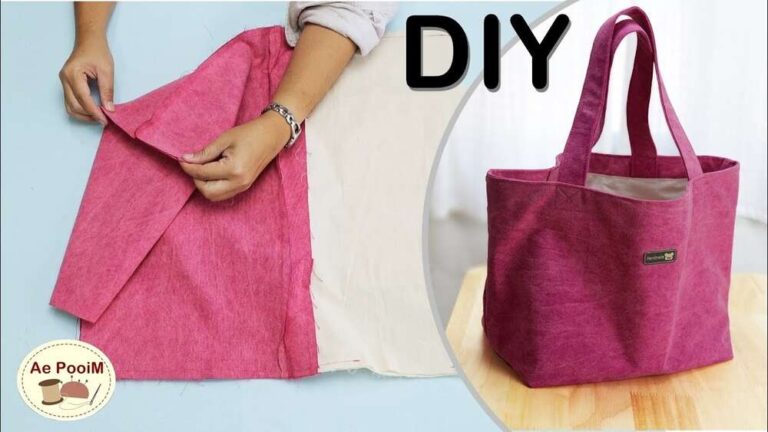
Before you start packing, it’s important to choose the right bag. Not all diaper bags are the same. Some are backpacks, some look like purses, and others are more like totes. The best bag for you fits your lifestyle, is easy to carry, and has enough pockets for organization.
Here are some things to consider:
- Size: Make sure it’s big enough for your essentials but not too heavy.
- Compartments: Multiple pockets help keep items separate and easy to find.
- Material: Choose a bag that is easy to clean, as spills happen often.
- Comfort: Check the straps. Padded or adjustable straps can make a big difference, especially for longer outings.
Backpacks often distribute weight better and leave your hands free, which I found helpful during busy trips to the park or grocery store.
| Bag Type | Pros | Cons |
|---|---|---|
| Backpack | Even weight, hands-free | May not fit under stroller |
| Tote | Stylish, roomy | Can get heavy, less organized |
| Messenger | Easy access, classic look | Strains one shoulder |
Essential Items For Every Diaper Bag
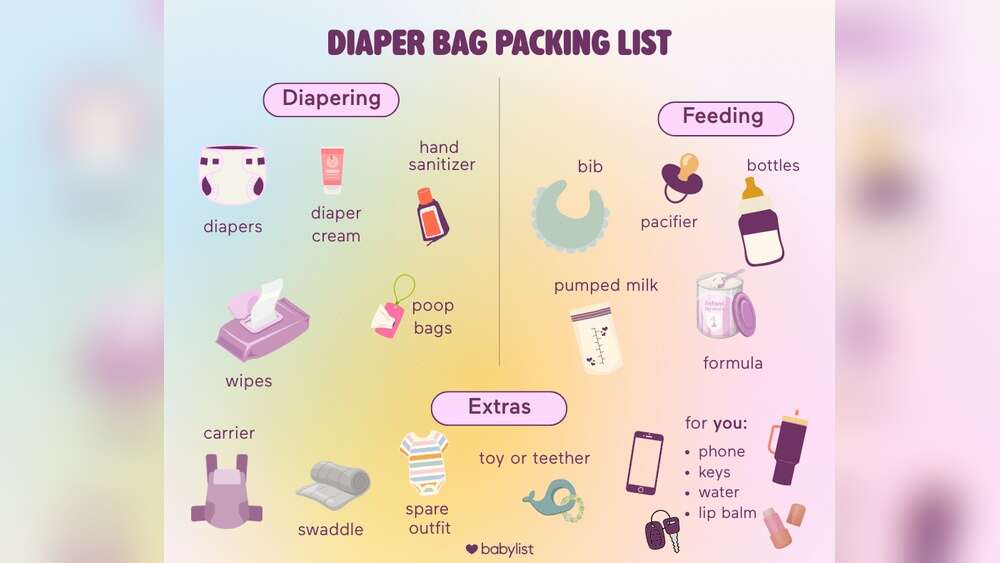
Let’s dive into the must-haves. These are the items I never leave out, no matter how short the trip.
1. Diapers
Bring one diaper for every two hours you plan to be out, plus one or two extras. For example, for a 4-hour outing, pack 3–4 diapers. It’s better to have a spare than to run out.
2. Baby Wipes
Wipes are useful for diaper changes, messy hands, and even wiping surfaces. A small, travel-size pack works well and saves space.
3. Changing Pad
Many diaper bags come with a foldable changing pad. If yours doesn’t, buy a portable one. Public places are not always clean, so a pad keeps your baby safe and comfortable.
4. Diaper Cream
A small tube of diaper rash cream prevents and treats irritation. Make sure it’s in a leak-proof bag to avoid messes.
5. Disposable Bags
Bring a few plastic or biodegradable bags for dirty diapers, used wipes, or soiled clothes. These keep odors contained and make clean-up easy.
6. Hand Sanitizer
Always clean your hands after diaper changes, especially if you can’t reach a sink.
7. Extra Clothes
Pack at least one full change of clothes for your baby, including a onesie, pants, and socks. Accidents happen, and being prepared saves you stress.
8. Burp Cloths Or Bibs
Burp cloths are helpful for spit-ups, while bibs protect clothes during feeding.
9. Blanket
A thin, soft blanket can be used for warmth, shade, or even as a play mat. Choose one that folds small.
10. Pacifier
If your baby uses a pacifier, pack a clean spare in a case. Pacifiers often fall on the ground, so having an extra is wise.
11. Bottles And Formula Or Breast Milk
If you are bottle-feeding, bring enough formula or breast milk for the trip. Use an insulated bag to keep milk cool. For formula, pre-measured powder containers are very handy.
12. Snacks And Water
For older babies and toddlers, pack easy snacks like rice puffs, crackers, or fruit. Always bring a sippy cup or bottle of water.
13. Small Toys Or Books
A favorite soft toy or small book can calm your baby during long waits. Choose quiet toys that won’t disturb others.
14. Parent Essentials
Don’t forget your own items: wallet, phone, keys, and maybe a snack or water bottle for yourself. Some diaper bags have a special parent pocket for these things.
Items For Special Situations
Sometimes you need more than the basics. Here’s what to add for different outings.
For Warm Weather
- Sunscreen: For babies older than 6 months.
- Hat: Wide-brimmed for sun protection.
- Lightweight clothes: To avoid overheating.
For Cold Weather
- Warm hat and mittens
- Extra blanket
- Jacket or sweater
For Longer Trips
- More diapers and wipes
- Extra bottles or food
- Portable high chair or booster seat
- Favorite blanket or toy for comfort
Organizing Your Diaper Bag
Organization makes a huge difference, especially when you need something fast. Here are some tips I learned from experience:
- Use zippered pouches or small bags to group similar items (like snacks or diaper change items).
- Put items you use most often (diapers, wipes) in the top or outer pockets.
- Keep parent items separate to avoid digging through baby supplies.
- Restock your bag as soon as you return home. This way, it’s always ready for the next outing.
I once forgot to restock diapers after a long day, and the next morning I realized I had none left during a doctor’s appointment. Since then, I check my bag every evening.
Common Mistakes And How To Avoid Them
Even the most careful parents make mistakes. Here are some of the most common, with advice on how to avoid them:
- Overpacking: Too many items make the bag heavy and hard to organize. Focus on essentials.
- Forgetting to Restock: Always replace used items right away.
- Ignoring the Weather: Pack for sun, rain, or cold—even if you think you won’t need it.
- Not Checking Expiry Dates: Snacks, formula, and even medicines can expire. Check your bag every few weeks.
- Leaving Out Parent Items: Don’t forget your wallet, keys, and phone.
- No Extras: Always bring at least one extra outfit and pacifier.
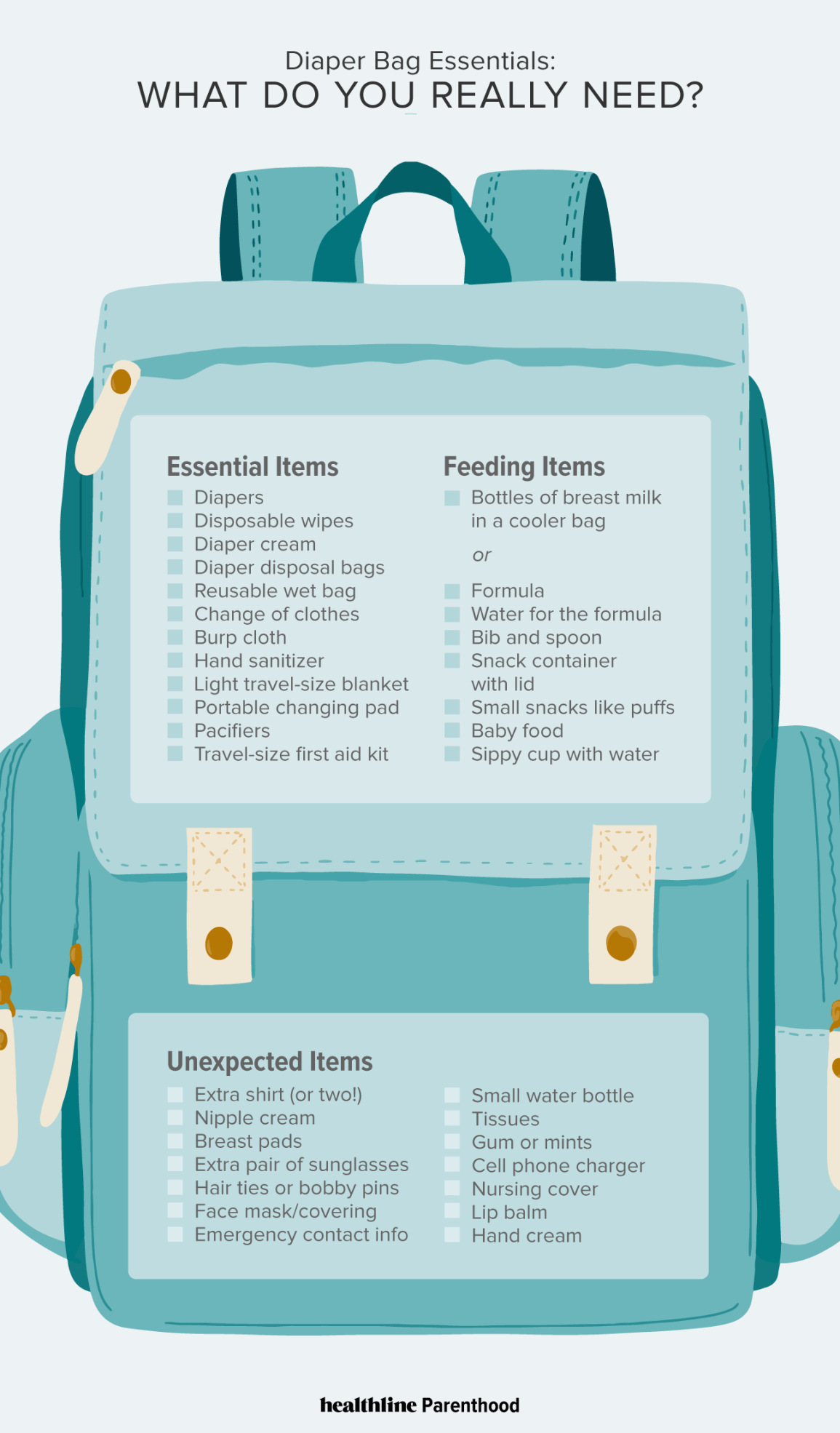
Credit: www.healthline.com
Packing For Different Ages And Needs
Babies’ needs change as they grow. Here’s a quick guide for different stages:
| Age | Must-Have Items | Extra Tips |
|---|---|---|
| Newborn (0–3 months) | Diapers, wipes, changing pad, onesie, hat, blanket, formula/breast milk | Bring extra clothes; spit-up is common |
| Infant (4–12 months) | All newborn items, snacks, toys, bibs | Solid foods and teething toys are helpful |
| Toddler (1–3 years) | Fewer diapers, more snacks, water, books, sunscreen | Less baby gear, more entertainment |
Smart Extras To Consider
Some items are not essential but can make your life much easier:
- Thermometer: For long trips or if your baby feels warm.
- Nasal aspirator: For stuffy noses.
- Small first aid kit: Bandages, antiseptic wipes, and baby-safe fever medicine.
- Emergency contact card: In case your phone is lost or you need help.
- Mini flashlight: Useful for finding things at night or in a dark car.
- Notebook and pen: For tracking feedings, noting symptoms, or writing reminders.
Packing For Twins Or Multiple Kids
Packing for more than one child takes extra planning. Double up on essentials like diapers, wipes, and clothes, but you don’t need two of everything. For example, you can share one pack of wipes and one changing pad. Group each child’s items in different colored pouches to stay organized.
Diaper Bag Packing: Real-life Scenarios
Let’s look at a few common outings and what you might pack for each.
Short Walk Or Errand (1–2 Hours)
- 2 diapers
- Small pack of wipes
- Changing pad
- 1 spare outfit
- Pacifier
- Bottle or snack
- Parent essentials
Full Day Out (6–8 Hours)
- 4–5 diapers
- Full pack of wipes
- 2 spare outfits
- 2 bottles or sippy cups
- More snacks or baby food
- Blanket
- Sun hat or warm hat (seasonal)
- 2–3 toys or books
- Diaper cream
- Disposable bags
Overnight Trip
- 6–8 diapers
- Large pack of wipes
- 3–4 outfits
- Pajamas
- Formula or breast milk, plus bottles
- More snacks and meals
- Blanket and favorite toy
- Baby shampoo and lotion
- First aid kit
- Thermometer
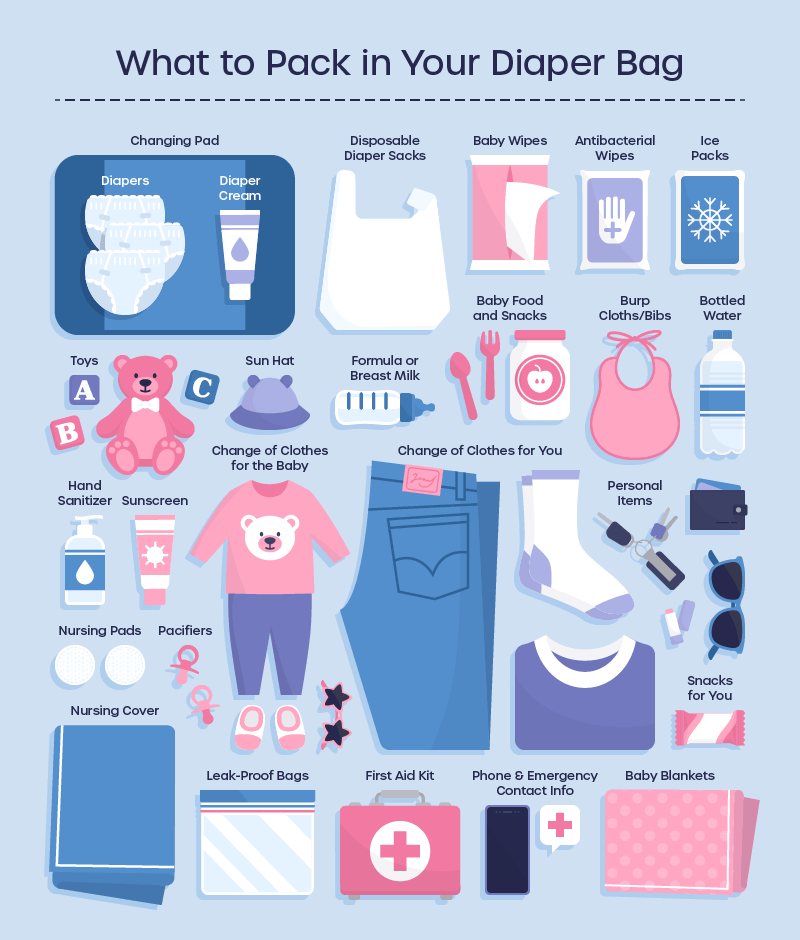
Credit: www.chiccousa.com
Top Tips For Easy Diaper Bag Packing
- Pack light but smart: Focus on what you really need for the trip’s length and your child’s age.
- Keep it organized: Use pockets and pouches.
- Check before you leave: Make a quick checklist and double-check.
- Restock right away: When you get home, refill what’s missing.
- Adapt as your child grows: Needs change quickly, so update your bag often.
How To Clean And Maintain Your Diaper Bag
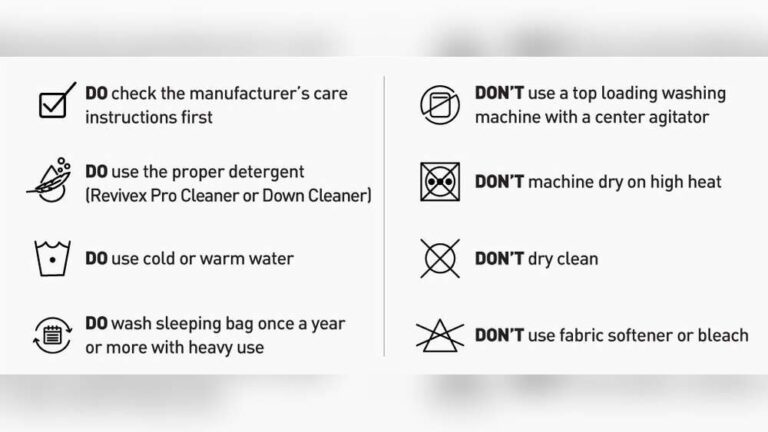
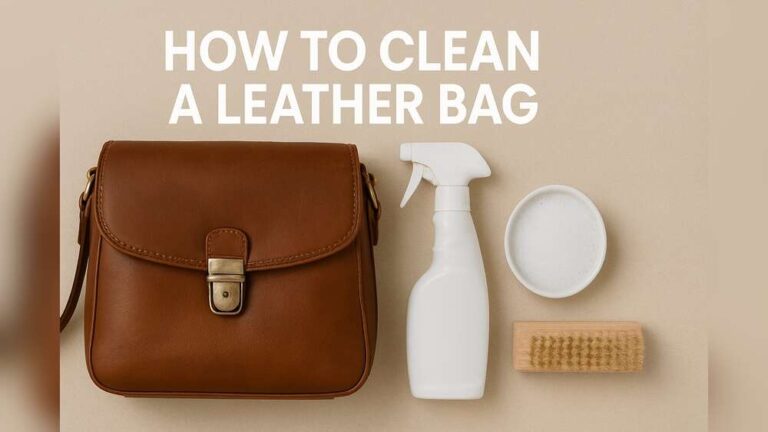
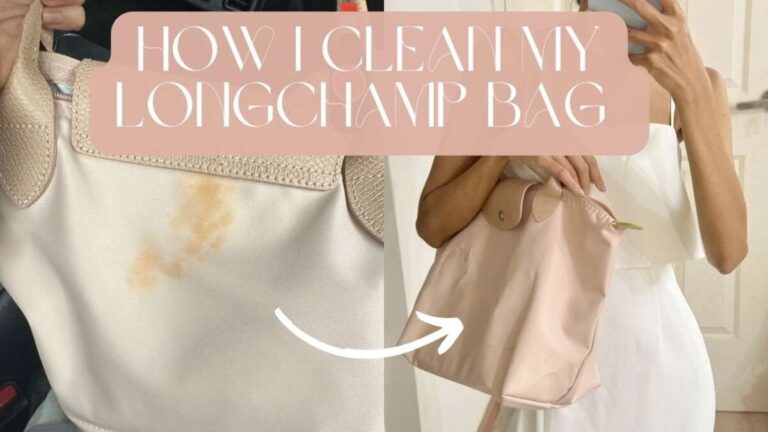
A clean diaper bag is healthier for both you and your baby. Wipe the inside and outside with a damp cloth every few days. Remove crumbs and old snacks, and wash the changing pad as needed. If your bag is machine washable, follow the care instructions.
Always keep liquids in sealed bags to avoid leaks. Air out your bag now and then to keep it fresh.

Credit: organicsbestshop.com
Expert Insights And Data
Pediatricians recommend changing diapers every 2–3 hours to prevent rashes and infections. That’s why packing enough diapers and wipes is key. According to a 2022 survey, over 60% of parents said they forgot at least one important item in their diaper bag during their baby’s first year.
The most forgotten items were extra clothes and snacks.
A smart trick I learned from another parent was to keep a second, smaller diaper kit in the car. This backup saved me more than once when I ran out of something on the go. If you travel often, consider a mini diaper bag in your stroller or car for emergencies.
For more detailed parenting tips, the CDC Parenting Resource is a reliable source.
Sample Diaper Bag Checklist
Here’s a simple checklist you can print or copy to your phone:
- Diapers (1 per 2 hours out, plus extra)
- Baby wipes
- Changing pad
- Diaper cream
- Disposable bags
- Hand sanitizer
- Extra baby clothes
- Burp cloths/bibs
- Blanket
- Pacifier (with spare)
- Bottles/formula or breast milk
- Snacks and water
- Toys/books
- Parent essentials (wallet, keys, phone)
- Weather gear (hat, sunscreen)
- First aid kit (optional)
Frequently Asked Questions
What Is The Best Way To Organize A Diaper Bag?
Group similar items in small pouches and use the bag’s pockets. Put the things you need most often, like diapers and wipes, in the top or outer pockets. Keep parent items separate for quick access. Restock your bag after every outing to make sure you’re always prepared.
How Many Diapers Should I Pack For A Day Out?
A good rule is one diaper for every two hours you’ll be away from home, plus one or two extra. For a full day (8 hours), pack 5–6 diapers. It’s better to have a couple more than you think you’ll need.
What Should I Do If My Diaper Bag Is Too Heavy?
First, remove non-essentials. Focus on what you’ll need for the outing’s length and your baby’s age. Use travel-size packs for wipes and creams. If the bag is still heavy, try a backpack style for better weight balance.
How Often Should I Clean My Diaper Bag?
Clean your diaper bag every few days, or after any spills. Wipe the inside and outside, and wash the changing pad. Check for expired snacks or medicines and replace as needed.
Are There Any Items Parents Often Forget?
Yes, the most forgotten items are extra clothes, snacks, and pacifiers. Many parents also forget weather-related items like hats or sunscreen. Making a checklist and restocking after each outing helps avoid these mistakes.
Packing a diaper bag is a skill that gets easier with practice. With the right items and a little planning, you’ll be ready for almost anything your baby needs. Remember, it’s not about having everything—just having what your child and you will use most.
Keep learning, stay organized, and enjoy your time out with your little one.

Zayden Halbrook is a travel enthusiast and gear researcher passionate about making every journey smoother and more enjoyable. With a keen eye for practical travel essentials and real-world tips, he helps readers choose the right gear and travel smarter. When he’s not testing travel kits or exploring new destinations, Zayden shares simple, reliable advice to make every trip stress-free.