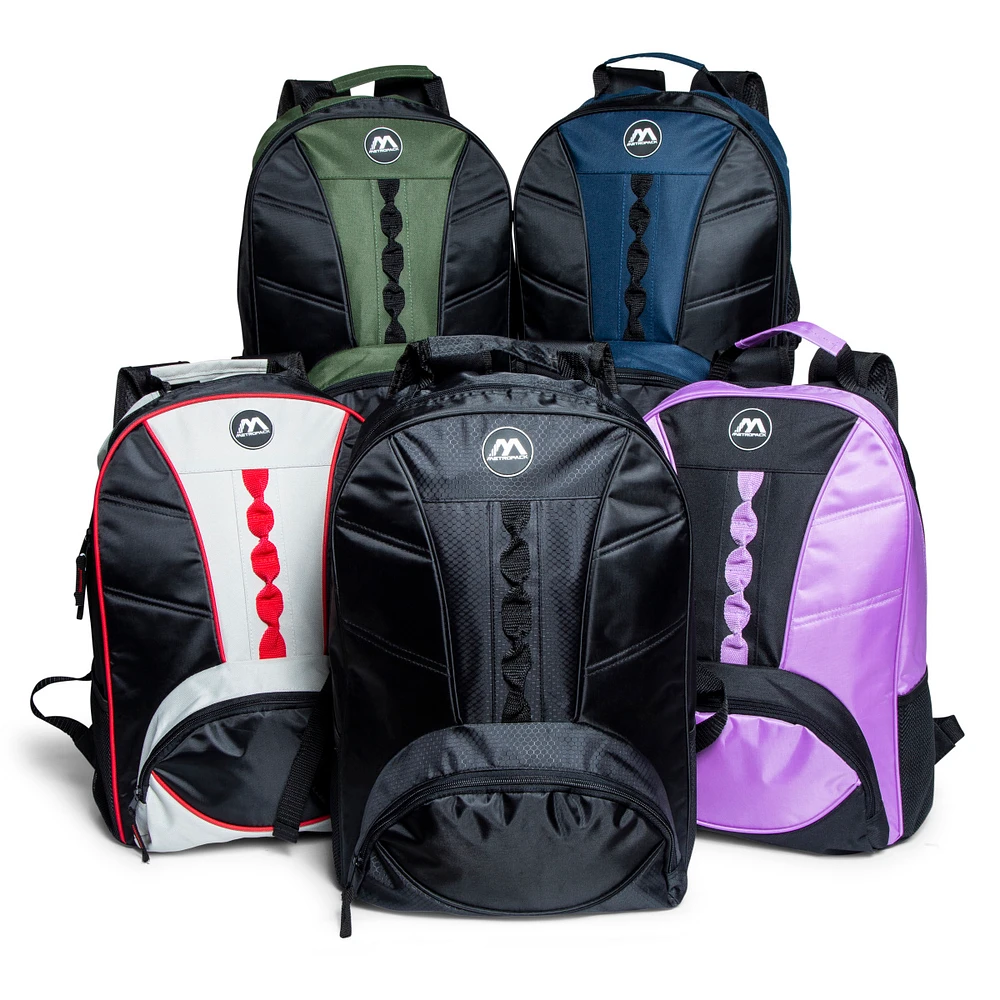
The loops on a backpack have several uses. The large loop at the top is usually a grab handle. Smaller loops on the front, sides, or shoulder straps can hold trekking poles, ice axes, jackets, water bottles, or small accessories.
Their purpose depends on the loop’s size, location, and design. Some loops carry gear outside the pack. Others guide a strap, reduce movement, or connect to a compression system. Never assume that every loop can hold heavy weight.
Introduction
For people in the United States, backpack loops can be useful on a school bag, work pack, travel bag, hiking pack, or technical climbing pack. They may look like simple strips of fabric, but each one can serve a different job.
The most common loop is the fabric handle at the top of the bag. Other common types include gear loops, daisy chains, lash points, and loops built into compression straps. Learning the difference helps you use your backpack without damaging it or creating a safety risk.

The Main Types of Backpack Loops
Backpack makers use different names for similar features. The loop’s position gives the best clue to its purpose.
| Loop type | Usual location | Main purpose |
|---|---|---|
| Grab handle | Top of the backpack | Carry the bag for a short time |
| Gear loop | Lower front or side | Hold poles, tools, or outdoor gear |
| Daisy chain | Sewn webbing loops down the front | Attach and organize equipment |
| Lash point | Front, side, or bottom | Tie down bulky items |
| Strap loop | On compression straps or loose webbing | Keep straps neat or secure gear |
| Attachment loop | Shoulder strap or hip belt | Hold small accessories |
| Cord loop | Pocket, flap, or opening | Guide shock cord or secure light items |
A backpack can have one or several of these features. A school backpack may have only a grab handle and a small front loop. A mountaineering pack may have many attachment points for specialized equipment.
Grab handles
The padded or webbed loop at the top is the grab handle. It lets you lift the backpack, move it from a car to a bench, or pull it from an airplane overhead bin.
The handle is also useful when putting the pack on. Hold the loop with one hand, slide one shoulder strap on, then swing the bag into place. This reduces the need to drag the pack across the floor.
A grab handle is not always meant to support a person. Do not use it to lift someone, tow another object, or suspend the backpack unless the manufacturer clearly allows that use.
Gear loops
Gear loops are often small, strong loops near the bottom or sides of a hiking pack. They may work with elastic cord or a strap to hold items such as:
- Trekking poles
- An ice axe
- A tent pole
- Fishing gear
- Climbing tools
- A rolled jacket
- Lightweight work equipment
A gear loop often works as part of a system. For example, a lower loop may hold the bottom of a trekking pole while an upper cord holds the pole near the handle.
Daisy chains
A daisy chain is a row of webbing loops sewn onto the outside of a pack. It lets you clip or tie light items to the front of the bag.
Daisy chains are common on hiking, climbing, and travel packs. They can hold a helmet, sandals, a small pouch, or wet clothing. However, a daisy chain is not automatically rated for climbing or rescue work.
Lash points
Lash points are small fabric tabs or loops used with cord, webbing, or bungee lines. They help secure bulky items that do not fit inside the pack.
For example, you might use lash points to hold a foam sleeping pad or a rain jacket. Keep the load light and tight. A loose item can swing, catch on branches, or affect your balance.
What the Loop on Top of a Backpack Is For
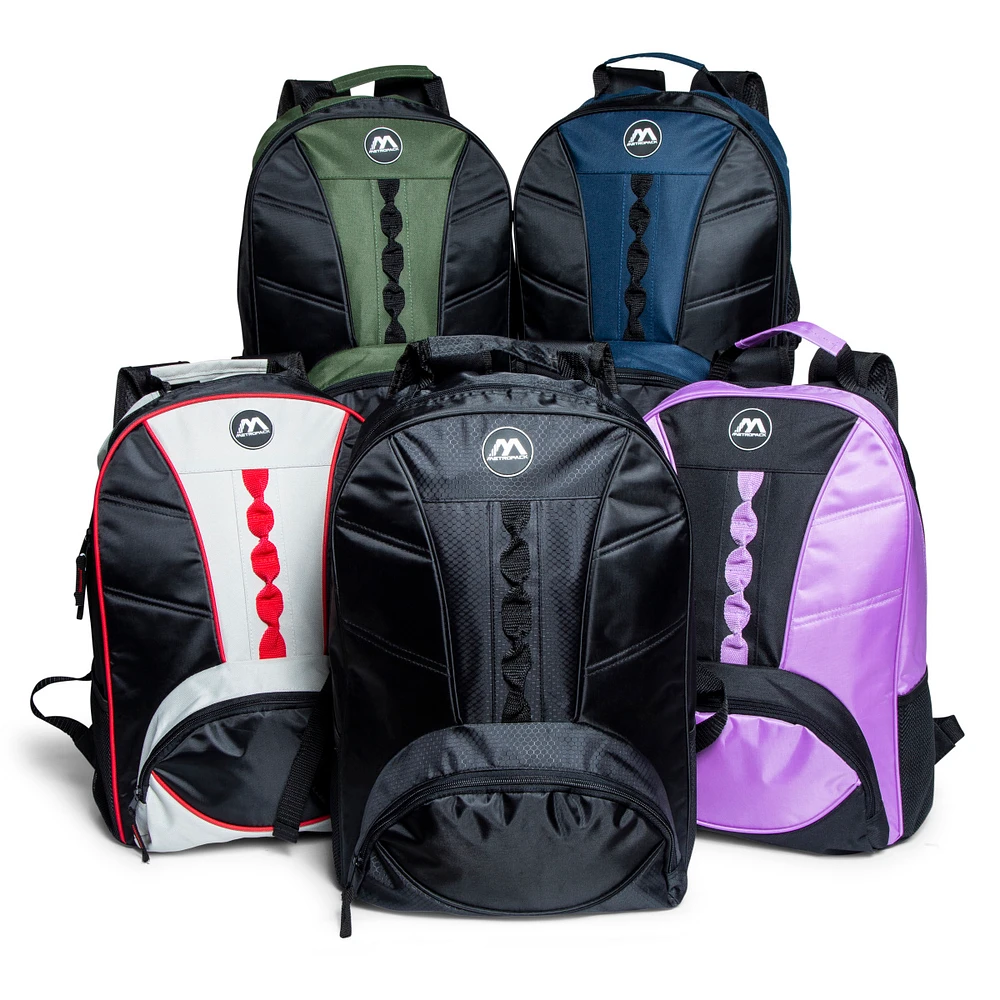
The loop on top of a backpack is mainly a carry handle. It gives you a firm place to lift and move the pack when you are not wearing it.
It can also help with storage. You can hang a light backpack on a sturdy hook by this loop. Before doing so, check the stitching and avoid hanging a fully loaded pack for long periods.
Some outdoor packs have a top loop that looks like a grab handle but is designed for a specific tool or strap. The best way to confirm its purpose is to check the product manual or the maker’s product page.
Can you hang a backpack by the top loop?
Yes, you can usually hang an empty or lightly loaded backpack by its top handle. This is fine for short-term storage in a closet, classroom, office, or locker.
Do not hang a heavy pack from a weak hook. Do not use the top handle as a tie-down point for a vehicle unless the manufacturer says it is suitable. Road movement can put far more force on the stitching than normal hand carrying.
What the Small Loops on the Front Are For
Small front loops usually help attach or organize gear. They may be part of a daisy chain, a compression system, or a dedicated tool holder.
The right use depends on the loop’s construction:
- Flat webbing loops often accept clips, cord, or straps.
- Elastic loops usually hold light items or help keep cord in place.
- Large reinforced loops may hold tools or bulky gear.
- Thin decorative loops may have little carrying strength.
- Loops beside a zipper may serve as zipper pulls or adjustment points.
If the loop bends the fabric, pulls at the stitching, or makes the backpack hard to balance, the item is likely too heavy or poorly placed.
Common front-loop uses
A front loop can hold a rain shell, bike light, small pouch, or rolled item. On outdoor packs, it may also connect to a front bungee cord.
Keep items attached to the front compact and light. Large objects can block the zipper, cover reflective panels, or catch on doors and branches.

What the Loops on Backpack Straps Are For
Loops on shoulder straps often hold small accessories close to your chest. They may be called webbing loops, attachment points, or keeper loops.
Common uses include:
- Clipping a small GPS device
- Holding a whistle
- Securing a hydration tube
- Attaching sunglasses
- Managing loose strap ends
- Holding a small phone or radio pouch
A shoulder-strap loop is usually not designed for heavy equipment. A full water bottle or camera can pull the strap sideways and make the pack less comfortable.
Some shoulder straps also have elastic loops. These may hold a hydration hose against the strap. Thread the hose through the loop so it stays near your mouth without swinging.
What are the loops on backpack straps called?
They may be called strap keepers, webbing keepers, elastic retainers, or attachment loops. Names vary by manufacturer.
A strap keeper normally manages loose webbing. It is not the same as a gear loop. If a loop is narrow, soft, and sewn onto an adjustable strap, use it mainly to control excess strap material.
How to Use Backpack Loops Safely
Use the loop for its intended job, keep the load light when the purpose is unclear, and inspect the stitching before adding gear.
Follow these steps:
-
Identify the location.
A top loop is usually a handle. A bottom loop may hold a tool. A front row of loops may be a daisy chain. -
Check the construction.
Look for reinforced stitching, thick webbing, and matching straps or cords. Thin fabric may be intended only for light items. -
Check the manufacturer’s instructions.
Product manuals often show where to place trekking poles, ice axes, or other equipment. -
Start with a light load.
Attach a jacket, small pouch, or other low-risk item first. -
Test the fit.
Walk a short distance. The item should not swing, rub your legs, block your view, or pull the pack to one side. -
Secure loose ends.
Tuck or tie extra cord and webbing so it cannot catch on doors, bikes, or brush. -
Inspect after use.
Look for torn stitches, stretched fabric, fraying, or broken buckles.
A successful setup keeps the item close to the pack and does not change your balance. If the bag feels uneven, move the item inside the pack or place it closer to the center.
A simple balance rule
Place dense items near the middle of the pack and close to your back. Use outside loops for light, bulky items rather than heavy objects.
For example, a foam pad may work well on outside lash points because it is light. A full metal water bottle may be better inside the pack or in a designed side pocket.

Backpack Loops for Trekking Poles and Ice Axes
Some hiking packs have a lower loop and an upper elastic holder for trekking poles or an ice axe. The lower loop supports the tip or handle. The upper holder keeps the tool upright.
To use this system:
- Put the pole tips or axe head into the lower holder.
- Turn the handles or shaft toward the upper attachment point.
- Tighten the elastic or strap around the shaft.
- Check that sharp points are covered or facing away from people.
- Walk a short distance and check for movement.
The exact method varies by pack. An ice axe can have a sharp pick and adze, so cover the metal parts when possible. Keep the tool from touching your head, arms, or another person.
Do not use a general daisy chain as a climbing anchor. A loop that holds an ice axe during a hike may not be rated for body weight or fall protection.
Are Backpack Loops Strong Enough for Heavy Gear?
Some loops are strong enough for tools or outdoor equipment, but strength depends on the stitching, webbing, fabric, and intended design.
Manufacturers do not always publish a load rating for every loop. Without a stated rating, treat the loop as a light-duty attachment point. This is especially important for school bags, laptop bags, and fashion backpacks.
Avoid attaching:
- Heavy water containers
- Fuel canisters
- Large cameras
- Carabiners carrying body weight
- Motorized equipment
- Sharp tools without covers
- Anything that could injure another person if it fell
A carabiner clipped to a loop does not make the system safe for climbing. Climbing and fall protection require equipment designed, rated, and used for that purpose.

Common Mistakes to Avoid
The most common mistake is treating every loop as a load-bearing handle. Backpack loops can look similar even when their materials and stitching serve very different purposes.
Avoid these errors:
- Lifting the full bag by a thin decorative loop
- Using a daisy chain as a climbing anchor
- Attaching heavy items far from your back
- Leaving sharp tools exposed
- Letting loose straps hang near wheels or bike parts
- Overloading a loop until the fabric puckers
- Ignoring torn or frayed stitches
- Blocking zippers, pockets, lights, or reflective panels
If a loop begins to tear, stop using it. A local luggage repair shop or outdoor gear repair service may be able to replace the webbing. Sewing through a heavily loaded or technical pack without the right materials can weaken the bag or damage waterproof layers.
Backpack Loop Uses by Bag Type
The same loop can serve a different role depending on the backpack.