To tie backpack straps, thread the webbing through each buckle, tighten the fit, and secure loose ends safely.
Learning how to tie backpack straps is less about making a tight knot and more about using the right buckles, adjusters, and strap keepers. A well-fitted backpack stays close to your body, spreads weight evenly, and feels much better on your shoulders. This guide explains the safest methods for school bags, hiking packs, travel backpacks, and everyday carry bags.
How to Tie Backpack Straps Correctly
Most backpacks do not need traditional knots. They use webbing straps, ladder-lock buckles, slip adjusters, sternum clips, and sometimes hook-and-loop keepers. These parts hold the bag in place while allowing quick adjustment.
Follow these steps to adjust and secure your backpack straps:
- Put the backpack on both shoulders.
- Loosen the shoulder straps before fitting the bag.
- Position the backpack so it sits high on your back.
- Pull the loose end of each shoulder strap downward.
- Check that the strap passes correctly through its ladder-lock buckle.
- Clip and adjust the sternum strap if the bag has one.
- Tighten the hip belt when carrying a heavy load.
- Secure extra webbing with an elastic loop or strap keeper.
The strap should feel firm, not painfully tight. You should be able to slide one or two fingers between the strap and your shoulder.
When learning how to tie backpack straps, remember that the buckle does most of the work. A knot may look secure, but it can make adjustment harder and may damage the webbing over time.

How Backpack Strap Buckles Work
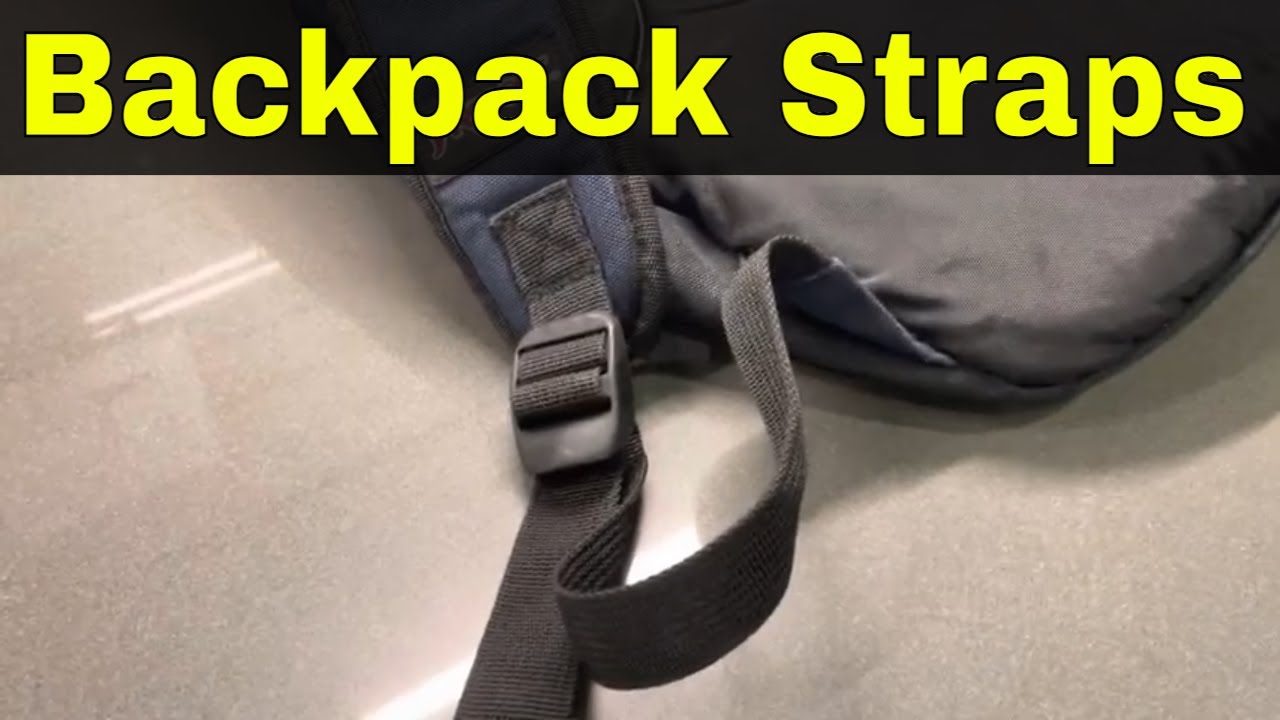
Understanding the buckle makes how to tie backpack straps much easier. Most shoulder straps use a ladder-lock buckle. This buckle has a fixed side and a moving side that grips the webbing.
The loose strap usually enters the buckle from the back, passes over or under the center bar, and then exits toward the user. The exact path can vary by brand, so compare both shoulder straps if one side looks confusing.
A properly threaded strap should:
• Lie flat without twisting
• Hold its position when pulled
• Slide when you lift the buckle to loosen it
• Tighten when you pull the free end downward
• Leave enough extra length for future adjustment
If the strap slips under light pressure, it may be threaded incorrectly. Remove the webbing and run it through the buckle again, following the same path as the strap on the opposite side.
Some travel bags use tri-glide buckles. These work in a similar way but may require the strap to pass through the buckle twice. Check the sewn section first. The stitched end is usually the fixed end, while the loose end is the part you adjust.

Step-by-Step Method for Shoulder Straps
Shoulder straps control the main fit of your backpack. They should pull the bag close to your upper back without pressing hard against your neck.
Use this method:
- Place the backpack on a table with the front facing down.
- Find the sewn end of each shoulder strap.
- Locate the ladder-lock buckle near the lower end of the strap.
- Feed the loose webbing through the buckle.
- Keep the strap flat as you thread it.
- Pull the loose end until the strap reaches your preferred length.
- Repeat the process on the other side.
- Put on the backpack and make small adjustments.
Both shoulder straps should have similar lengths. They do not need to be perfectly equal because body shape and load balance can differ from side to side.
A useful fitting order is simple:
• Adjust the shoulder straps first
• Tighten the hip belt second
• Set the sternum strap third
• Fine-tune the shoulder straps last
This order helps the backpack rest on your hips instead of hanging from your shoulders. Outdoor equipment specialists commonly recommend using the hip belt for heavier hiking loads because it can transfer some weight from the shoulders to the pelvis.
When I check a backpack fit, I look at the top of the bag. If it leans away from the back, the shoulder straps are often too loose. If the straps dig into the neck, they may be too tight or the bag may be sitting too high.

How to Secure Loose Backpack Strap Ends
Long strap ends can flap, drag on the ground, or catch on doors and branches. You can secure them without tying a permanent knot.
Try one of these methods:
• Thread the loose end through the elastic strap keeper
• Roll the extra webbing and place it under the keeper
• Use a small hook-and-loop strap
• Tuck the end through a second section of the ladder-lock buckle
• Use a manufacturer-approved strap retainer
Do not cut the excess webbing unless you are certain the bag will never need a longer setting. Cutting can also remove the melted edge that prevents fraying. If you must shorten a strap, cut it carefully and seal the edge with controlled heat. This step can cause burns or melt synthetic fabric, so it is safer to ask a repair shop for help.
Avoid safety pins, metal clips, and sharp objects. They can damage the strap or catch on clothing. Do not use a loose rubber band near a child’s backpack because it can snap or become a choking hazard.
Knowing how to tie backpack straps also means knowing when not to tie them. A strap keeper is usually safer and easier than a knot.

How to Adjust Sternum and Hip Straps
Shoulder straps are only part of the fit. Sternum and hip straps help control movement, especially when walking, biking, or hiking.
The sternum strap connects the two shoulder straps across your chest. Slide it to a comfortable height, often around the upper chest, then clip it together. Tighten it until the shoulder straps feel stable, but do not pull so hard that breathing feels restricted.
The hip belt sits around the upper hip bones, not the soft area of your stomach. Tighten it firmly enough to stop the pack from bouncing. For a light school bag, you may not need to use the hip belt at all.
Use these checks:
• The sternum strap should not press on your throat
• The hip belt should not block normal breathing
• The backpack should not swing from side to side
• The shoulder straps should stay in contact with your body
• The load should feel balanced
For hiking packs, place heavier items close to your back and near the middle of the bag. This reduces the pulling effect that makes a pack feel heavier. A balanced load also reduces the need to over-tighten the straps.

How to Tie Backpack Straps for Different Bags
The best method depends on the type of backpack. A small daypack needs a simple fit, while a large hiking pack uses several adjustment points.
School backpacks
Keep the bag high enough that it does not hang near the lower back. Use both shoulder straps, even when the bag is light. A one-strap carry can make the load feel uneven.
Remove items that are not needed. Books and devices should sit close to the back, while soft items can fill the outer sections.
Hiking backpacks
Start by loosening all straps. Put the pack on, tighten the hip belt, and then pull the shoulder straps. Adjust the load lifters if the pack has them. These upper straps should draw the top of the pack closer to your body without lifting the hip belt.
A hiking backpack may have side compression straps. Pull them inward to keep gear from shifting. Do not tighten them so much that they crush fragile items.
Travel backpacks
Travel packs often use clamshell designs and stowable straps. Before placing the bag in an overhead bin, tuck or cover the straps if the manufacturer provides a storage panel. Loose straps can catch on conveyor belts and other equipment.
Drawstring backpacks
Drawstring bags do not use ladder-lock buckles. Pull both cords evenly until the bag rests comfortably, then tie a simple stopper knot near each cord end. Keep the knots compact and check them for wear.

Common Mistakes When Securing Backpack Straps
Small mistakes can make a backpack uncomfortable or unsafe. These problems are easy to fix once you know what to look for.
Using only one shoulder strap
This may feel quick, but it places the load on one side. Use both straps whenever possible, especially when carrying books, tools, or electronics.
Tying a hard knot in webbing
A tight knot can jam the strap and make emergency removal difficult. It can also create a sharp fold that weakens the material.
Wearing the pack too low
A low backpack pulls backward from the shoulders. Raise it, shorten the shoulder straps, and place heavier items closer to your back.
Ignoring twisted webbing
Twisted straps create pressure points. Flatten each strap before tightening it.
Overloading the bag
No strap adjustment can fully fix an overloaded backpack. Check the bag’s instructions and reduce the load when it feels heavy, unstable, or painful.
Letting straps drag
Loose ends can catch on bike wheels, escalators, doors, and brush. Secure them with the built-in keeper whenever possible.
A practical lesson I have seen often is that people keep tightening straps when the real issue is poor packing. Move heavy gear inward first, then adjust the straps. The fit usually improves at once.

How to Check Backpack Strap Safety
Inspect your straps before a long trip or hike. Look for fraying, pulled stitches, cracked buckles, and stretched elastic keepers.
Use this quick safety test:
- Load the backpack with the items you normally carry.
- Lift the bag by the top handle.
- Check that the straps remain attached.
- Put it on and walk for several minutes.
- Bend, turn, and sit down.
- Watch for slipping, pinching, or shifting.
- Refit the straps if needed.
Replace a strap or buckle if the webbing is badly frayed or the buckle will not hold tension. Sewing a loose strap by hand may work for a light bag, but a heavy hiking pack needs strong repair stitching. A luggage repair shop or the bag manufacturer can provide a safer fix.
Pain is also a warning sign. Numbness, tingling, or lasting shoulder pain means you should stop and adjust the pack. If discomfort continues, reduce the load and seek medical advice.
Tips for a Comfortable Backpack Fit
A good fit should feel stable rather than restrictive. Your shoulders should not carry all the weight, and the backpack should not pull away from your body.
Use these simple tips:
• Pack heavy items near your back
• Keep the heaviest objects in the middle of the bag
• Use both shoulder straps
• Tighten straps in small steps
• Keep loose webbing under control
• Clean dirt from buckles so they can grip properly
• Recheck the fit after adding or removing gear
For children, adjust the backpack as they grow. The bag should not extend far below the lower back, and the straps should fit without cutting into the shoulders. A school nurse, physical therapist, or pediatric health professional can offer individual guidance when a child has pain or posture concerns.
There is no single perfect strap setting for every person. Torso length, body shape, bag design, and load size all matter. Use comfort and stability as your main tests.

Frequently Asked Questions About How to Tie Backpack Straps
Do backpack straps need to be tied in a knot?
Most backpack straps do not need a knot. Thread the webbing through the correct buckle, tighten it, and secure the extra length with the built-in keeper.
How do you stop backpack straps from slipping?
Check that the strap passes through the ladder-lock buckle correctly and lies flat. If it still slips, the buckle or webbing may be worn and should be repaired or replaced.
How tight should backpack straps be?
Tighten the straps until the backpack stays close to your back without causing pain or limiting movement. You should usually be able to fit one or two fingers between the strap and your shoulder.
How do you keep loose backpack straps from hanging?
Use the elastic loop, strap keeper, hook-and-loop tab, or extra buckle slot made for that purpose. Avoid sharp pins and permanent knots that can damage the webbing.
Should a backpack sit high or low on your back?
A backpack should usually sit high enough to stay close to your upper and middle back. If it hangs low, it can pull backward and place more strain on your shoulders.
Can you cut extra backpack strap length?
You can, but it is usually better to secure the excess first. Cutting may prevent future adjustment and can cause synthetic webbing to fray unless the edge is finished properly.
Conclusion
Learning how to tie backpack straps starts with the right idea: use the buckles and strap keepers instead of relying on tight knots. Thread each strap correctly, keep the webbing flat, fit the shoulder straps evenly, and use the sternum or hip belt when needed.
A comfortable backpack should stay close to your body, hold its position, and allow easy movement. Check the straps often, reduce excess weight, and replace worn parts before they fail. Try these steps on your backpack today, then explore more gear-fitting guides or share your best strap-adjustment tip in the comments.

Zayden Halbrook is a travel enthusiast and gear researcher passionate about making every journey smoother and more enjoyable. With a keen eye for practical travel essentials and real-world tips, he helps readers choose the right gear and travel smarter. When he’s not testing travel kits or exploring new destinations, Zayden shares simple, reliable advice to make every trip stress-free.