A Patagonia backpack is usually easy to clean with cold water, mild soap, and gentle hand washing. For a backpack used at school, work, travel, or hiking in the United States, start by checking the care label inside the bag. Patagonia makes several packs from different nylon and polyester fabrics, so the label and product page should guide the final choice.
Do not put a backpack in a washing machine or dryer unless Patagonia gives that exact model permission. In most cases, spot cleaning and careful hand washing are the safest options.
What You Need Before Cleaning
Gather a few simple items before you start:
- A vacuum, soft brush, or clean dry cloth
- A sink, tub, or clean bucket
- Cool or lukewarm water
- A small amount of mild liquid laundry detergent
- Two soft cloths or a soft sponge
- An old toothbrush for zippers and seams
- Several clean towels
- A well-ventilated place to air-dry the pack
Choose a mild detergent with no bleach, brighteners, fabric softener, or strong fragrance. Harsh cleaners may affect the fabric, coating, color, or water resistance.
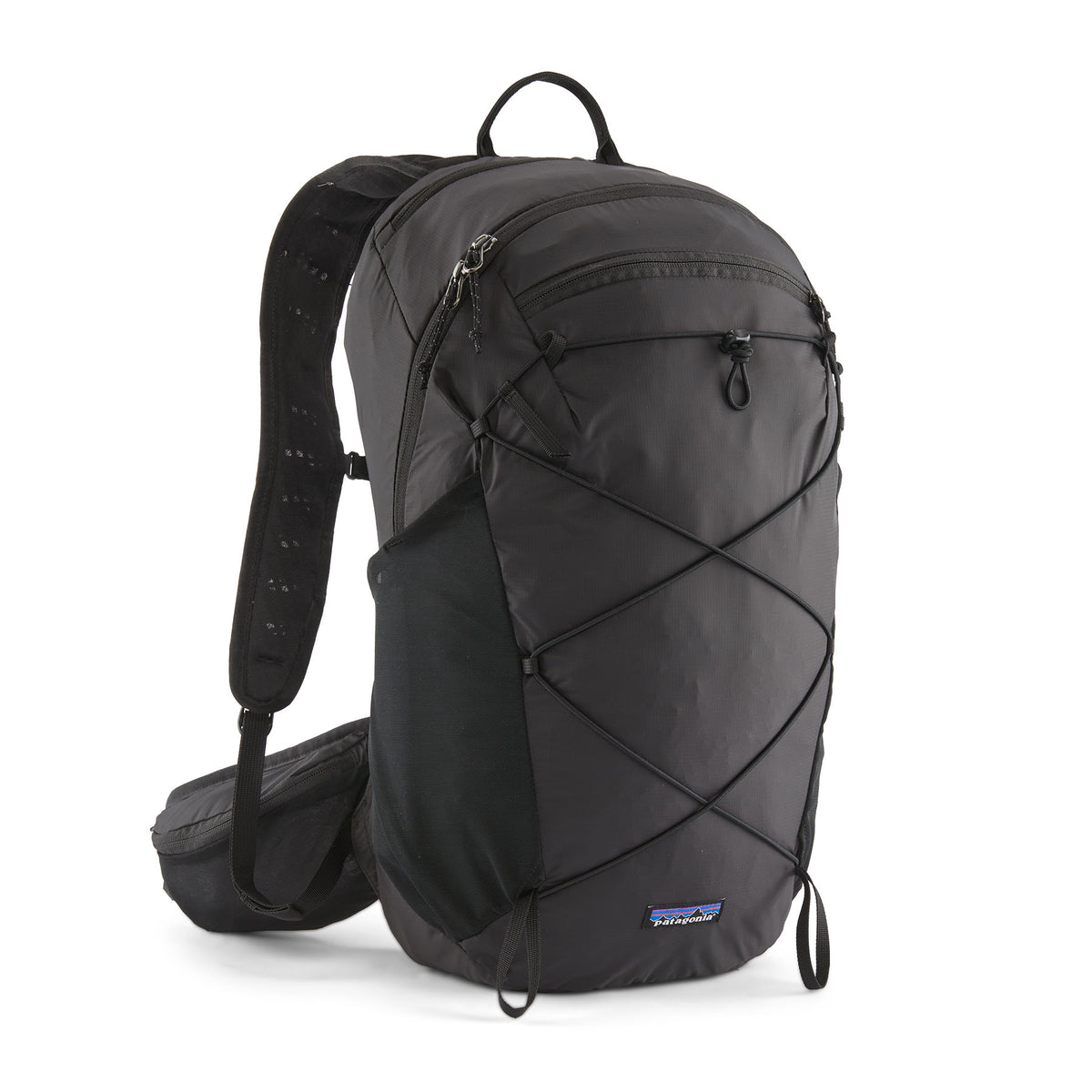
Read the care label first. Also check Patagonia’s official care information for your specific pack. A Black Hole pack, Refugio pack, Atom Sling, and lightweight daypack may use different fabrics, linings, coatings, and construction.
Before washing, remove everything from every pocket. Check small pockets, laptop sleeves, hydration compartments, and hidden key clips. A forgotten pen, snack, battery, or paper item can create a larger mess when it gets wet.

How to Clean a Patagonia Backpack Step by Step
The safest method is to clean the pack in stages: remove dry dirt, treat stains, wash gently, rinse well, and air-dry it fully.
1. Empty and prepare the backpack
Open all zippers and turn the backpack upside down. Shake out sand, leaves, crumbs, and other loose debris.
Use a vacuum with a soft brush attachment on the inside. If you do not have a vacuum, use a dry cloth or soft brush. Do not scrub wet mud into the fabric. Let heavy mud dry first, then brush it away.
Remove detachable parts if the care label allows it. This may include hip belts, sternum straps, foam pads, or removable frames. Keep small parts together so they do not get lost.
2. Test the cleaning solution
Mix a small amount of mild detergent into cool or lukewarm water. A few drops in a basin is usually enough. The water should feel lightly soapy, not thick with suds.
Test the solution on a hidden area, such as the bottom edge or an inside seam. Dab the spot, wait a few minutes, and blot it with a clean cloth.
Look for color loss, dye transfer, a sticky surface, or changes in the fabric. If you see a problem, stop and use plain water instead. Never assume that a cleaner safe for clothing is safe for a coated backpack.
3. Spot-clean stains
Dip a soft cloth or sponge into the diluted detergent. Wring it out well, then dab the stained area.
Work from the outside of the stain toward the center. This helps prevent the mark from spreading. For dried food or soil, place the damp cloth over the spot for a few minutes to loosen it before wiping.
Use a soft toothbrush only on durable areas such as zipper teeth or textured fabric. Use light pressure. Aggressive brushing can pull threads, roughen fabric, or damage a surface coating.
For grease, sunscreen, or oily food, repeat the mild detergent treatment rather than reaching for bleach or a solvent. Some oil stains may not disappear fully without professional cleaning.
4. Wash the backpack by hand when needed
If the whole pack is dirty, fill a clean sink, bathtub, or bucket with cool or lukewarm water. Add a small amount of mild detergent.
Place the backpack in the water and gently press it below the surface. Move it slowly through the water. Avoid twisting, wringing, or crushing the pack, since these actions can bend padding and strain seams.
Use a soft cloth to wipe the inside and outside. Pay close attention to:
- Shoulder straps
- Back panels
- Bottom panels
- Pocket openings
- Zipper areas
- Seams and folds
- Areas that touch skin or the floor
Do not leave the backpack soaking for a long time. A brief, gentle wash is less likely to affect foam, padding, labels, coatings, or glued parts.
5. Rinse until the water runs clear
Drain the soapy water. Refill the sink or tub with clean water, then press and release the backpack gently.
Repeat this step until you no longer see suds. Soap left in the fabric can attract dirt and may irritate skin when the straps touch your shoulders.
Do not wring out the backpack. Instead, press it gently against the side of the sink to remove excess water.
6. Remove excess water with towels
Lay the backpack on a clean towel. Press another towel against the wet areas.
You can roll the backpack loosely inside a towel and press down lightly. Do not twist the roll. This method helps remove water without putting stress on the seams or frame.
Open every pocket and unzip each compartment before drying. Trapped moisture inside a closed pocket can cause odor or mildew.

How to Dry a Patagonia Backpack
Air-dry the backpack in a shaded, well-ventilated place. Hang it from a strong loop or place it upright on a clean drying rack so air can reach the inside.
Keep the pack away from:
- Direct, intense sunlight
- Radiators and heaters
- Clothes dryers
- Hair dryers
- Open flames
- Hot car interiors
High heat may shrink fabric, weaken adhesives, deform foam, or affect a water-repellent finish. Direct sun can also fade colored fabric over time.
Leave all compartments open while the backpack dries. Turn the bag over after several hours if the bottom remains damp.
A small daypack may dry in several hours. A padded travel or hiking pack may need a full day or longer, depending on humidity and airflow. Do not store or use it until the inside, padding, straps, and bottom are fully dry.
A clean, dry smell is a good sign. A sour or musty smell means moisture may still be trapped inside. Continue drying and inspect the lining, seams, and pockets.

How to Remove Odor, Sweat, and Common Stains
Most backpack odor comes from sweat, damp clothing, spilled food, or poor airflow. Cleaning the areas that touch the body often works better than using a strong fragrance spray.
For sweat odor, wipe the shoulder straps, hip belt, and back panel with diluted mild detergent. Rinse the areas with a clean damp cloth, then dry the pack fully.
For food stains, remove solid material first. Blot the mark with mild detergent and water. Avoid hot water, which can set some stains and may affect synthetic materials.
For mildew or a strong musty smell, stop using the pack until it is clean and dry. Wash it gently, rinse it well, and dry it in moving air. Do not mix bleach with vinegar, ammonia, or other cleaners.
If visible mold remains, or if the odor returns after careful cleaning, contact Patagonia for product-care or repair advice. Some growth can penetrate padding or lining and may not be removable with home cleaning.
Can you use vinegar or baking soda?
Use caution. Vinegar and baking soda are common home remedies, but they are not automatically safe for every backpack fabric, coating, logo, trim, or lining.
Plain water and a small amount of mild detergent are the better first choice. If you consider another cleaner, check Patagonia’s instructions for the exact model and test it on a hidden area first.

Can You Wash a Patagonia Backpack in a Washing Machine?
Do not machine-wash a Patagonia backpack unless the care label or Patagonia’s model-specific instructions clearly allow it.
A washing machine can put stress on:
- Foam padding
- Zippers
- Buckles
- Mesh pockets
- Seam tape
- Coated fabric
- Internal frames
- Padded laptop sleeves
Even a gentle cycle can cause the bag to tumble, twist, and strike the drum. The risk is higher for structured packs, technical hiking packs, and bags with rigid inserts.
If the instructions do allow machine washing, remove loose parts, close the zippers, use cold water and a gentle cycle, and air-dry the pack. Never add bleach or fabric softener. Follow the exact instructions for that model rather than applying them to every Patagonia backpack.
What Not to Use on a Patagonia Backpack
Avoid products and methods that can damage synthetic fabric or reduce performance:
- Chlorine bleach
- Fabric softener
- Strong stain removers
- Solvents
- Alcohol-based cleaners
- Abrasive powders
- Rough brushes
- Hot water
- Steam cleaning
- High-heat drying
- Pressure washers
- Long soaking
- Twisting or wringing
Do not iron the backpack. Keep it away from hot surfaces while it dries.
A backpack’s water resistance also needs special care. Cleaning may remove dirt, but it does not restore a worn water-repellent finish. Do not apply a waterproofing product unless it is made for the backpack’s fabric and Patagonia’s instructions support its use.

How Often Should You Clean a Patagonia Backpack?
Clean the backpack when it is visibly dirty, smells bad, or has been exposed to sweat, food, mud, or salt. A school or work pack may need light cleaning every few months. A hiking pack used in hot, wet, or dusty conditions may need cleaning more often.
You can reduce deep cleaning by following a simple routine:
- Empty the bag once a week.
- Shake out crumbs and dirt.
- Wipe small spills at once.
- Let damp gear dry before placing it inside.
- Leave the pack open after use.
- Store it in a cool, dry place.
- Keep sharp objects in cases or pouches.
Frequent harsh washing is not better. Gentle spot cleaning usually puts less wear on the fabric and coating.

What to Do If Cleaning Does Not Work
If a stain remains, repeat the mild cleaning process once after the backpack has dried. Do not keep scrubbing harder. More pressure can damage the material without removing the stain.
Contact Patagonia customer service or its repair team if you find:
- A torn shoulder strap
- A split seam
- A broken zipper
- Peeling coating
- A damaged buckle
- A bent internal frame
- Persistent mold or odor
- Water entering through a failed seam
Cleaning cannot fix structural damage. Patagonia has repair and care resources for many products, but available service can depend on the item, location, and condition.