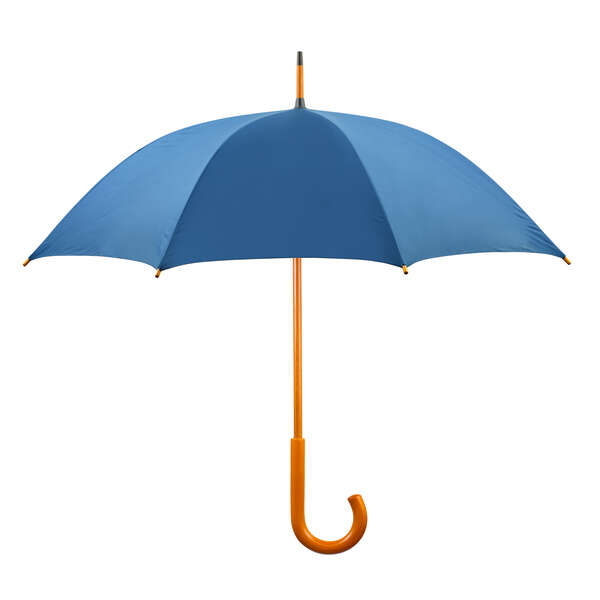
In Spanish, umbrella is paraguas, pronounced pah-rah-gwas; sombrilla is also used in some regions.
Learning how do you say umbrella in Spanish is simple, but using the word naturally takes a little more care. The main word is paraguas, while sombrilla and parasol can describe related items based on the weather, size, and country. This guide explains pronunciation, grammar, regional use, and helpful examples so you can speak with confidence.
How Do You Say Umbrella in Spanish?
The most common translation of “umbrella” in Spanish is paraguas. It is used for an umbrella that protects you from rain.
For example:
Necesito un paraguas.
I need an umbrella.
The word paraguas is widely understood across Spanish-speaking countries. If you are learning standard Spanish, this is the best word to remember first.
How do you say umbrella in Spanish in a simple sentence? You can say:
¿Tienes un paraguas?
Do you have an umbrella?
The word comes from two parts: para, meaning “stops” or “for,” and aguas, meaning “waters.” In a loose sense, paraguas means something that stops water.

How to Pronounce Paraguas
English speakers often find paraguas easier to pronounce when they break it into parts:
pah-rah-gwas
The Spanish pronunciation is close to “pah-rah-gwahs.” The final s should be heard, though it may sound softer in some accents.
Use these steps:
- Say pa as in “pah.”
- Say ra with a light Spanish tap of the tongue.
- Say guas like “gwahs.”
- Blend the parts together: pa-ra-guas.
The stress falls on the first syllable: PÁ-ra-guas. Spanish pronunciation varies by region, but this form will be understood almost everywhere.
When practicing how do you say umbrella in Spanish, avoid saying “par-a-goo-as” with a strong English r. The Spanish r in paraguas is usually a quick tap, similar to the sound in the middle of the American English word “butter” for many speakers.

Is Paraguas Masculine or Feminine?
Paraguas is a masculine noun. Use el for “the” and un for “an” or “a”:
• el paraguas means “the umbrella”
• un paraguas means “an umbrella”
• este paraguas means “this umbrella”
• mi paraguas means “my umbrella”
Here are some useful examples:
El paraguas está en la puerta.
The umbrella is by the door.
Compré un paraguas nuevo.
I bought a new umbrella.
Mi paraguas está mojado.
My umbrella is wet.
One interesting grammar point is that paraguas looks the same in the singular and plural. The article shows the difference:
un paraguas = one umbrella
dos paraguas = two umbrellas
This detail helps answer how do you say umbrella in Spanish correctly without changing the noun itself.

Is Paraguas Singular or Plural?
Paraguas can be singular or plural. The form does not change when you talk about more than one umbrella.
Compare these examples:
• El paraguas = the umbrella
• Los paraguas = the umbrellas
• Un paraguas = an umbrella
• Tres paraguas = three umbrellas
The word ends in s, but that does not always mean it is plural. Spanish has several nouns that keep the same form in both numbers. Context and articles make the meaning clear.
For example:
Hay un paraguas en el coche.
There is an umbrella in the car.
Hay cinco paraguas en la tienda.
There are five umbrellas in the store.
This is one of the most common points learners notice when studying how do you say umbrella in Spanish. Do not add another ending to paraguas. Simply change the article or number.

Paraguas, Sombrilla, and Parasol: What Is the Difference?
Although paraguas is the safest general word, Spanish has other terms for umbrella-like objects. The best choice depends on whether the item protects against rain or sun.
Paraguas
Paraguas usually means a rain umbrella. It is the standard term for a portable umbrella used during wet weather.
Lleva un paraguas porque va a llover.
Take an umbrella because it is going to rain.
Sombrilla
Sombrilla often means a sun umbrella or parasol. It may also refer to a beach umbrella or a small umbrella used for shade.
La sombrilla está en la playa.
The beach umbrella is on the beach.
In some Spanish-speaking areas, people may use sombrilla more broadly. Regional habits matter, but paraguas remains the clearest word for rain protection.
Parasol
Parasol literally means “sun protector.” It often describes a sunshade, garden umbrella, or decorative outdoor umbrella.
El parasol protege la mesa del sol.
The patio umbrella protects the table from the sun.
If you are unsure which word to use, choose paraguas for rain and sombrilla for sun. That simple rule works well in everyday conversation.

Useful Spanish Phrases With Paraguas
Memorizing short phrases is often more useful than studying a single translation. These examples show how native speakers may use paraguas in daily speech.
Asking for an umbrella
¿Tienes un paraguas?
Do you have an umbrella?
¿Me prestas tu paraguas?
Can you lend me your umbrella?
¿Dónde está mi paraguas?
Where is my umbrella?
Talking about rain
Está lloviendo. Necesito un paraguas.
It is raining. I need an umbrella.
No olvides el paraguas.
Do not forget the umbrella.
El pronóstico dice que va a llover, así que llevaré un paraguas.
The forecast says it will rain, so I will take an umbrella.
Shopping for an umbrella
Quiero comprar un paraguas.
I want to buy an umbrella.
¿Cuánto cuesta este paraguas?
How much does this umbrella cost?
Busco un paraguas pequeño y resistente.
I am looking for a small, durable umbrella.
These phrases make it easier to use how do you say umbrella in Spanish in a real conversation rather than only repeating a vocabulary word.

How to Say Umbrella in Different Spanish-Speaking Regions
Spanish is spoken across more than 20 countries, so vocabulary can vary. Still, paraguas is broadly understood throughout the Spanish-speaking world.
In many countries, people use paraguas for a rain umbrella and sombrilla for a sun umbrella. In other places, speakers may use sombrilla for both types, especially when the object is small or decorative.