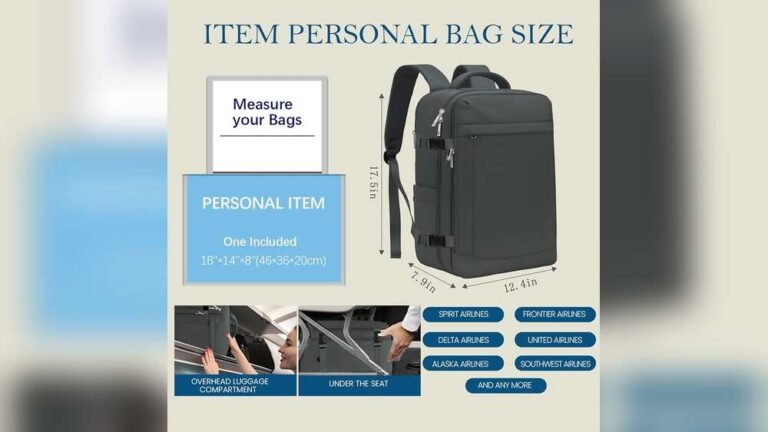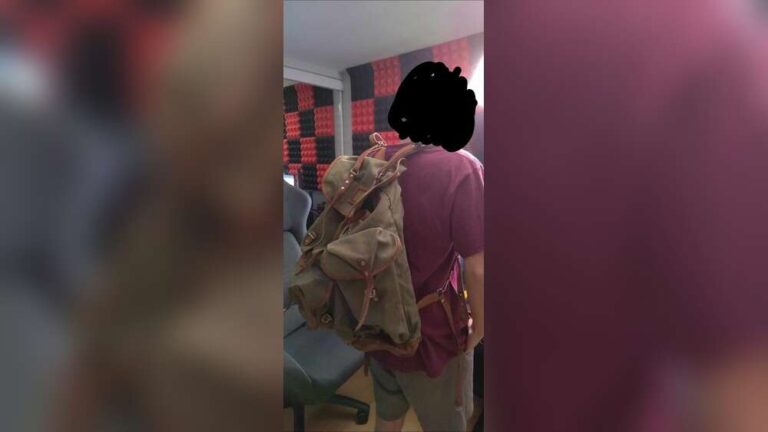
Use padded sleeves, waterproof covers, and smart packing to shield paperback covers in backpacks.
I’ve spent years testing book protection methods and teaching readers how to protect paperback covers backpack reliably. This guide covers clear steps, product picks, DIY fixes, and real-world tips so your paperbacks stay flat, dry, and scuff-free in any bag.

Why protect paperback covers in a backpack?
Paperback covers bend, crease, and scuff easily. A backpack tosses books with keys, water bottles, and gadgets. Knowing how to protect paperback covers backpack saves money and keeps books readable longer.
Protecting paperback covers also preserves resale or gift value. It keeps pages from warping. If you commute or travel, this matters every day.

Common threats to paperback covers
Water damage
- Spills and rain soak covers and pages fast.
Pressure and bending
- Heavy items crush corners and spines.
Abrasion and scuffs
- Friction from zippers, cords, and rough fabrics wears covers.
Dirt and stains
- Food, makeup, and ink can stain covers and margins.
Heat and humidity
- Moist environments warp covers and glue.
Knowing these risks is the first step to learning how to protect paperback covers backpack the right way.

Materials and accessories that work best
Padded book sleeves
- Soft foam or neoprene sleeves protect against impact.
Waterproof covers and bags
- Zip-top plastic bags or waterproof book covers block liquids.
Rigid book covers
- Thin cardboard or acetate covers keep books flat.
Clear adhesive covers
- Self-adhesive protective films protect against scuffs.
Corner protectors
- Small foam or plastic corners prevent folding.
Backpack organizers
- Internal compartments and folders reduce movement and rubbing.
Using a mix of these options is the best way to protect paperback covers backpack in daily use.

Step-by-step: how to protect paperback covers backpack
- Sort and layer
- Put paperbacks in a flat stack. Place heavier books at the bottom. This reduces bending.
- Use a padded sleeve
- Slide each book into a sleeve or thin case. This prevents direct pressure.
- Waterproof the cover
- For long commutes, place the sleeved book in a zip-top bag or waterproof pouch.
- Add rigid support
- Insert a thin clipboard or cardboard behind the book if you expect heavy pressure.
- Position in the pack
- Place books against the back panel, not near the zipper or outer pocket.
- Separate from supplies
- Use a folder or small organizer for pens and chargers. Keep them away from covers.
- Secure corners
- Add corner protectors to prevent bending during transit.
These steps show a clear workflow for how to protect paperback covers backpack day-to-day. They are simple and repeatable.
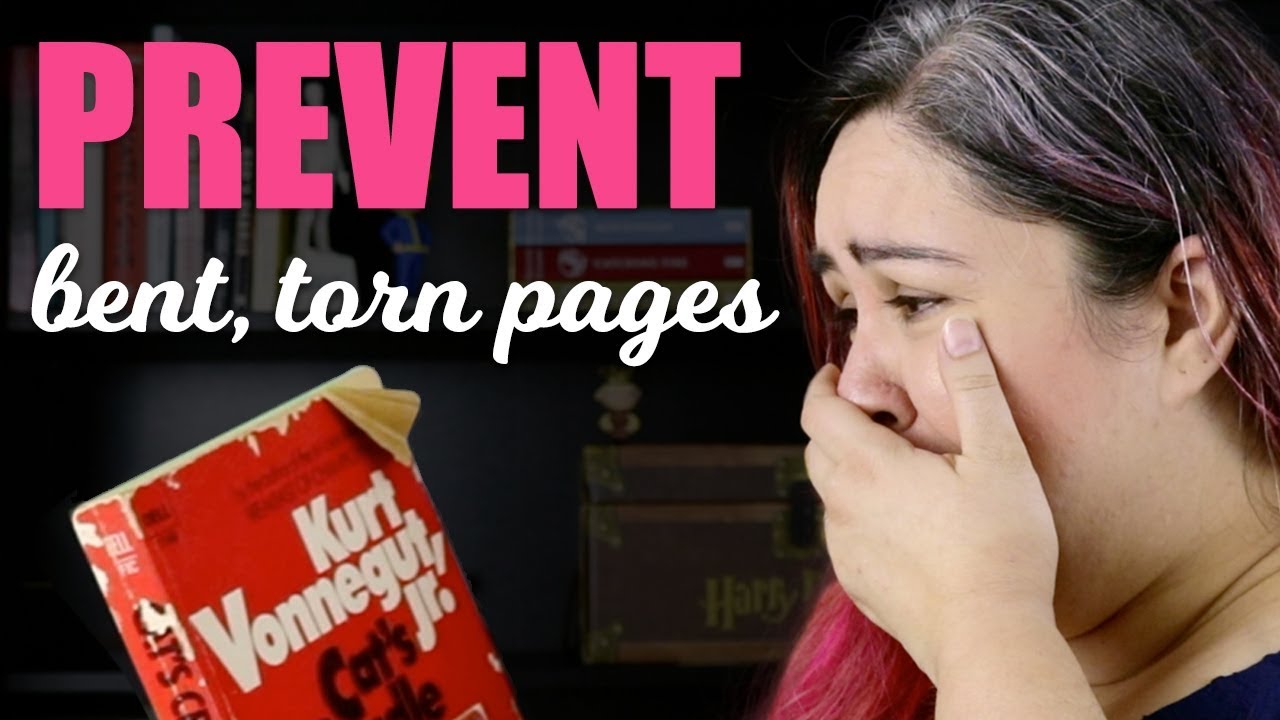
DIY options and quick fixes
Clear contact paper
- Wrap the cover in contact paper like a temporary dust jacket.
Old folder or cereal box
- Cut a cereal box to size. Slip it behind the book as a rigid backing.
Plastic sleeve from packaging
- Reuse clear packaging sleeves as waterproof barriers.
Binder clip and corner guards
- Use a clip to hold a loose cover and small foam for corners.
Cloth wrap
- Wrap books in a scarf or bandana as a soft sleeve in a pinch.
These DIY methods cost little and often work better than nothing. I’ve used the cereal-box trick for years while traveling. It kept paperback covers in good shape during a long bike trip.

Cleaning and long-term care
Spot clean gently
- Wipe covers with a soft, dry cloth. For small stains, use a barely damp cloth and dry immediately.
Avoid harsh chemicals
- Solvents strip ink and finish. Stick to mild soap and water if needed.
Repair small tears
- Transparent tape or archival repair tape stops tears from worsening.
Store upright at home
- Keep paperbacks upright on shelves. Avoid stacking too many on top of each other.
Re-cover when needed
- Replace worn protective films or sleeves before the cover gets damaged.
Routine care helps maintain books and is part of how to protect paperback covers backpack over the long term.

Travel and commuting tips
Use a dedicated book compartment
- Many backpacks have a laptop sleeve. Use it for books if padded.
Keep liquids separate
- Place water bottles in side pockets and not in the main book area.
Plan bag layout
- Pack fragile items first and bulky things last. This helps distribute pressure.
Check weather and pack accordingly
- On rainy days, add an extra waterproof layer or keep books in a dry bag.
Carry a small repair kit
- Include tape, a soft cloth, and a spare sleeve for quick fixes.
These tips lower the risk of damage and make it clear how to protect paperback covers backpack when you move around a lot.
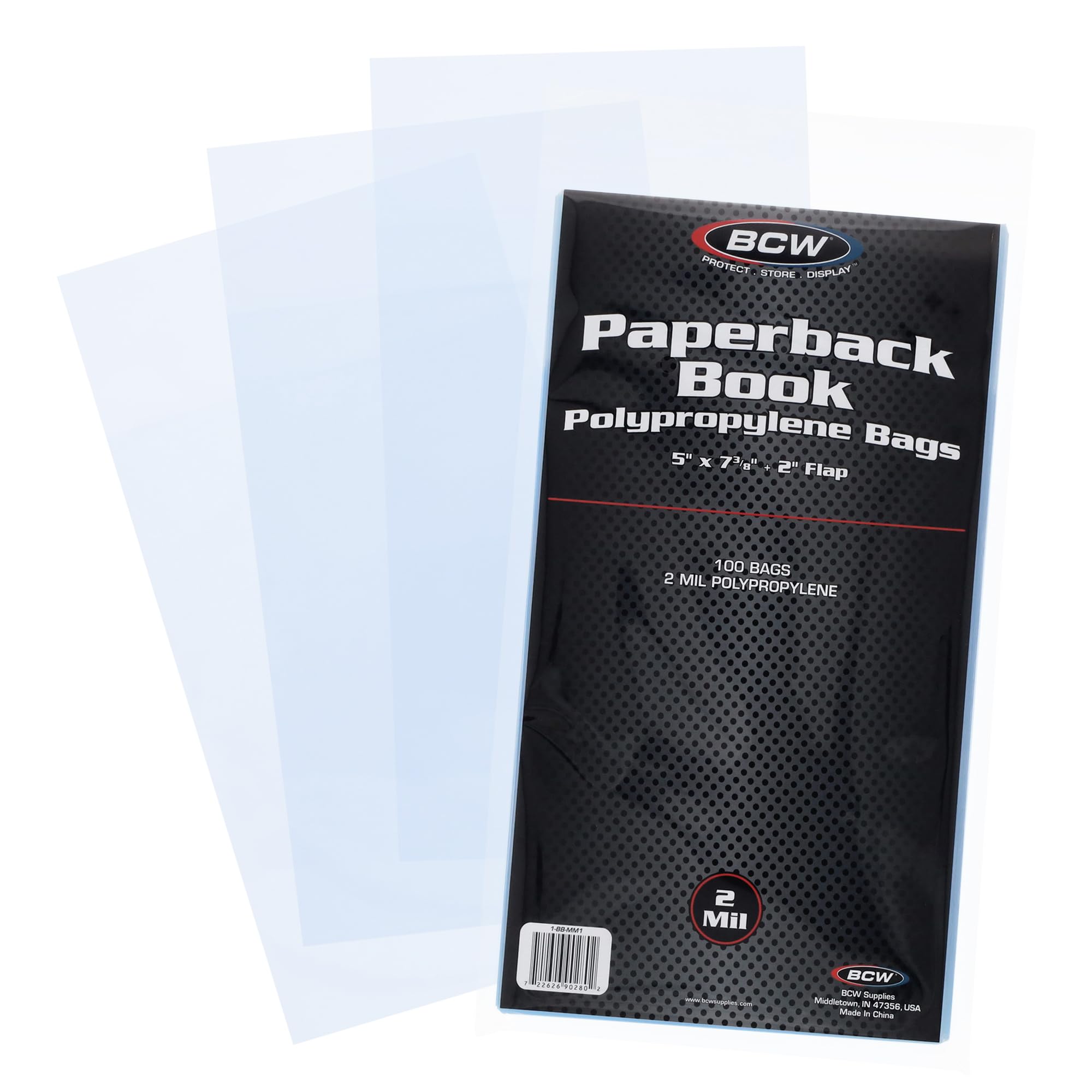
Personal experience and lessons learned
I once rode a packed commuter train with several paperbacks in my bag. A leaky water bottle ruined the edges of one book. Since then I always use zip-top bags and padded sleeves. I learned to place books against the back panel and separate them from chargers and metal items.
A mistake I made was relying on plastic bags alone. They stop water but not crushing. Combining a sleeve and a rigid backing proved far more effective. These real examples show practical ways to protect paperback covers backpack without spending much.

Buying guide: what to look for
Durability over aesthetics
- Pick sleeves that are sewn well and use quality zippers.
Right size matters
- A tight fit prevents movement. Too tight can stress the spine.
Materials to prefer
- Neoprene, polyester, and vinyl are durable and water-resistant.
Easy cleaning
- Look for wipeable surfaces for quick maintenance.
Price versus use
- For daily commuters, invest in a quality sleeve. For occasional use, a budget option may work.
Choosing the correct products simplifies how to protect paperback covers backpack effectively.
PAA-style quick questions
What is the best inexpensive way to protect paperbacks?
- Use a cereal-box backing and a zip-top bag. It’s cheap and effective for short trips.
Will a laptop sleeve work for books?
- Yes. A padded laptop sleeve adds protection against pressure and drops.
Can I use self-adhesive film on paperbacks?
- You can, but choose archival-quality film to avoid yellowing or glue damage.
Frequently Asked Questions of how to protect paperback covers backpack
How can I stop paperback corners from bending in my backpack?
Use corner protectors or slide the book into a padded sleeve with a rigid backing. Position the book against the backpack’s back panel to reduce pressure.
Is it safe to use plastic bags around books?
Yes, zip-top plastic bags keep moisture out but add limited protection from crushing. Combine them with a sleeve or rigid backing for full protection.
Will adhesive book covers damage paperback finishes?
Low-tack, archival adhesive covers are usually safe, but avoid strong solvents or cheap adhesives that may yellow over time. Test on a small area first.
How do I protect paperback covers when traveling by plane?
Place books in a padded sleeve, then in your carry-on close to you. Avoid checked luggage and use a rigid folder for extra support during transit.
Are there waterproof backpacks designed for books?
Some backpacks have waterproof compartments and padded sleeves designed for tech and books. Choose one with a sealed main compartment for the best protection.
Can I repair a creased paperback cover?
Flatten the crease gently under a heavy book for a day, and use a soft cloth to smooth fibers. For deep creases, a thin sheet of backing may help stabilize the area.
How often should I replace protective sleeves?
Replace them when seams fray or padding compresses. For heavy daily use, expect to replace sleeves every 1–2 years.
Do book socks protect against water?
Book socks protect from scratches and light dirt but offer minimal water protection unless made from waterproof fabric. Combine with a zip-top bag for moisture defense.
Is it okay to put a paperback in the same pocket as a laptop?
No. Laptops create pressure points and metal parts can scuff covers. Keep books in a separate padded sleeve or compartment.
What’s the cheapest way to protect multiple paperbacks?
Use a rigid cardboard backing for a stack of books and wrap the stack in a waterproof bag. This spreads pressure and keeps water out.
Conclusion
Protecting paperbacks in a backpack is simple when you use the right mix of padding, waterproofing, and smart packing. Start with a padded sleeve and a zip-top bag, add a rigid backing when needed, and keep sharp items separate. Small habits like placing books against the bag’s back and routine checks prevent most damage.
Take action today: pick one book and try the sleeve-plus-backup method on your next commute. Share your results, subscribe for more tips, or leave a comment about your favorite protection hacks.

Zayden Halbrook is a travel enthusiast and gear researcher passionate about making every journey smoother and more enjoyable. With a keen eye for practical travel essentials and real-world tips, he helps readers choose the right gear and travel smarter. When he’s not testing travel kits or exploring new destinations, Zayden shares simple, reliable advice to make every trip stress-free.