Packing a hiking backpack can feel confusing, especially if you are new to the trail. I remember my first long hike in the mountains. My pack was too heavy, and I couldn’t find things when I needed them. It made a hard day much harder.
Over the years, I learned how to pack smartly and travel with more comfort. In this guide, I’ll share everything I know about packing a hiking backpack the right way. You’ll learn clear steps, get real tips, and avoid common mistakes that can ruin your trip.
If you follow these steps, you’ll hike easier and enjoy the outdoors much more.
Understanding Your Hiking Trip
The first step is to think about your hike. Not every trip needs the same gear or packing style. Ask yourself these questions:
- How long is your hike? A day hike is different from a multi-day trek.
- What weather do you expect? Rain, snow, heat, or cold all need different gear.
- Where are you going? Mountains, forests, or deserts have different risks and needs.
- Are you going alone or with friends? You may share gear if you hike in a group.
I once packed for a short overnight hike with the same gear I used for a four-day trip. My bag was too heavy, and I carried things I didn’t use. Now, I always plan my gear list for each trip.
Beginner insight: Many new hikers pack “just in case” items that add weight but are rarely used. It’s better to choose items with multiple uses.
Choosing The Right Backpack
Your backpack is your mobile home. It carries everything, so it must fit well and be the right size.
Backpack Size
Backpacks are measured in liters. Here’s a quick comparison for common trip lengths:
| Trip Length | Backpack Size (Liters) | Notes |
|---|---|---|
| Day Hike | 15-30 | For water, snacks, and a jacket |
| Overnight (1-2 days) | 30-50 | Room for sleeping gear and extra clothes |
| Multi-Day (3+ days) | 50-70 | For food, stove, and more layers |
Choose a pack that fits your body size. Most stores will help you adjust the straps and hip belt. A good fit means most weight sits on your hips, not your shoulders.
Backpack Features
Look for these features in a hiking backpack:
- Padded hip belt for comfort and load transfer
- Adjustable straps for a custom fit
- Multiple pockets to organize gear
- Hydration sleeve for water bladder
- Rain cover or waterproof material
Expert tip: Try your pack with some weight inside before your trip. Walk around your home or go for a short walk to check comfort.
What To Pack: The Essential Gear
Packing light does not mean leaving out important items. Here’s a list of what you should always bring on a safe hike:
- Navigation: Map, compass, or GPS device
- Water: Enough for your hike, plus a filter or purifier
- Food: Snacks and meals for your trip, plus a little extra
- Clothing: Layers for warmth and weather, including rain gear
- Shelter: Tent, bivy, or emergency blanket for overnight trips
- First Aid Kit: Bandages, medicine, and blister care
- Knife or Multi-tool: For repairs and emergencies
- Fire: Lighter, waterproof matches, and fire starter
- Light: Headlamp or flashlight with spare batteries
- Sun Protection: Sunscreen, sunglasses, hat
These are called the “Ten Essentials. ” Even on short hikes, they can save your life.
Beginner mistake: Forgetting a first aid kit or enough water is common. Always double-check these before you leave.
How To Pack: Organizing Your Backpack
Now, let’s get to the heart of this guide: how to pack your hiking backpack.
Packing Zones
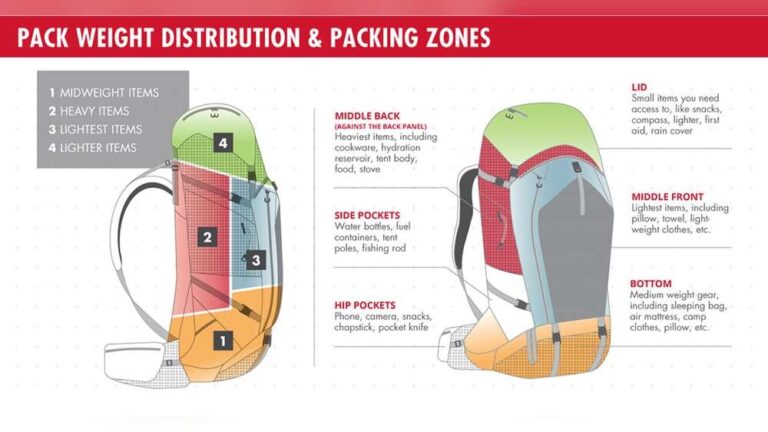
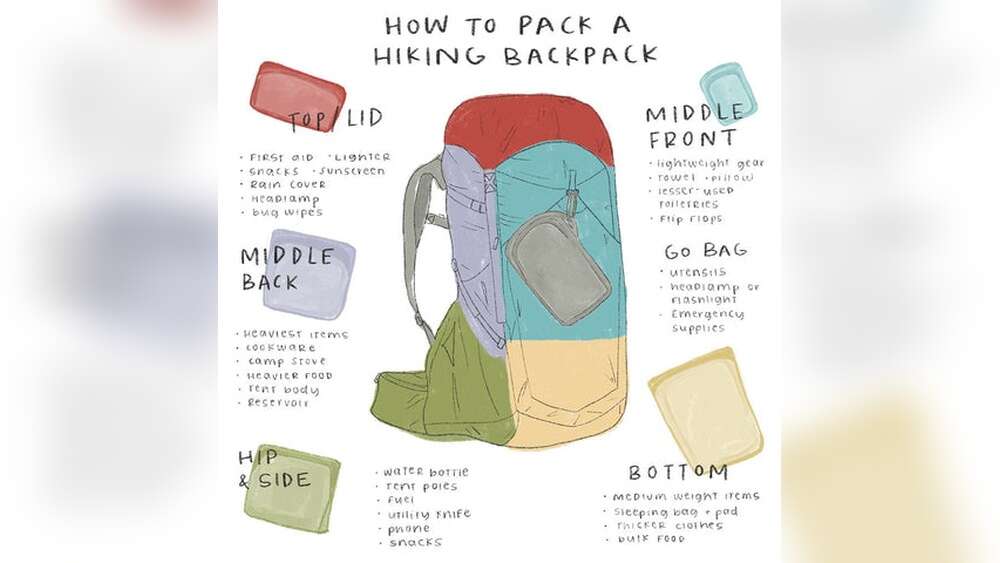
Think of your backpack in three main zones:
| Zone | What Goes Here |
|---|---|
| Bottom | Bulky, soft items (sleeping bag, sleeping pad, camp clothes) |
| Middle | Heavy items (food, water reservoir, stove, tent) |
| Top | Light, often-used items (rain jacket, snacks, map, first aid kit) |
Experience insight: When I packed my heavy food on top, my bag felt unstable and pulled on my shoulders. Placing heavy items in the middle and close to my back makes hiking much easier.
Packing Order And Steps
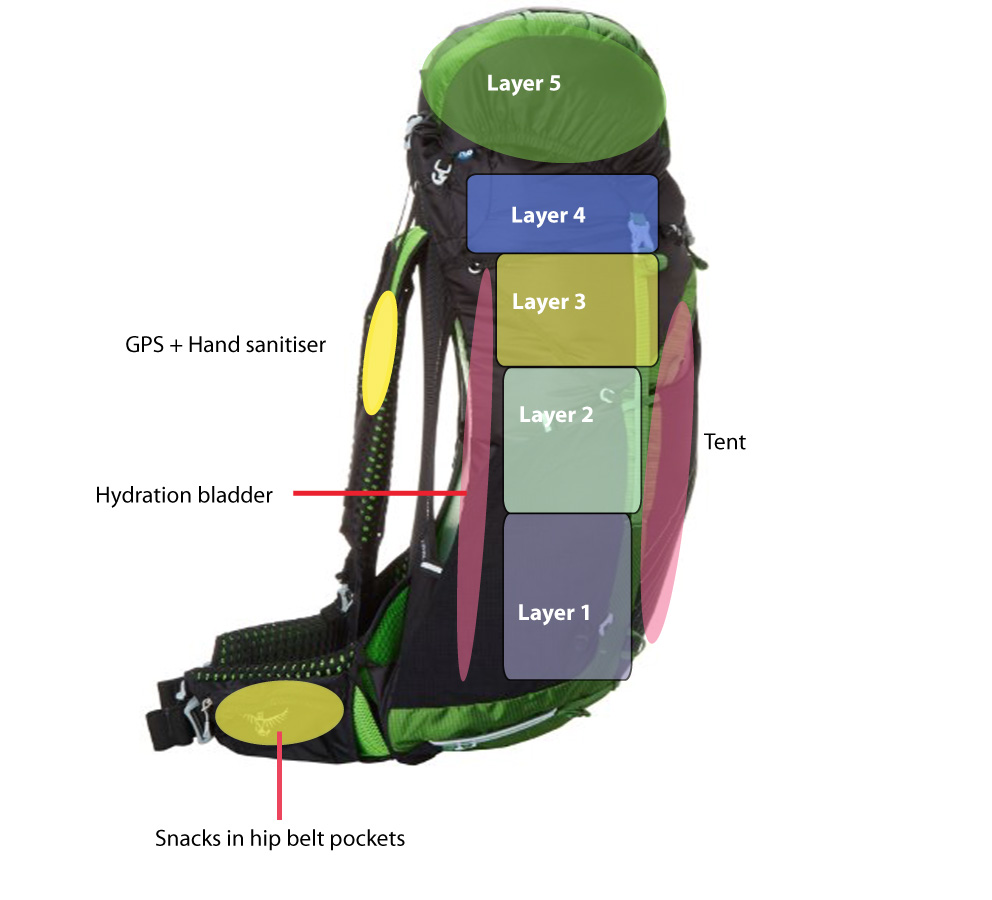
- Start with the sleeping bag. Put it at the very bottom. Use a waterproof stuff sack if possible.
- Add bulky, light items. Place your sleeping pad and camp clothes around the sleeping bag. They act as a cushion and fill empty spaces.
- Put heavy gear in the middle. Your tent, food bag, and water reservoir should be near your back and in the middle of the pack. This keeps your center of gravity close.
- Add lighter items to the top. Rain gear, first aid kit, snacks, and map go here for quick access.
- Use side pockets. Store water bottles, a small towel, or sunscreen for easy grabbing.
- Attach gear outside only if needed. Use loops for trekking poles or a foam pad. Avoid hanging too many things outside; they can get caught or lost.
Compression And Balance
Tighten the pack’s compression straps to keep the load stable. If the pack shifts side to side, it can tire you faster and cause falls.
Expert tip: Fill all empty spaces. For example, put socks inside your cooking pot. This saves space and keeps things from moving.
Packing For Weather And Season
Weather can change fast outdoors. Packing for the season is vital for safety and comfort.
Warm Weather
- Bring light, breathable clothes.
- Pack extra water and electrolyte tablets.
- Use a sun hat and sunscreen.
Cold Weather
- Pack thermal layers and a warm hat.
- Bring waterproof gloves and rain gear.
- Add a warmer sleeping bag.
Rainy Conditions
- Use a backpack rain cover.
- Pack clothes and sleeping gear in waterproof bags.
- Bring quick-dry clothes.
Personal story: On a cold spring hike, I packed an extra fleece jacket that I almost left at home. That night, temperatures dropped below freezing. That jacket made the difference between comfort and shivering.
Food And Water Packing Tips
Food and water are heavy but necessary. Here’s how to pack them smartly.
Water
- For day hikes, carry at least 2 liters of water. For multi-day, bring a water filter or purifier.
- Store your water bladder in the pack’s hydration sleeve or water bottles in side pockets.
- Know your water sources on the trail. Carry enough to reach the next one safely.
Food
- Pack calorie-dense foods: Nuts, dried fruit, energy bars, and instant meals.
- Avoid cans or glass; they are heavy and bulky.
- Pre-pack snacks in small bags for easy access on the move.
Data: Food and water often make up 60-70% of your pack’s starting weight on a multi-day hike.
Cooking Gear
- Bring a lightweight stove and fuel.
- Pack your pot, cup, and utensils together.
- Keep your stove and fuel away from food to prevent leaks.
Expert tip: Practice using your stove at home before your trip. I once struggled to light my new stove in the rain because I hadn’t tested it earlier.

Credit: seatosummit.com
Clothing: What And How To Pack
Choosing the right clothes can mean the difference between an enjoyable hike and a miserable one.
Clothing System
Pack your clothes in layers:
- Base layer (moisture-wicking shirt and underwear)
- Mid layer (fleece or light jacket for warmth)
- Outer layer (rain jacket, windbreaker)
- Extra socks and underwear
Always pack one extra set of clothes in case you get wet. Use a small dry bag for these.
Packing Tips
- Roll clothes instead of folding to save space.
- Use zip bags or packing cubes to organize.
- Keep rain gear at the top for fast access.
Non-obvious insight: Cotton clothes can hold water and chill you. Use synthetic or wool layers instead.
First Aid And Emergency Gear
Never skip your first aid kit. Small accidents can become big problems far from help.
What To Include
- Adhesive bandages
- Gauze pads and tape
- Pain relief (ibuprofen or aspirin)
- Antiseptic wipes
- Blister treatment (moleskin)
- Tweezers and safety pins
- Any personal medicines
Emergency Items
- Whistle
- Emergency blanket
- Extra batteries for your headlamp
- Small mirror for signaling
Pack these in a top pocket or somewhere you can reach fast.

Credit: stogagirlssoccer.com
Organizing Small Items
Small items can get lost in a big pack. Here’s how to keep things organized:
- Use small zip bags for toiletries and electronics.
- Keep a separate bag for trash; pack out everything you bring.
- Store your wallet, phone, and keys in a zip pocket or hidden pouch.
Non-obvious insight: Always keep a small amount of cash and a list of emergency contacts in a waterproof bag.
Keeping Your Pack Dry
Wet gear can ruin a trip. Here’s how to keep everything dry:
- Use a pack rain cover during rain or snow.
- Pack clothes and sleeping bags in waterproof stuff sacks or plastic bags.
- Line your backpack with a big trash bag for an extra waterproof layer.
Credit: australianhiker.com.au
Adjusting And Wearing Your Backpack
A well-packed backpack still needs to be worn correctly.
How To Put On Your Pack
- Loosen all the straps.
- Lift the pack using the haul loop (not the shoulder straps).
- Put on the hip belt first, then adjust shoulder straps.
- Tighten the load lifters and chest strap.
Adjust For Comfort
- The hip belt should sit on your hip bones, not your waist.
- Shoulder straps should wrap around your shoulders, not dig in.
- The pack should not sway or bounce as you walk.
Experience-based tip: Take breaks to adjust your straps. Small changes can prevent pain and blisters over long distances.
Common Packing Mistakes To Avoid
Even experienced hikers make mistakes. Here’s what to watch out for:
- Overpacking: Only bring what you need. Heavy packs slow you down and tire you out.
- Poor weight balance: Keep heavy gear close to your back and in the middle.
- Ignoring weather: Always check the forecast and pack rain gear and warm layers.
- Items dangling outside: These can get lost or damaged. Pack as much as possible inside.
- Forgetting small essentials: Don’t leave behind things like a headlamp or map.
Packing For Group Vs. Solo Hikes
If you hike with others, you can share some gear:
- One stove and fuel for the group
- Shared tent or shelter
- Group first aid kit
Divide weight evenly so no one carries too much. For solo hikes, you must bring all essentials yourself.
Expert tip: Talk with your group before the trip to decide who brings what. I once joined a hike where three people brought stoves, and no one brought a map!
Packing For Different Backpack Types
Not all backpacks are the same. Here’s a quick comparison:
| Backpack Type | Main Feature | Packing Style |
|---|---|---|
| Top-loading | Single opening at the top | Pack in layers, keep essentials at the top |
| Front-loading (panel) | Opens like a suitcase | Easy access to all items, organize with packing cubes |
| Frameless | Light, no support frame | Pack tightly, use clothing to add structure |
Choose the style that fits your needs and comfort level.
Final Pre-trip Checklist
Before you leave, do a last check:
- Try on your fully packed backpack. Walk around your house or block.
- Make sure you can reach water, snacks, and rain gear easily.
- Double-check that nothing is forgotten, especially first aid and maps.
- Tell someone your hiking plan and expected return time.
A little preparation makes your hike safer and more fun.
Frequently Asked Questions
How Much Should My Hiking Backpack Weigh?
Your packed backpack should weigh no more than 20-25% of your body weight. For example, if you weigh 150 pounds (68 kg), your pack should be no heavier than 30-37 pounds (14-17 kg). For day hikes, aim for even less. Carrying a lighter pack reduces fatigue and injury risk.
Where Should I Put My Sleeping Bag In My Backpack?
Put your sleeping bag at the bottom of your backpack. Use a waterproof stuff sack. This keeps it safe from water and saves space for heavier gear higher up, improving balance and comfort.
How Do I Keep My Food Safe From Animals?
Store your food in odor-proof bags and use a bear canister or hang it from a tree if needed. Never keep food in your tent. Research local wildlife rules and always clean up food scraps. More info can be found at the National Park Service.
Can I Use Any Backpack For Hiking?
While any backpack can carry items, hiking backpacks are better designed for comfort, support, and organization. They have padded hip belts, adjustable straps, and materials built for the outdoors. For long or multi-day hikes, a proper hiking pack is much more comfortable.
What Is The Best Way To Organize Small Items In My Pack?
Use small zip bags or packing cubes for items like toiletries, medicine, and electronics. Put essentials (map, snacks, first aid) in top or side pockets for fast access. Keep valuables and emergency info in a waterproof pouch.
Packing your hiking backpack well can make your trip safer, easier, and much more enjoyable. With these tips, real experiences, and expert advice, you’re ready for the trail. Always adjust your packing for your own needs and trip length. Happy hiking!

Zayden Halbrook is a travel enthusiast and gear researcher passionate about making every journey smoother and more enjoyable. With a keen eye for practical travel essentials and real-world tips, he helps readers choose the right gear and travel smarter. When he’s not testing travel kits or exploring new destinations, Zayden shares simple, reliable advice to make every trip stress-free.