Packing clothes in a backpack is easiest when you plan outfits first, limit duplicates, and place each item where it is easy to reach. Roll or fold clothes based on the fabric, use small packing cubes or bags to group items, and keep heavy items close to your back.
For travelers in the United States, this method works for road trips, weekend stays, college travel, hiking trips, and flights within or from the country. If you plan to use your backpack as a carry-on, check your airline’s current size and weight rules before you pack. Airlines can set different limits, even on similar routes.

Start With a Clothing Plan
The best way to pack clothes in a backpack is to pack complete outfits instead of random items. This keeps the bag smaller and makes it easier to get dressed without unpacking everything.
Before you open your backpack, check:
- How many days you will be away
- The weather at your destination
- Whether you can wash clothes
- The activities you plan to do
- Whether you need formal, work, or special clothing
- Whether you will fly, hike, or carry the bag for long periods
A short trip does not always need one outfit per day. Many travelers can wear pants or outer layers more than once. Shirts, socks, and underwear usually need more frequent changes.
Use the one-week clothing rule
For many trips, start with:
- 3 to 5 shirts
- 2 pairs of pants, shorts, or skirts
- 5 to 7 pairs of underwear
- 4 to 7 pairs of socks
- 1 light jacket or sweater
- 1 sleep outfit
- 1 pair of walking shoes
- 1 pair of activity-specific shoes, if needed
This is a starting point, not a fixed rule. A business trip, winter trip, or camping trip may need different clothing.
If you can wash clothes during the trip, pack for about three or four days. A small amount of laundry can cut your clothing load nearly in half. For a longer trip, focus on clothes that match each other rather than packing a separate outfit for every day.
Choose clothes that work together
Pick a simple color set. Neutral colors such as black, gray, navy, tan, and white are easy to mix. Then add one or two colors for variety.
A useful outfit test is this: each shirt should work with at least two bottoms. If it does not, ask whether the item earns space in your backpack.
Choose clothing that is:
- Light
- Easy to wash
- Quick to dry
- Comfortable for long wear
- Suitable for more than one activity
- Not likely to wrinkle badly
Avoid packing “just in case” clothes unless the risk is real. For example, a rain shell makes sense in a wet forecast. A third heavy sweater may not.
Select the Right Backpack and Prepare It
Your backpack should fit the trip, not the other way around. A small daypack may work for an overnight stay, while a travel backpack may be better for several days. Hiking packs often have more support, but they may not open as easily as travel packs.
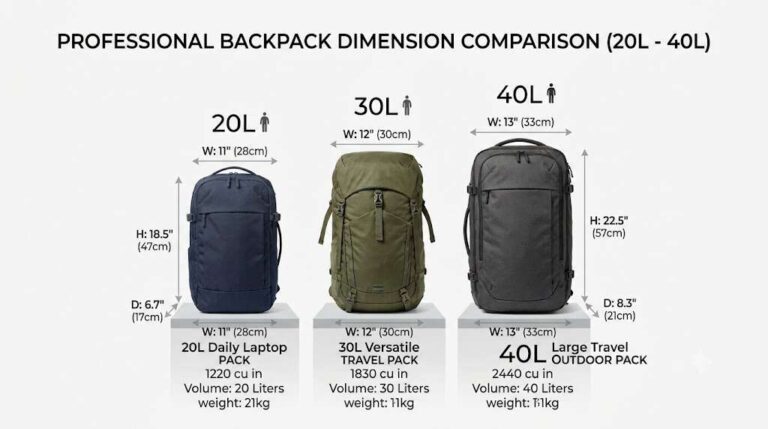
Common backpack sizes include:
| Trip type | Common useful capacity | What it may hold |
|---|---|---|
| Overnight trip | 15–25 liters | One change of clothes and basic items |
| Weekend trip | 25–40 liters | Several outfits and toiletries |
| One-week light trip | 35–50 liters | A small capsule wardrobe and travel gear |
| Cold-weather trip | 45 liters or more | Bulky layers and extra footwear |
These are general planning ranges, not airline rules. A backpack’s shape, pockets, fabric, and compression system affect how much it can hold. Always check the bag’s outside dimensions and your airline’s carry-on policy.
Prepare clothes before loading the bag
Lay everything on a bed or floor before packing. Remove duplicates and place similar items together.
Make separate groups for:
- Clothes
- Shoes
- Toiletries
- Electronics
- Documents
- Dirty laundry
- Weather gear
Do not pack until you can see the full load. This simple step often reveals that you have too many shirts, too many shoes, or bulky items that will not fit well.
Wear your heaviest shoes and jacket while traveling when practical. This leaves more room in the backpack and can reduce the need to force the bag closed.
Use packing cubes with a purpose
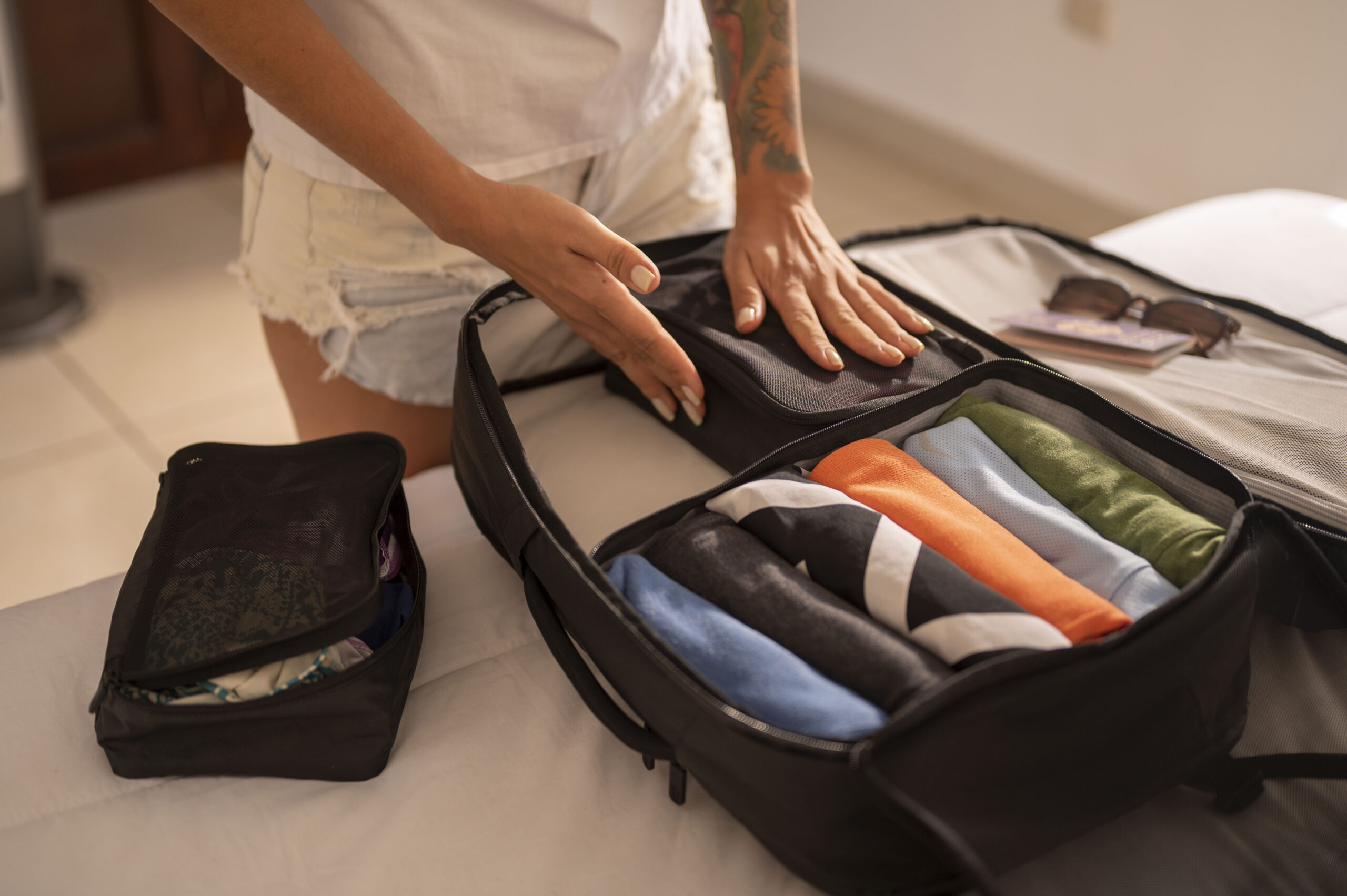
Packing cubes can make a backpack easier to organize, but they do not create extra space. A large cube may waste room in a narrow bag. Soft pouches, compression cubes, or simple zip bags may fit better.
Use separate containers for:
- Clean tops
- Bottoms
- Underwear and socks
- Sleepwear
- Dirty clothes
- Swimwear
- Small accessories
Do not over-compress delicate clothing. Strong compression can cause deep wrinkles and may damage fragile fabric over time.

How to Place Clothes Inside the Backpack
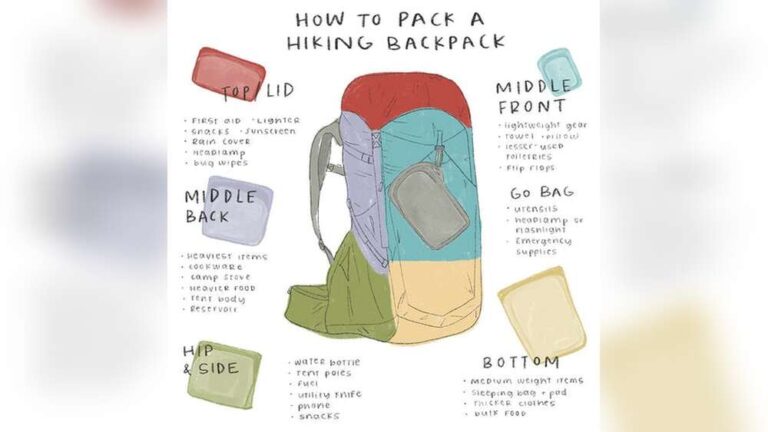
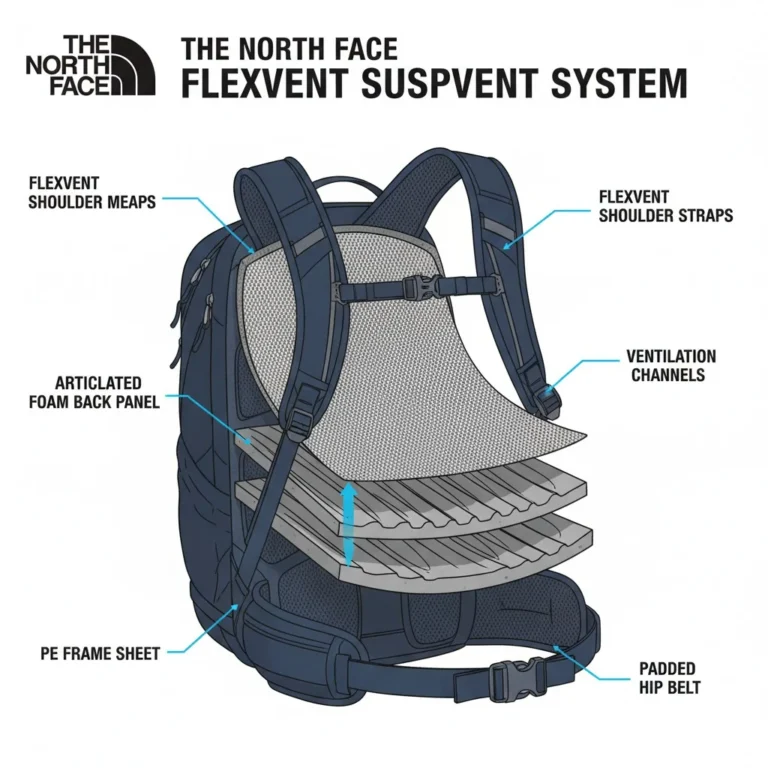
Pack heavy items near the middle of your back, lighter items away from your back, and items you need soon near the top or in outer pockets. This arrangement improves balance and makes the backpack feel less tiring.
A practical loading order is:
- Put soft, light items at the bottom.
- Add shoes in bags along the sides or near the bottom.
- Place rolled or folded clothing in the middle.
- Put heavier items close to the back panel.
- Add a jacket or sweater near the top.
- Keep travel documents, snacks, and liquids in easy-to-reach pockets.
Bottom of the backpack: soft and low-use items
Use the bottom for items you will not need until you reach your destination, such as:
- Sleepwear
- Extra underwear
- A small towel
- Soft accessories
- A light bag for laundry
Do not put hard objects at the bottom if they may press into your back or damage other items.
Middle: your main clothing load
Place your main clothing bundle in the middle of the bag. Keep the weight centered instead of pushing it to one side.
If your backpack has a frame, follow the maker’s guidance for loading it. In general, heavy items should sit close to your body, around the middle of the pack. This reduces the pulling force on your shoulders.
Top and outer pockets: items you need first
Keep these items near the top:
- A first-change outfit
- Rain jacket
- Light sweater
- Travel documents
- Phone charger
- Snacks
- Medication
- Hand sanitizer
- Toiletries needed during the trip
For flights in the United States, keep liquids in a clear, easy-to-remove bag if you plan to use a security checkpoint. The Transportation Security Administration’s current liquids guidance is commonly called the 3-1-1 rule: containers are generally limited to 3.4 ounces or less and must fit in one quart-size bag per passenger. Check TSA.gov before travel because exceptions and screening procedures can apply.
Medication, infant supplies, and medically necessary liquids may have different rules. Pack them where you can explain or remove them easily.

Rolling Clothes vs. Folding Clothes
Rolling clothes can save space and make small items easy to see. Folding works better for structured or delicate clothing. For most backpacks, a combination of both methods is more useful than choosing only one.
Roll soft, casual clothing
Rolling works well for:
- T-shirts
- Leggings
- Shorts
- Sleepwear
- Athletic clothing
- Underwear
- Thin sweaters
Lay the item flat, fold sleeves inward if needed, and roll from one end to the other. Make firm rolls, but do not crush the fabric.
Small rolls fit well around the edges of a backpack. They can also fill gaps between packing cubes and shoes.
Fold structured clothing
Fold these items instead of tightly rolling them:
- Dress shirts
- Blazers
- Linen garments
- Sweaters that may stretch
- Pleated skirts
- Clothing with stiff collars
- Delicate fabrics
For a dress shirt, button it, fold the sleeves across the back, and fold the shirt once or twice. Place it near the top of the backpack or inside a garment folder if wrinkles matter.
A jacket may need to stay on a hanger until you arrive. If you must pack it, turn it inside out, fold the shoulders inward, and place it above heavier items.
Try the bundle method for wrinkle control
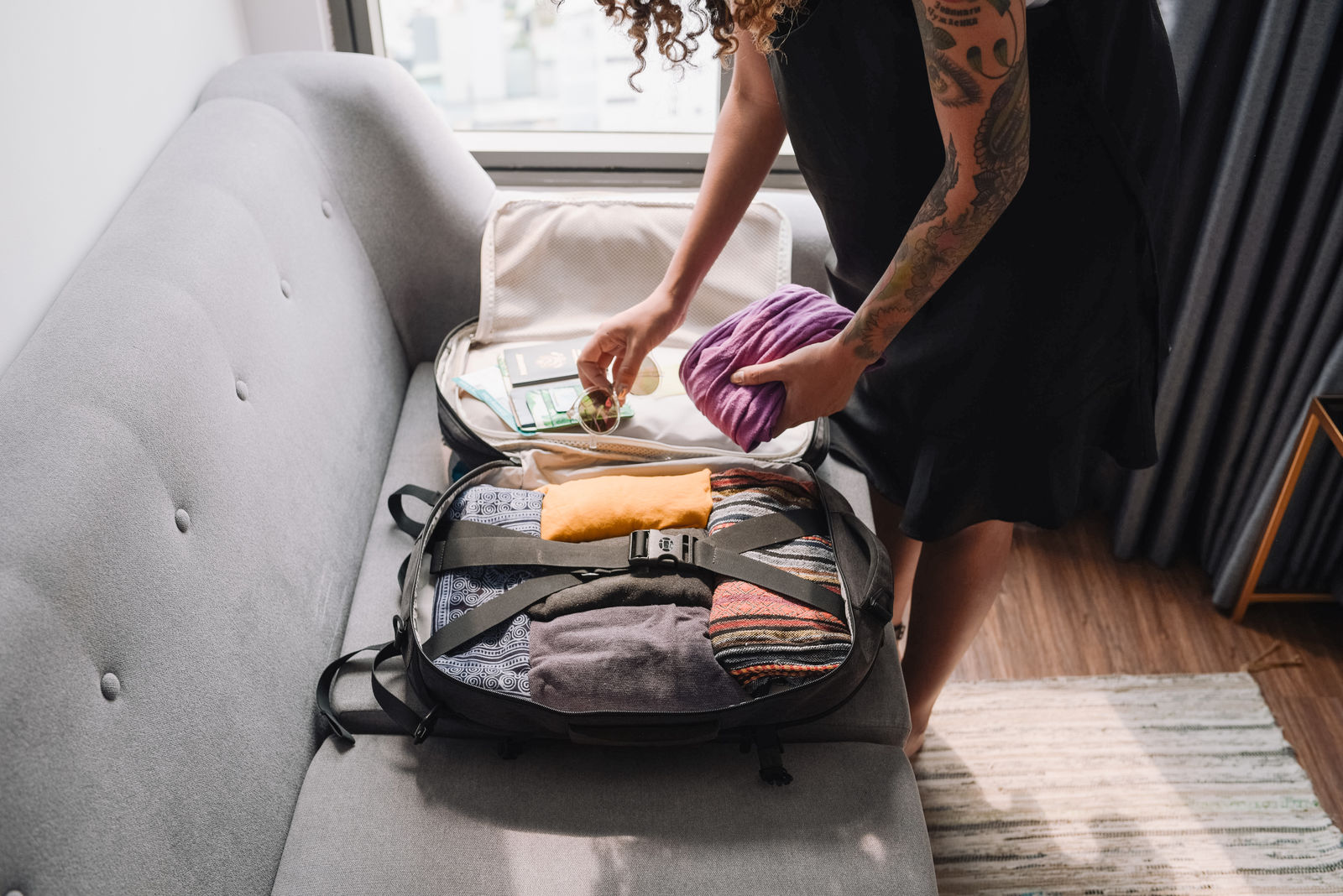
The bundle method wraps smaller clothing around a central item, such as a packing cube or soft pouch. It reduces sharp fold lines because the clothes form a loose bundle rather than many tight layers.
This method works best when:
- You have several wrinkle-prone items
- Your bag has one large compartment
- You do not need to access each item separately
It works less well when you need quick access to socks, underwear, or separate outfits.
Pack Shoes, Jackets, and Bulky Items
Shoes often take more space than any other clothing item. Limit yourself to the pairs that serve a clear purpose.
A practical shoe plan is:
- Wear your largest pair while traveling
- Pack one lighter pair if needed
- Add special shoes only when your activities require them
Put shoes in a washable shoe bag or plastic bag. Place socks, belts, or small accessories inside the shoes to use empty space. Keep shoe soles away from clean clothing.
Jackets and hoodies can take up a large part of a backpack. Wear the bulkiest layer when possible. If you need to pack it, compress it loosely or use the backpack’s outer straps. Do not attach too many loose items to the outside, especially when traveling through crowded areas or boarding an aircraft.
For cold weather, use layers instead of one very thick garment:
- Base layer
- Warm middle layer
- Windproof or waterproof outer layer
Layers give you more options and may pack better than a single bulky coat. However, cold-weather travel may require a larger pack because insulated clothing has a high volume.

Keep Clean and Dirty Clothes Separate
A separate laundry bag prevents worn clothes from mixing with clean items. A lightweight drawstring bag works well and adds little bulk.
When you use an item, place it in the laundry bag instead of returning it to the clean clothing section. If the garment is damp, let it dry before sealing it. Moisture trapped in a closed bag can cause odor and may encourage mildew.
For hand washing:
- Wash small items in a sink or basin with suitable soap.
- Rinse until the water runs clear.
- Press out water without twisting delicate fabric.
- Roll the item in a towel and press gently.
- Hang it where air can move around it.
Check local lodging rules before washing clothes in a hotel or rental. Some fabrics need special care, and not every item will dry overnight.
Pack a few small laundry supplies if useful:
- A lightweight laundry bag
- A small amount of suitable detergent
- A sink stopper or universal plug
- A few clothespins
- A thin travel clothesline, where permitted and practical
Do not rely on a travel clothesline if the weather is humid or the room has poor airflow. Build in enough time for clothes to dry.