Luggage is expensive because durable materials, strict testing, skilled labor, and airline demands raise production and retail costs.
If you have ever compared a $40 suitcase with a $400 model, you may wonder why is luggage so expensive when both seem to do the same job. The answer lies in materials, wheel systems, quality control, brand costs, supply chains, and the price of protecting your belongings during stressful travel. This guide breaks down the real costs so you can choose luggage with confidence instead of paying for features you do not need.
Why Is Luggage So Expensive?
The simple answer to why is luggage so expensive is that good luggage must survive rough handling, heavy weight, weather, and repeated movement. A suitcase is not just a fabric box. It includes a shell, frame, wheels, handles, zippers, lining, locks, stitching, and many small parts that must work together.
Airline baggage systems are especially hard on luggage. Bags may be dropped, pushed along conveyor belts, stacked under heavy items, and exposed to rain or heat. A cheap suitcase may look fine in a store but fail after only a few trips.
The final price also includes more than manufacturing. Brands must cover design, testing, shipping, warehouse costs, retailer margins, warranty service, marketing, and taxes. Premium luggage often costs more because the company invests in better materials and supports the product after purchase.
The Main Factors That Increase Luggage Prices
Material quality
Materials are one of the biggest reasons why is luggage so expensive. A suitcase made with thin polyester will usually cost less than one made with high-density nylon, polycarbonate, aluminum, or a strong composite material.
Common luggage materials include:
- Polyester: Affordable and light, but often less resistant to tearing and abrasion.
- Nylon: Stronger than basic polyester and often used in better soft-sided bags.
- Ballistic nylon: Dense and highly durable, though it can add weight and cost.
- Polycarbonate: A flexible hard-shell plastic that resists cracking better than many cheaper plastics.
- Aluminum: Strong, rigid, and stylish, but heavy and expensive.
- Aluminum-magnesium alloy: Lighter than standard aluminum and often found in luxury luggage.
Material quality affects how a suitcase handles impact, moisture, scratches, and long-term wear. A strong material costs more to produce, but it can prevent the need to replace the bag after one damaged trip.
Wheels and wheel housings
Wheels may look small, but they strongly affect the price of luggage. Good wheels roll smoothly, turn easily, and stay attached when the bag is pulled over rough sidewalks.
Two-wheel luggage often has larger wheels and can perform well on uneven ground. Four-wheel spinner luggage is easier to move through airports because it can roll in any direction. However, spinner wheels need stronger housings, bearings, and attachment points.
Premium wheel systems may include:
- Larger rubber-coated wheels
- Sealed bearings
- Shock-resistant wheel housings
- Replaceable wheel parts
- Multi-directional movement
- Quiet rolling performance
The wheel design also changes the cost of repairs. A suitcase with simple built-in wheels may be cheaper, while one with replaceable wheel modules costs more at the start but may last longer.
Handles and frame systems
A telescoping handle takes a great deal of stress. Travelers pull it across uneven pavement, lift the suitcase by it, and sometimes lean on it while waiting in line. Weak handles bend, stick, or break.
More expensive luggage may use:
- Aircraft-grade aluminum handle tubes
- Reinforced handle anchors
- Multiple height settings
- Wider grip areas
- Internal frame support
- Better locking buttons
Hard-sided luggage can also include a metal frame instead of a zipper closure. This design may improve security and structure, but it requires more parts and more careful assembly. That is another reason why is luggage so expensive in the premium market.
Zippers, locks, and closures
Zippers are among the most common failure points in luggage. A broken zipper can make a suitcase unusable even when the shell and wheels remain perfect.
Higher-priced bags may use stronger zipper teeth, water-resistant coatings, reinforced stitching, and better zipper pulls. Some include an integrated combination lock that meets standards for airport security screening.
A lock does not make a suitcase impossible to open. It mainly helps prevent casual access and keeps the bag closed during handling. A good closure system adds convenience, security, and manufacturing cost.

Why Brand-Name Luggage Costs More
Brand reputation explains another part of why is luggage so expensive. Established luggage companies spend years building trust through product testing, warranty programs, customer service, and retail partnerships.
A recognized brand may charge more for several reasons:
- Product research and industrial design
- Laboratory and travel testing
- Warranty support
- Replacement parts
- Retail store expenses
- Advertising and sponsorships
- Customer service teams
- Brand reputation
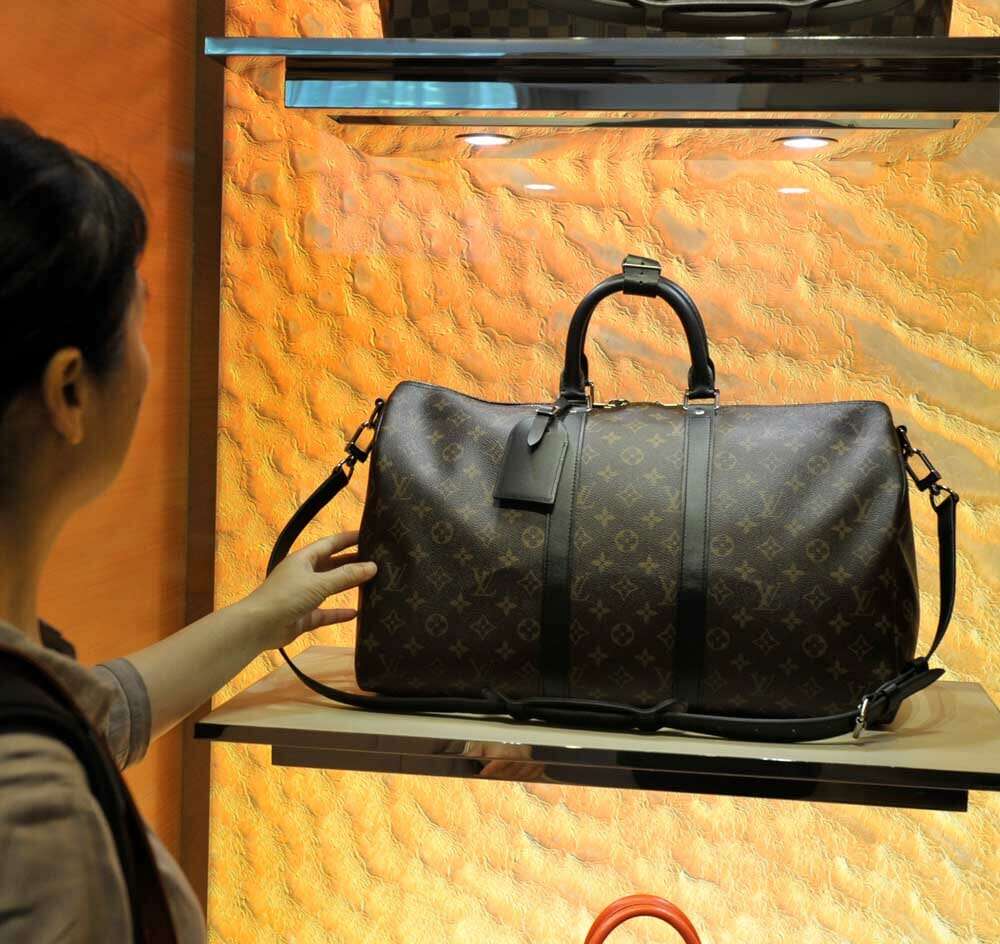
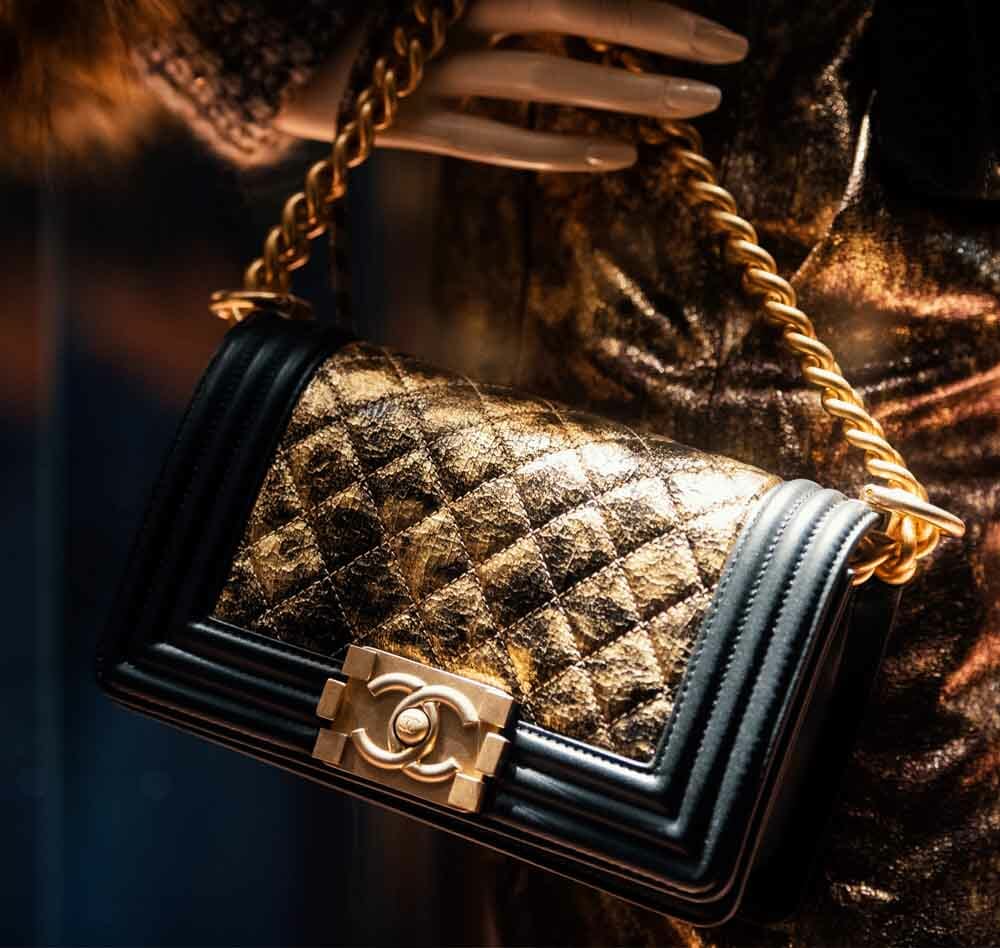
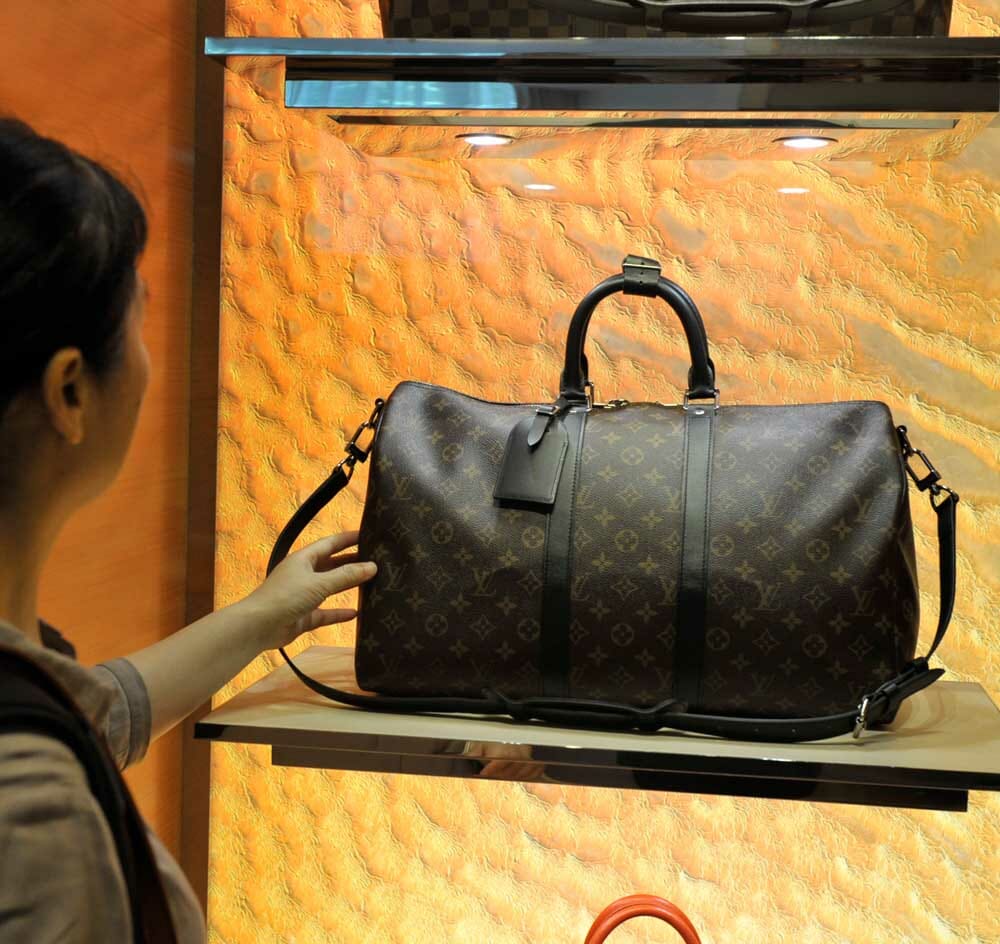
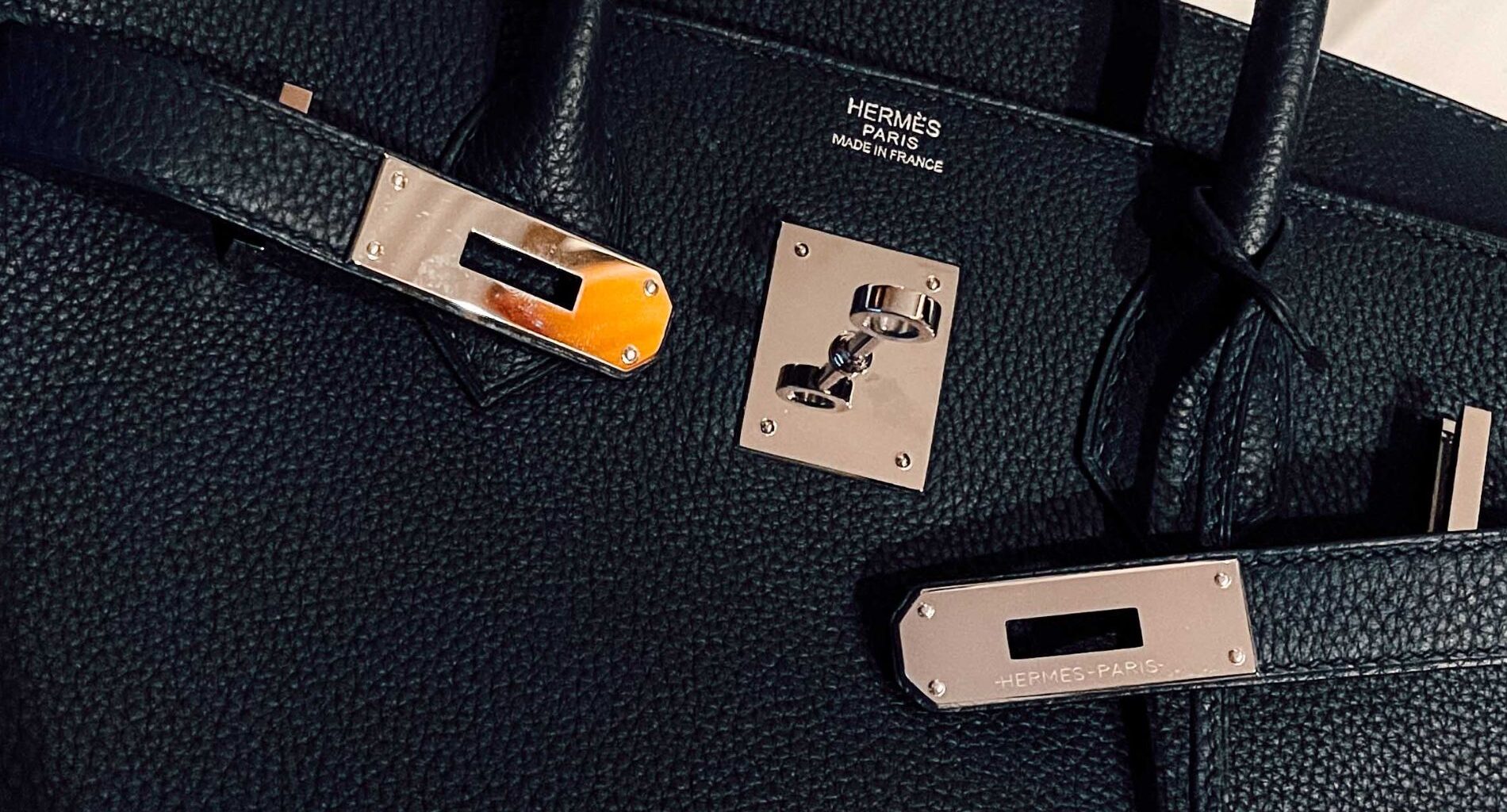
Some of the price is also based on image. Luxury luggage brands may use special finishes, designer patterns, premium packaging, or limited collections. These details can make the bag attractive, but they do not always improve durability.
A well-known logo can be valuable, but it should not be the only reason you buy. Compare the warranty, wheel quality, shell thickness, handle design, repair policy, and real customer feedback before paying more.
How Manufacturing and Supply Chains Affect Price
Luggage often travels through a long supply chain before it reaches a store. Raw materials may come from several countries. Parts may be made in different factories, then assembled, inspected, packed, shipped, and stored.
The price can rise at every stage due to:
- Plastic, aluminum, fabric, and metal costs
- Factory wages and energy use
- Shipping and fuel prices
- Import duties and customs fees
- Warehouse storage
- Retailer operating costs
- Currency changes
- Product returns and damaged stock
Large hard-shell suitcases also take up a lot of space. Even when they are light, they are bulky to ship. Retailers must pay to move and store them, which can increase the price you see on the shelf.
A low-cost suitcase may be inexpensive because it uses simpler parts, lower-cost labor, thinner materials, or fewer quality checks. That does not automatically make it bad. It means the company has made different tradeoffs.
Testing and Quality Control Add Hidden Costs
Reliable luggage needs testing before it reaches travelers. Manufacturers may test wheels, handles, zippers, seams, locks, and shell impact resistance.
Testing can include:
- Pull tests for telescoping handles
- Drop tests for filled suitcases
- Wheel rolling tests
- Zipper cycle tests
- Rain or moisture tests
- Weight and load tests
- Abrasion tests for fabric
- Temperature and impact tests for shells
Not every brand publishes detailed test results, so shoppers should be cautious about broad claims such as “unbreakable” or “indestructible.” No suitcase is truly indestructible. Even premium luggage can be damaged by rough handling, overpacking, or uneven surfaces.
Airlines and transport systems also create strict demands. A checked bag may face a very different environment from a carry-on bag. This is why a suitcase designed for frequent checked travel may cost more than a lightweight bag intended for occasional weekend trips.
Is Expensive Luggage Actually Better?
Expensive luggage can be better, but a higher price does not guarantee better value. The best luggage depends on how, where, and how often you travel.
Premium luggage often provides:
- Better wheels
- Stronger handles
- More durable materials
- Better interior organization
- Longer warranties
- Easier access to spare parts
- Improved repair support
Still, a costly suitcase may be a poor choice if it is too heavy, too large, or difficult to repair. Some luxury hard-shell bags look beautiful but show scratches quickly. Some lightweight bags are easy to carry but offer less protection.
The right question is not only why is luggage so expensive. Ask whether the extra cost solves a problem you actually have.
For example:
- A frequent business traveler may benefit from strong wheels and a reliable warranty.
- A family taking one vacation each year may prefer a mid-range suitcase.
- A student moving between home and school may value capacity and easy repairs.
- A backpacker may prefer light soft-sided luggage over a heavy aluminum case.
How Much Should You Spend on Luggage?
There is no single correct luggage budget. Price should match your travel habits, not your desire to own the most expensive brand.
A general guide looks like this:
- Budget luggage: Often under $100 per piece and suitable for light or occasional use.
- Mid-range luggage: Often about $100 to $300 and may offer a better balance of durability and price.
- Premium luggage: Often $300 or more, with stronger materials, better parts, and longer support.
- Luxury luggage: May cost hundreds or thousands of dollars, with a major focus on design, brand, and materials.
Prices vary widely by size, sales, materials, and region. A carry-on may cost more per pound than a large checked suitcase because it uses complex features in a smaller design.
A useful buying rule is to consider the cost per trip. If a $250 suitcase lasts ten years of regular travel, it may be cheaper over time than replacing a $70 suitcase every two years.
How to Save Money on Expensive Luggage
You do not need to buy the most expensive suitcase to get good performance. Smart comparison can help you avoid both poor quality and unnecessary luxury pricing.
Buy during seasonal sales
Luggage often goes on sale before summer vacations, after the holiday season, and during major shopping events. Clearance sales can offer strong value, but check the return policy and warranty first.
Focus on parts that matter
Spend more on wheels, handles, zippers, and fabric or shell strength. Features such as built-in laundry bags, charging ports, and special compartments may be useful, but they should not distract you from the basics.
Choose the right size
Oversized luggage can encourage overpacking and may lead to extra airline fees. A well-designed carry-on or medium checked bag may offer better value than a large suitcase you rarely fill.
Check repair support
A suitcase with replaceable wheels, handles, or zipper parts may last longer. Before buying, look for repair information and confirm whether the brand sells replacement parts.
Read the warranty carefully
A long warranty sounds impressive, but some warranties cover only manufacturing defects. They may exclude airline damage, normal wear, scratches, stains, and accidental damage.
Consider open-box and refurbished luggage
Open-box luggage can cost less while offering the same design and materials. Inspect it for wheel damage, missing accessories, odors, and signs of use. Buy only from a seller with a clear return policy.
Common Mistakes That Make Luggage Cost More
Many travelers spend more than necessary because they choose features without considering real use.
Avoid these mistakes:
- Buying a heavy suitcase that reduces your packing allowance
- Choosing a large bag for short trips
- Paying for a famous logo without checking build quality
- Ignoring wheel alignment and handle movement
- Buying a bag with no repair or parts support
- Assuming a hard shell is always stronger than a soft side
- Overlooking airline size and weight limits
- Skipping the warranty terms
- Packing beyond the zipper or expansion panel limit
When I compare luggage designs, the most useful lesson is simple: small mechanical parts often matter more than visual style. A bag may look impressive, but loose wheels and a weak handle can ruin a trip faster than a few surface scratches.
Test a suitcase in the store when possible. Pull the handle up and down. Turn each wheel. Open every zipper. Check whether the bag stands upright without tipping. These simple steps can reveal problems before you spend your money.
Hard-Shell vs. Soft-Sided Luggage
The choice between hard-shell and soft-sided luggage also affects price.
Hard-shell luggage can provide:
- Better protection from crushing
- Greater resistance to some stains and moisture
- A modern, structured shape
- Useful compression systems in some designs
Soft-sided luggage can provide:
- More exterior pockets
- Flexible storage space
- Lower weight in some models
- Easier fitting into tight spaces
- Easier expansion
Hard-shell luggage is not always more durable. A cheap shell may crack, while a strong fabric bag may continue working after years of use. On the other hand, soft-sided luggage may be more vulnerable to cuts, soaking rain, and rough abrasion.
Think about your travel style. If you often carry fragile items, a strong hard shell may help. If you need quick access to documents, chargers, or snacks, a soft-sided bag may be more practical.
How Airlines Affect Luggage Value
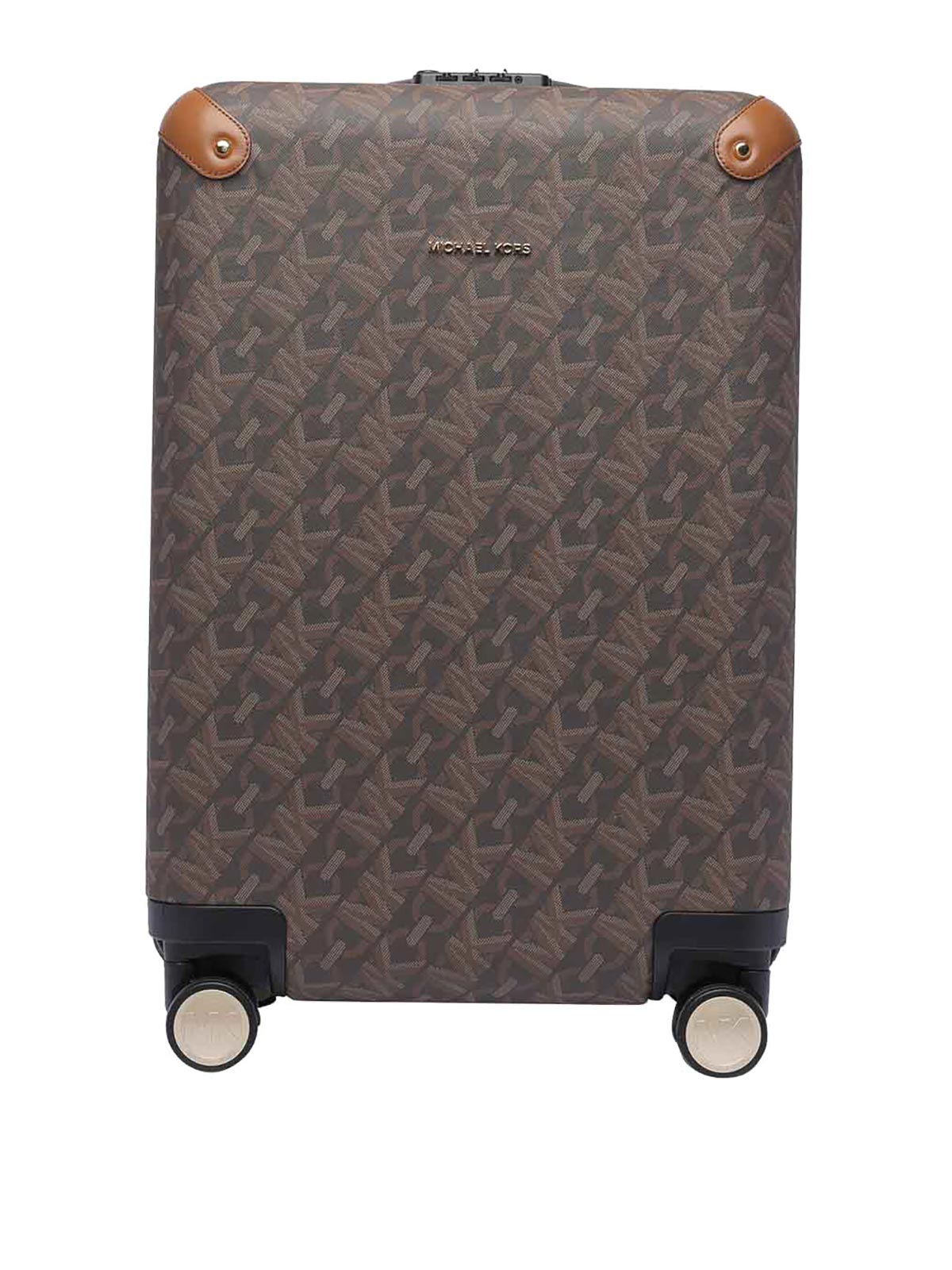
Airline travel is a major reason why is luggage so expensive and why luggage design has become more specialized. Airlines set limits for carry-on dimensions, checked-bag weight, and oversized items. These rules push manufacturers to create bags that maximize space while staying light.
A suitcase that weighs eight pounds before packing leaves less room for clothing than one that weighs five pounds. Lightweight design can require stronger and more expensive materials, such as advanced polycarbonate or high-strength nylon.
Airlines may also charge for checked bags, overweight bags, and oversized luggage. A more expensive lightweight suitcase could save money over many trips if it helps you avoid extra fees. However, calculate the likely savings before assuming the premium will pay for itself.
Always check your airline’s current baggage rules. Limits vary by airline, ticket type, route, and frequent-flyer status.
Environmental Costs and Luggage Longevity
Cheap luggage can create a false saving if it breaks quickly. Replacing several low-cost bags may create more waste and cost more than buying one durable mid-range suitcase.
A longer-lasting bag may reduce waste through:
- Fewer replacements
- Repairable parts
- Better material life
- Less packaging over time
- Lower transport demand from repeated purchases
That does not mean the most expensive luggage is always the most sustainable. Some premium bags use complex materials that are difficult to recycle. Look for repair programs, replacement parts, recycled fabrics, and clear information about material sourcing.
The most environmentally friendly suitcase is often the one you use for many years and maintain properly.

Practical Care Tips to Make Luggage Last Longer
Good care can extend the life of both affordable and premium luggage.
- Do not overfill the suitcase. Excess pressure can damage zippers, seams, and expansion panels.
- Clean wheels after trips. Remove hair, thread, and dirt before they affect movement.
- Wipe hard shells with mild soap and water. Avoid harsh chemicals that may damage the finish.
- Store luggage in a dry place. Keep it away from direct heat and damp areas.
- Do not sit on the suitcase unless the manufacturer clearly allows it.
- Use the correct handle. Lift the bag by its main handle instead of dragging it by the telescoping handle.
- Report airline damage quickly. Take photos and follow the airline’s baggage claim process.
- Repair small problems early. A loose screw or wheel can become a major failure if ignored.
A suitcase is much like a pair of good shoes. It lasts longer when you use it for the right purpose, clean it after use, and fix small issues before they grow.
Frequently Asked Questions About Why Is Luggage So Expensive
Why is luggage so expensive compared with other bags?
Luggage must handle more stress than most everyday bags. It needs wheels, handles, strong closures, protective materials, testing, shipping, and sometimes warranty service, all of which increase the final price.
Is expensive luggage worth the money?
Expensive luggage can be worth the money for frequent travelers who need durable wheels, strong handles, repair support, and a long warranty. For occasional travel, a well-reviewed mid-range suitcase may offer better value.
What makes a suitcase high quality?
A high-quality suitcase usually has smooth wheels, a firm handle, strong seams or shell construction, reliable zippers, useful interior design, and a clear warranty. It should also match your airline’s size and weight limits.
Is hard-shell luggage better than soft-sided luggage?
Neither type is always better. Hard-shell luggage can protect contents and resist some moisture, while soft-sided luggage often weighs less and provides more pockets and flexible storage.
How can I buy luggage for less?
Shop during sales, compare warranties, inspect wheels and handles, consider last-season models, and choose only the features you need. Open-box and refurbished luggage can also reduce the price when bought from a trusted seller.
Why is lightweight luggage often more expensive?
Lightweight luggage may use advanced plastics, strong nylon, or special frame designs to reduce weight without losing too much strength. These materials and construction methods can cost more than basic fabric or plastic.
Does a long luggage warranty mean the bag will never break?
No. A warranty usually covers certain manufacturing defects, not every type of damage. Normal wear, airline mishandling, scratches, stains, and overpacking may be excluded, so read the terms before buying.
Conclusion
The answer to why is luggage so expensive comes down to more than a brand name. Durable materials, strong wheels, reliable handles, testing, supply chains, airline requirements, warranty support, and retail costs all shape the final price.
You can make a smart choice by matching the suitcase to your travel habits. Focus on weight, wheel quality, handle strength, repair options, warranty coverage, and the correct size before paying for luxury features. Compare several models, test the parts when possible, and choose luggage built for the trips you actually take.
Use these tips before your next purchase, and share your own luggage lessons or favorite travel gear in the comments.

Zayden Halbrook is a travel enthusiast and gear researcher passionate about making every journey smoother and more enjoyable. With a keen eye for practical travel essentials and real-world tips, he helps readers choose the right gear and travel smarter. When he’s not testing travel kits or exploring new destinations, Zayden shares simple, reliable advice to make every trip stress-free.