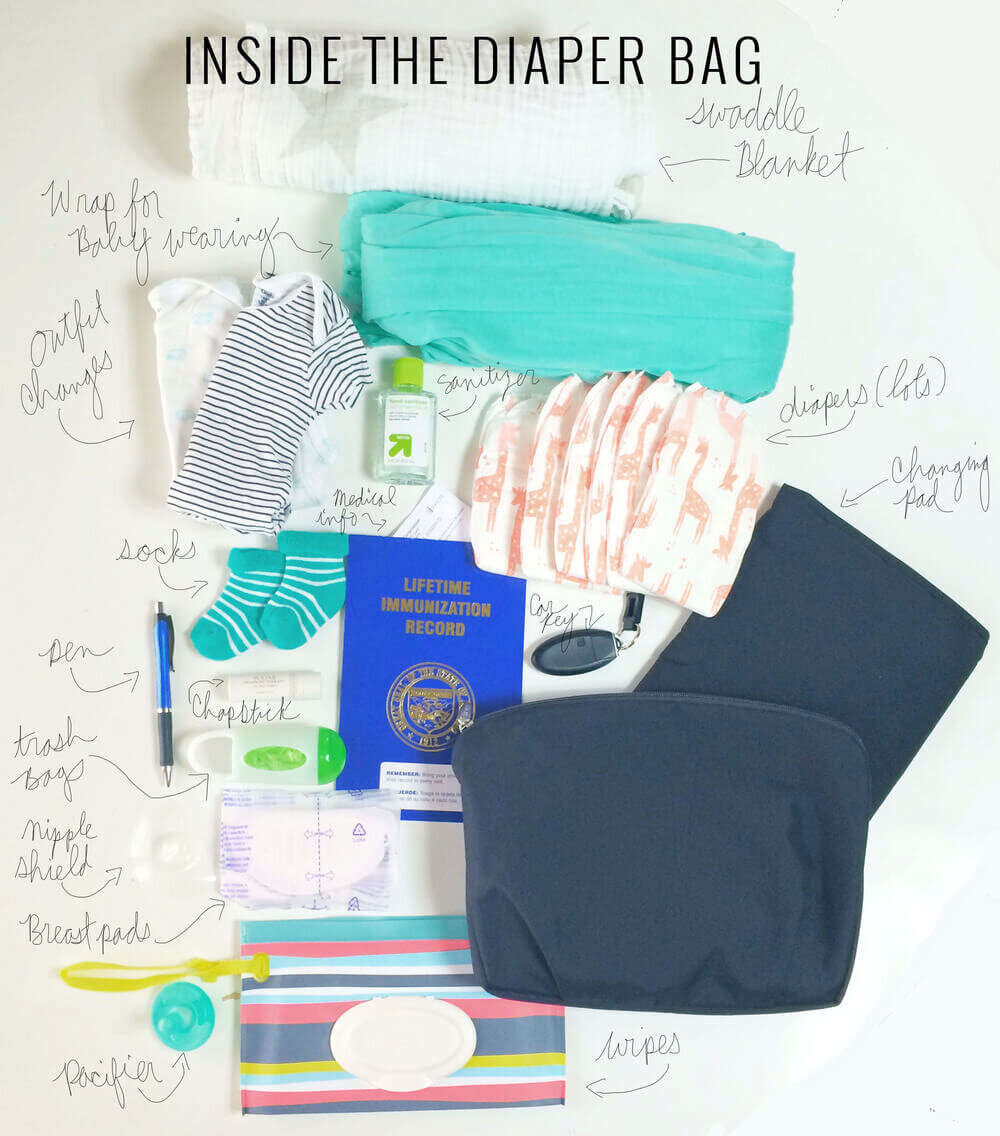
A well-packed diaper bag holds diapering supplies, feeding items, spare clothes, comfort tools, and basic safety essentials.
Knowing what to have in a diaper bag can make errands, road trips, and long days with your baby much easier. After helping families plan practical baby kits, I have found that the best diaper bag is not the fullest one. It is the one that keeps key items clean, easy to find, and ready for real-life messes.
What to Have in a Diaper Bag: The Core Essentials
A diaper bag should support your baby’s basic needs while giving you a few tools for unexpected moments. Start with the items you are most likely to use during every outing.
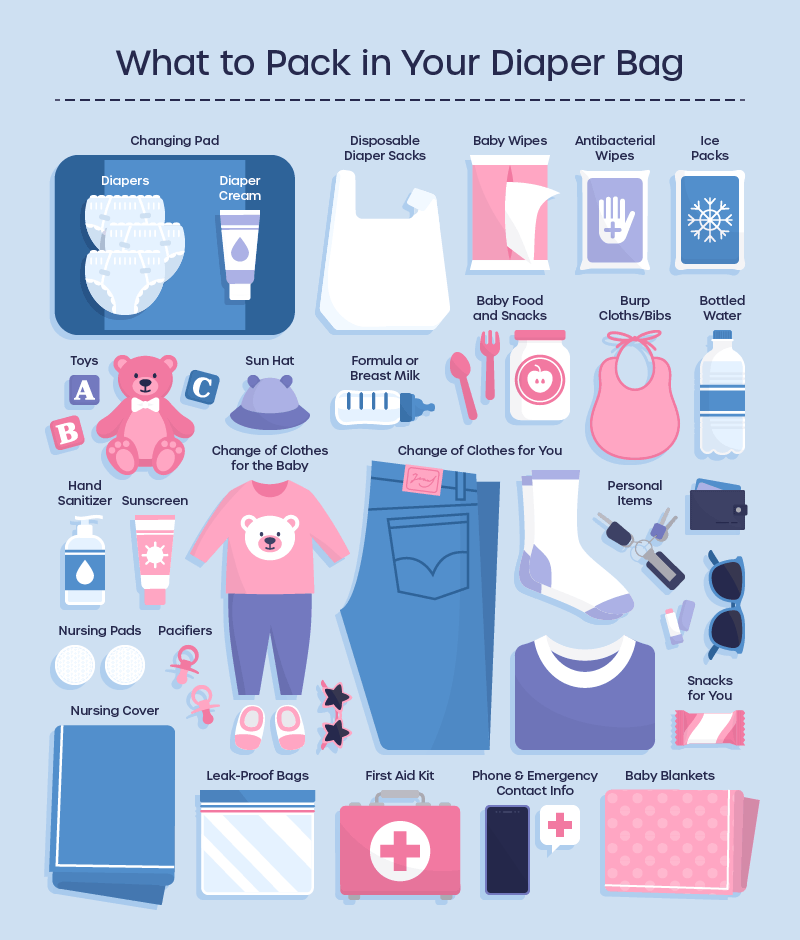
Here is a reliable diaper bag checklist:
• Diapers: Pack one diaper for every two hours away from home, plus two or three extras.
• Wipes: Choose fragrance-free wipes if your baby has sensitive skin.
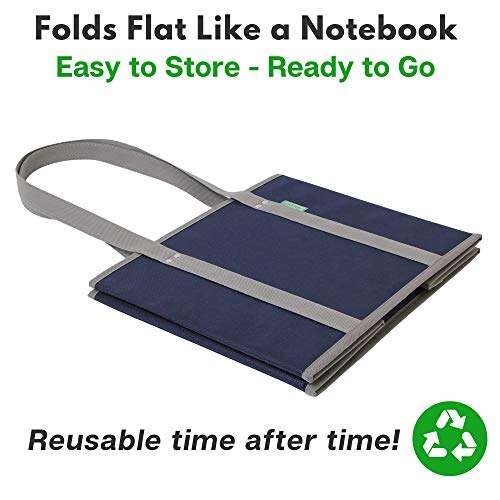
• Diaper changing pad: A clean, foldable pad helps protect your baby from public changing tables.
• Diaper cream: Use a small tube to help manage redness or irritation.
• Disposable diaper bags: These help contain odors and dirty diapers when no trash can is nearby.
• Hand sanitizer: Use it after changing a diaper, but keep it away from your baby’s hands and mouth.
• Tissues: Tissues are useful for runny noses, small spills, and quick cleanups.
• Spare clothes: Pack at least one complete outfit, including socks.
• Burp cloths: These are useful for spit-up, drool, and spills.
• Lightweight blanket: A blanket can provide shade, warmth, privacy, or a clean surface.
The exact amount depends on your baby’s age, feeding method, health needs, and the length of your trip. A short visit to the store needs less than a full day at the zoo.
Diapering Supplies to Pack
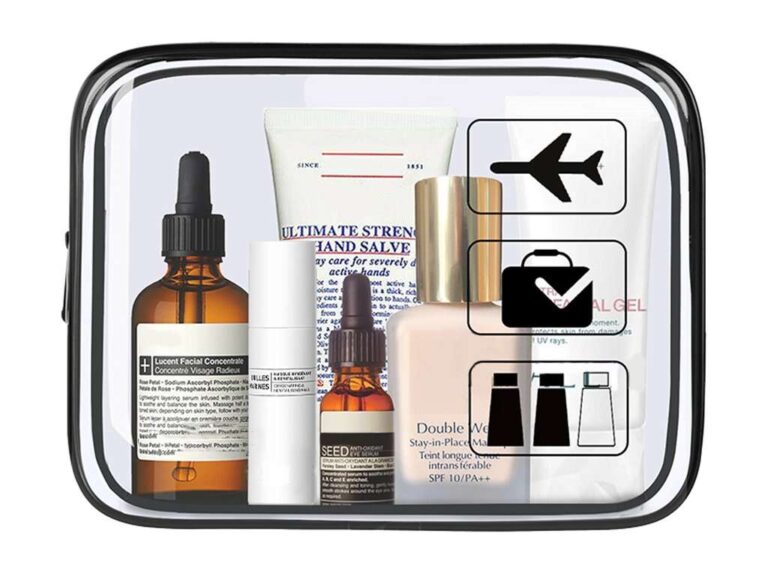
Diapering items usually take up the most room in a diaper bag. Keep them together in a small pouch so you can reach them quickly with one hand.
Diapers
The number of diapers to pack depends on your baby’s usual routine. For a two-hour outing, three diapers may be enough for some babies. Newborns often need more because they may soil diapers after feeds.
A simple rule is to pack:
• Three to four diapers for a short outing
• Five to six diapers for half a day
• One diaper for each two hours, plus two extras, for a full day
If you use cloth diapers, bring clean inserts, covers, a wet bag, and any special liners you need. Cloth diapers can take more space, so plan your storage before leaving home.
Wipes and diaper cream
Wipes are one of the most useful things to have in a diaper bag. You can use them for diaper changes, sticky hands, food spills, and small messes. A travel pack is lighter than a full package and usually lasts for several outings.
Diaper cream is helpful when your baby is prone to redness. Apply it as directed on the product label. If a rash lasts, spreads, blisters, bleeds, or causes strong pain, ask a health care professional for advice.
Changing pad and waste bags
A changing pad gives your baby a cleaner surface. Look for one that folds small and has a wipeable surface.
Waste bags help hold used diapers and dirty clothes. They are useful, but they should never be used as toys or placed near a child’s face. Keep them in a closed pocket that your baby cannot reach.
One of the best lessons about what to have in a diaper bag is to separate clean and dirty items. A wet bag or waterproof pouch can prevent a damp outfit from soaking everything else.

Feeding Items for Breastfeeding and Bottle-Feeding
Feeding supplies vary more than diapering supplies. Think about how your baby eats, how long you will be away, and whether you will have access to clean water or a refrigerator.
Breastfeeding supplies
If you breastfeed, you may not need much equipment. Useful items can include:
• Nursing cover, if you prefer one
• Burp cloth
• Nursing pads
• Water bottle for yourself
• Small snack for you
• Manual breast pump, if needed
• Clean storage containers for expressed milk
A nursing cover is optional. Many parents prefer a lightweight blanket, while others feed without a cover. Choose what helps you and your baby feel comfortable.
Bottle-feeding supplies
Parents who use formula or expressed breast milk may need:
• Clean bottles
• Measured formula powder, if using powdered formula
• Ready-to-feed formula, if preferred
• Breast milk storage container
• Bottle cooler with ice pack when required
• Burp cloth
• Extra bottle nipple
Do not mix formula ahead of time unless you can store it safely. Follow the product label and your health care provider’s advice. The Centers for Disease Control and Prevention provides specific guidance on preparing and storing infant formula and breast milk.
Never leave a bottle in a baby’s mouth while the baby lies unattended. This can increase the risk of choking, ear problems, and tooth decay.
Snacks for older babies and toddlers
For babies who eat solid foods, pack age-appropriate snacks in a sealed container. Examples include soft fruit, cooked vegetables, yogurt, or other foods your child already handles well.
Avoid foods that are choking hazards. The American Academy of Pediatrics warns families to use care with foods such as whole grapes, nuts, popcorn, hard raw vegetables, and chunks of meat. Cut food into safe shapes and watch your child while eating.

Clothing and Comfort Items
Babies are experts at creating messes at the exact moment you have no spare clothes. A good diaper bag always includes at least one backup outfit.
Pack:
• Shirt or bodysuit
• Pants or leggings
• Socks
• Hat suited to the weather
• Seasonal outer layer
• Bib