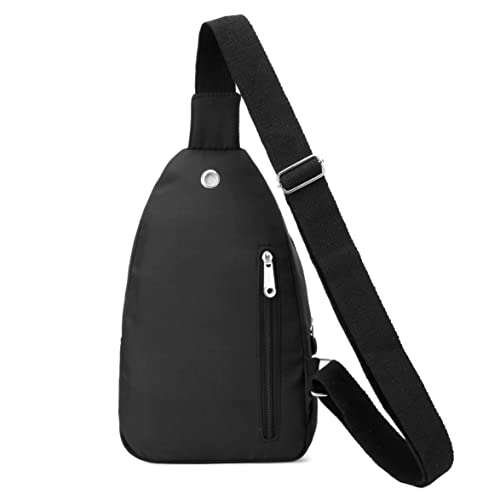
A real Prada bag shows precise logo details, quality materials, clean stitching, and a traceable purchase history.
Learning how to tell if a Prada bag is real takes more than checking one logo or dust bag. Counterfeit bags can look convincing in photos, while genuine bags may show small differences across years, collections, and factories. This guide explains the most reliable checks, common mistakes, and smart steps to take before you buy.
Why Prada Bag Authentication Matters
Prada bags can hold strong resale value, especially limited editions, vintage nylon styles, and popular leather designs. That value also attracts counterfeiters who copy the brand’s logo, packaging, and signature materials.
Knowing how to tell if a Prada bag is real protects more than your money. It also helps you avoid poor materials, unsafe dyes, stolen goods, and frustrating resale problems.
No single detail proves authenticity. A fake bag may have a good logo but poor stitching. Another may include a convincing authenticity card but use the wrong lining. Think of authentication like solving a puzzle: every piece must fit.
How to Tell If a Prada Bag Is Real: Start With the Seller
The seller is often your first and strongest clue. A genuine Prada bag can still be sold by an individual, but the purchase should come with a clear story and reasonable proof.
Before paying, review:
• The seller’s full business name and contact details
• Clear photos of the front, back, base, interior, logo, hardware, and date or product tag
• A receipt, order record, or other proof of purchase
• The seller’s return and refund policy
• Reviews from verified buyers
• The listed price compared with similar Prada bags
Be careful when a seller uses pressure tactics. Phrases such as “buy now or lose it,” “no returns,” or “authentic but no questions asked” should make you pause.
Price alone does not prove a bag is fake. A used Prada bag may sell below retail because of wear, age, missing accessories, or low demand. Still, a brand-new bag offered at a tiny fraction of its normal price needs strong proof.
In my experience reviewing luxury listings, poor photos are one of the biggest warning signs. If the seller will not show the logo plate, interior label, stitching, or hardware, you do not have enough information to make a safe choice.

Check the Prada Logo Carefully
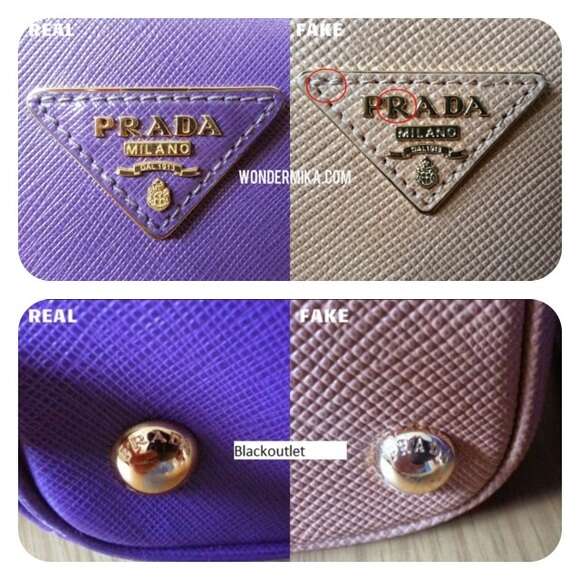
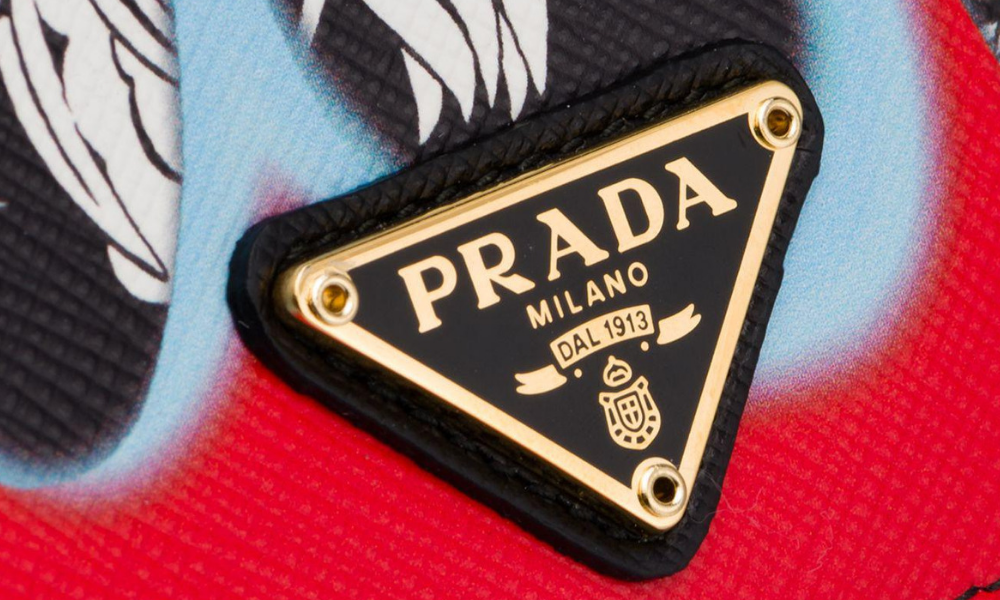
The Prada logo is one of the first details buyers inspect, but it should never be the only test. Prada has used different logo formats over time, so compare the logo with the bag’s model and production period.
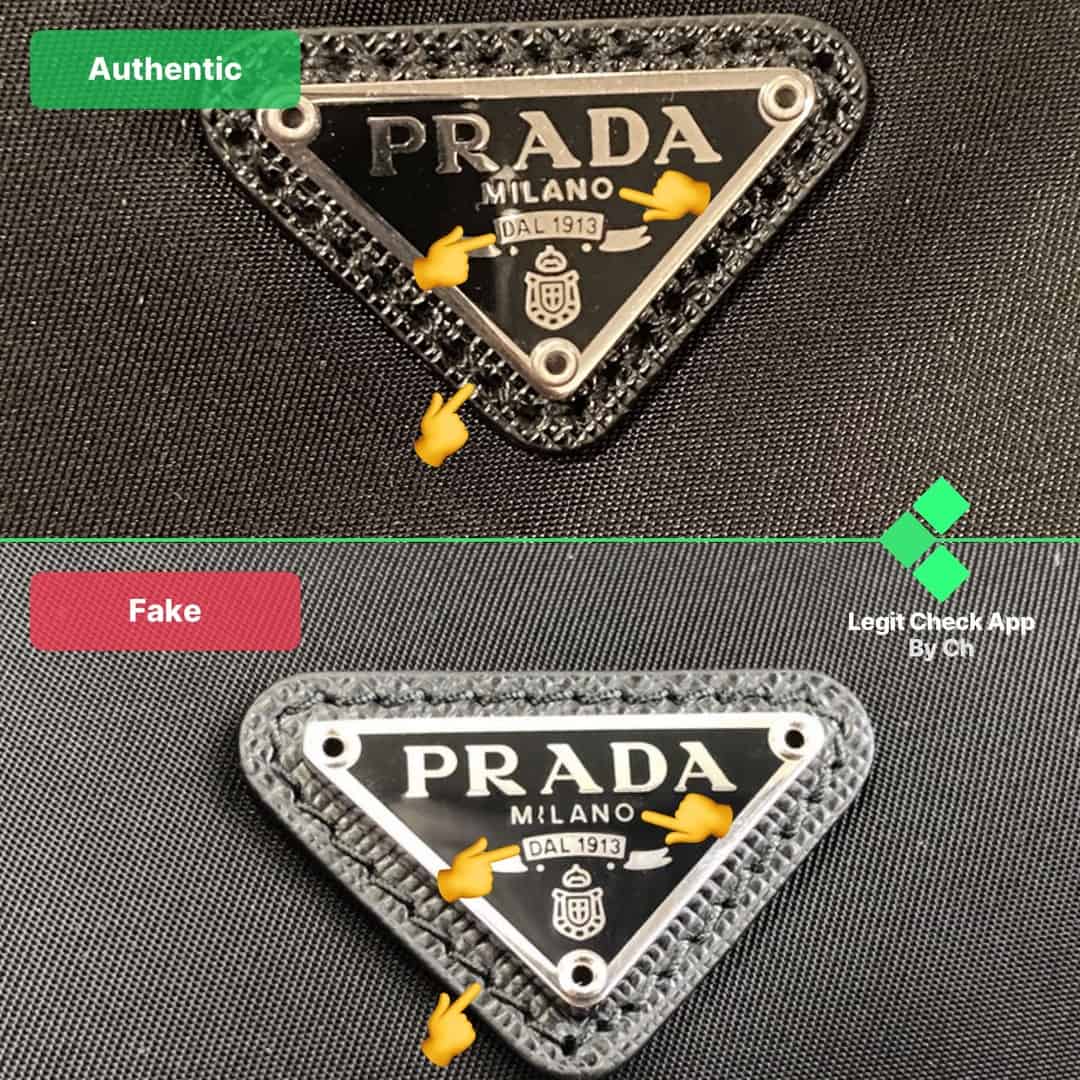
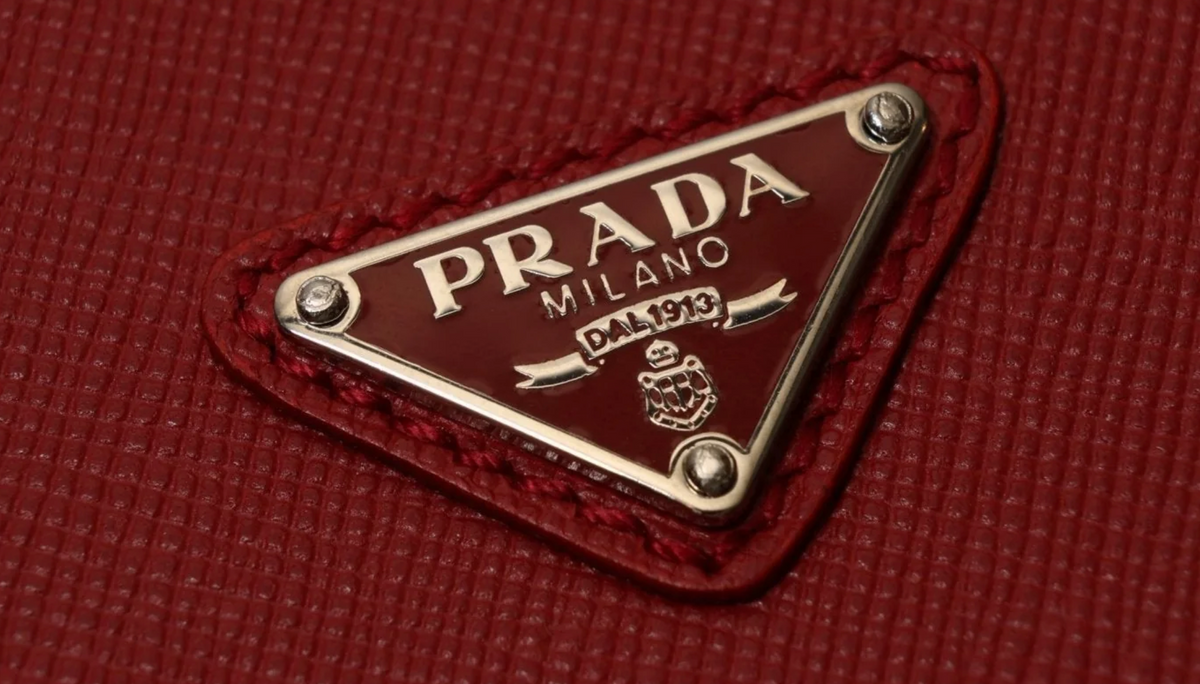
On many Prada bags, the triangular metal plaque has:
• Even, sharp lettering
• A clean enamel background
• Balanced spacing between letters
• A secure, centered attachment
• A consistent finish without bubbling or rough edges
The letter “R” is often useful to inspect. On many classic Prada logo designs, the “R” has a distinctive curved leg or notch-like detail. However, logo styles can vary, so do not reject a bag based on one letter alone.
Look at the plaque from several angles. The metal should usually feel solid, not thin or hollow. The corners should look neat, and the enamel should sit cleanly inside the frame.
Some Prada bags use a leather logo, a simple embossed mark, or a different logo placement. A missing triangle does not automatically mean the bag is fake. The correct question is whether the logo matches that specific style.
Inspect the Interior Plaque and Brand Label
Interior branding can reveal details that are hard for counterfeiters to copy well. Open the bag and examine the lining, leather label, metal plate, and printed text.
Depending on the model, you may find:
• A fabric label sewn into the lining
• A leather Prada label
• A metal interior plaque
• A “Made in Italy” mark
• A factory or product tag
The text should be sharp and properly aligned. Stamped letters should not look faint, crowded, crooked, or deeply uneven. A fabric label should be sewn on with clean, regular stitches.
Older Prada bags may have different interior labels from newer ones. Vintage styles may also show natural aging, faded ink, or changes in font. This is why a comparison must include the bag’s estimated age.
A “Made in Italy” label is helpful, but it is not proof by itself. Counterfeiters can copy those words easily. Use the label as one part of a larger inspection.

Study the Material and Prada’s Signature Nylon
Prada is known for high-quality leather and its distinctive nylon, often called Re-Nylon in newer collections. Older bags may use traditional nylon, while newer sustainable styles may use regenerated nylon made from recycled materials.
Authentic Prada nylon often feels:
• Dense and smooth
• Firm but not stiff
• Neatly woven
• Consistent in color
• Strong at the seams
Fake nylon may feel overly shiny, thin, papery, or loose. It may also make a loud plastic sound when rubbed. These clues are useful, but they are not final proof because counterfeit materials continue to improve.
Leather should feel substantial and well finished. Look for even grain, clean edges, and a natural smell. A strong chemical odor, peeling surface, or plastic-like finish can be a warning sign.
Do not perform risky tests, such as burning a thread, pouring water on the leather, or using chemicals. These tests can damage the bag and do not provide reliable authentication.

Examine the Stitching and Construction
Stitching is one of the best ways to tell if a Prada bag is real. Luxury construction should look controlled and deliberate, even when the bag has been used.
Check the following areas:
• Corners and base panels
• Handles and handle attachments
• Zipper seams
• Interior pockets
• Logo plaque edges
• Strap connections
Authentic stitching is usually straight, tight, and consistent. Loose threads can appear on genuine used bags, but repeated crooked lines, skipped stitches, uneven spacing, or exposed glue are concerning.
Pay special attention to stress points. Handles should be attached firmly. Seams should not pull apart when the bag is gently handled. The lining should fit the shape of the bag rather than bunching loosely inside it.
One lesson I have learned from close bag inspections is that counterfeiters often focus on the front. The front may look perfect, while the underside, interior pocket, or handle base reveals rushed work. Always inspect the parts a casual buyer may overlook.

Check the Hardware, Zippers, and Engravings
Hardware can help you understand how to tell if a Prada bag is real, especially when you compare several parts at once.
Inspect:
• Zippers
• Buckles
• D-rings
• Feet
• Chain links
• Handle attachments
• Metal logo plaques
Genuine hardware should feel sturdy and move smoothly. It should not feel extremely light, sharp, hollow, or loose. Finishes may vary by model, so the presence of gold, silver, black, or another tone is not enough to prove authenticity.
Many Prada bags use branded zippers from established manufacturers. The zipper may carry a maker’s mark, such as Lampo, but zipper branding changes by era and design. A familiar zipper name does not automatically prove the bag is genuine.
Check whether the metal finish matches across the bag. Small differences can occur, but major mismatches between the logo, zipper, and strap hardware deserve attention.
Engravings should look clean and precise. Fake engravings may appear too deep, too wide, poorly centered, or unevenly spaced.
Review the Lining, Pocket, and Interior Details
The inside of a Prada bag can tell a detailed story. Look at the lining color, texture, pockets, tabs, and seams.
The lining should fit the bag’s known design. It should not look randomly selected or cheaply printed. Some Prada bags use logo jacquard fabric, while others use plain textile, leather, or nylon interiors.
Check:
• The number and shape of interior pockets
• The placement of the interior label
• The finish of pocket edges
• The color and texture of the lining
• The way the lining joins the outer shell
A counterfeit bag may copy the outside but use an incorrect pocket layout. Search for images of the exact model, not just general Prada bags. Model-specific comparisons are far more useful.
Be careful with interior cleanliness. A genuine used bag may have marks, makeup stains, or softening. Condition affects value, but it does not automatically affect authenticity.
Verify the Date, Product, and Authenticity Cards
Many Prada bags come with cards, tags, or documentation. These items can support a purchase story, but they are not automatic proof.
Depending on the age and style, you may see:
• An authenticity card
• A product or factory card
• A paper tag
• A care booklet
• A store receipt
• A QR code or digital product information
Counterfeiters often include fake cards because buyers trust paperwork too quickly. A card can be copied, swapped, or paired with a different bag.
Compare the card details with the bag. The model description, color, material, and purchase information should make sense. Watch for spelling errors, poor printing, wrong fonts, and inconsistent formatting.
A missing card does not always mean a bag is fake. Cards can be lost, especially with older secondhand bags. In the same way, a complete box and card set does not guarantee authenticity.
Compare the Bag With Reliable Model References
One of the most effective ways to tell if a Prada bag is real is to compare it with trusted images of the same model and year.
Use several reference points:
• Overall dimensions
• Handle length
• Pocket placement
• Logo size
• Strap width
• Zipper style
• Lining pattern
• Hardware color
• Base shape
Do not compare a small nylon shoulder bag with a large leather tote and expect the details to match. Prada changes materials, logos, hardware, and construction across collections.
Look for product images from Prada’s official website, reputable department stores, established auction houses, and respected resale platforms. Written descriptions from expert sellers can also help, but photos should remain your main comparison tool.
Measurements matter. Ask the seller to measure the width, height, depth, and strap drop. A bag that is several inches different from the known model may be the wrong design or a counterfeit.
Common Fake Prada Bag Warning Signs
Some warning signs appear often in counterfeit listings. None is perfect alone, but several together should stop the purchase.
Watch for:
• A price far below normal resale value
• Blurry or stolen product photos
• A logo with poor spacing
• Thin, weak, or peeling materials
• Crooked stitching
• Strong chemical odors
• Incorrect lining or pocket layout
• Loose hardware
• Misspelled cards or tags
• No return policy
• A seller who refuses close-up photos
• Several “new” bags in many colors from one private seller
Social media listings need extra care. A polished page is not the same as a trusted business. Check the seller’s history, payment protection, legal business details, and customer feedback outside the platform.
Never send money by a method that removes buyer protection unless you fully trust the seller and have independently confirmed the bag.
What Not to Use as Proof of Authenticity
Some popular tests sound convincing but can mislead buyers.
Do not rely only on:
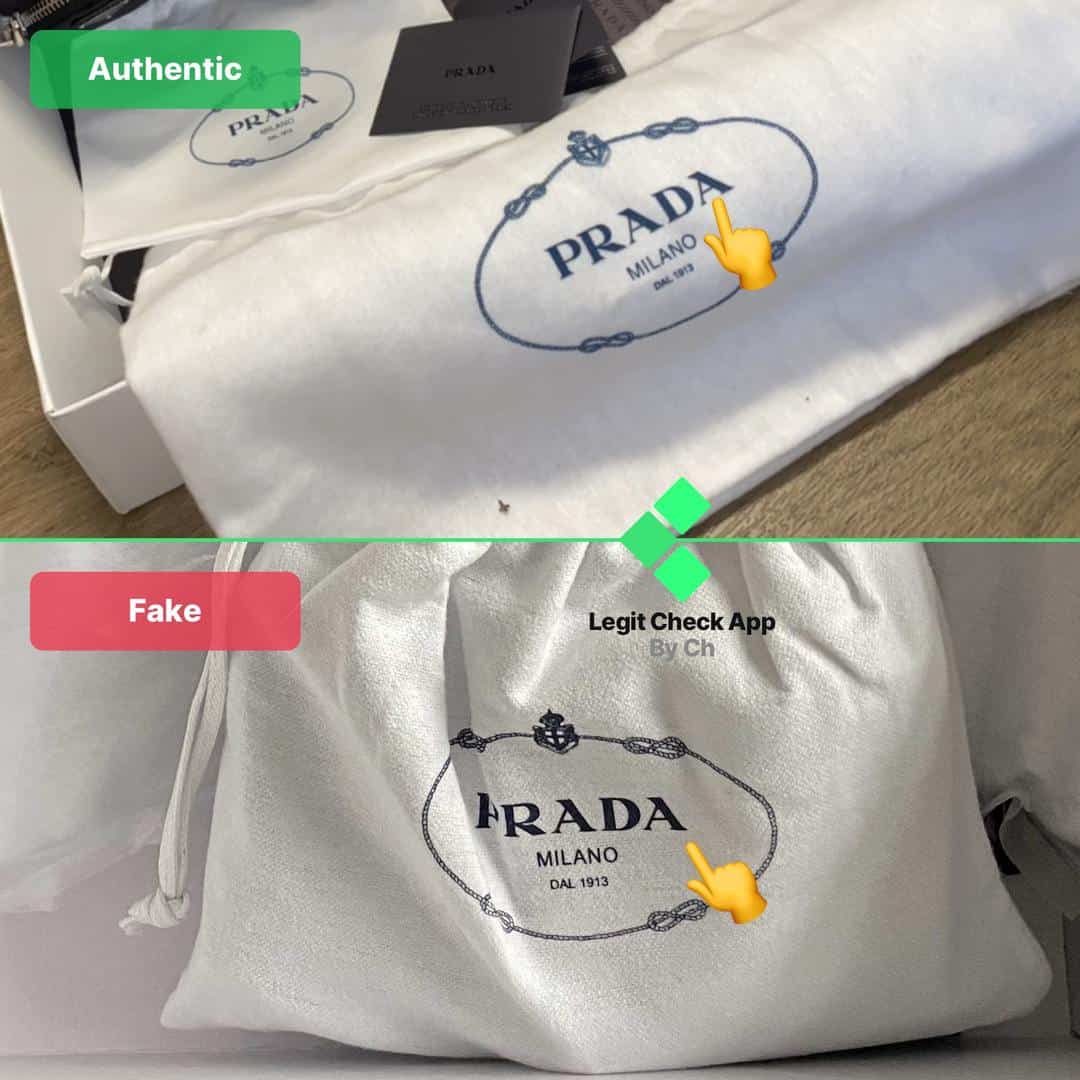
• A dust bag
• A box
• An authenticity card
• The smell of leather
• One zipper mark
• A “Made in Italy” label
• A serial or product number
• The seller’s written promise
Packaging can be replaced. Cards can be copied. Product numbers may be misunderstood or reused in counterfeit listings. Even experienced authenticators avoid making a decision from one detail.
Color is another weak test. Lighting, camera settings, age, and screen displays can change how a bag looks. A genuine black nylon bag may appear blue or gray in a photo.
The safest method combines physical inspection, model comparison, seller research, and professional review when the purchase is expensive.
Get Professional Prada Authentication
If the bag costs hundreds or thousands of dollars, professional authentication may be worth the fee. A trained authenticator can review detailed photos or inspect the bag in person.
Choose a service that:
• Explains its authentication process
• Uses experienced luxury specialists
• Provides a written result
• States its limitations clearly
• Has a clear refund or dispute policy
• Does not promise approval before reviewing the bag
Ask what happens if the evidence is inconclusive. A trustworthy service should be willing to say that it cannot make a firm decision.
Professional authentication is not magic. Photos may hide damage, alterations, or replaced parts. Some services also disagree, especially with rare vintage pieces. For a very expensive purchase, use a service with a strong reputation and consider a second opinion.
If you are buying through a respected resale platform, check whether its authentication guarantee covers your item. Read the terms before purchase, especially rules about returns and disputes.
A Simple Step-by-Step Prada Authentication Checklist
Use this checklist before buying a Prada bag online or in person.
-
Research the exact model and approximate production year.
-
Compare the asking price with similar sold listings.
-
Request sharp photos of every important detail.
-
Inspect the logo, interior label, lining, stitching, and hardware.
-
Compare measurements with reliable model references.
-
Review the seller’s history and return policy.
-
Check receipts and cards for consistency, but do not treat them as proof.
-
Ask about repairs, replaced parts, and alterations.
-
Use a protected payment method.
-
Arrange professional authentication for a costly or uncertain purchase.
Keep screenshots of the listing, seller messages, photos, receipt, and payment record. This evidence can help if the item is not as described.
Vintage and Used Prada Bags Need Extra Care
Older Prada bags often confuse buyers because their details may not match current designs. Fonts, labels, zippers, lining colors, and hardware can change over time.
A vintage bag may have:
• Softer or faded nylon
• Scratched hardware
• A different logo plaque
• An older interior label
• A missing authenticity card
• Signs of repair
These features do not automatically mean the bag is fake. Age creates wear, and Prada has produced many styles over the years.
At the same time, “vintage” should not excuse every problem. A bag with modern branding but an old-style construction may be inconsistent. Ask the seller for the estimated age and compare all details with bags from that period.
Repairs also matter. A real Prada bag can have replacement hardware, a new lining, or professional stitching. It may remain genuine, but its condition and resale value may change.
What to Do If You Bought a Fake Prada Bag
Act quickly if you suspect your Prada bag is counterfeit.
• Stop using it until you document its condition.
• Save the listing, photos, messages, receipt, and payment proof.
• Contact the seller in writing.
• Request a refund under the stated return policy.
• Open a payment dispute if needed.
• Report the listing to the marketplace.
• Seek an authentication report from a qualified service.
Do not threaten the seller or destroy the bag. Keep all evidence and follow the payment provider’s process. If the seller knowingly used counterfeit branding, you may also report the matter to the relevant marketplace or consumer protection agency.
A good written record is more useful than an angry phone call. State what you bought, why the item appears inauthentic, what evidence supports your concern, and what resolution you want.
Frequently Asked Questions About How to Tell If a Prada Bag Is Real
How can I tell if a Prada bag is real from photos?
Look for clear images of the logo, interior label, lining, stitching, hardware, zipper, and product tags. Photos can reveal warning signs, but image-only checks have limits, so use a professional service for expensive purchases.
Does every real Prada bag have an authenticity card?
No. Cards may be missing from genuine bags, especially older or pre-owned ones. A card supports the purchase history but does not prove that the bag itself is authentic.
Is a Prada bag fake if it says Made in Italy?
Not necessarily. Prada produces many bags in Italy, but counterfeiters can copy that label. Confirm the country mark alongside the logo, materials, construction, and model details.
Can a low price prove that a Prada bag is fake?
A low price is a warning sign, not final proof. Used condition, damage, age, and low demand can reduce value, but an unusually cheap new bag needs strong evidence of authenticity.
Do real Prada bags have serial numbers?
Some Prada products have product or factory markings, but formats vary by model and period. A number alone cannot authenticate a bag because counterfeiters may copy or invent numbers.
Is the Prada triangle logo always present?
No. Prada uses different logo treatments, including triangular plaques, leather labels, embossed marks, and newer designs. The logo must match the specific model and era.
Can a professional authenticator guarantee a result?
A reputable authenticator can provide an expert opinion, but no method is perfect when evidence is limited. Ask about the service’s process, qualifications, limits, and refund policy before paying.
Conclusion
Learning how to tell if a Prada bag is real means checking the whole bag, not chasing one perfect clue. Study the seller, logo, material, stitching, hardware, lining, model measurements, and purchase records together.
Remember that packaging and authenticity cards can be copied, while careful construction is much harder to fake. When the price is high or the evidence is unclear, professional authentication is the safest choice.
Use this checklist before your next purchase, save your records, and take your time. A careful decision today can protect both your money and your love of Prada.

Zayden Halbrook is a travel enthusiast and gear researcher passionate about making every journey smoother and more enjoyable. With a keen eye for practical travel essentials and real-world tips, he helps readers choose the right gear and travel smarter. When he’s not testing travel kits or exploring new destinations, Zayden shares simple, reliable advice to make every trip stress-free.