How Much Does A Bag Of Mulch Weigh
Mulch is one of the easiest ways to give your garden beds a fresh look, keep soil moist, and stop weeds. But when you’re shopping for mulch, you’ll notice bags come in different sizes and weights. If you’re planning a project, it’s important to know exactly how much a bag of mulch weighs.
This will help you buy the right amount, plan for transport, and handle the bags safely. I’ve spent many weekends hauling mulch for my own yard and for neighbors, so I’ll share some tips and real-life experiences along the way.
What Is Mulch And Why Does Weight Matter?
Mulch is any material spread on top of soil. It keeps moisture in, stops weeds, and even feeds your plants as it breaks down. The weight of a mulch bag isn’t just a number on a label. It affects how many bags you’ll need, how you’ll carry them, and how much you can fit in your car.
For example, I once loaded my small sedan with 10 bags of hardwood mulch thinking it would be fine. The car sagged, and I learned to check the bag weights first! Knowing the weight also helps if you’re moving bags around your yard or stacking them for storage.
Common Bag Sizes And Weights
Most mulch is sold in bags of 2 cubic feet or 3 cubic feet. But weight depends on the type of mulch and how much moisture it holds. Here’s a quick look at standard sizes:
| Bag Size | Typical Weight (Dry) | Common Types |
|---|---|---|
| 2 cubic feet | 20 – 50 lbs | Wood, rubber, pine bark |
| 3 cubic feet | 30 – 75 lbs | Wood, pine bark, compost |
A 2 cubic foot bag usually weighs between 20 and 50 pounds. The range is wide because wet mulch weighs much more than dry. You’ll see this most with wood and bark mulches.
Types Of Mulch And How They Affect Weight
Not all mulch weighs the same. The material makes a big difference. Let’s look at the most common types:
1. Wood Mulch
This is the classic brown or red mulch you see in most gardens. Wood mulch is made from chipped or shredded bark and wood. Dry, a 2 cubic foot bag often weighs 20 to 40 lbs. If it’s damp, it can weigh up to 50 lbs or more.
2. Pine Bark
Pine bark is lighter than hardwood, but it also soaks up more water. Dry pine bark mulch in a 2 cubic foot bag weighs about 22 to 35 lbs. If it’s wet, expect closer to 45 lbs.
3. Cypress Mulch
Cypress mulch is dense and holds water well. A 2 cubic foot bag is usually 35 to 50 lbs when wet. When dry, it’s closer to 25 to 40 lbs.
4. Rubber Mulch
Rubber mulch is made from recycled tires. It doesn’t absorb water, so the weight is more consistent. A 2 cubic foot bag weighs about 40 lbs. Rubber mulch is heavier than wood, but you’ll never have to worry about extra water weight.
5. Compost And Manure Mulch
These are sold as soil conditioners and mulches. They are dense and often come in smaller bags (1 to 2 cubic feet). A 1 cubic foot bag can weigh 30 to 40 lbs. If you’re using compost as mulch, expect bags to be heavy, especially after rain.
6. Straw Mulch
Straw is very light, even when wet. A 2 cubic foot bag may weigh only 10 to 15 lbs. This is a good choice if you need to carry bags a long way or have back issues.
7. Stone And Gravel Mulch
Stone mulch is sold in smaller bags because it’s so heavy. A 0.5 cubic foot bag of decorative stone can weigh 40 to 50 lbs. Always check the weight before lifting!
Wet Vs. Dry Mulch: Why The Difference Is Huge
One thing that surprises many people is how much heavier mulch gets after rain. Mulch absorbs water like a sponge. A dry bag of hardwood mulch that weighs 30 lbs can jump to 45 lbs or more if it’s wet. This is why bags outside at garden centers often feel heavier than the ones inside.
If you’re buying mulch after a big rain, be ready for extra weight. When I helped a neighbor move 20 bags after a storm, each bag felt like lifting a toddler! If you need to move mulch yourself, try to buy dry bags, or bring a friend for help.

Credit: www.lowes.com
How Many Bags Do You Need? (and How Weight Affects Your Project)
To cover your garden, you need to know how many bags to buy. First, measure the area you want to mulch. Then, decide how deep you want the mulch layer. Most people use a 2-inch or 3-inch layer.
Here’s a simple formula:
- One 2 cubic foot bag covers about 12 square feet at 2 inches deep.
- At 3 inches deep, it covers about 8 square feet.
If you have a 100 square foot bed and want a 3-inch layer:
- 100 ÷ 8 = 12.5 bags (round up to 13 bags)
If each bag weighs 40 lbs, that’s 520 lbs of mulch! Always check your car’s weight limit and plan for how you’ll unload all those bags.
Mulch Bag Weights By Popular Brands
Major brands have slightly different bag sizes and weights. Here’s a side-by-side look at popular options:
| Brand | Type | Bag Size | Weight (Approx.) |
|---|---|---|---|
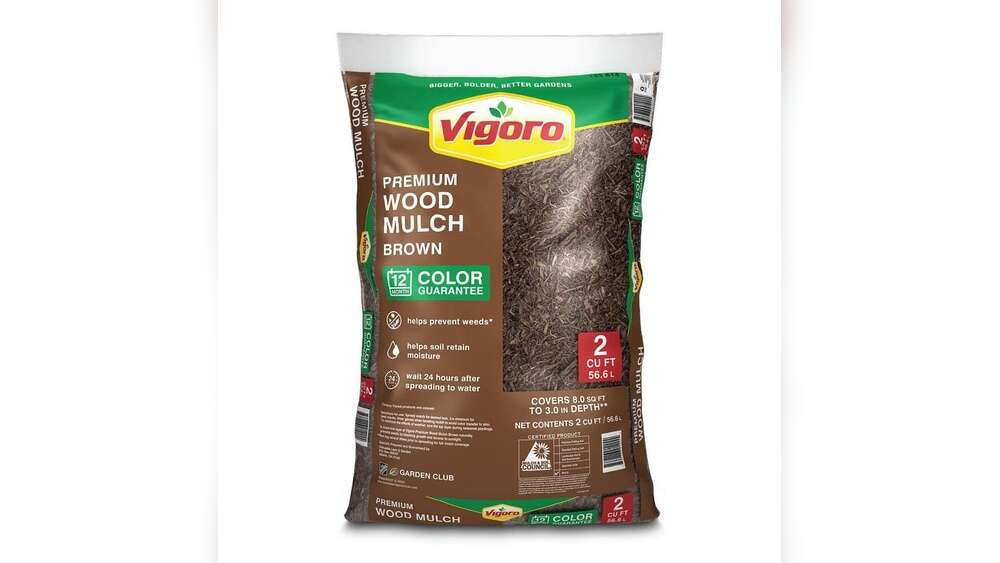
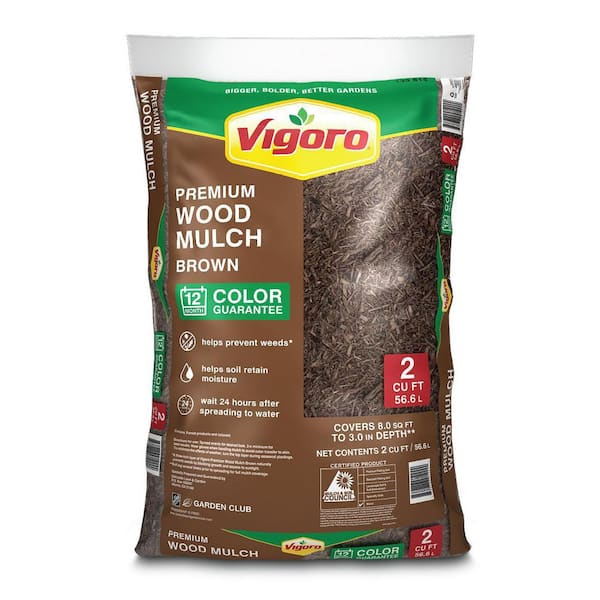
| Vigoro | Brown Wood Mulch | 2 cu ft | 40 lbs (dry) |
| Scotts | Naturescapes Color Enhanced | 2 cu ft | 36 lbs (dry) |
| Earthgro | Black Mulch | 2 cu ft | 40 lbs (dry) |
| Rubberific | Rubber Mulch | 0.8 cu ft | 20 lbs |
| GardenPro | Pine Bark Mulch | 2 cu ft | 30 lbs (dry) |
Note: These weights are for dry bags. Wet bags will be heavier.
How To Safely Lift And Move Mulch Bags
Moving mulch is hard work. Even a 30 lb bag can be awkward to carry. Here are some safety tips:
- Bend your knees and lift with your legs, not your back.
- Hold the bag close to your body to keep balance.
- If the bag is too heavy, open it and carry half at a time.
- Use a wheelbarrow or cart for longer distances.
- Wear gloves to protect your hands from splinters or sharp edges.
I once ignored these tips and pulled a muscle in my back. Trust me—don’t rush, and ask for help if you need it. If you’re new to yard work, start with just a few bags at a time.
Comparing Bulk Mulch Vs. Bagged Mulch
Some people wonder if buying mulch in bulk (by the cubic yard) is better than buying bags. Here’s a quick comparison:
| Option | Pros | Cons |
|---|---|---|
| Bagged Mulch | Easy to transport, clean, easy to store, consistent weight per bag | More expensive per cubic foot, lots of plastic waste |
| Bulk Mulch | Cheaper per cubic foot, less packaging waste, delivery available | Hard to store, messy, must move with wheelbarrow or shovel, may get wet |
Bagged mulch is best for small projects or if you need to carry mulch far from the street to the garden. Bulk mulch is cheaper for large areas but is delivered by the truckload and can get heavy if it rains.
How Weather And Storage Affect Mulch Weight
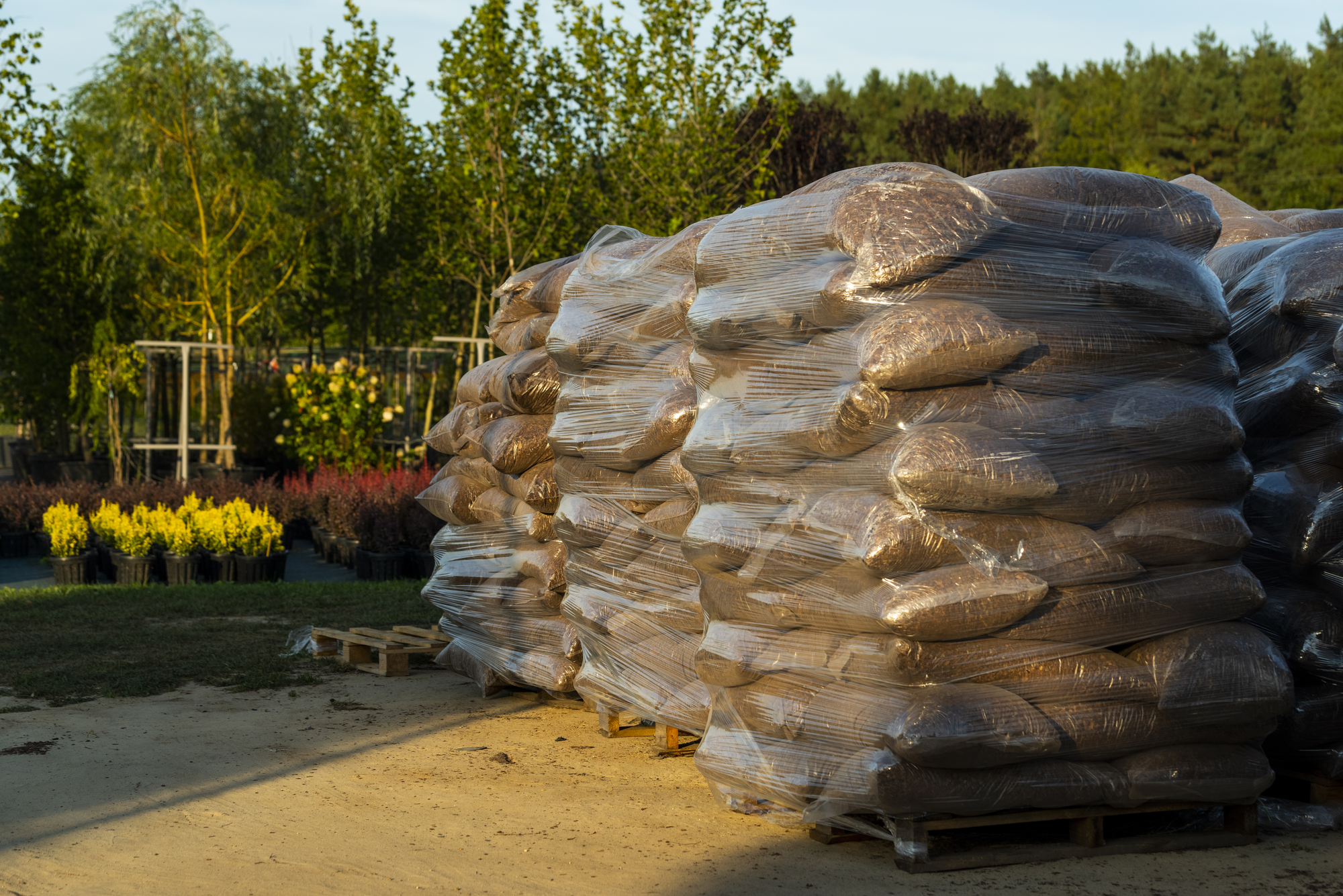
If you store mulch bags outside, rain and humidity can add a lot of weight. Mulch bags with holes (for air flow) can get soaked. I once left a stack of bags outside, and the next morning each one was 10 lbs heavier.
If you can, store bags in a dry garage or under a tarp.
Mulch can also dry out and lose weight. If you buy mulch in early spring and use it in summer, bags may feel lighter as water evaporates.
How To Estimate Mulch Weight For Your Project
If you want to know how much total weight you’ll need to move, do this:
- Find your total square footage.
- Decide the depth (2 or 3 inches).
- Use the coverage chart (see above).
- Multiply the number of bags by the weight per bag.
For example:
- Area: 200 square feet
- Depth: 3 inches (8 sq ft per 2 cu ft bag)
- Bags needed: 200 ÷ 8 = 25 bags
- Weight per bag: 40 lbs
- Total weight: 25 x 40 = 1,000 lbs
This is half a ton! Plan to make several trips or ask the store about delivery.
Choosing The Right Type Of Mulch For Your Needs
Weight isn’t the only thing that matters. Consider these factors:
- Wood mulches are good for flower beds and around trees. They’re heavy when wet.
- Pine bark is lighter and good for acid-loving plants.
- Rubber mulch is heavy but doesn’t rot or mold.
- Straw is light and good for vegetable gardens.
If you have to carry bags up stairs or over long distances, go for lighter options like straw or pine bark.
How To Read Mulch Bag Labels
Bag labels can be confusing. Some show cubic feet. Some show quarts. Some only show weight. Always check:
- Volume (cubic feet or quarts)
- Type of mulch (wood, bark, rubber, etc.)
- Approximate weight (look for “net weight”)
If you’re unsure, ask a store worker. They can help you pick the right product for your needs.
Real-world Experience: What I Learned Hauling Mulch
After years of gardening, I’ve learned some lessons the hard way. On one hot summer day, I tried to move 15 wet bags by myself. I ended up tired, sore, and wishing I’d asked for help. Now, I break the job into smaller parts, and I always check the weather before buying mulch.
Another tip: If you have a small car, check your owner’s manual for the maximum weight you can carry. Mulch bags add up fast!
How Mulch Weight Affects Shipping And Delivery
If you order online, shipping is often based on weight. Heavy mulch, like rubber or wet wood, costs more to ship. Stores may offer free delivery for large orders, but check for weight limits.
If you’re picking up mulch, ask if the store will load the bags for you. Many garden centers are happy to help, especially if the bags are heavy.
Environmental Impact Of Mulch Bag Weight
Heavier bags use more fuel to ship, which affects the environment. Lighter mulches, or buying in bulk, can lower your carbon footprint. If you want to be eco-friendly, consider:
- Using local mulch to reduce transport distance
- Reusing bags for trash or storage
- Choosing bulk mulch for big projects
Every Little Bit Helps!
Pro Tips For Choosing And Handling Mulch Bags
- Test the bag before you buy. Give it a gentle lift to see if you’re comfortable carrying it.
- Plan for wet weather. Bags outside may weigh more than you expect.
- Use a tarp if you must store mulch outside.
- Ask for help when moving heavy bags.
- Don’t overload your vehicle. Check weight limits.
Non-obvious Insights Beginners Miss
- Mulch compression: Bags are tightly packed, so a bag may look smaller than it is. Open one to see the true volume before buying more.
- Settling during transport: Mulch can settle and get denser as it’s shipped. A “fluffy” bag at the store may weigh less than one that’s been stacked or rained on.
- Check for tears: Wet bags can split, making them even harder to move. Inspect bags before loading them.
When To Call In The Pros
If you have a big yard or back problems, hiring a landscaper or using a delivery service can save you time and pain. Many services will spread the mulch for you, too. This is a good option if you need to move hundreds of pounds.
Credit: www.gigacalculator.com
Where To Get Reliable Mulch Information
For more on mulch types, uses, and weights, check out the Wikipedia Mulch page. It offers more details for those who want to go deeper.
Frequently Asked Questions
How Much Does A Bag Of Mulch Weigh On Average?
A 2 cubic foot bag of wood mulch usually weighs 30 to 50 lbs. Pine bark is lighter, about 22 to 35 lbs. If the bag is wet, it will weigh more, up to 50 lbs or more.
Is Bagged Mulch Heavier Than Bulk Mulch?
Bagged mulch is often drier and lighter when you buy it, but it can get heavier if stored outside. Bulk mulch is delivered in large piles and may be wet, making it heavier per cubic foot.
Can I Carry A Bag Of Mulch By Myself?
Most healthy adults can carry a 2 cubic foot bag (30 to 50 lbs), but be careful. Use safe lifting techniques. If the bag feels too heavy, open it and move it in smaller loads.
Does The Color Of Mulch Affect Its Weight?
No, the color (brown, black, red) comes from dyes and doesn’t change the weight much. The material (wood, bark, rubber, stone) and moisture content have a bigger impact.
How Do I Know If My Car Can Handle The Mulch Weight?
Check your car’s maximum load limit in the owner’s manual. Add the total weight of all the mulch bags you plan to buy. Don’t forget the weight of people and tools in the car, too.
Moving mulch is a simple job, but bag weight can make a big difference in your project. Plan ahead, lift safely, and choose the right mulch for your needs. Your garden (and your back) will thank you.
Credit: www.homedepot.com

Zayden Halbrook is a travel enthusiast and gear researcher passionate about making every journey smoother and more enjoyable. With a keen eye for practical travel essentials and real-world tips, he helps readers choose the right gear and travel smarter. When he’s not testing travel kits or exploring new destinations, Zayden shares simple, reliable advice to make every trip stress-free.