Yes. The Transportation Security Administration (TSA) screens checked luggage in the United States. TSA uses X-ray machines, explosive detection systems, and other security methods to check bags before they go onto an aircraft.
TSA does not open every checked bag. However, officers may open a bag when screening equipment finds something that needs a closer look. TSA may also inspect a bag as part of its security process, even when no obvious problem appears.
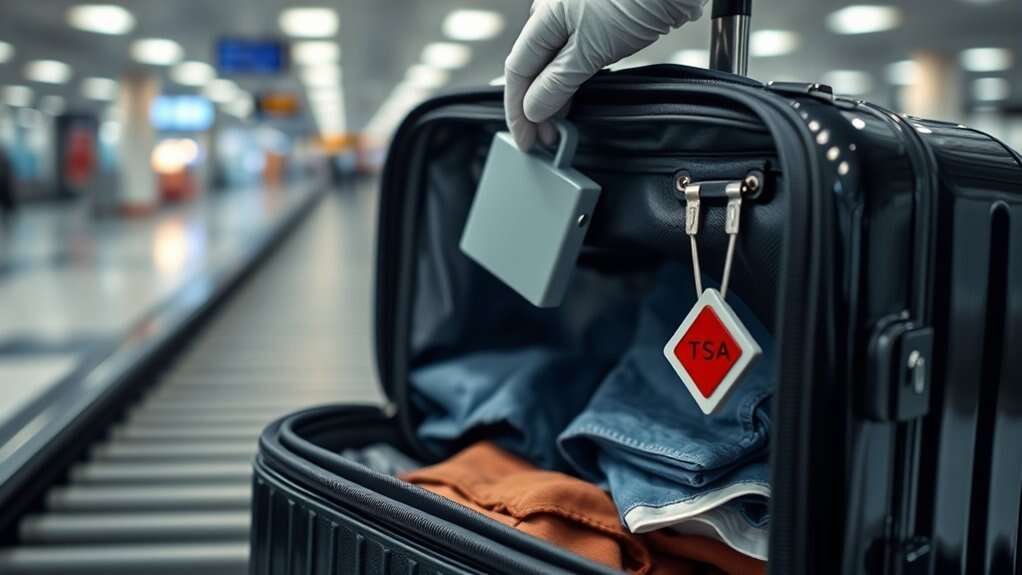
If TSA opens your luggage, it usually places a notice inside to explain that the bag was inspected. TSA may also secure the bag with a special seal after the inspection.

How TSA screens checked luggage
TSA screens checked bags after you hand them to the airline at the airport. The airline moves the bags into the airport’s baggage system, where TSA screening takes place.
The process may include:
- Explosive detection systems: These systems check bags for traces or signs of explosive materials.
- X-ray screening: Officers or screening systems review images of the contents.
- Physical inspection: TSA may open and inspect a bag if the image or screening result needs more review.
- Additional testing: Officers may use swabs or other tools to test for possible explosive residue or other security concerns.
TSA screening is separate from the airline’s baggage process. The airline accepts, tags, loads, and delivers your bag. TSA checks whether the bag and its contents meet transportation security rules.
A bag can also receive attention from other agencies. For example, U.S. Customs and Border Protection may inspect luggage when you enter the United States from another country. TSA and customs inspections serve different purposes.
TSA’s official What Can I Bring? tool explains whether specific items may go in checked or carry-on luggage.
When does TSA open checked luggage?
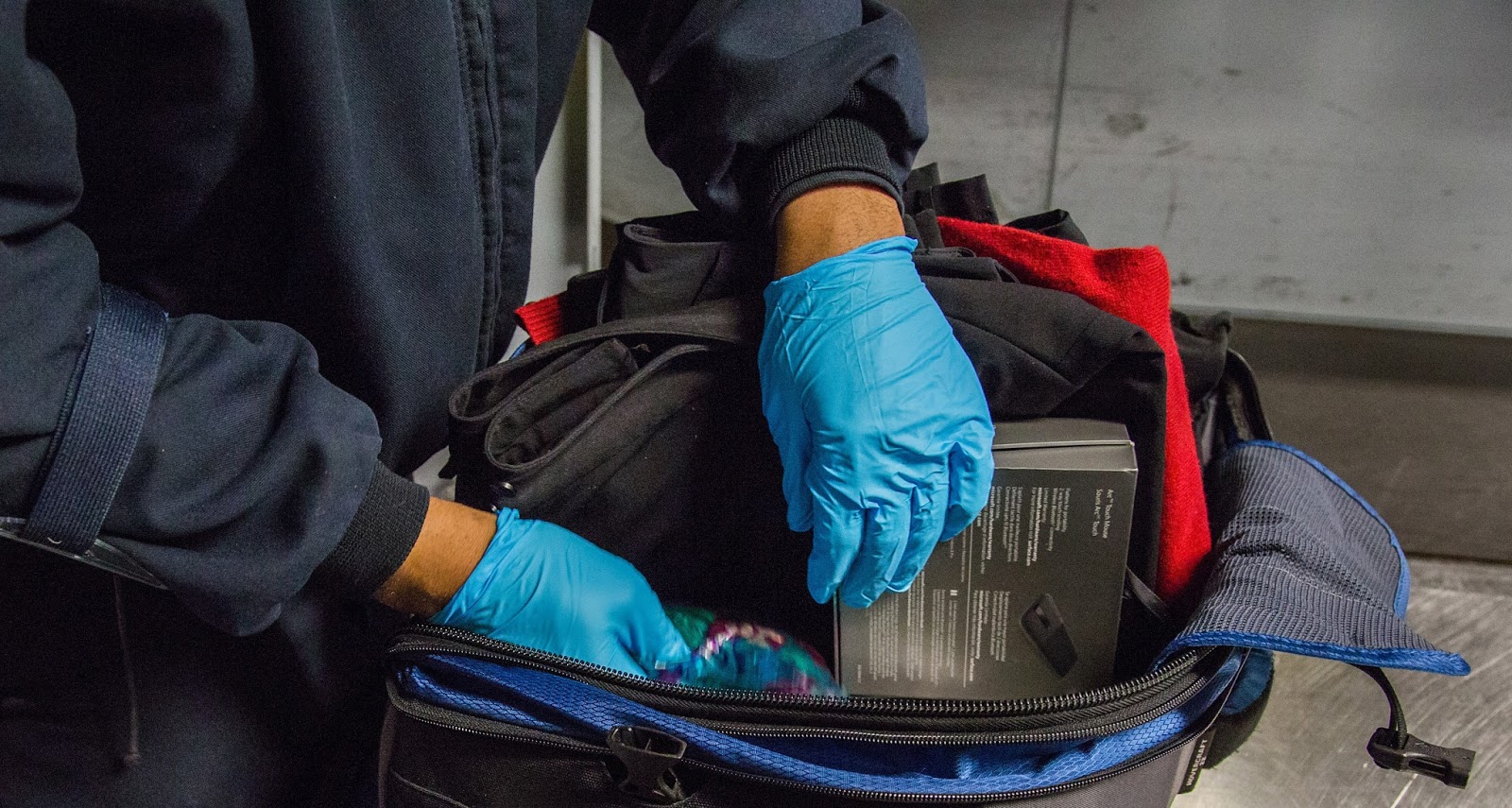
TSA may open checked luggage when an X-ray image or other screening result requires a closer inspection. The officer may need to identify an item, check its shape, or confirm that it does not create a safety risk.
Common reasons for an inspection include:
- An item looks unclear on the X-ray image.
- A bag contains a possible weapon or prohibited item.
- A power bank or battery creates a concern.
- A container has an unknown liquid or powder.
- The screening system detects a possible explosive threat.
- The bag needs additional security screening.
An inspection does not automatically mean that you did something wrong. Many ordinary items can look unusual on an X-ray. Dense objects, tightly packed clothing, metal tools, electronics, and food may make the contents harder to identify.
If TSA opens your bag, the officer may remove and examine one or more items. TSA generally leaves a printed inspection notice inside the luggage. The bag may also have a resealing strip or other security device.
TSA does not need the passenger to be present to open a checked bag. Checked baggage is screened after it leaves the airline counter, so you may not see the inspection happen.
Will TSA break the lock on my checked bag?
TSA can open a checked bag if screening requires it. If you use a lock that TSA officers cannot open, they may cut the lock or damage it to inspect the bag.
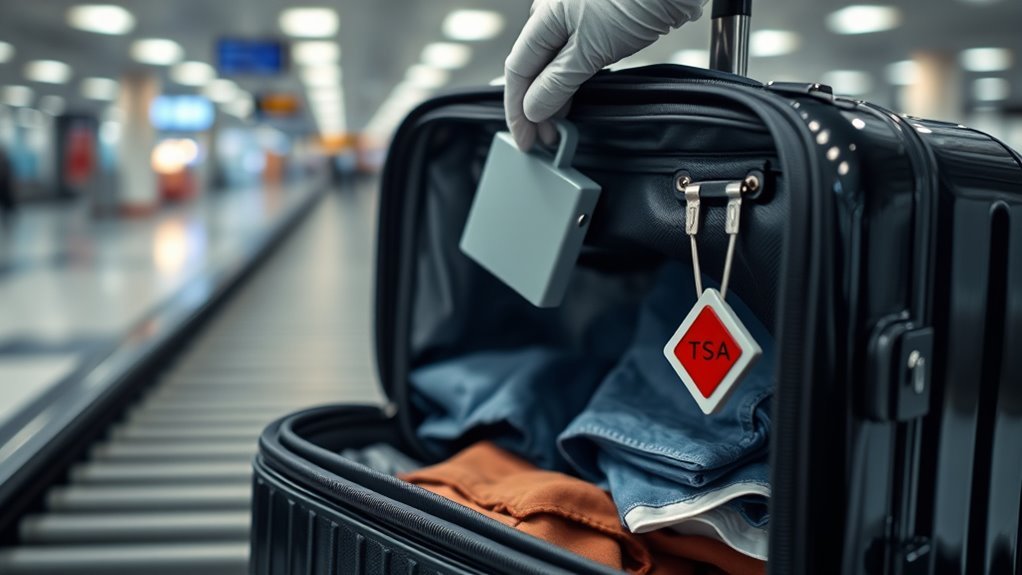
A lock marked as “TSA recognized” or sold as a TSA-compatible lock may allow authorized officers to open and relock it with a security tool. This can reduce the chance that the lock will be cut, but it does not guarantee that the lock will never be damaged.
A TSA-compatible lock does not stop TSA from inspecting your bag. It only gives authorized screening officers a way to open some locks without cutting them.
Before checking your bag:
- Check the lock packaging for TSA recognition.
- Confirm that the lock is set correctly.
- Do not place the key or combination instructions inside the locked bag.
- Avoid using a private lock that TSA cannot open if you want to reduce the risk of damage.
- Keep valuables and vital items out of checked luggage.
TSA does not approve every lock that uses the word “TSA” in its marketing. Look for a recognized mark or confirm the product details with the manufacturer.
Does TSA search every checked bag?
No. TSA screens all checked bags, but it does not physically open every bag.
Most luggage can move through the screening process without an officer opening it. Automated systems may clear a bag when the image and other screening results do not show a security concern.
Still, no passenger can assume that a checked bag will remain unopened. TSA may inspect any checked bag when needed. You should pack every bag as though a security officer could see and handle its contents.
This also means you should not use checked luggage to hide an item from TSA. If an item is not allowed on an aircraft, placing it beneath clothing or inside another container will not make it acceptable.
The screening decision depends on the bag, its contents, the screening system, and the security procedures in use at that airport. Travelers should not expect the same type of inspection on every trip.
What happens if TSA finds a prohibited item?
If TSA finds a prohibited item, the result depends on the item and the situation. TSA may remove the item, refer the matter to law enforcement, or take another action allowed by federal rules.
A prohibited item may be:
- Removed from the bag.
- Turned over to local or federal law enforcement.
- Reported to the airline or another agency.
- Allowed only when packed in a different way.
- Treated as a possible criminal or security issue.
Some items are allowed in checked luggage but not in a carry-on bag. Others are forbidden in both types of luggage. A firearm, for example, may be transported under specific airline and federal requirements in checked baggage, but it cannot be carried loose in the aircraft cabin.
Certain items have special rules:
| Item | Typical U.S. baggage rule |
|---|---|
| Large liquid container | Usually not allowed in a carry-on, but may be allowed in checked luggage if it is not hazardous |
| Power bank | Must generally go in carry-on baggage, not checked baggage |
| Spare lithium battery | Usually must go in carry-on baggage |
| Firearm | May be allowed in checked baggage when unloaded, locked, declared, and packed under the applicable rules |
| Aerosol or fuel | Rules vary by product and may prohibit transport altogether |
| Medication | Usually best kept in carry-on baggage; special rules may apply |
| Sharp object | Often restricted in carry-on baggage but may be allowed in checked baggage |
These are general examples, not permission for every product. A specific item may have limits based on its size, chemical contents, battery rating, or packaging.
Check the TSA What Can I Bring? database and the airline’s rules before packing. For hazardous materials, also check current guidance from the Federal Aviation Administration.

What should you not pack in checked luggage?
Do not pack items that could create a fire, explosion, chemical hazard, or security threat. Pay special attention to batteries and valuables.
Keep spare batteries and power banks in your carry-on
Spare lithium batteries and power banks generally belong in carry-on baggage. If a battery overheats or catches fire in the cabin, the crew can respond quickly. A fire in the cargo hold is harder to detect and manage.
Devices with installed batteries may have different rules. A laptop, camera, or phone may be permitted in checked luggage in some situations, but carrying it with you is usually safer and more practical.
Protect loose batteries from contact with metal objects. Keep them in their original packaging, a battery case, or a separate plastic bag.
Do not check valuables
TSA screening is not a substitute for protecting your property. Keep these items with you when possible:
- Cash
- Jewelry
- Identification
- Prescription medicine
- Important documents
- Electronics
- Irreplaceable items
- Items needed soon after arrival
Airlines often exclude or limit liability for valuables placed in checked luggage. Read the airline’s baggage terms before travel.
Pack liquids and food with care
Many liquids that are restricted in carry-on bags may be allowed in checked baggage. However, flammable liquids, fuel, some chemicals, and other hazardous materials may be forbidden.
Food can also create confusion during screening. Dense food, powders, and large containers may make X-ray images harder to interpret. Pack food in sealed containers and check both TSA and destination rules, especially when crossing an international border.
Can TSA see everything inside a checked bag?
TSA screening equipment can show the shape, density, and arrangement of many items. It does not work like a simple photograph of every object from every angle.
An X-ray image may not clearly identify an item. That is why TSA may open a bag for closer inspection. Clothing can cover objects, and tightly packed items can overlap on the image.
TSA officers may also inspect the contents by hand. They may look inside containers, move clothing, or remove an item for further review.
A screening image is not a guarantee that TSA will find every prohibited item. Travelers remain responsible for checking the rules before packing. Do not rely on a screening gap as a way to carry a restricted item.
What if TSA damages or opens your luggage?
First, check for a TSA inspection notice. The notice can help explain why the bag was opened.
Then compare the bag and its contents with what you packed. Look for:
- A damaged zipper, lock, or strap
- A broken suitcase shell
- Missing contents
- Spilled or opened containers
- A resealing strip or security tape
- A notice describing the inspection
If the bag is damaged or an item is missing, document the problem at once. Take clear photographs, keep the inspection notice, and save your baggage claim tag and travel documents.
Contact the right party:
- Airline: Contact the airline for delayed, damaged, or missing checked baggage.
- TSA: Contact TSA about a security inspection, possible property loss during screening, or questions about screening procedures.
- Law enforcement: Contact the appropriate agency if you believe a serious theft or crime occurred.
TSA’s claims and complaints page explains how to submit a concern. The airline may have a separate deadline for damaged or missing baggage, so do not wait.
A TSA inspection notice does not prove that TSA caused every type of damage or loss. The airline, airport baggage system, another agency, or ordinary handling may also be involved. Give the agency or airline the facts and supporting records rather than assuming who caused the problem.
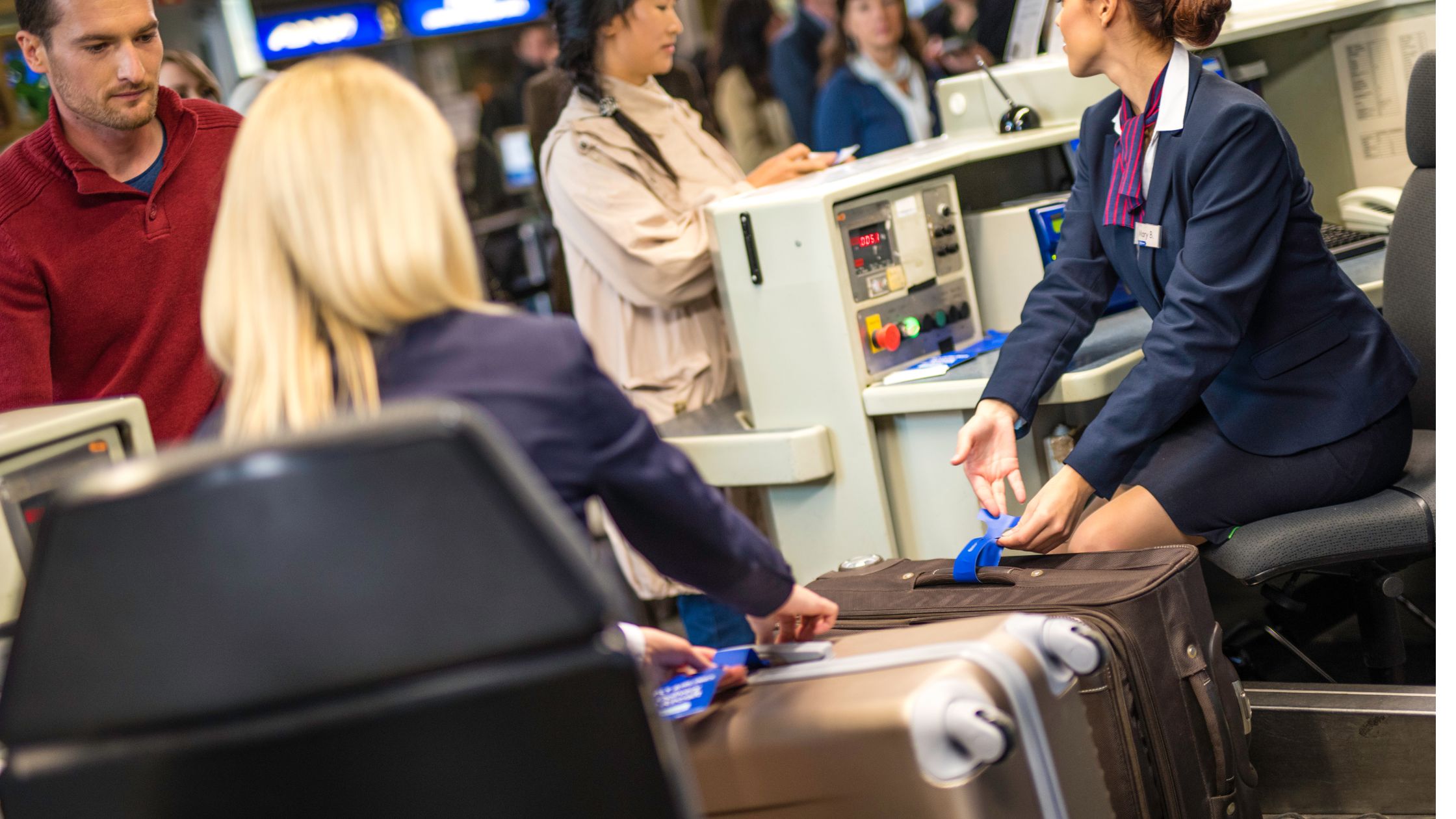
Is checked luggage safer than carry-on luggage?
Checked luggage is not automatically safer. It may be useful for heavy or large items, but you have less control over it after check-in.
Carry-on luggage stays with you through most of the journey. That makes it better for medicine, documents, electronics, and other items you cannot easily replace.
Checked luggage can be useful when:
- Your items are too large or heavy for the cabin.
- You need to pack liquids that exceed carry-on limits.
- You want to avoid carrying a heavy bag through the airport.
- Your airline’s carry-on space is limited.
Carry-on luggage is usually better when:
- You need the item during the flight.
- The item is valuable.
- The item is fragile.
- The item contains a spare battery.
- The item is essential for health or work.
- Losing the bag would cause serious problems.
A simple rule works well: check bulky, replaceable items; carry valuable, fragile, essential, and battery-powered items when the rules allow it.
Does TSA search checked luggage on international flights?
Yes. TSA screens checked luggage for flights departing from U.S. airports, including international flights.
International travel adds other inspections. The destination country may inspect your luggage when you arrive. U.S. Customs and Border Protection may inspect bags when you return to the United States. Agricultural, food, medication, and customs rules can differ from TSA rules.
An item allowed through TSA screening may still be restricted by the destination country. For example, food, plants, animal products, and prescription drugs may require additional review or documentation.