Introduction
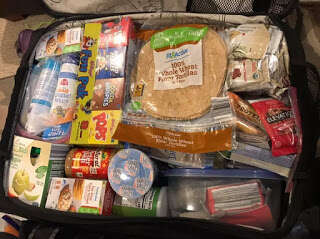
Yes. In the United States, you can pack many types of food in your suitcase, whether you place it in a carry-on bag or checked luggage. Solid foods such as bread, snacks, canned goods, pasta, and baked treats are usually allowed.
The main limits involve liquids, gels, food safety, weight, and customs rules. Domestic flights within the United States are often simple. International trips need more care because the country you enter may restrict meat, dairy, fresh produce, seeds, and other agricultural items.

What Food Can You Pack in a Suitcase?
You can usually pack solid food in both carry-on and checked luggage. The Transportation Security Administration (TSA) allows most solid foods after screening, although an officer may inspect items that look unusual or block the X-ray image.
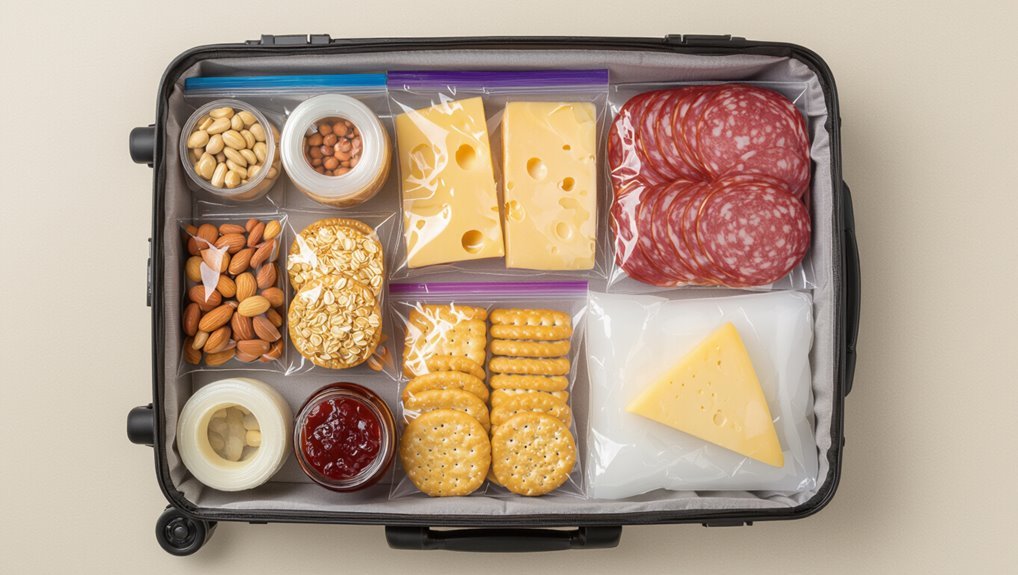
Common foods that are generally allowed include:
- Bread, bagels, tortillas, and crackers
- Cookies, cakes, and other baked goods
- Candy and chocolate
- Dry cereal, granola, and trail mix
- Chips, pretzels, and nuts
- Pasta, rice, and dry beans
- Sandwiches and wraps
- Hard cheese
- Canned food
- Coffee and tea
- Spices and seasoning
- Baby food and formula, subject to special rules
- Frozen food that remains frozen during screening
A food item may be allowed by TSA but still restricted by an airline or a foreign customs agency. Airport security rules answer whether the item may pass through screening. Customs rules answer whether the item may enter another country.
That difference matters most on international trips.
Carry-on food versus checked-bag food
Carry-on bags must pass through airport security. Checked bags do not go through the same passenger screening process, but they are still subject to airline, customs, and agricultural rules.
| Food type | Carry-on bag | Checked suitcase | Main concern |
|---|---|---|---|
| Solid snacks | Usually allowed | Usually allowed | Packaging and weight |
| Sandwiches | Usually allowed | Allowed, but may spoil | Food safety |
| Canned food | May need extra screening | Usually allowed | Liquid or heavy contents |
| Peanut butter | Limited as a liquid or gel | Usually allowed | TSA liquid rule |
| Fresh fruit | Often allowed on domestic flights | Often allowed domestically | International restrictions |
| Frozen food | Usually allowed if frozen solid | Usually allowed | Melting and leakage |
| Alcohol | Size and strength limits | Quantity and packaging limits | TSA, FAA, and airline rules |
If you pack food in checked luggage, use sealed packaging and place leak-prone items inside a second plastic bag. A small spill can damage clothing, electronics, passports, or other luggage.

How the TSA Liquid Rule Applies to Food
The TSA treats many foods as liquids, gels, creams, or pastes. These items generally must follow the 3-1-1 liquids rule in a carry-on bag:
- Each container must hold 3.4 ounces (100 milliliters) or less.
- Containers must fit in one quart-size clear plastic bag.
- Each passenger may carry one such bag through the checkpoint.
This rule applies to more than drinks. It can also apply to foods that spread, pour, or have a liquid texture.
Examples include:
- Peanut butter
- Jam and jelly
- Honey
- Yogurt
- Hummus
- Salsa
- Soup
- Soft cheese
- Maple syrup
- Liquid coffee creamer
– Salad dressing - Canned foods with liquid
- Applesauce
A large jar of peanut butter is not treated like a solid snack. It is a spread, so TSA may classify it as a liquid or gel. Pack a larger container in checked luggage instead.
Some foods may be allowed in a carry-on bag when they are frozen solid. If a frozen item begins to melt and contains liquid, the 3.4-ounce rule may apply. TSA officers make the final decision at the checkpoint.
Food exceptions for infants and medical needs
TSA allows reasonable quantities of breast milk, infant formula, toddler drinks, baby food, and liquid or gel-filled teethers in carry-on bags. These items do not have to fit within the standard quart bag when they are traveling with an infant or young child.
Passengers may also bring medically necessary liquids, gels, and foods in larger amounts. Tell the TSA officer at the start of screening. The item may receive additional inspection.
Review the current rules on the official TSA food page and TSA page for traveling with children.

Packing Food in Checked Luggage
Checked luggage is often the easiest place for large, dense, or liquid food. It can hold full-size jars, cans, bottles, and larger packages that would not pass through the carry-on liquid limit.
Good choices for checked luggage include:
- Factory-sealed canned food
- Large jars of sauce or spread
- Bottles of oil or vinegar
- Full-size drinks
- Bulk snacks
- Dry ingredients
- Bottled spices
- Unopened packaged foods
Pack these items in the center of the suitcase. Surround glass containers with clothing or other soft items. Then place each container in a leak-resistant bag.
A simple packing method
- Check whether the food is legal for your route.
- Keep the food in its original package when possible.
- Tighten lids and seal openings with tape.
- Place liquids and jars in a strong leak-proof bag.
- Wrap glass in clothing or protective padding.
- Put heavy items near the suitcase wheels.
- Leave space around fragile containers.
- Check the suitcase weight before going to the airport.
Do not pack food beside passports, medication, electronics, or clothing that cannot be replaced easily. A suitcase can be dropped, stored in heat, or delayed for many hours.
Canned food and metal containers
Canned food is usually permitted, but cans may be heavy and may require additional inspection. In a carry-on bag, canned food can also appear unclear on an X-ray because of its dense contents. TSA may ask to inspect it.
If the can contains liquid, carry-on screening rules may limit its size. A full-size can is usually more practical in checked baggage.

Packing Perishable, Frozen, or Homemade Food
You can often travel with perishable food, but permission does not make it safe to eat. Meat, dairy, seafood, cooked meals, and other perishables can spoil if they stay warm for too long.
Use an insulated cooler or a well-sealed container. Pack food with frozen gel packs or dry ice when allowed by the airline. Keep the food cold until you can refrigerate it.
Frozen food
Frozen food is generally easier to carry when it remains completely frozen. If it has melted and contains liquid, TSA may apply the liquid rule for a carry-on bag.
For checked luggage, melting food can leak into the suitcase. Use:
- A sealed container
- Several leak-resistant bags
- Frozen gel packs
- An insulated liner
- A clear label if the package contains unusual materials
Airlines may have their own rules for gel packs, coolers, and dry ice. Check the airline’s baggage policy before packing.
Dry ice
Dry ice is solid carbon dioxide. It releases gas as it warms, so it must not be placed in a fully airtight container.
The Federal Aviation Administration permits limited amounts of dry ice for cooling perishables when the package allows carbon dioxide gas to escape. The package should be marked with the words “Dry Ice” or “Carbon Dioxide, Solid,” the weight, and the name and address of the contents. Airline approval is also required.
Rules can vary by airline. Contact the carrier before arriving at the airport, especially if the package contains more than a small amount.
Homemade meals
A homemade meal may pass through TSA if its contents meet the rules. The greater concern is leakage, smell, spoilage, and customs control.
Use a firm, sealed container. Avoid packing gravy, soup, or sauces in a carry-on unless each container meets the liquid limit. For international travel, declare the food when required, even if it is homemade.

Can You Pack Food on an International Flight?
Yes, but international travel has two separate stages:
- Leaving the United States
- Entering the destination country
TSA controls security screening when you depart from a U.S. airport. Customs and agriculture officials in the destination country control what you may bring across its border.
Many countries restrict:
- Fresh fruit and vegetables
- Meat and meat products
- Poultry
- Milk and dairy products
- Eggs
- Seeds and plants
- Soil
- Honey
- Homemade foods
- Fish and seafood
- Animal products
Commercially sealed, shelf-stable foods are often easier to bring than fresh or homemade foods. However, “often” does not mean “always.” Each country has its own rules.
Before packing, check:
- The destination country’s customs agency
- The destination country’s agriculture or biosecurity agency
- Your airline’s baggage policy
- Any transit country where you must collect and recheck bags
The U.S. Department of Agriculture’s APHIS traveler guidance explains what travelers may bring into the United States. If you return to the U.S., declare all agricultural products when required. Declaring an item does not guarantee admission, but failing to declare a restricted item can lead to penalties.
Why fresh food creates problems
Fresh food can carry insects, plant disease, or animal disease. Border agencies restrict these items to protect farms, livestock, and ecosystems.
A snack that is legal to carry onto an airplane may still be taken at the border. For example, a sealed sandwich may pass security in the United States but cause a problem when entering another country if it contains meat or dairy.
If you do not plan to eat a fresh item before landing, check the destination rules first. When in doubt, leave it behind or declare it.
Food, Alcohol, and Airline Baggage Limits
Security approval does not cover every travel rule. Airlines may limit the size, weight, or packaging of your suitcase.
Food can make a suitcase surprisingly heavy. Cans, bottles, jars, and frozen packages add weight quickly. A bag that meets TSA rules may still exceed the airline’s checked-baggage limit and trigger a fee.
Alcohol has additional rules. In general:
- Alcoholic drinks with 24% alcohol by volume or less are not subject to the same federal hazardous-material limit, but airline and customs rules may still apply.
- Alcohol above 24% and up to 70% alcohol by volume is generally limited to 5 liters per passenger in checked baggage and must remain in unopened retail packaging.
- Alcohol above 70% alcohol by volume is generally prohibited in both carry-on and checked baggage.
- Carry-on alcohol must also meet the 3.4-ounce container rule unless purchased after security in a sealed duty-free bag.
These limits can vary based on the airline, route, and destination. The FAA provides guidance on alcoholic beverages and hazardous materials.
Do not pack homemade alcohol or an unlabeled bottle. Security staff may not be able to identify it, and customs officials may apply separate restrictions.
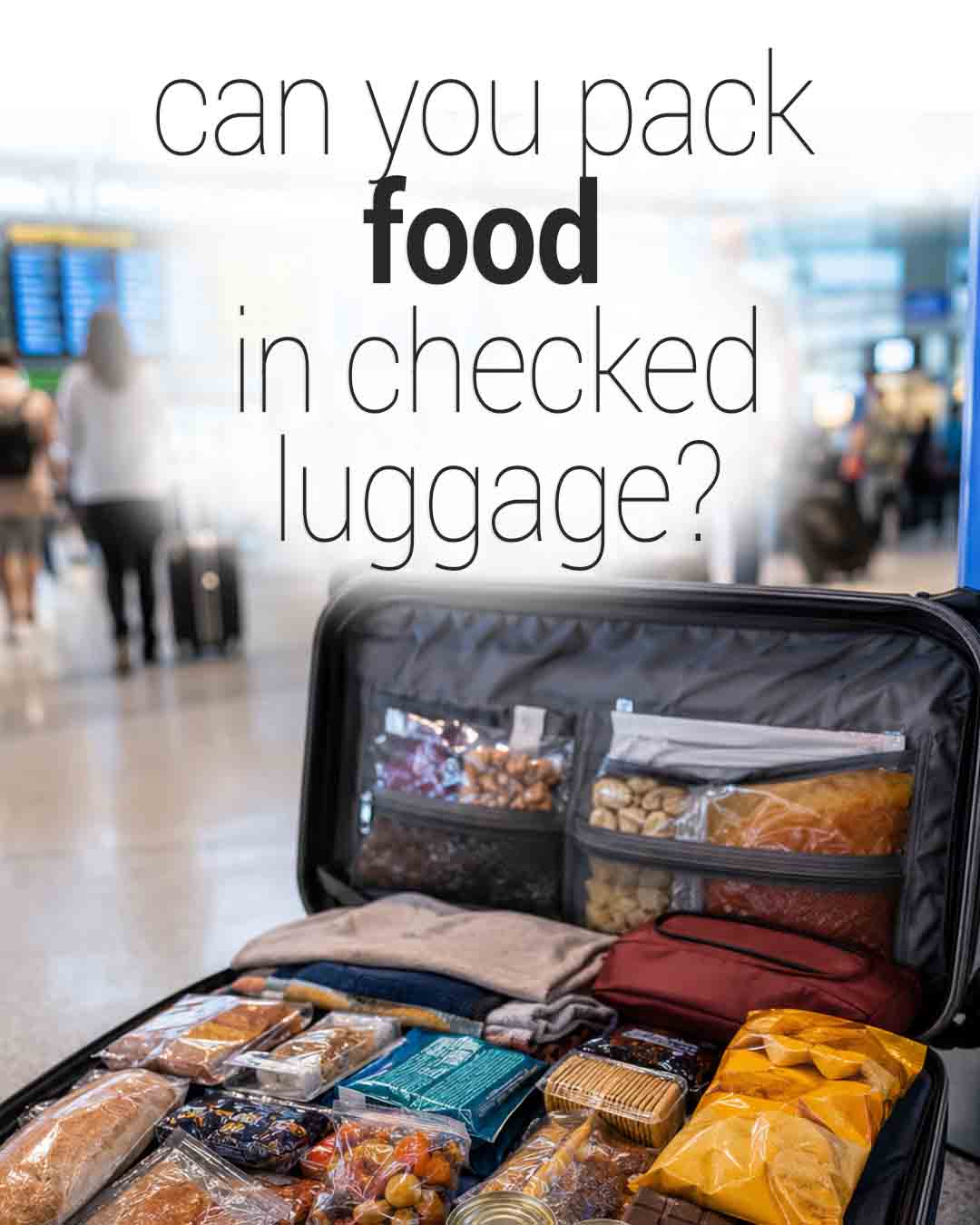
Food Packing Rules by Travel Situation
The best way to decide what to pack is to match the food to the trip.
| Travel situation | Usually easiest foods | Foods needing extra care |
|---|---|---|
| U.S. domestic flight | Dry snacks, sandwiches, baked goods | Large spreads, soup, fresh perishables |
| Carry-on only | Solid food in small packages | Liquids, gels, sauces, canned food |
| Checked bag | Cans, bottles, bulk foods | Glass, frozen food, food that can leak |
| International arrival | Factory-sealed shelf-stable food | Meat, dairy, fresh produce, seeds |
| Travel with a baby | Formula, breast milk, baby food | Quantity, screening, cooling |
| Medical diet | Necessary food and liquids | Documentation and extra screening |
| Food gift or souvenir | Sealed, labeled, shelf-stable items | Homemade or unlabeled foods |
A quick decision test
Ask these four questions:
- Is it solid, or does it spread, pour, or contain liquid?
- Will it stay safe and sealed during the trip?
- Does the airline allow its weight, size, and packaging?
- Can the destination country legally receive it?
If the answer to the fourth question is unclear, check the destination’s official customs website before packing. A search result from a travel forum may be outdated or apply to a different country.

Common Mistakes When Packing Food
The most common problems come from treating all food as solid or assuming that TSA rules are the same as customs rules.
Mistake 1: Packing a large spread in a carry-on
Peanut butter, hummus, jam, and soft cheese may count as liquids or gels. Move large containers to checked luggage.
Mistake 2: Forgetting that cans are heavy
A few cans can add several pounds to a suitcase. Weigh the bag after packing and leave room for the airline’s limit.