To set a key lock on a suitcase, place the key in the lock, turn it to the unlock position, close the suitcase, and turn the key back to lock it. Some suitcase locks also need a small lever or button moved before the lock can be set. Always test the lock while the suitcase is open.
For air travel in the United States, check whether the lock is TSA-recognized before you use it on checked luggage. A TSA-recognized lock may let Transportation Security Administration officers open and relock your bag during screening without breaking the lock. You can learn more at the official TSA luggage lock guidance.
What Kind of Suitcase Lock Do You Have?
The first step is to identify the lock. A “key lock” can mean a built-in lock, a small padlock, or a lock attached to the suitcase zipper pulls.
Built-in key lock
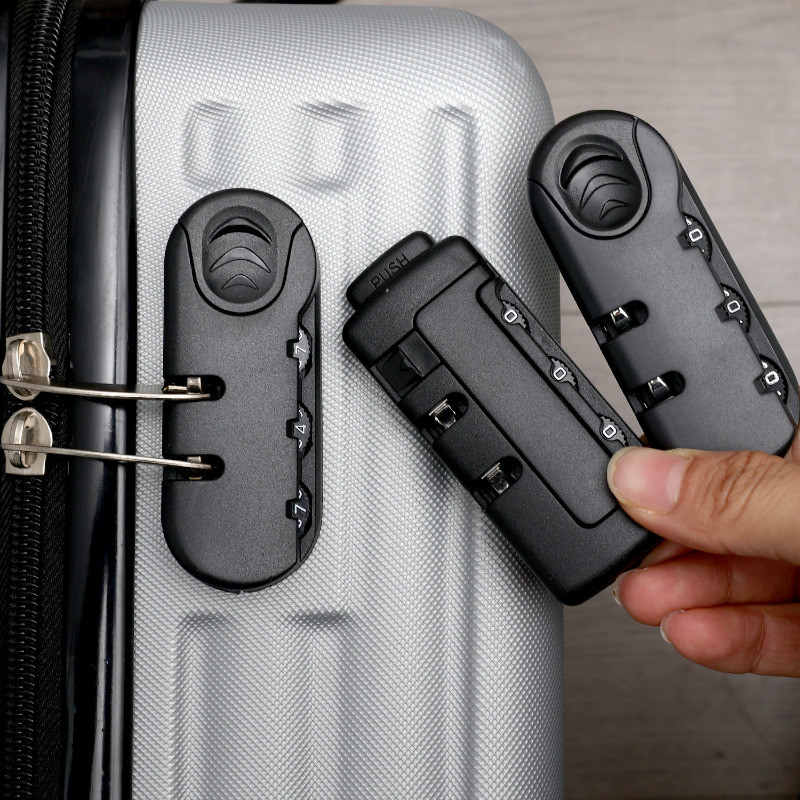
A built-in key lock is fixed to the suitcase shell or frame. It often has:
- A keyhole near the suitcase handle
- Two metal tabs that hold the case shut
- A small latch or sliding button
- A lock body built into the zipper track or case frame
This type of lock usually has a matching key supplied with the suitcase.
Keyed padlock
A keyed padlock is separate from the suitcase. You pass its shackle through the zipper pulls or lock holes, then close the shackle with the key.
A padlock is easy to replace. However, it can snag on baggage equipment if it sticks out from the suitcase. A low-profile travel lock is often a better fit than a large household padlock.
TSA-recognized key lock
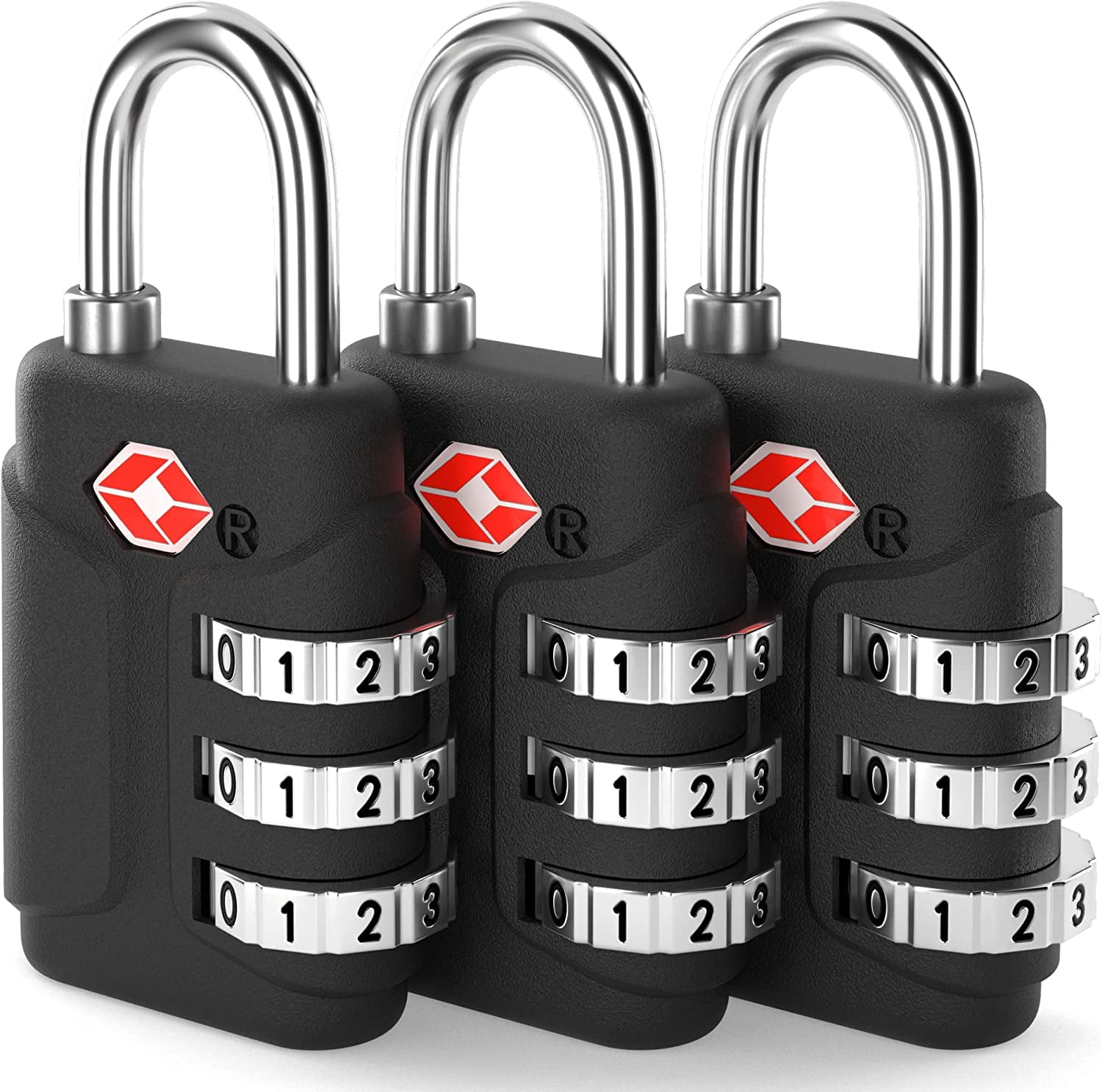
Some travel locks use a key and also display a Travel Sentry diamond mark. That mark indicates that the lock is designed for accepted inspection access in participating security systems.
The mark does not mean the lock is unbreakable. It also does not guarantee that every airport or security agency will use the same process. For U.S. flights, use the current TSA guidance and the instructions supplied with your lock.
How to Set a Built-In Key Lock
Set the lock while the suitcase is open. This prevents you from accidentally locking your belongings inside before you know the lock works.
-
Find the lock and key.
Remove any paper tag or plastic cover from the keyhole. Keep the key close by. -
Insert the key fully.
Do not force it. If it will not slide in, check that you are using the correct key and that the key is facing the right way. -
Turn the key to the unlock position.
Most locks turn clockwise or counterclockwise. Stop when the latch releases. -
Open the suitcase.
Check that the zipper pulls, frame, or locking tabs are seated correctly. A crooked zipper or overfilled case can stop the lock from closing. -
Close the suitcase.
Bring the two sides together without pressing hard. If the case will not close, remove clothing or other items that are blocking the frame. -
Move the latch or locking button, if present.
Some locks have a sliding button. Others have a lever that must be pushed down after the case is closed. -
Turn the key back to the locked position.
Keep light pressure on the suitcase so the tabs stay in place. Do not twist the key with force. -
Remove the key and test the lock.
Pull gently on the suitcase sides or zipper pulls. The lock should hold. Then unlock it and open the case again.
The lock is set when the key can be removed and the case stays closed after you gently test it. Repeat the test two or three times before your trip.
How to Use a Keyed Padlock on a Suitcase
A keyed padlock works best with zipper pulls that have holes large enough for the shackle. If the holes are too small, do not force the lock through them.
-
Close the suitcase zippers.
Pull the zipper sliders together at the end of the zipper track. -
Line up the zipper pulls.
Place the holes in the pulls next to each other. -
Insert the shackle.
Push the open shackle through both zipper-pull holes. -
Press the shackle into the lock body.
You may hear a click. On some locks, you must turn the key while pressing the shackle down. -
Turn the key to lock the padlock.
Follow the arrow or label on the lock. Remove the key. -
Check the shackle.
Pull it gently. It should not come out of the lock body.
Do not attach a bulky padlock to a suitcase that will be checked on a U.S. flight unless it is made for travel and has the required inspection feature. A non-recognized lock may be removed if security officers need to inspect the bag.
How to Tell Whether the Lock Is TSA-Recognized
Look for a Travel Sentry red diamond symbol on the lock or its packaging. You may also see wording such as “TSA accepted” or “TSA recognized.”
The symbol is the useful visual check, but it is not the only thing to review. Confirm the following:
- The symbol is printed on the actual lock, not only on a seller’s web page.
- The lock came with instructions.
- The key turns the lock smoothly.
- The lock fits your suitcase.
- The lock is not damaged or altered.
- The lock is suitable for checked baggage.
A TSA-recognized lock is most useful for checked luggage. You can also use a lock on carry-on luggage, but airport security may still ask you to open the bag. A lock does not remove your duty to allow required screening.
For checked bags, the TSA advises travelers not to lock luggage with a lock that security officers cannot open. Review the TSA list of locks and travel items before departure because rules and screening needs can change.

What to Do If the Key Will Not Turn
A key that will not turn usually points to one of four problems: the wrong key, pressure on the latch, a misaligned zipper, or dirt in the lock.
Use this safe check order:
-
Confirm the key.
Try the key that came with the suitcase. Some luggage includes similar-looking keys for different locks. -
Release pressure.
Press the suitcase halves together or pull them slightly apart while turning the key gently. Do not bend the key. -
Check the zipper pulls.
Make sure they are fully closed and aligned with the lock opening. -
Inspect the keyhole.
Look for a plastic cover, dust, or a bent key. Do not insert a sharp object into the lock. -
Try the key in both directions.
Some locks open with a quarter turn. Others need a full turn or a turn held while the latch moves. -
Stop if the key feels stuck.
Excess force can break the key inside the lock. A luggage repair shop or locksmith can often help without damaging the case.
Avoid pouring oil or household lubricant into a suitcase lock. Some products can collect dust or damage nearby plastic. If the manufacturer allows a lubricant, use only the type and amount listed in the instructions.
What to Do If You Lost the Key
First, check the suitcase pockets, the original packaging, and the travel documents that came with the bag. Some manufacturers provide replacement keys if you have the lock number or suitcase model.
If the key is missing and the suitcase is open, replace the lock if the design allows it. A luggage repair shop can replace many built-in locks and install a new keyed padlock.
If the suitcase is locked, do not pry open the shell or cut near the zipper. You may damage the frame, lining, or contents. Contact the suitcase maker, a locksmith, or a luggage repair service. They may ask for proof that the suitcase belongs to you.
Common Mistakes to Avoid
A few simple mistakes can leave a suitcase locked, damaged, or difficult to inspect.
- Locking the suitcase before testing the key: Test the lock while the case is open.
- Forcing a key: A stuck key can snap inside the lock.
- Overfilling the case: Extra pressure can keep the latch from lining up.
- Using the wrong lock for air travel: A standard padlock may be removed during baggage screening.
- Leaving the key inside the suitcase: Keep it in a secure travel wallet or another place outside the locked bag.
- Ignoring a damaged lock: Replace a lock that is loose, cracked, or hard to operate.
- Assuming a lock prevents theft: A suitcase lock helps deter casual access. It does not make the case theft-proof.
- Locking prescription medicine or essential items in checked luggage: Keep important medicine, identification, keys, and critical electronics in your carry-on when practical.
The best test is simple: close the suitcase, lock it, pull lightly on the closure, unlock it, and open it. If the process feels hard while you are at home, it may be much harder at an airport.

Key Lock vs. Combination Lock
A key lock is a good choice if you prefer a simple mechanism and do not want to remember a number. A combination lock can be more convenient when several people need access or when you do not want to carry a key.
| Feature | Key lock | Combination lock |
|---|---|---|
| Access method | Physical key | Number code |
| Main risk | Lost or bent key | Forgotten code |
| Setup | Usually quick | Requires code selection |
| Shared use | Requires key sharing | Code can be shared |
| Travel use | Must meet inspection needs | Must meet inspection needs |
| Best fit | People who prefer keys | People who prefer keyless access |
Neither type guarantees that a bag will not be opened. The main choice is how you want to manage access. For a built-in lock, use the method in the suitcase manual because some models have a separate reset step or a removable key cylinder.
Can You Set a Key Lock Without the Original Key?
Usually, no. A keyed lock is designed to require its matching key. Some luggage makers sell replacement keys, but they may need the lock number, model, or proof of ownership.
Do not try random keys or household tools. They can damage the cylinder and make professional repair harder. If the suitcase is open, replacing the lock is often simpler than trying to change its key mechanism.
Should You Lock Checked Luggage in the United States?
You may lock checked luggage, but use a lock that follows the inspection requirements for your route and airport. For travel through the United States, a TSA-recognized lock is the safer choice for checked bags.
Keep valuables, travel documents, medicine, spare keys, and items needed during the journey in your carry-on when possible. A lock is one layer of protection, not a substitute for smart packing.
Frequently Asked Questions
How do I know if my suitcase has a key lock?
Look for a keyhole on the case frame, near the handle, or beside the zipper pulls. A built-in key lock may also have a latch, metal tabs, or a sliding release button.
Where does the suitcase key usually come from?
The key may be attached to the suitcase tag, placed inside a small envelope, or included in the original packaging. Check every outer pocket before traveling.
Can I use a regular padlock on my suitcase?
You can use one if it fits the zipper pulls, but a regular padlock may be removed during security screening. For checked luggage in the United States, use a lock identified as TSA-recognized.
What happens if the TSA needs to inspect a locked bag?
Security officers may open a bag for inspection. A recognized travel lock is designed to allow authorized access and relocking. A lock without the needed access feature may be cut or removed.
Why does my suitcase lock work when open but not when closed?
The case may be overfilled, the zipper pulls may be misaligned, or the locking tabs may not be seated. Remove pressure, realign the closure, and test the lock again. Do not force the key.