How To Sleep In A Hammock
Many people think sleeping in a hammock is only for relaxing on a sunny day or taking a short nap. But you can actually sleep in a hammock overnight—and wake up feeling refreshed. I remember the first time I tried sleeping in a hammock while camping in the woods.
I was surprised at how comfortable it was, once I learned a few tricks. In this guide, I’ll share what I’ve learned from experience and research, so you can sleep well in a hammock too.
Why Sleep In A Hammock?
Sleeping in a hammock is not just for fun. It has real benefits:
- Comfort: Many people find hammocks more comfortable than beds. The fabric supports your body with no pressure points.
- Better Sleep: The gentle rocking can help you fall asleep faster. Some studies suggest people sleep deeper in a hammock.
- Back Health: Hammocks can help your spine stay in a healthy position if you lie correctly.
- No Bugs or Wet Ground: When camping, sleeping above the ground keeps you away from insects and damp soil.
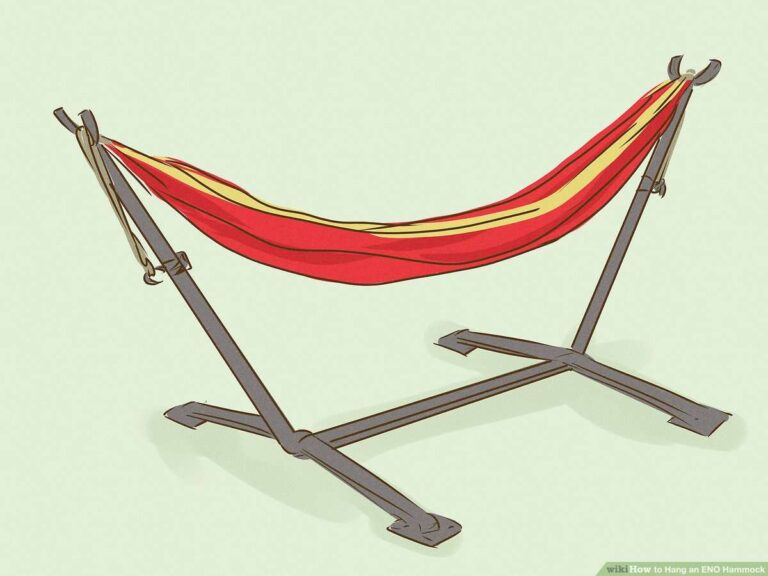
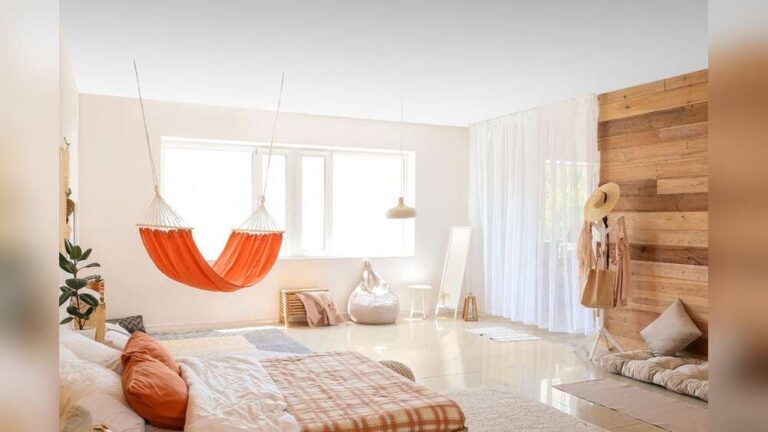
- Easy Setup: You can set up a hammock almost anywhere with two strong points—trees, posts, or even on a balcony.
Still, sleeping in a hammock needs some know-how. Let’s go step by step.
Picking The Right Hammock
The first step is choosing the best hammock for sleep, not just for lounging.
Size Matters
A sleeping hammock should be longer and wider than your body. For most adults, a hammock about 10 to 11 feet long and 4 to 6 feet wide works best. Shorter hammocks can feel tight and make your back curve too much.
Material
Hammocks come in different materials:
- Cotton: Soft and comfortable, but can get heavy if wet.
- Nylon or Polyester: Light, dries fast, strong—great for camping.
- Mesh: Breathable, nice in hot weather, but not as cozy in the cold.
For outdoor sleeping, a lightweight nylon or polyester hammock is a good choice.
Types Of Hammocks
There are many kinds. Here’s a quick comparison:
| Type | Best For | Drawbacks |
|---|---|---|
| Brazilian Hammock | Indoor sleep, comfort | Heavy, not weatherproof |
| Camping Hammock | Outdoor sleep, travel | Less padding |
| Rope Hammock | Hot climates, airflow | Can leave marks on skin |
Weight Limit
Always check the weight rating. Most hammocks hold at least 250 pounds. Some heavy-duty models can support up to 500 pounds or more.
How To Hang Your Hammock
Correct hanging makes the biggest difference in sleeping well.
Find The Right Distance
You need two strong points about 12-15 feet apart. Trees, posts, or walls can work. Never use weak or dead trees—they can break.
Hanging Angle
The ideal angle is about 30 degrees from horizontal. If it’s too tight, the hammock will squeeze your shoulders. Too loose, and you’ll sag too much.
Height From Ground
Hang the hammock so the lowest point is about 18 inches off the ground. That’s about chair height—easy to get in and out.
Secure Suspension
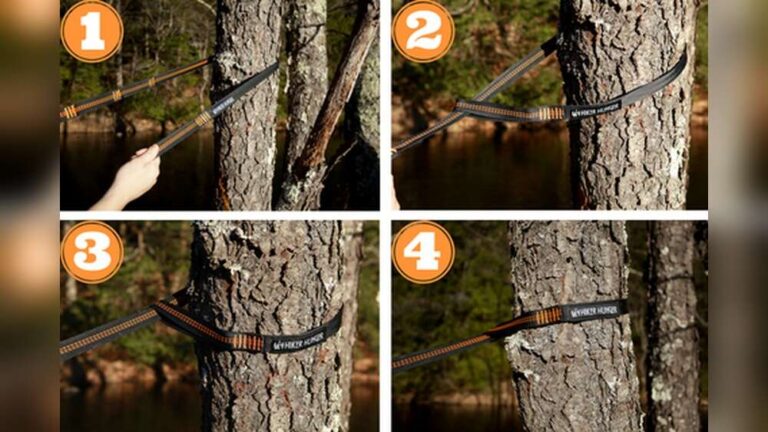
Use strong straps or ropes. Modern tree straps are wide and gentle on trees. Avoid thin cords—they can damage bark and may not hold well.
Test Before Use
Sit and gently lie back. If the hammock creaks or moves too much, check the knots and supports again.
Getting Into The Hammock
It’s easy to fall out if you rush. Here’s how to get in safely:
- Stand with your back to the hammock.
- Use one hand to hold the edge and lower yourself slowly.
- Sit in the middle, then swing your legs inside.
- Lie back gently and adjust your position.
I once tried to jump into a hammock quickly and flipped right out. Since then, I always take it slow!
The Best Sleeping Position
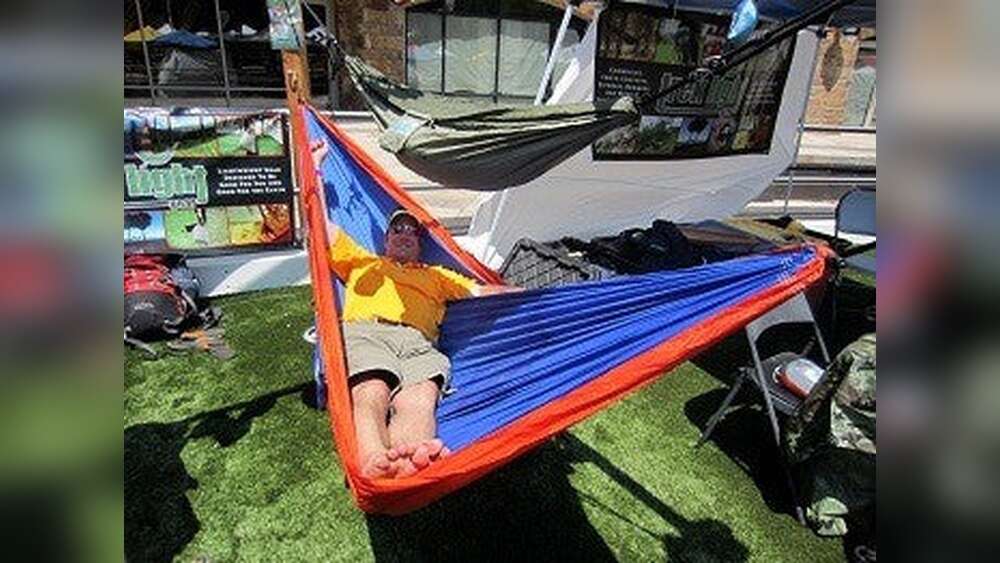
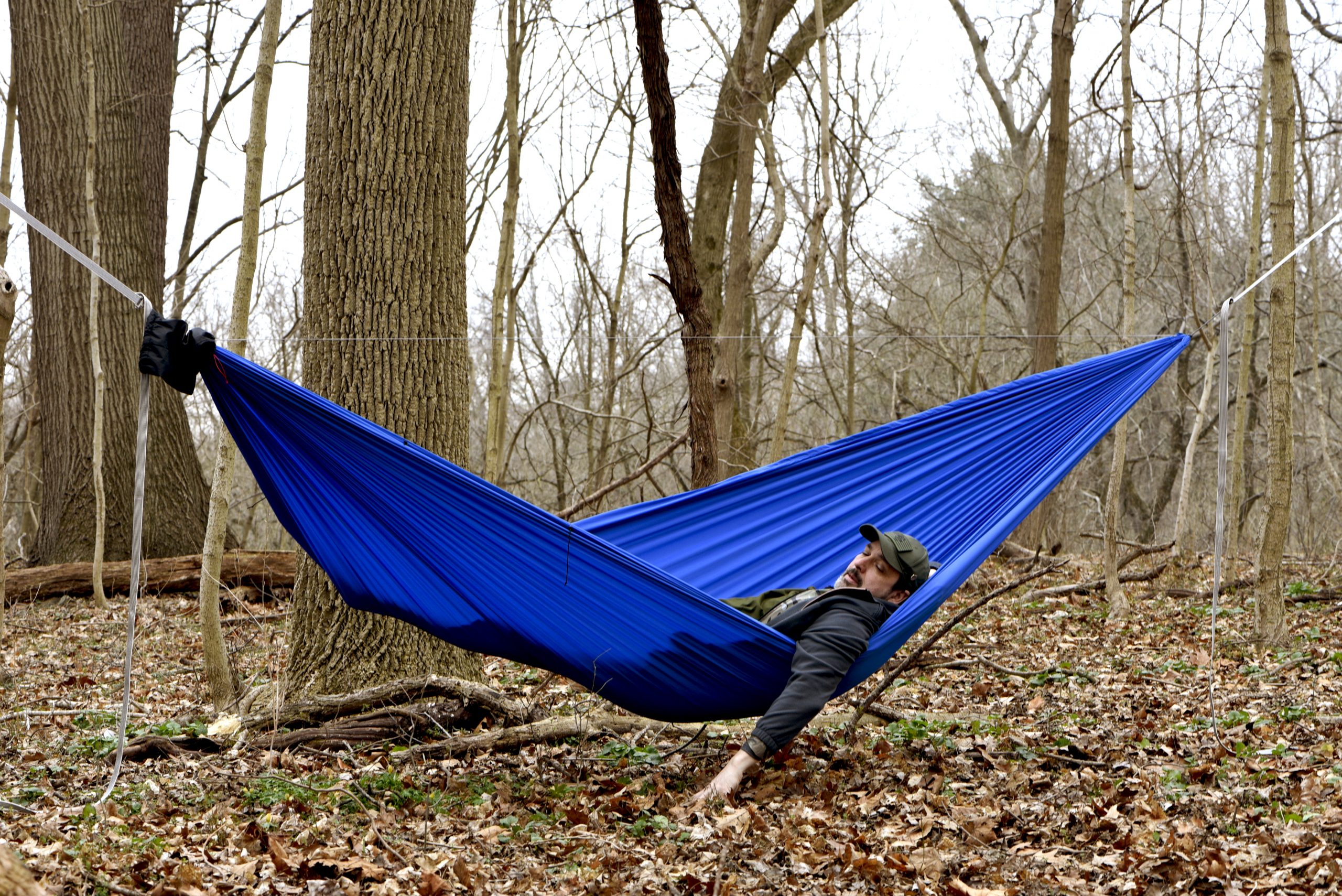
Many beginners try to lie straight in line with the hammock. This causes your back to curve and can feel tight. The secret to comfort is to lie diagonally.
Diagonal Sleeping
Lie at about a 30-degree angle to the hammock’s length. Your head and feet should point toward opposite corners. This lets your body lay almost flat, with less pressure on your back.
Side Sleeping
Many people think you can only sleep on your back in a hammock. But if the hammock is wide enough, you can sleep on your side. Bend your knees a little, and use a small pillow if needed.
Staying Warm
Sleeping in a hammock can get cold, even in summer. The air moves under you and steals heat from your back. This is called “cold butt syndrome”.
Ways To Stay Warm
- Sleeping Pad: Put a foam or inflatable pad inside the hammock under your back.
- Underquilt: This is a special blanket that hangs under the hammock to trap heat.
- Sleeping Bag: Use one that’s rated for the lowest temperature you expect.
- Wear Layers: Dress in warm, dry clothes.
On a cool night in spring, I once thought a blanket would be enough. I woke up shivering at 2 a. m. Ever since, I always use a sleeping pad or underquilt.

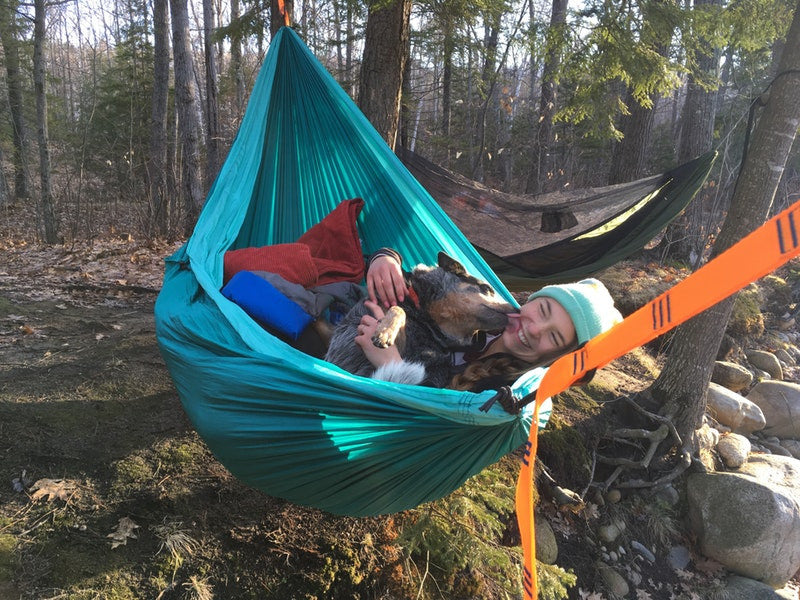
Credit: scoutingmagazine.org
Staying Dry
If you’re sleeping outside, rain can ruin your night. Always prepare for wet weather.
Rain Tarp
Hang a waterproof tarp above your hammock. It should cover the whole hammock, with extra space on the sides. Angle the tarp so water runs off easily.
Drip Lines
Rain can run down the hammock straps into your bed. Tie a small string or cloth around each strap, just before the hammock. Water drips off here, not into your hammock.
Ground Sheet
Put a small ground sheet under your hammock. It keeps your gear dry and gives you a clean spot for shoes or bags.
Bug Protection
Mosquitoes and other bugs can turn sleep into misery. There are several ways to stay safe.
Bug Net
A zippered bug net that fits around the hammock is best. Some hammocks come with built-in nets. Make sure it closes tight with no gaps.
Bug Spray
Spray your body and hammock with insect repellent before bed. This adds extra protection.
Hang Location
Avoid hanging near still water, like ponds or swamps. These are mosquito breeding grounds.
Using Pillows And Blankets
A small pillow under your head or knees can make a big difference.
- Neck pillow: Supports your head and helps relax your neck.
- Knee pillow: If you’re a back sleeper, a small pillow under your knees can reduce lower back pressure.
- Blanket or top quilt: Choose one that’s warm but not too heavy.
Keeping Your Gear Close
Sleeping in a hammock means your bag and shoes are on the ground. Here’s how to manage your things:
- Gear sling: Hang a small bag from the hammock’s support line for easy access to your phone, light, or water.
- Shoes: Keep them under your hammock on a mat. Slip them on easily if you need to get up at night.
- Backpack cover: Use a waterproof cover or bag to keep your gear dry.
Safety And Comfort Tips
Check Surroundings
Never hang your hammock above sharp rocks, water, or anything dangerous. Look up to make sure there are no dead branches (“widowmakers”) above you.
Don’t Overload
Stick to the hammock’s weight limit. Two people in a single hammock can be fun for a short time, but not for overnight sleep.
Nighttime Bathroom Trips
Bring a small flashlight or headlamp. Know the path to the bathroom or bush before it gets dark.
Practice First
Try sleeping in your hammock at home or in the backyard before camping far away. This helps you find the best setup and comfort tricks.
Hammock Vs. Tent: Which Is Better?
People often ask if hammocks are better than tents for sleeping outdoors. Here’s a side-by-side look:
| Feature | Hammock | Tent |
|---|---|---|
| Comfort | Very high (if set up right) | Can be uneven or hard ground |
| Setup time | Fast (under 10 minutes) | Longer (15-30 minutes) |
| Bug protection | Need net or spray | Usually built-in |
| Privacy | Low | High |
| Weather protection | Needs tarp | Usually good |
| Back support | Excellent (diagonal sleep) | Can be uncomfortable |
Both have pros and cons. Hammocks win for comfort and speed, but tents offer more privacy and weather protection.
Common Mistakes To Avoid
Many beginners make the same errors. Here’s how to avoid them:
- Hanging too tight: This causes shoulder squeeze and back pain.
- Sleeping straight: Always lie at an angle for best comfort.
- Ignoring cold air: Always use a pad or underquilt.
- Skipping bug net: Mosquitoes can bite through thin fabric.
- Choosing bad anchor points: Weak trees can break.
- Not checking above: Dead branches can fall in a storm.
Advanced Tips For Better Hammock Sleep
Use A Ridgeline
A ridgeline is a cord that runs above your hammock from one end to the other. It keeps the hammock shape perfect every time and gives a place to hang lights or gear.
Foot End Higher
Hang the foot end about 6 inches higher than the head. This keeps you from sliding toward the middle at night.
Ventilation
Open the tarp or bug net a little if it’s warm. Airflow prevents condensation and keeps you dry.
Earplugs And Eye Mask
In the wild, sounds and early sunlight can wake you up. Earplugs and an eye mask help block noise and light for better rest.
Practice Makes Perfect
Try different setups, pillow sizes, and angles. What works for one person may not work for another. After a few nights, you’ll find your best fit.
Credit: www.grandtrunk.com
Health And Safety Considerations
Who Should Avoid Hammock Sleeping?
While most people can sleep in a hammock, some should check with a doctor first:
- People with serious back or joint problems
- Those with balance issues
- Pregnant women (ask your doctor)
- Very young children (risk of falling)
Pressure Points And Back Health
Research shows that a flat, diagonal lay in a hammock supports your spine. However, if you feel back pain, try adjusting your angle or adding a pillow under your knees.
Cleanliness
Wash your hammock often, especially if you sleep outside. Most fabric hammocks can go in the washing machine on a gentle cycle.
Environmental Responsibility
Always use wide straps (at least 1 inch) to protect tree bark. Never harm living trees or plants. Leave your camping spot cleaner than you found it.
For more details on responsible hammock camping, see the Leave No Trace Center for Outdoor Ethics.
Credit: dutchwaregear.com
My Personal Experience: The First Overnight
On my first overnight hammock trip, I made a few mistakes. I hung the hammock too tight, slept in a straight line, and used only a thin blanket. I woke up cold and a little sore. The next night, I set the hammock looser, slept at an angle, and used a foam pad.
I slept much better and woke up pain-free. Now I almost always choose my hammock over a tent for camping.
Frequently Asked Questions
Can You Sleep In A Hammock Every Night?
Yes, many people sleep in hammocks every night. It’s common in some countries, like Brazil. If you set it up well and sleep diagonally, it can be good for your back. Listen to your body—if you feel pain, try adjusting your position or add a pillow for support.
Is Hammock Sleeping Safe For Your Back?
Sleeping in a hammock can be safe, and even healthy for your back, if you sleep at a diagonal angle. This supports your spine naturally. If you have back problems, talk to your doctor before switching from a bed to a hammock.
How Do You Keep Warm In A Hammock?
Use a sleeping pad or underquilt under your back, and a warm sleeping bag or blanket on top. Wear warm clothes and add a hat if it’s cold. Even in summer, the air under your hammock can make you cold at night.
What If It Rains While I’m Sleeping In A Hammock?
Always hang a waterproof tarp above your hammock. Use drip lines on the straps to stop water from running into the hammock. Keep your gear in a waterproof bag and use a ground sheet for extra protection.
Can Two People Sleep In One Hammock?
Two people can relax in one hammock for a short time, but sleeping together all night is usually uncomfortable. You’ll roll toward the middle. For couples, hang two hammocks close together, or try a special double hammock designed for two.
Sleeping in a hammock can change the way you rest—at home or outdoors. With the right setup, you might find it’s the most comfortable sleep you’ve ever had. Use these tips, learn from experience, and enjoy a peaceful night under the stars.

Zayden Halbrook is a travel enthusiast and gear researcher passionate about making every journey smoother and more enjoyable. With a keen eye for practical travel essentials and real-world tips, he helps readers choose the right gear and travel smarter. When he’s not testing travel kits or exploring new destinations, Zayden shares simple, reliable advice to make every trip stress-free.